
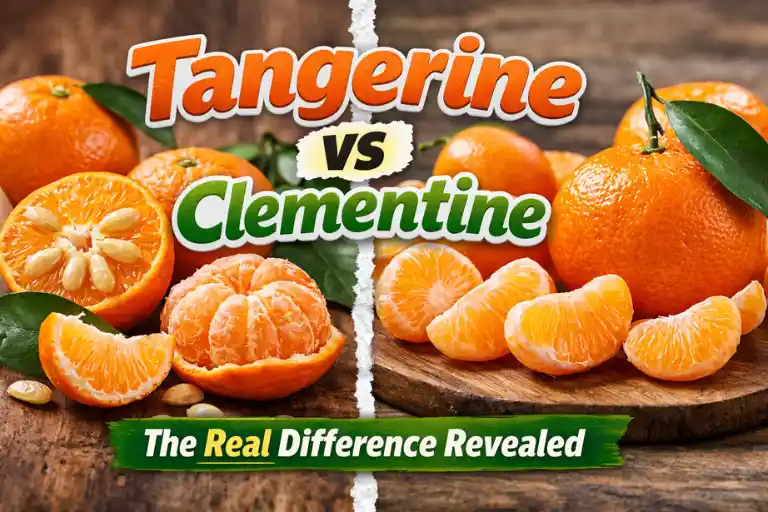
When it comes to tangerine vs clementine, many people wonder if they are the same fruit or if there is a real difference. At first glance, these small citrus fruits look almost identical. Both belong to the mandarin orange family, both are easy to peel, and both are popular as a healthy snack. But when you compare tangerines vs clementines closely, you’ll notice differences in taste, sweetness, seeds, peel texture, and nutrition.
Some people ask, which is sweeter — tangerine or clementine? Others want to know, which is healthier or better for kids? This complete tangerine and clementine comparison will explain everything in simple terms. By the end, you’ll clearly understand the difference between tangerine and clementine and know exactly which one is right for you.
Quick Answer
Tangerine vs clementine comes down to sweetness, seeds, peel texture, and size. Clementines are usually smaller, sweeter, and seedless, with a smooth and tight peel. Tangerines are slightly larger, more tangy, may contain seeds, and have a looser peel that is very easy to remove. Both are types of mandarin oranges, but their flavor and convenience differ.
Side-by-Side Comparison Table
| Category | Tangerine | Clementine |
| Botanical Type | Variety of mandarin orange (Citrus reticulata) | Hybrid of mandarin and sweet orange |
| Size | Slightly larger | Smaller and more compact |
| Taste | Sweet with a slight tangy flavor | Very sweet and mild |
| Sweetness Level | Moderately sweet | Sweeter overall |
| Seeds | May contain seeds | Usually seedless |
| Peel Texture | Loose skin, very easy to peel | Smooth, tighter skin |
| Color | Deep orange | Bright orange |
| Calories | Around 45–50 per fruit | Around 35–45 per fruit |
| Vitamin C | High in vitamin C | Slightly higher vitamin C in some varieties |
| Sugar | Moderate natural sugar | Slightly higher natural sugar |
| Shelf Life | Shorter shelf life | Lasts slightly longer when stored properly |
| Best Use | Great for juicing and salads | Perfect for snacking and lunchboxes |
This clear tangerine and clementine comparison helps you quickly see the difference between tangerines vs clementines in terms of nutrition, sweetness, seeds, and everyday use.
Understanding the Citrus Family Tree
To fully understand tangerine vs clementine, you need to look at the citrus family tree. Both fruits belong to the species Citrus reticulata, which is the scientific name for mandarin oranges. Mandarins are a large group of small, easy-to-peel citrus fruits that include tangerines, clementines, and several other varieties.
In simple terms, tangerines are a type of mandarin, while clementines are a hybrid mandarin. A hybrid means the fruit was created by crossing two different citrus types. Clementines are usually a cross between a mandarin orange and a sweet orange, which explains their extra sweetness.
So when people ask, are tangerines and clementines the same? — the answer is no. They are closely related within the mandarin category, but they are not identical.
What Is a Tangerine?
You might also like: Best Ndengu Stew Recipe
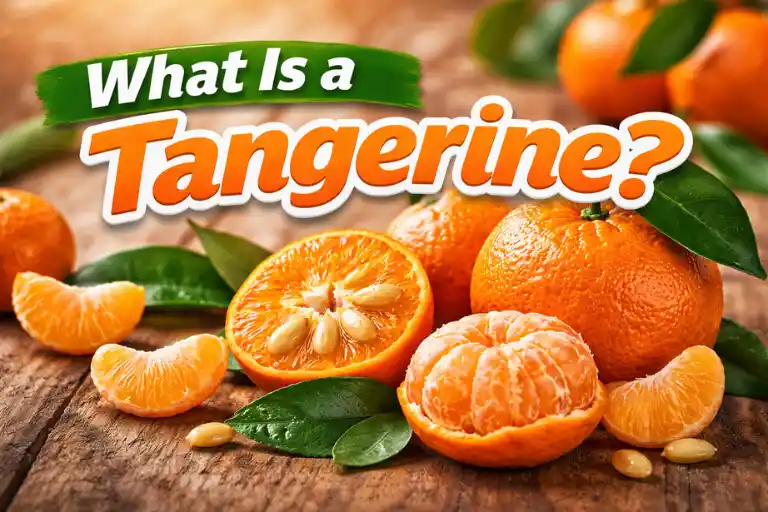
A tangerine is a traditional variety of mandarin orange (Citrus reticulata). It originally comes from Southeast Asia but became widely known in Europe and the United States. The name “tangerine” comes from the port city of Tangier in Morocco, where the fruit was once exported to Europe.
Physically, tangerines are slightly larger than clementines. They usually have a deep orange color, a loose and bumpy peel, and a sweet but slightly tangy flavor. Some varieties contain seeds, and they are known for being very easy to peel. Because of their bold flavor, tangerines are often used for juicing, salads, and desserts.
What Is a Clementine?
A clementine is a hybrid citrus fruit, created by crossing a mandarin orange with a sweet orange. This hybrid background gives clementines their extra sweetness and smooth taste. One of the most popular features of clementines is that they are usually seedless, especially when grown in controlled orchards.
Their small size, bright orange color, and smooth peel make them easy to eat without mess. Clementines are extremely popular in grocery stores because they are convenient, sweet, and kid-friendly. Many people choose them as a healthy snack or lunchbox fruit because they are simple to peel and naturally sweet.
Taste and Flavor Profile Comparison
When comparing tangerine vs clementine, the biggest difference most people notice is the flavor. Both fruits are sweet, but their taste profiles are not exactly the same.
Tangerines have a sweet yet slightly tangy flavor. They contain a bit more noticeable acidity, which gives them a fresh, citrus kick. This mild tang makes them popular for juicing and salads, where a brighter flavor is preferred.
Clementines, on the other hand, are known for their extra sweetness. They have lower acidity and a smoother taste. If you are wondering which is sweeter, tangerine or clementine? — the answer is usually clementine.
In terms of aroma, both fruits have a fresh citrus scent, but tangerines often have a slightly stronger fragrance. When it comes to juiciness, both are juicy, though tangerines may feel a bit more refreshing due to their higher acidity.
Texture and Peeling Experience
The peel texture is another key difference in the tangerine and clementine comparison.
Tangerines usually have a loose, slightly bumpy skin. This loose skin makes them very easy to peel, sometimes in just a few seconds. Because the peel separates easily from the fruit, they are often called “easy-peel citrus.”
Clementines have a smoother and tighter peel. While they are still easy to peel, the skin sits closer to the fruit. This gives them a cleaner look but can sometimes require a little more effort to remove.
When it comes to segment separation, both fruits break apart easily into neat sections. However, clementines are often less messy because they are typically seedless. The lower acidity also means less juice dripping, reducing the overall mess factor.
Size, Appearance and Color Differences
If you compare tangerines vs clementines side by side, you will notice some small but clear visual differences. Clementines are generally smaller and more compact, making them perfect for quick snacks. Tangerines are slightly larger and may look a bit flatter in shape.
In terms of color, tangerines usually have a deep orange tone, sometimes with a reddish tint. Clementines are often bright orange, with a smooth and shiny surface. For smart shopping, look for fruits that feel heavy for their size, firm, and free from soft spots. These simple visual buying cues help you choose fresh and juicy citrus fruits.
Seeds and Genetic Differences
One of the biggest questions in the difference between tangerine and clementine is about seeds.
Clementines are usually seedless, especially when grown in orchards where cross-pollination is controlled. The reason behind this lies in hybrid genetics. Since clementines are a cross between a mandarin and a sweet orange, they naturally tend to produce fewer seeds. However, seeds can appear if pollination occurs with other citrus trees nearby. This is why some clementines may occasionally contain seeds.
Tangerines, being a traditional variety of Citrus reticulata, are more likely to contain seeds, depending on the specific variety and growing conditions. So while both fruits belong to the mandarin orange family, their genetic background explains why clementines are more commonly seedless and why tangerines may contain seeds.
Nutritional Comparison Table
When looking at tangerine vs clementine nutrition, both fruits are healthy, low in calories, and rich in important vitamins. Below is a simple comparison to help you understand the difference between tangerines vs clementines from a health perspective.
| Nutrient (Per Medium Fruit) | Tangerine | Clementine |
| Calories | 45–50 calories | 35–45 calories |
| Vitamin C | High (about 20–25% daily value) | Slightly higher in some varieties |
| Sugar | Moderate natural sugar | Slightly higher natural sugar |
| Fiber | Around 1.5–2 grams | Around 1–1.5 grams |
| Carbohydrates | 11–13 grams | 9–12 grams |
| Potassium | Good source | Similar levels |
| Antioxidants | Rich in flavonoids | Rich in flavonoids |
Both fruits provide vitamin C, antioxidants, and natural energy from carbohydrates. The difference is small, but clementines tend to taste sweeter because of slightly higher natural sugar and lower acidity.
Which Is Healthier?
When comparing which is healthier — tangerine or clementine, the answer depends on your personal goal.
In terms of sugar difference, clementines may contain slightly more natural sugar, which is why they taste sweeter. However, the difference is small and both fruits are still considered healthy. For immune benefits, both are excellent. They are rich in vitamin C and antioxidants, which support immune function and help protect the body from damage.
If you are thinking about weight loss suitability, both fruits are low in calories and high in water content, making them smart snack options. Tangerines may offer a little more fiber, which can help you feel full longer.
Regarding glycemic considerations, both have a relatively low glycemic impact compared to processed snacks. Their natural sugars are balanced with fiber and nutrients, making them a better choice than sugary foods. In short, both are healthy citrus fruits — the difference is minimal.
Which Is Better for Kids?
This is a question many parents ask, but most articles skip it in the tangerine and clementine comparison. First, consider seed safety. Clementines are usually seedless, which makes them safer and more convenient for young children. Tangerines may contain seeds depending on the variety.
Next is portion size. Clementines are slightly smaller, which makes them perfect for small hands and quick snacks. For lunchbox convenience, clementines often win because they are easy to peel and less messy. Their tight segments also make them simple to share.
Finally, there is sweetness preference. Many children prefer the naturally sweeter taste of clementines over the slightly tangy flavor of tangerines. So while both fruits are healthy, clementines are often the more kid-friendly option due to their sweetness, size, and seedless nature.
Shelf Life and Storage Comparison
When comparing tangerine vs clementine, storage is an important factor that many people overlook. Proper storage can affect freshness, taste, and overall shelf life.
Counter Storage
Both fruits can be stored at room temperature for a short period. On the counter, tangerines and clementines usually stay fresh for about 3–5 days. Keep them in a cool, dry place away from direct sunlight. Because tangerines have a looser peel, they may dry out slightly faster.
Refrigerator Storage
For longer freshness, store both fruits in the refrigerator. When kept in the crisper drawer inside a breathable bag, they can last up to 1–2 weeks. Clementines often last a bit longer due to their tighter skin, which helps protect the fruit inside.
Signs of Spoilage
Watch for:
- Soft or mushy spots
- Wrinkled or overly dry skin
- Mold near the stem
- Sour smell
These signs indicate the fruit is no longer fresh.
Which Lasts Longer?
In general, clementines last slightly longer than tangerines because of their smoother and tighter peel. However, proper storage makes the biggest difference for both fruits.
Seasonal Availability
Understanding seasonal timing helps you buy fresher and more flavorful citrus.
Peak Months
Both fruits are considered winter citrus fruits. Their peak season usually runs from late fall to early winter. This is when they are sweetest and most widely available.
Regional Differences
Seasonal timing may vary depending on where they are grown. In warmer climates, harvest may begin earlier. In cooler regions, availability may start slightly later.
Import vs Local Seasons
You may see both fruits in stores year-round due to imports. However, locally grown citrus often tastes fresher and may be more affordable during peak season. Imported fruit can extend availability but may have traveled long distances. If you want the best flavor in your tangerine and clementine comparison, buying during peak season is usually the smartest choice.
Supermarket Labeling Confusion Explained
When shopping, many people get confused by labels like mandarin, tangerine, and clementine. The truth is, these names often overlap in grocery stores, which makes the tangerine vs clementine comparison even more confusing.
Mandarin vs Tangerine vs Clementine Labeling
A mandarin is the larger fruit category under Citrus reticulata. Both tangerines and clementines are types of mandarins. However, stores sometimes label all small citrus fruits simply as “mandarins,” even if they are technically clementines or tangerines.
Marketing Terminology
Many brands use names like “easy-peel oranges” or “sweet mandarins” as marketing terms. These names are designed to attract buyers but do not always clearly explain the exact variety. For example, boxed seedless mandarins are often clementines, even if the word “clementine” is not on the label.
Why Names Overlap
The overlap happens because all these fruits belong to the mandarin orange family. The differences are subtle, and retailers simplify labeling for easier selling. That is why understanding the real difference between tangerine and clementine helps you shop smarter.
Buying Guide: How to Choose the Best One at the Store
If you want the freshest fruit in your tangerine and clementine comparison, follow these simple tips.
✔ Firmness Test
Gently press the fruit. It should feel firm but slightly soft, not hard or mushy.
✔ Weight Test
Choose fruit that feels heavy for its size. This usually means it is juicy inside.
✔ Skin Shine
Look for smooth, bright skin. A natural shine often signals freshness. Avoid dull or overly dry-looking fruit.
✔ Avoid Soft Spots
Check carefully for soft areas, wrinkles, or mold, especially near the stem. These are signs the fruit is aging.
✔ Smell Check
Fresh citrus has a light, pleasant scent. A sour or unpleasant smell may mean the fruit is no longer good. Using these simple steps will help you pick the best tangerines vs clementines every time and ensure you get sweet, juicy fruit for snacking, lunchboxes, or juicing.
Price Difference and Market Trends
When comparing tangerine vs clementine, price can also influence your choice. While both fruits belong to the mandarin orange family, their cost may vary depending on the season and how they are sold.
Seasonal Pricing
During the peak winter season, both fruits are more affordable. However, clementines are often slightly more expensive because of their strong demand and seedless convenience. Off-season imports may also increase the price.
Bulk Packaging
Clementines are commonly sold in bulk boxes or mesh bags, especially in supermarkets. This bulk packaging can lower the price per fruit but increases the total purchase cost. Tangerines are more often sold loose, allowing you to buy smaller quantities.
Organic vs Conventional
Organic varieties of both fruits usually cost more due to farming practices. If you prefer organic citrus, expect to pay a higher price compared to conventional options. However, both conventional and organic versions still provide similar vitamin C and antioxidants.
Overall, pricing differences are small, but convenience and packaging can affect your final choice.
Which Citrus Is Best For…
Choosing between tangerines vs clementines often depends on how you plan to use them. Here’s a simple decision guide.
Snacking
Clementines are ideal for quick snacks because they are usually seedless, sweet, and easy to peel.
Juicing
Tangerines are often better for juicing due to their slightly higher acidity and stronger citrus flavor.
Desserts
Both work well, but tangerines add a brighter flavor to cakes and pastries, while clementines add natural sweetness.
Salads
Tangerines can bring a sweet-tangy balance to fresh salads, especially when paired with greens.
Smoothies
Clementines blend easily and add sweetness without extra sugar.
Meal Prep
Clementines are convenient for meal prep because they are compact and less messy.
Travel
For travel, clementines are usually better. Their tight peel protects the fruit and reduces leakage.
Kids
For children, clementines are often preferred due to their small size, seedless nature, and sweeter taste. This practical breakdown helps you decide which fruit fits your lifestyle and makes your tangerine and clementine comparison more actionable.
Growing Conditions and Environmental Factors
To fully understand tangerine vs clementine, it helps to look at how these fruits are grown. Both belong to the mandarin orange family (Citrus reticulata), and their growing conditions affect flavor, sweetness, and availability.

Climate Requirements
Both fruits grow best in warm, sunny climates with mild winters. They need plenty of sunlight to develop their natural sweetness. Frost can damage citrus trees, so regions with gentle winters are ideal. This is why many mandarins, including tangerines and clementines, are grown in Mediterranean climates and other warm regions.
Soil Preferences
Citrus trees prefer well-drained soil that is slightly sandy. Good drainage prevents root damage and supports healthy fruit growth. Nutrient-rich soil also improves vitamin C content and overall fruit quality.
Harvest Timing
Harvest timing plays a big role in sweetness. Most tangerines and clementines are harvested in late fall and winter, when sugar levels are at their highest. Picking the fruit at the right time ensures the best balance of sweetness and acidity.
Understanding these environmental factors explains why flavor can vary slightly depending on region and season.
Common Myths About Tangerines and Clementines
There are many misunderstandings when it comes to the difference between tangerine and clementine. Let’s clear up some common myths.
Myth 1: “They Are the Same Fruit”
This is not true. While both are part of the mandarin category, tangerines are a traditional mandarin variety, and clementines are a hybrid citrus fruit. They are closely related but not identical.
Myth 2: “Clementines Are Always Seedless”
Clementines are usually seedless, but not always. If cross-pollination happens with nearby citrus trees, seeds can develop. So while most store-bought clementines are seedless, it is not a guaranteed rule.
Myth 3: “Tangerines Are Oranges”
Tangerines are often mistaken for regular oranges, but they are actually a type of mandarin orange, not the same as standard sweet oranges. They are smaller, easier to peel, and have a slightly different flavor profile. Clearing up these myths helps you better understand the true tangerine and clementine comparison and shop with confidence.
FAQs About Tangerine vs Clementine
Are tangerines and clementines the same?
No, tangerines and clementines are not the same, but they are closely related. Both belong to the mandarin orange family (Citrus reticulata). Tangerines are a traditional mandarin variety, while clementines are a hybrid of mandarin and sweet orange. They differ in sweetness, seeds, and peel texture.
Which is sweeter?
In the tangerine vs clementine comparison, clementines are usually sweeter. They have lower acidity and a smoother flavor, which makes them taste milder. Tangerines are sweet too, but they often have a slightly tangy edge, giving them a brighter citrus flavor.
Which has more vitamin C?
Both fruits are rich in vitamin C, making them excellent for immune support. In most cases, the difference is small. Some clementine varieties may contain slightly more vitamin C, but both provide similar health benefits and antioxidant support.
Are clementines always seedless?
Clementines are usually seedless, especially when grown in controlled orchards. However, if cross-pollination occurs with nearby citrus trees, seeds can develop. So while most store-bought clementines are seedless, it is not a strict rule.
Can you substitute one for the other?
Yes, you can usually substitute tangerines and clementines in recipes. Both work well in salads, desserts, and smoothies. However, tangerines may add a slightly more tangy flavor, while clementines provide extra sweetness and fewer seeds.
Which is better for weight loss?
Both fruits are low in calories and high in water content, making them good snack options. If fiber matters to you, tangerines may offer slightly more. Overall, both are healthier choices compared to processed snacks.
Are tangerines mandarins?
Yes, tangerines are a type of mandarin orange. The term “mandarin” refers to a larger citrus group. In the mandarin category, tangerines are one variety, while clementines are a hybrid variety within the same family.
Tangerine vs Clementine – Which Should You Actually Choose?
Choosing between tangerine vs clementine depends on your personal needs. If you prefer a sweeter and seedless fruit, clementines are usually the better option. If you enjoy a slightly tangy citrus flavor, tangerines may suit your taste more.
For specific health goals, both offer similar benefits, including vitamin C and antioxidants. For weight loss or balanced snacking, either fruit works well. If you value convenience, clementines are often easier for kids, lunchboxes, and travel. For juicing or bold flavor in recipes, tangerines can be ideal.
In terms of budget, prices are usually close, though clementines may cost slightly more due to demand and packaging.In the end, both fruits are healthy, delicious members of the mandarin orange family. Your final choice comes down to taste preference, convenience, and intended use.