
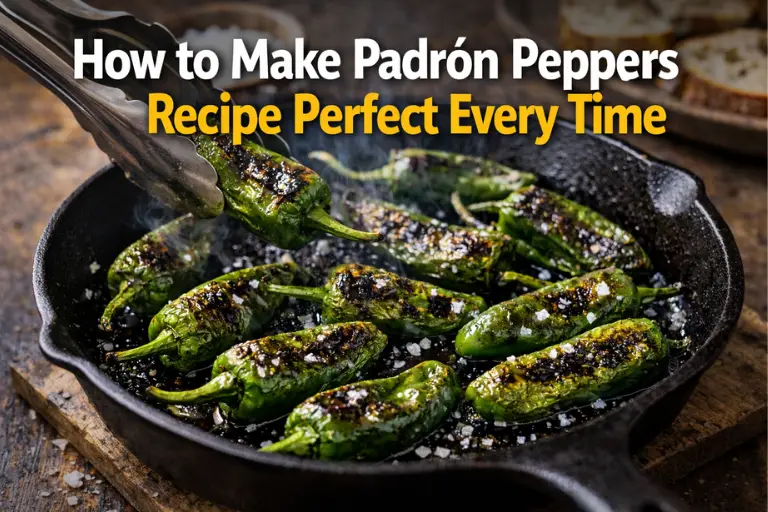
If you love Spanish tapas, this Padrón peppers recipe is one of the easiest and most exciting dishes you can make at home. These small green peppers are lightly pan-fried in olive oil until their skin turns beautifully blistered, then finished with flaky sea salt. The best part? Most peppers taste mild and slightly sweet — but every now and then, you’ll bite into a spicy one. It’s like a little surprise in every batch.
This authentic Padrón peppers dish comes from Spain and is often served as a quick appetizer or snack in tapas bars. It takes only 5–10 minutes, uses just a few simple ingredients, and delivers bold flavor with very little effort. Whether you want an easy side dish, a vegetarian tapas plate, or a quick snack, this recipe is simple, fresh, and full of character.
Quick Answer: How to Cook Padrón Peppers
To cook Padrón peppers, heat a large skillet on high heat until it is very hot. Add a generous splash of olive oil, then place the dry peppers in a single layer without overcrowding the pan. Let them cook for about 4–6 minutes, turning occasionally but not stirring too much, so the skin can develop deep blistered spots. The peppers should look slightly charred and softened but not overcooked. Remove them from the heat and immediately sprinkle with flaky sea salt. Serve hot as a simple Spanish tapas appetizer or quick side dish.
What Are Padrón Peppers?
Padrón peppers are small green peppers that come from the town of Padrón in northwestern Spain. They are a variety of Capsicum annuum, the same plant family as bell peppers and shishito peppers. Traditionally, they are harvested while still young and green, which gives them a mild, fresh flavor.
Across Spain, especially in Galician cuisine, these peppers are served as a classic Spanish tapas dish. You’ll often find them in tapas bars, simply blistered in olive oil and sprinkled with sea salt.
In recent years, Padrón peppers have become trendy worldwide. Food lovers enjoy their simple preparation, quick cooking time, and the fun surprise of occasional heat. Their popularity grew as tapas culture spread globally, making this humble pepper a restaurant favorite.
Are Padrón Peppers Spicy?
One of the most exciting things about Padrón peppers is the famous “Russian roulette” effect. Most peppers taste mild and slightly sweet, but about 1 in every 10 to 20 peppers can be unexpectedly spicy.
On the Scoville scale, most Padrón peppers rank low, similar to mild green chilies. However, the hotter ones can feel much stronger because the heat is unpredictable.
If you want to reduce spice surprises, choose smaller peppers, as larger ones tend to develop more heat. Cooking them properly with high heat and olive oil also balances their flavor. Even when you get a spicy one, it’s usually quick and enjoyable — part of the fun of this authentic Spanish tapas dish.
Ingredients for Authentic Padrón Peppers
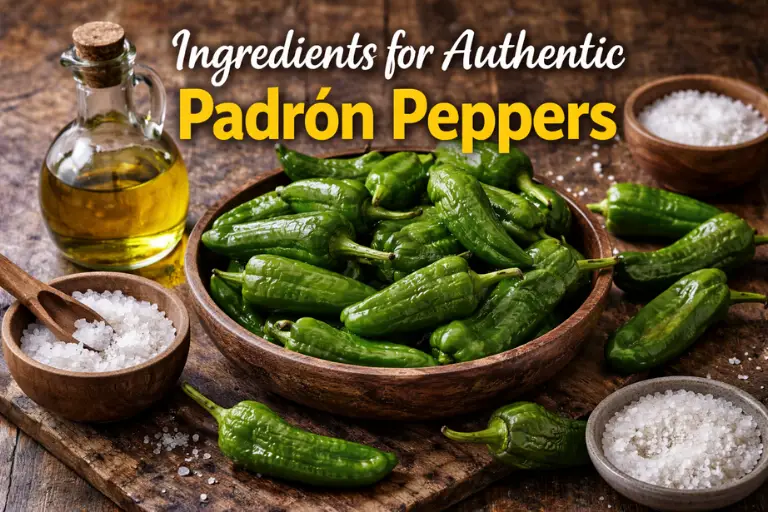
An authentic Padrón peppers recipe uses only a few simple ingredients. That’s what makes this dish so special.
You might also like: Perfect Baked Tortilla Wraps Nachos
- Fresh Padrón peppers
- Good-quality Spanish olive oil
- Flaky sea salt
That’s it. No heavy sauces, no complex seasoning. In traditional Spanish tapas, the beauty of this dish comes from its simplicity. When cooked properly, the peppers develop a natural smoky flavor with crispy blistered skin and a soft inside.
Why Simplicity Is Authentic
In Spain, especially in tapas bars, Padrón peppers are served with only olive oil and sea salt. The goal is to highlight the pepper’s natural taste. Adding too many spices can hide their fresh, slightly sweet flavor.
Using high-quality Spanish olive oil also makes a big difference. It adds richness without overpowering the dish. The flaky sea salt provides texture and enhances the mild heat of the peppers. Authentic cooking is not about adding more — it’s about respecting the ingredient.
What NOT to Add (Common Mistake)
Many people try to improve the recipe by adding garlic, soy sauce, heavy spices, or sauces. While variations are possible, these additions are not traditional and can change the flavor too much.
Another common mistake is adding salt too early. This pulls moisture from the peppers and can stop proper blistering. Always season at the end. For a true authentic Padrón peppers experience, keep it simple and let the peppers shine.
The Science Behind Blistered Skin
Perfect blistered Padrón peppers are not random — there is real cooking science behind them.
Surface Moisture Evaporation
Peppers must be completely dry before cooking. If they are wet, moisture creates steam. Steam prevents the skin from blistering and instead makes the peppers soft and soggy.
High Heat + Oil Reaction
Cooking on high heat is critical. When hot oil touches the pepper’s surface, it quickly reacts with the skin. This creates the signature blistered texture that gives the dish its smoky flavor. Low heat will only soften the peppers without creating char.
The Maillard Reaction
The light browning and slight char happen because of the Maillard reaction — a natural chemical process that creates deeper flavor when food is exposed to high heat. This reaction gives Spanish-style Padrón peppers their rich taste.
Why Overcrowding Ruins Texture
If the pan is overcrowded, the peppers release moisture and begin to steam. When that happens, you lose the crispy blistered skin. Always cook in a single layer with space between peppers.
Why Constant Stirring Prevents Blistering
It’s tempting to stir frequently, but constant movement stops the skin from staying in contact with the hot pan. Let the peppers sit for short moments so they can blister properly before turning. When you understand the science, cooking Padrón peppers perfectly becomes easy and consistent every time.
How to Cook Padrón Peppers Perfectly
Cooking Padrón peppers perfectly is all about heat, timing, and simple technique. When done right, you’ll get beautifully blistered skin, soft centers, and that classic Spanish tapas flavor.
Prep (Drying & Sorting)
Start by rinsing your fresh Padrón peppers, then dry them completely with a clean towel. This step is very important. Any surface moisture will create steam and stop proper blistering.
Sort the peppers by size if possible. Smaller peppers are usually milder, while larger ones may be slightly hotter. Removing damaged or soft peppers helps ensure even cooking.
High-Heat Cooking Method
Heat a large skillet over high heat for a few minutes before adding oil. Once hot, add Spanish olive oil and swirl to coat the pan.
Place the dry peppers in a single layer. Do not overcrowd. Let them cook for about 4–6 minutes, turning occasionally but not stirring constantly. You want the skin to develop dark blistered spots.
This high-heat method is what gives blistered Padrón peppers their signature smoky flavor.
Cast Iron vs Stainless Steel
Both pans work well, but they give slightly different results.
A cast iron skillet holds heat better and creates deeper char. It’s ideal for restaurant-style texture.
A stainless steel pan also works well but may require slightly more attention to maintain high heat. Avoid using nonstick on low heat, as it often prevents proper blistering.
When to Remove from Heat
Remove the peppers when they look lightly charred and slightly collapsed but still bright green. They should feel tender but not mushy. Overcooking can make them too soft and reduce their fresh flavor.
Final Seasoning Technique
Once off the heat, immediately sprinkle with flaky sea salt. Always salt at the end. This keeps the skin crisp and prevents moisture from forming during cooking. Serve hot as an easy tapas recipe, simple side dish, or quick appetizer.
Why Your Padrón Peppers Are Not Blistering
If your peppers are soft instead of crispy, one of these common mistakes may be the reason.
Pan Too Crowded
When peppers are packed too closely, they release moisture and begin to steam. This stops the skin from blistering. Always cook in batches if needed.
Peppers Wet
Wet peppers create steam instantly. Even a small amount of water can ruin the texture. Always dry them fully before cooking.
Oil Too Cold
If the oil is not hot enough, the peppers will slowly soften instead of blistering. Preheat the pan first, then add oil.
Using Low Heat
Low heat prevents the Maillard reaction, which is responsible for browning and deep flavor. High heat is essential for authentic Spanish-style Padrón peppers.
Salting Too Early
Adding salt before cooking pulls moisture from the peppers. This creates steam and reduces crispness. Always finish with flaky sea salt after removing from heat. When you control these small details, your Padrón peppers recipe will turn out perfectly every time — crispy, flavorful, and restaurant-worthy.
Common Mistakes That Ruin This Recipe
Even though this Padrón peppers recipe is simple, a few small mistakes can change the final result. Avoid these common errors to get perfectly blistered Padrón peppers every time.
Overcooking
Cooking the peppers too long makes them soft and wrinkled instead of lightly charred. They should be tender with blistered skin, not mushy. Once they collapse slightly and develop dark spots, remove them from heat.
Using Flavored Oils
Authentic Spanish Padrón peppers use plain, good-quality olive oil. Strong flavored oils (like garlic oil or chili oil) can overpower the natural taste of the peppers. Keep it simple to respect the traditional Spanish tapas style.
Adding Garlic Too Early
Garlic burns quickly on high heat. If added too soon, it becomes bitter and can ruin the dish. If you want a garlic touch, add it at the very end or use a light infusion after cooking.
Cooking in Nonstick at Low Heat
Nonstick pans on low heat rarely create proper blistering. The peppers need strong, steady heat for the Maillard reaction. A cast iron or stainless steel pan works much better for achieving that restaurant-style texture.
Variations
While the classic method is pan-fried, there are several easy ways to adapt this easy Padrón peppers recipe. These variations help you target different cooking methods while keeping the flavor authentic.
Air Fryer Padrón Peppers
If you prefer a lighter method, air fryer Padrón peppers are a great option.
- Preheat air fryer to 400°F (200°C).
- Toss peppers with a small amount of olive oil.
- Cook for 6–8 minutes, shaking halfway.
- Finish with flaky sea salt.
They won’t char as deeply as skillet-cooked peppers, but they still develop nice blistered spots. This method is quick, less oily, and perfect for small batches.
Grilled Padrón Peppers
Grilled Padrón peppers add a smoky outdoor flavor that pairs beautifully with summer meals.
- Preheat grill to high.
- Toss peppers lightly in olive oil.
- Grill in a basket or on skewers for 4–6 minutes.
- Turn occasionally until blistered.
This method enhances their natural sweetness and works well for BBQ gatherings or tapas nights.
Oven-Roasted Method
If you’re cooking a large batch, oven-roasting is simple.
- Preheat oven to 425°F (220°C).
- Spread peppers in a single layer on a baking sheet.
- Roast for 10–15 minutes until blistered.
- Finish with sea salt immediately after baking.
While not as intense as skillet cooking, this method is easy and hands-off.
Restaurant-Style Garlic Version
For a slight twist you might see in modern tapas bars, try a restaurant-style garlic version.
- Cook peppers using the high-heat skillet method.
- After removing from heat, add finely minced garlic to the warm pan for 10–15 seconds.
- Toss peppers back in briefly.
- Finish with flaky sea salt.
This adds a light garlic aroma without overpowering the authentic flavor. It keeps the dish balanced while offering something a little extra.
Padrón Peppers vs Shishito Peppers
Many people compare Padrón peppers vs shishito peppers because they look similar and are both popular as small blistered appetizers. While they share some traits, they are not exactly the same.
Here’s a simple comparison to help you decide which one to buy:
| Feature | Padrón Peppers | Shishito Peppers |
| Taste | Mild, slightly earthy, sometimes smoky when blistered | Mild, slightly sweet and grassy |
| Heat Frequency | About 1 in 10–20 can be spicy (“Russian roulette”) | About 1 in 10 may be mildly spicy |
| Texture | Slightly thicker skin, soft interior when cooked | Thinner skin, more delicate bite |
| Availability | More common in specialty stores and farmers markets | Widely available in many grocery stores |
| Price | Often slightly higher due to import or limited supply | Usually more affordable |
If you can’t find Padrón peppers, shishito peppers make a good substitute. However, authentic Spanish-style Padrón peppers have a slightly deeper flavor and stronger connection to traditional tapas culture.
How to Pick Fresh Padrón Peppers
Choosing fresh peppers makes a big difference in your final Padrón peppers recipe. Since this dish uses very few ingredients, quality matters.
Color
Look for bright green peppers with smooth skin. Avoid yellowing or dull peppers, as this can mean they are older and less fresh.
Firmness
Fresh Padrón peppers should feel firm and slightly crisp when you press them gently. Soft or wrinkled peppers may not blister properly and can taste less fresh.
Stem Freshness
Check the stems. They should look green and hydrated, not dry or brown. A fresh stem usually means the pepper was harvested recently.
Size Matters
Smaller peppers are usually milder, while larger ones have a higher chance of being spicy. If you prefer less heat, choose smaller, evenly sized peppers for consistent cooking.
By selecting high-quality peppers, you improve both flavor and texture. Since authentic blistered Padrón peppers rely on simplicity, starting with fresh ingredients is one of the most important steps.
Where to Buy Padrón Peppers
If you’re wondering where to buy Padrón peppers, you may need to look beyond regular supermarkets. Since they are a specialty ingredient used in Spanish tapas, they are not always available everywhere.
Farmers Markets
Your best chance of finding fresh Padrón peppers is at local farmers markets, especially during summer. Many small farms grow them because they are easy to harvest while still green. Farmers markets usually offer fresher peppers with better flavor and texture.
Specialty Stores
Look for Padrón peppers in specialty grocery stores, Mediterranean markets, or stores that carry Spanish products. These shops often stock seasonal produce used in authentic recipes.
Online Produce
Some online produce suppliers and specialty food websites sell Padrón peppers when they are in season. While prices may be slightly higher, this option is helpful if local stores do not carry them.
When buying, always choose peppers that are bright green, firm, and fresh to get the best results for your Padrón peppers recipe.
Nutrition & Health Value
Are Padrón Peppers Healthy?
Yes, Padrón peppers are naturally healthy and low in calories. Since this dish uses only olive oil and sea salt, it can easily fit into many balanced diets.
Here’s what makes them a smart choice:
Calories
Padrón peppers are very low in calories. A full serving contains minimal calories, especially if you use moderate olive oil. This makes them a great light appetizer or side dish.
Carbs
They are naturally low in carbohydrates. Most of the carbs come from natural plant sugars and fiber, making them suitable for many low-carb diets.
Fiber
These peppers contain dietary fiber, which supports digestion and helps you feel full.
Antioxidants
Like many green vegetables, Padrón peppers contain natural antioxidants that help protect your body from damage caused by free radicals.
Vitamin C
They are a good source of Vitamin C, which supports your immune system and skin health.
Because they are simply pan-fried and not heavily processed, blistered Padrón peppers remain a clean and wholesome dish.
Are They Keto?
Yes, Padrón peppers are keto-friendly. They are low in carbs and high in flavor. As long as you use moderate olive oil, they fit well into a keto diet.
Are They Vegan?
Yes, this authentic Padrón peppers recipe is completely vegan and vegetarian. It contains only plant-based ingredients: peppers, olive oil, and sea salt. Their simple ingredient list makes them suitable for many eating styles while still delivering bold flavor in true Spanish-style Padrón peppers fashion.
What to Serve with Padrón Peppers
Blistered Padrón peppers are usually served as a simple Spanish tapas dish, but they pair beautifully with many other foods. Their mild, slightly smoky flavor makes them very versatile.
Tapas Platter Ideas
Create a small tapas platter by serving Padrón peppers with:
- Marinated olives
- Manchego cheese
- Crusty bread
- Garlic shrimp
- Roasted almonds
This combination turns your Padrón peppers recipe into a complete appetizer spread that feels authentic and restaurant-style.
Spanish Dinner Pairing
You can also include them as a side dish in a larger Spanish-inspired dinner. They pair well with:
- Grilled seafood
- Spanish tortilla (potato omelet)
- Paella
- Roasted chicken
Their light flavor balances heavier dishes and adds freshness to the meal.
Protein Pairings
If you want to build a balanced plate, serve them with simple proteins like:
- Grilled chicken
- Seared steak
- Baked fish
- Plant-based protein like grilled tofu
Because they are lightly seasoned with olive oil and flaky sea salt, they complement almost any main course.
Best Wine Pairings
Since Padrón peppers are a traditional Spanish appetizer, wine pairing plays an important role in the full experience.
Albariño
Albariño is a white wine from Spain that pairs perfectly with this dish. It is crisp, fresh, and slightly citrusy, which balances the mild heat of the peppers.
Light Red Wine
A light red wine with soft tannins also works well. It won’t overpower the delicate flavor of the peppers and complements their smoky blistered skin.
Dry Sherry
A small glass of dry sherry is another classic Spanish pairing. Its nutty and slightly salty notes match beautifully with the sea salt finish on the peppers.
These pairings help recreate an authentic tapas bar experience at home.
How to Store Leftover Padrón Peppers
Although they are best eaten fresh, you can store leftovers properly.
Fridge Lifespan
Place cooled peppers in the refrigerator. They will stay fresh for about 2 to 3 days.
Airtight Storage
Always store them in an airtight container. This prevents moisture loss and keeps their flavor intact. Keep in mind that the blistered texture may soften slightly after refrigeration.
How to Reheat Without Losing Texture
Reheating correctly is important if you want to maintain some of that crispy edge.
Skillet Method
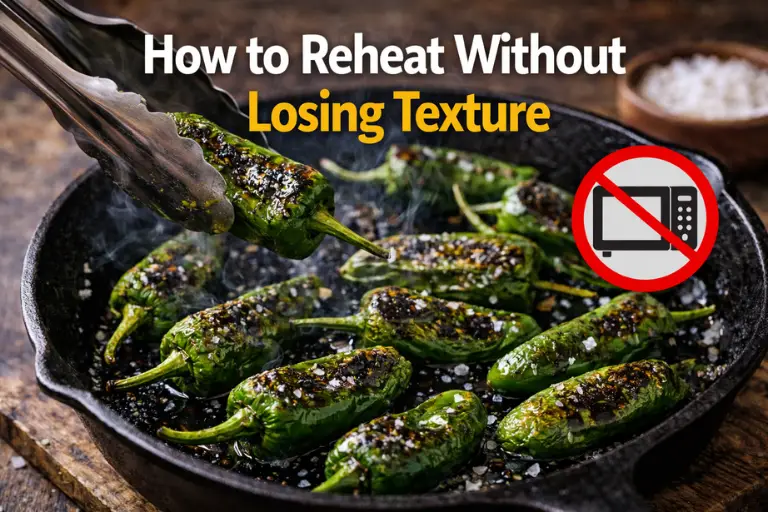
The best way to reheat Padrón peppers is in a hot skillet for 2–3 minutes. This helps restore some of the blistered texture.
Avoid Microwave
Avoid reheating in the microwave. It creates steam and makes the peppers soft and soggy. Quick high heat is always better for preserving flavor and texture.
Can You Freeze Padrón Peppers?
Freezing cooked Padrón peppers is not recommended. The freezing process breaks down their structure and makes them very soft when thawed. If you must freeze them, freeze raw peppers instead. However, fresh peppers always deliver the best results for an authentic Spanish-style Padrón peppers experience.
FAQs About Padrón Peppers
Can you eat Padrón peppers raw?
Yes, you can eat Padrón peppers raw, but they are usually served cooked. Raw peppers taste fresh and slightly grassy, but cooking them creates the signature blistered skin and smoky flavor that makes this classic Spanish tapas dish so popular.
How spicy are they really?
Most Padrón peppers are mild, but about 1 in 10–20 can be spicy. Their heat level is usually low on the Scoville scale, similar to mild green chilies. The surprise heat is part of their charm and is often called the “Russian roulette” effect.
Why are mine soggy?
If your Padrón peppers are soggy, the pan was likely overcrowded, the peppers were wet, or the heat was too low. Proper high-heat cooking and drying the peppers fully before frying are essential for achieving crispy, blistered skin.
Can I substitute shishito peppers?
Yes, you can substitute shishito peppers if you can’t find Padrón peppers. They look similar and cook the same way. However, authentic Padrón peppers recipe flavor is slightly earthier, while shishitos taste a bit sweeter and milder.
What oil works best?
The best oil for blistered Padrón peppers is high-quality Spanish olive oil. It enhances flavor without overpowering the peppers. Avoid flavored oils, as they can change the authentic taste of this simple tapas recipe.
How long do they last?
Cooked Padrón peppers last about 2 to 3 days in the refrigerator when stored in an airtight container. For best texture and flavor, they are ideally eaten fresh, right after cooking.
Pro Tips from Spanish Tapas Bars
To make your Padrón peppers recipe feel truly authentic, follow these simple restaurant-style tips.
Serving Temperature
Serve Padrón peppers hot, straight from the pan. They taste best when the skin is still slightly crisp and warm.
Portion Size
In traditional Spanish tapas, portions are small. A handful of peppers per person is usually enough, especially when served with other tapas dishes.
Presentation Style
Serve them on a simple plate or shallow bowl. Let the blistered skin show naturally. Avoid heavy garnishes — authenticity comes from simplicity.
Salt Timing
Always add flaky sea salt immediately after removing the peppers from heat. This keeps the texture crisp and enhances flavor without drawing out moisture. These small details make a big difference and help recreate a true Spanish-style Padrón peppers experience at home.
Recipe Card – Authentic Padrón Peppers (Spanish Blistered Tapas)
Prep Time: 5 minutes
Cook Time: 5–6 minutes
Total Time: 10–12 minutes
Servings: 4 (as a tapas appetizer)
Calories: ~120 calories per serving
Ingredients
- 250–300g fresh Padrón peppers
- 1–2 tablespoons Spanish olive oil
- ½ teaspoon flaky sea salt (or to taste)
Instructions
- Rinse the Padrón peppers, then dry them completely with a clean towel.
- Heat a large cast iron or stainless steel skillet over high heat.
- Add olive oil and swirl to coat the pan.
- Place the dry peppers in a single layer without overcrowding.
- Cook for 4–6 minutes, turning occasionlly but not stirring constantly, until the skin becomes blistered and lightly charred.
- Remove from heat and immediately sprinkle with flaky sea salt.
- Serve hot as an authentic Spanish tapas dish.
Notes
- Always dry the peppers fully to ensure proper blistering.
- Do not salt before cooking — this causes moisture and prevents crisp texture.
- Smaller peppers are usually milder; larger ones may be spicier.
- Best enjoyed fresh for maximum flavor and texture.
Nutrition (Per Serving – Approximate)
- Calories: 120
- Carbohydrates: 7g
- Fiber: 2g
- Fat: 10g
- Protein: 1g
- Vitamin C: High
- Diet: Naturally vegan, vegetarian, and keto-friendly