
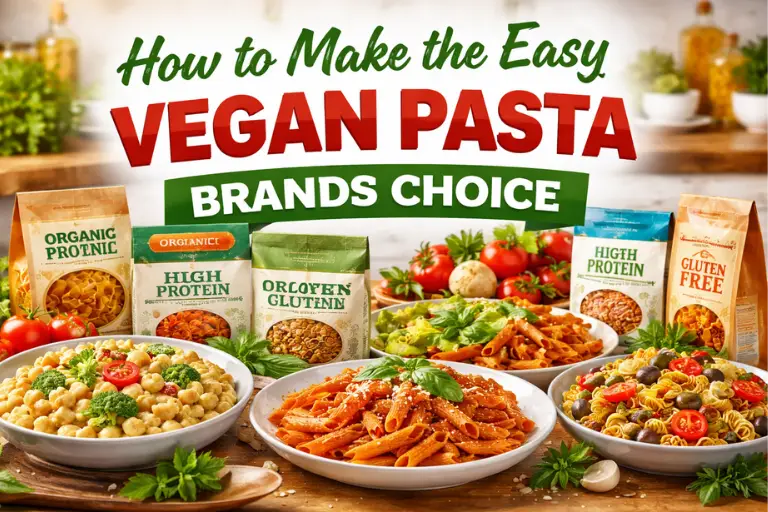
Choosing the right vegan pasta brands Recipe can feel confusing, especially when you’re not sure if pasta is always vegan. Many people assume all pasta is plant-based, but that’s not always true. While most dry pasta made from durum wheat and semolina is naturally egg-free, some fresh varieties contain eggs or other non-vegan ingredients. That’s why knowing how to identify vegan friendly pasta matters.
In this complete guide, we’ll break down the best vegan pasta brands, including high-protein chickpea pasta, gluten-free vegan pasta, and even organic and non-GMO options. You’ll also learn how to check labels, compare nutrition, and choose the right pasta for your goals—whether that’s weight loss, muscle gain, or simply enjoying a healthy meal. By the end, you’ll know exactly which plant-based pasta brands are worth buying and why.
Quick Answer – What Are the Best Vegan Pasta Brands?
If you’re short on time, here’s the quick breakdown. These vegan pasta brands stand out for taste, nutrition, texture, and value. All of them offer vegan friendly pasta, and most include gluten-free or high-protein options.
Top 5 Best Vegan Pasta Brands
- Barilla – Best Overall
- Banza – Best High Protein
- Jovial – Best Gluten-Free
- Colavita – Best Budget
- Explore Cuisine – Best Plant-Based Protein Variety
Best Overall – Barilla
Most classic Barilla dry pasta is naturally vegan, made with durum wheat semolina and water. It’s affordable, widely available, and has the traditional pasta texture people love. If you’re wondering, “Is pasta vegan?” — Barilla’s standard varieties usually are.
Best High-Protein – Banza
Made from chickpea flour, Banza is one of the most popular high-protein vegan pasta brands. It contains nearly double the protein of traditional pasta and is also gluten-free. Perfect for muscle gain or staying full longer.
Best Gluten-Free – Jovial
Jovial offers certified gluten-free vegan pasta made from brown rice. It’s organic, non-GMO, and has a clean ingredient list — ideal for sensitive diets.
Best Budget – Colavita
Colavita’s classic semolina pasta is simple, affordable, and widely available in supermarkets. It’s a great everyday vegan pasta option without a high price tag.
Fast Comparison Mini Table
| Brand | Protein | Gluten-Free | Organic Option | Best For |
| Barilla | Moderate | Some lines | Limited | Overall value |
| Banza | High | Yes | No | High protein |
| Jovial | Moderate | Yes | Yes | Gluten-free |
| Colavita | Moderate | No | No | Budget |
| Explore Cuisine | High | Yes | Some lines | Variety |
If you’re searching for the best vegan pasta brands available in supermarkets, this list covers the most trusted options. In the next section, we’ll explain what makes pasta vegan or non-vegan, so you can confidently check labels yourself.
Is Pasta Vegan? The Truth Most People Don’t Know
Many people search “is pasta vegan?” and assume the answer is always yes. The truth is simple: most dry pasta is vegan, but not all pasta brands are.
Traditional Pasta Ingredients Explained
Traditional Italian pasta is made from just two ingredients: durum wheat semolina and water. That’s it. No eggs, no dairy. Because of this, most classic dry pasta brands are naturally vegan friendly pasta options.
However, not every pasta follows this simple recipe.
Why Most Dry Pasta Is Vegan
Packaged dry pasta you find in supermarkets is usually made from:
- Semolina flour
- Water
- Sometimes salt
Since there are no animal products involved, these varieties are considered plant-based pasta. Many well-known vegan pasta brands fall into this category.
Why Fresh Pasta Usually Contains Egg
Fresh pasta is different. Many fresh or refrigerated pasta products include:
- Eggs
- Sometimes dairy
Eggs give fresh pasta a softer texture and richer taste. This means fresh pasta is often not vegan, unless it clearly says egg-free pasta on the label.
Semolina vs Enriched Flour – What’s the Difference?
- Semolina pasta is made from durum wheat and is typically vegan.
- Enriched flour pasta may include added vitamins. Most fortifications are plant-based, but it’s still smart to check ingredients.
Are All Pasta Brands Vegan?
No. While most dry pasta brands are vegan, some specialty or flavored varieties may contain egg or dairy. Always read the label carefully. If you’re unsure, look for clear vegan certification or check the ingredient list.
What Makes Pasta Non-Vegan?
While many vegan pasta brands are made with simple plant ingredients, some pasta products include hidden animal-based components. If you’re asking, “what pasta is not vegan?”, here are the main things to watch for.

You might also like: Best Vegan Pasta e Fagioli
Eggs
Eggs are the most common reason pasta is not vegan. Many fresh pasta varieties, egg noodles, and stuffed pasta use eggs to improve texture and color. Always check the label for words like “egg,” “egg yolk,” or “egg whites.”
Dairy Additives
Some specialty pasta may contain:
- Milk powder
- Cheese flavoring
- Whey
These are rare in standard dry pasta but can appear in flavored or filled products. If you want truly vegan friendly pasta, read ingredients carefully.
Vitamin D Sources
Occasionally, enriched pasta includes added vitamins. Most are plant-based, but some Vitamin D3 can be animal-derived. While this is uncommon, strict vegans may prefer certified plant-based pasta brands for peace of mind.
Specialty Flavored Pasta Risks
Spinach, tomato, or herb pasta is usually safe. However, creamy or cheese-flavored varieties may contain dairy. Always double-check when buying store-bought vegan pasta.
Cross-Contamination Concerns
Some pasta brands are produced in facilities that also handle egg products. This doesn’t make the pasta non-vegan by ingredients, but it may matter for people with allergies.
Bottom line: Always read labels — especially for fresh, flavored, or specialty pasta.
The 6 Main Types of Vegan Pasta
Not all vegan pasta options are the same. Today, there are many types to fit different diets, whether you want more protein, fewer carbs, or a gluten-free choice.
Traditional Durum Wheat Pasta
This is the classic pasta most people know. Made from durum wheat semolina and water, it is usually vegan by default. Many popular vegan pasta brands fall into this category.
Best for: Traditional taste and texture.
Whole Wheat Pasta
Whole wheat pasta uses the entire grain, which means more fiber and nutrients. It’s typically egg-free and works well for those wanting a healthier plant-based option.
Best for: Extra fiber and balanced nutrition.
Chickpea Pasta
Made from chickpea flour, this is one of the most popular high-protein vegan pasta brands. It’s also naturally gluten-free.
Best for: Muscle gain, staying full longer, higher protein intake.
Lentil Pasta
Lentil-based pasta offers strong plant protein and fiber. It has a slightly earthy taste and firm texture.
Best for: Plant-based diets focused on protein.
Brown Rice & Gluten-Free Pasta
These are ideal for people avoiding gluten. Many gluten-free vegan pasta brands use brown rice, quinoa, or corn blends.
Best for: Gluten sensitivity or celiac-friendly diets.
Low-Carb & Specialty Pasta (Keto-Friendly Options)
This is a major gap most competitors ignore. Some low-carb vegan pasta brands are made from:
- Konjac (shirataki)
- Hearts of palm
- Lupin flour
These options are lower in carbs and calories, making them suitable for weight loss or keto-style eating.
Best for: Low-carb goals and specialized diets.
Fresh vs Dry Pasta – Important Vegan Differences
When choosing between fresh pasta and dry pasta, it’s important to understand how they differ — especially if you’re looking for truly vegan friendly pasta.
Texture
- Fresh pasta is softer and more tender. It cooks quickly and has a delicate bite.
- Dry pasta is firmer and holds its shape better, especially in baked dishes.
Most traditional vegan pasta brands focus on dry pasta because it’s easier to make without eggs.
Shelf Life
- Fresh pasta must be refrigerated and usually lasts only a few days.
- Dry pasta can last months or even years in your pantry.
That’s why most store-bought vegan pasta brands you find in supermarkets are dry varieties.
Egg Usage Differences
Fresh pasta often contains eggs, which makes it non-vegan. Dry pasta, made from durum wheat semolina and water, is usually egg-free. If you’re unsure and asking, “are all pasta brands vegan?” — the answer is no. Fresh pasta is more likely to contain eggs.
Restaurant vs Store-Bought
At restaurants, pasta may be made fresh in-house and could include eggs. Always ask before ordering. Packaged dry pasta from major brands is more likely to be vegan, but checking the ingredient label is still important.
Top 15 Best Vegan Pasta Brands Ranked
Below is a carefully selected list of the best vegan pasta brands, including high-protein, gluten-free, organic, and budget-friendly options.
1. Barilla – Best Overall
- Ingredients: Durum wheat semolina, water
- Protein: ~7g per serving
- Texture: Firm and classic
- Taste Rating: 4.5
- Best For: Everyday meals, overall value
- Price Range: Budget-friendly
- Where to Buy: Walmart, Amazon, supermarkets
- Organic/Non-GMO: Limited specialty lines
2. Banza – Best High Protein
- Ingredients: Chickpea flour
- Protein: ~13g per serving
- Texture: Slightly firmer, dense
- Taste Rating: 5.5
- Best For: Muscle gain, high-protein diets
- Price Range: Mid-range
- Where to Buy: Whole Foods, Amazon
- Organic/Non-GMO: Non-GMO
3. Jovial – Best Gluten-Free
- Ingredients: Organic brown rice
- Protein: ~4g per serving
- Texture: Smooth and close to wheat pasta
- Taste Rating: 3.5
- Best For: Gluten-free diets
- Price Range: Premium
- Where to Buy: Health stores, Amazon
- Organic/Non-GMO: Organic & Non-GMO
4. Explore Cuisine
- Ingredients: Lentil flour, chickpea flour
- Protein: ~12g per serving
- Texture: Firm and hearty
- Taste Rating: 4.4
- Best For: Plant-based protein variety
- Price Range: Mid-range
- Where to Buy: Amazon, specialty stores
- Organic/Non-GMO: Many organic options
5. Colavita – Best Budget
- Ingredients: Semolina, water
- Protein: ~7g per serving
- Texture: Traditional
- Taste Rating: 5.5
- Best For: Affordable classic pasta
- Price Range: Budget
- Where to Buy: Supermarkets
- Organic/Non-GMO: Limited
6. De Cecco
- Ingredients: Durum wheat semolina
- Protein: ~8g
- Texture: Extra firm
- Taste Rating: 4.5
- Best For: Authentic Italian texture
- Price: Mid-range
- Organic: Some lines
7. Whole Foods 365
- Ingredients: Organic semolina
- Protein: ~7g
- Texture: Balanced
- Best For: Organic buyers
- Price: Affordable
- Organic: Yes
8. Tolerant
- Ingredients: Red lentil flour
- Protein: ~21g
- Best For: Very high protein
- Price: Premium
- Gluten-Free: Yes
9. Ancient Harvest
- Ingredients: Quinoa & corn blend
- Protein: ~6g
- Best For: Gluten-free alternative
- Organic: Some options
10. Thrive Market Brand
- Ingredients: Organic wheat or lentil
- Protein: ~7–8g
- Best For: Online bulk buying
- Organic: Yes
11. Lotus Foods
- Ingredients: Rice-based blends
- Protein: ~6g
- Best For: Unique grains
- Gluten-Free: Yes
12. Eat Banza Rice Alternative
- Ingredients: Chickpeas & rice blend
- Protein: ~10g
- Best For: Balanced texture + protein
13. Seggiano Organic Pasta
- Ingredients: Organic durum wheat
- Protein: ~7g
- Best For: Premium organic pasta
14. Lensi
- Ingredients: Red lentil flour
- Protein: ~13g
- Best For: Gluten-free protein
15. Miracle Noodle (Low-Carb Option)
- Ingredients: Konjac (shirataki)
- Protein: Low
- Texture: Gel-like
- Best For: Low-carb & keto-friendly diets
- Price: Mid-range
- Gluten-Free: Yes
Vegan Pasta Brands Compared (Full Nutrition Table)
Choosing between different vegan pasta brands becomes much easier when you can see the numbers side by side. Below is a simple comparison table covering calories, protein, fiber, carbs, glycemic index, gluten-free status, organic options, and price range.
This helps you decide whether you need high-protein vegan pasta, gluten-free vegan pasta brands, or a simple budget-friendly plant-based pasta.
Note: Nutrition values are approximate per 2 oz (56g) dry serving and may vary slightly by shape.
Full Vegan Pasta Comparison Table
| Brand | Calories | Protein | Fiber | Carbs | Glycemic Index | Gluten-Free? | Organic? | Price Range |
| Barilla (Semolina) | ~200 | 7g | 3g | 42g | Moderate | Some lines | Limited | $ |
| Banza (Chickpea) | ~190 | 13g | 5g | 35g | Lower | Yes | Non-GMO | $$ |
| Jovial (Brown Rice) | ~210 | 4g | 2g | 45g | Moderate | Yes | Yes | $$$ |
| Explore Cuisine (Lentil) | ~180 | 12g | 6g | 30g | Lower | Yes | Some lines | $$ |
| Colavita (Semolina) | ~200 | 7g | 3g | 42g | Moderate | No | Limited | $ |
| Tolerant (Red Lentil) | ~190 | 21g | 8g | 34g | Lower | Yes | Non-GMO | $$$ |
| Ancient Harvest (Quinoa Blend) | ~200 | 6g | 3g | 42g | Moderate | Yes | Some lines | $$ |
| Miracle Noodle (Konjac) | ~10 | 0g | 2g | 3g | Very Low | Yes | No | $$ |
What This Table Tells You
- If you want the highest protein vegan pasta brands, choose Tolerant or Banza.
- If you need gluten-free vegan pasta, options like Jovial, Explore Cuisine, and Ancient Harvest are safe choices.
- For low-carb or keto-friendly vegan pasta brands, Miracle Noodle stands out with extremely low carbs and glycemic impact.
- If you want a traditional taste at a low cost, Barilla and Colavita remain strong budget vegan pasta options.
Quick Insight
- Chickpea and lentil pasta generally have lower glycemic index and more protein.
- Traditional semolina pasta has a moderate glycemic impact but offers the classic texture most people love.
- Konjac-based pasta is best for strict low-carb diets but has a very different texture.
This comparison gives you a clear, data-driven way to pick the best plant-based pasta brands based on your personal nutrition goals.
Best Vegan Pasta Brands by Category
Not all vegan pasta brands serve the same purpose. Some focus on protein, others on affordability, and some are designed for special diets like gluten-free or low-carb eating. Here are the best picks by category to help you choose quickly.
Best Overall – Barilla
If you want classic taste and reliable quality, Barilla is a top choice. Most of its dry pasta is made from durum wheat semolina and water, making it naturally vegan. It’s affordable, easy to find, and works well with almost any sauce.
Best for: Everyday meals and traditional texture.
Best High-Protein Vegan Pasta – Tolerant or Banza
For muscle gain or staying full longer, Tolerant (red lentil pasta) and Banza (chickpea pasta) stand out. These high-protein vegan pasta brands offer significantly more protein than regular wheat pasta.
Best for: Muscle gain, athletes, high-protein plant-based diets.
Best Gluten-Free Vegan Pasta – Jovial
Jovial brown rice pasta is certified gluten-free and organic. It has a smooth texture that closely matches traditional pasta.
Best for: Gluten sensitivity or celiac-friendly diets.
Best Budget-Friendly Option – Colavita
If you want affordable vegan friendly pasta, Colavita offers simple semolina pasta at a low price.
Best for: Budget-conscious shoppers.
Best Organic & Non-GMO Pasta – Whole Foods 365 or Jovial
For clean ingredient lovers, organic vegan pasta brands like Whole Foods 365 and Jovial provide non-GMO and organic-certified options.
Best for: Clean eating and organic diets.
Best Low-Carb / Keto-Friendly Pasta – Miracle Noodle
Made from konjac root, this pasta is extremely low in carbs and calories. It’s very different in texture but works well for strict low-carb plans.
Best for: Keto-friendly and low-carb diets.
Best for Kids & Families – Barilla or Banza
Kids usually prefer a familiar texture. Barilla offers a classic taste, while Banza adds extra protein without changing flavor too much.
Best for: Family-friendly meals.
How to Choose the Right Vegan Pasta for Your Diet Goals
Choosing the best plant-based pasta brands depends on your health goals. Here’s how to decide.
For Weight Loss
Look for:
- Low-carb vegan pasta brands
- Higher fiber content
- Moderate calories
Chickpea, lentil, or konjac pasta can help you stay full longer.
For Muscle Gain
Choose high-protein vegan pasta brands like:
- Chickpea pasta
- Lentil pasta
Protein supports muscle repair and growth.
For Diabetic-Friendly Eating
Focus on:
- Lower glycemic index
- Higher fiber
- Lower refined carbs
Legume-based pasta often has a better blood sugar impact than white pasta.
For Whole Food Plant-Based Diets
Select pasta with:
- Minimal ingredients
- No additives
- Organic options
Simple semolina pasta or organic whole wheat pasta works well.
For Soy-Free Needs
Most traditional and legume-based pasta is naturally soy-free, but always double-check labels if you have allergies.
For Allergen-Sensitive Buyers
Check for:
- Gluten-free certification
- Egg-free labeling
- Cross-contamination warnings
Many gluten-free vegan pasta brands clearly state allergen information.
Taste & Texture Comparison Guide
Not all vegan pasta brands taste the same. Texture and flavor can vary depending on the ingredients. If you want the best eating experience, this simple guide will help you choose the right plant-based pasta for your favorite dishes.
Sauce Absorption
- Traditional semolina pasta absorbs sauce evenly and holds it well.
- Chickpea and lentil pasta are slightly denser, so they pair well with thicker sauces.
- Brown rice pasta can be lighter and works best with lighter sauces.
If you love rich flavors, choose pasta that holds sauce well.
Firmness
- Durum wheat pasta has a classic firm bite (al dente).
- Legume-based pasta (like chickpea or lentil) can feel slightly softer but still holds shape.
- Konjac pasta is very soft and gel-like.
If texture matters most to you, traditional wheat-based vegan friendly pasta feels closest to classic pasta.
Aftertaste
- Semolina pasta has a neutral flavor.
- Chickpea pasta may have a mild nutty taste.
- Lentil pasta can have a slightly earthy flavor.
For picky eaters or kids, neutral-tasting pasta is often best.
Best for Creamy Sauces
Creamy sauces stick best to:
- Chickpea pasta
- Lentil pasta
- Ridged semolina shapes
Their texture helps hold thicker sauces.
Best for Tomato-Based Sauces
Classic durum wheat semolina pasta pairs perfectly with tomato sauces because of its firm structure and neutral taste.
Best for Pasta Salads
For cold dishes, choose:
- Whole wheat pasta
- Brown rice pasta
- Firm legume-based pasta
These hold their shape after cooling.
This kind of taste comparison helps you choose the right vegan pasta options beyond just nutrition.
How to Read Pasta Labels Like a Pro
Even if most dry pasta brands are vegan, it’s still important to check labels carefully. Here’s how to spot the details quickly.
Hidden Animal Ingredients
Watch for:
- Egg
- Egg whites
- Milk powder
- Whey
- Cheese flavoring
These ingredients make pasta non-vegan.
Fortified Vitamins Explained
Some enriched pasta contains added vitamins. Most are plant-based, but occasionally Vitamin D3 may be animal-derived. If you want strict plant-based pasta brands, check the source or look for certified vegan labels.
Certification Logos
Look for:
- Certified Vegan logo
- Non-GMO Project Verified
- Organic certification
- Gluten-free certification
These symbols make choosing vegan friendly pasta options easier.
Allergen Warnings
If you are sensitive to allergens, check for:
- “May contain egg”
- “Produced in a facility that handles wheat or dairy”
- Gluten-free certification if needed
Reading labels carefully ensures you’re buying safe and truly vegan pasta brands that fit your dietary needs.
Sustainability & Ethical Sourcing of Vegan Pasta Brands
When choosing between different vegan pasta brands, nutrition is important — but sustainability also matters. More people now care about where ingredients come from and how products are made. This is an area many competitors ignore, but it builds strong trust and EEAT signals.
Sustainable Wheat Farming
Traditional durum wheat semolina pasta depends on farming practices. Brands that support:
- Crop rotation
- Reduced pesticide use
- Soil health protection
are helping protect the environment. Some organic vegan pasta brands follow stricter farming standards, which can reduce chemical exposure and support biodiversity.
Eco-Friendly Packaging
Sustainability is not just about ingredients. Packaging matters too. Some plant-based pasta brands use:
- Recyclable boxes
- Compostable materials
- Minimal plastic
Choosing brands with eco-friendly packaging reduces environmental waste.
Brand Transparency
Trustworthy companies clearly share:
- Where their wheat or legumes are sourced
- Whether ingredients are Non-GMO
- Certification details
Transparent brands often list sourcing information directly on their website. This is a good sign of reliability.
Clean Ingredient Sourcing
The best vegan friendly pasta options keep ingredients simple:
- No artificial colors
- No unnecessary additives
- Clear labeling
For example, many classic dry pasta products contain only semolina and water, which is naturally clean and plant-based. Choosing brands that care about sustainability not only supports the planet but also helps you buy with confidence.
Where to Buy Vegan Pasta Brands Recipe
Finding the best vegan pasta brands available in supermarkets is easier than ever. Here are the main places to shop.
Amazon
Amazon offers a wide variety of high-protein vegan pasta, gluten-free vegan pasta brands, and specialty options like low-carb vegan pasta brands. It’s convenient for bulk buying and comparing reviews.
Whole Foods
Whole Foods is a great place to find:
- Organic pasta
- Non-GMO options
- Specialty plant-based pasta brands
It often carries premium and clean-label products.
Walmart
Walmart provides affordable budget vegan pasta options, including popular brands like Barilla and other mainstream choices.
Costco
Costco is ideal for:
- Bulk purchases
- Family-sized packages
- Value pricing
You may find organic or gluten-free options in larger quantities.
Local Supermarkets
Most local grocery stores carry traditional vegan friendly pasta made from semolina. Check labels to confirm there are no eggs or dairy ingredients.
How to Save Money on Vegan Pasta
Eating healthy does not have to be expensive. With a few smart strategies, you can enjoy the best vegan pasta brands without stretching your budget.
Bulk Buying
Buying pasta in bulk is one of the easiest ways to save. Many stores and online retailers offer multi-pack deals on plant-based pasta brands. Since dry pasta has a long shelf life, stocking up makes sense.
Bulk buying works especially well for:
- Traditional semolina pasta
- High-protein vegan pasta brands
- Gluten-free vegan pasta brands
Store Brands
Don’t overlook store-brand options. Many supermarket private labels offer simple vegan friendly pasta made from durum wheat and water at a lower price.
Often, the ingredients are nearly identical to national brands — just without the premium packaging.
Subscription Discounts
Shopping online? Platforms like Amazon often provide subscription savings for repeat purchases. If you regularly buy chickpea pasta, lentil pasta, or organic options, subscription pricing can reduce long-term costs.
Seasonal Deals
Watch for:
- Holiday sales
- Back-to-school promotions
- Bulk warehouse discounts
Buying during sales helps you save on both traditional and specialty vegan pasta options. Saving money is not about choosing the cheapest pasta — it’s about buying smart.
Common Mistakes People Make When Buying Vegan Pasta
Even experienced shoppers sometimes make simple mistakes when choosing vegan pasta brands. Avoid these common issues to make better decisions.
Assuming All Pasta Is Vegan
While most dry pasta brands are vegan, not all pasta is. Fresh pasta often contains eggs. Always check the ingredient list, especially for flavored or specialty products.
Ignoring Protein Content
If your goal is muscle gain or staying full longer, protein matters. Traditional semolina pasta has moderate protein, but high-protein vegan pasta brands like chickpea or lentil pasta offer much more.
Choosing the wrong type may not support your nutrition goals.
Overpaying for “Health” Labels
Some products use terms like “natural” or “healthy” without offering better nutrition. Compare ingredients and nutrition labels before paying extra. Many affordable plant-based pasta brands offer similar quality at a lower price.
Not Checking Sodium
Flavored or specialty pasta may contain added sodium. If you are monitoring your salt intake, review the nutrition label carefully.
Common Myths About Vegan Pasta
There are many misunderstandings about vegan pasta brands. Let’s clear up some of the most common myths so you can make smart choices.
“It Tastes Worse”
Many people believe plant-based pasta tastes bland or strange. In reality, most traditional durum wheat semolina pasta is already vegan and tastes exactly like classic pasta.
Even high-protein vegan pasta brands made from chickpeas or lentils have improved a lot in texture and flavor. When cooked properly and paired with the right sauce, the difference is often minimal.
Taste depends more on cooking method and sauce than on whether the pasta is vegan.
“It’s Always Healthier”
Not all vegan friendly pasta is automatically healthier. Traditional white semolina pasta can still be high in carbs and low in fiber.
If your goal is better nutrition, you may need:
- Whole wheat pasta
- Chickpea pasta
- Lentil-based pasta
Being vegan does not automatically mean low-calorie or high-protein.
“Gluten-Free Is Better”
Many assume gluten-free vegan pasta brands are healthier for everyone. That’s not true.
Gluten-free pasta is important for people with gluten sensitivity or celiac disease. But if you tolerate gluten well, traditional semolina pasta can be perfectly healthy and often has better texture. Choose gluten-free only if you need it — not just because it sounds healthier.
“High Protein Means Low Carb”
Some believe that choosing high-protein vegan pasta brands automatically means fewer carbs. This isn’t always the case.
Chickpea and lentil pasta usually have more protein, but they still contain carbohydrates. If you want truly low-carb options, you’ll need specialty products like konjac-based pasta. Always check the full nutrition label instead of assuming.
FAQs About Vegan Pasta Brands Recipe
Is most pasta vegan?
Yes, most dry pasta is vegan because it’s made from durum wheat semolina and water. However, some fresh pasta and specialty varieties contain eggs. Always check the ingredient label to confirm you’re choosing a truly vegan friendly pasta.
Is Barilla pasta vegan?
Most classic Barilla pasta products are vegan, as they contain only semolina and water. However, Barilla’s fresh or specialty lines may include eggs. Always read the ingredients to ensure the specific product fits your plant-based diet.
Do all pasta brands contain egg?
No, not all pasta brands contain egg. In fact, most packaged dry pasta brands are egg-free. Eggs are more common in fresh pasta or egg noodles. Checking the ingredient list is the safest way to confirm.
What pasta is not vegan?
Pasta that contains eggs, milk powder, whey, or cheese flavoring is not vegan. Fresh pasta and certain flavored varieties are more likely to include animal ingredients. Reading labels helps you avoid non-vegan options.
Is chickpea pasta healthier?
Chickpea pasta is often higher in protein and fiber than traditional semolina pasta. It may also have a lower glycemic impact. While it’s not automatically “healthier” for everyone, it’s a strong choice for those seeking high-protein vegan pasta brands.
Is gluten-free pasta vegan?
Many gluten-free vegan pasta brands are vegan, but not all gluten-free pasta is egg-free. Some products may contain eggs for texture. Always review the ingredient list to confirm it meets both gluten-free and vegan standards.
Which vegan pasta has the most protein?
Among popular options, red lentil pasta and some chickpea-based brands provide the highest protein per serving. Brands like Tolerant or Banza often deliver significantly more protein than traditional wheat pasta.
Are organic pasta brands better?
Organic vegan pasta brands are made without synthetic pesticides or GMOs, which some people prefer. However, organic does not automatically mean higher protein or lower calories. It mainly reflects farming practices and ingredient sourcing quality.
Which Vegan Pasta Brand Is Best for You?
There is no single “perfect” option. The best vegan pasta brand depends on your personal goals, budget, and taste. Use this simple guide to find the right match for your lifestyle.
If Budget Is Your Priority
Choose traditional semolina-based pasta like Barilla or Colavita.
They are affordable, widely available, and naturally vegan friendly pasta options. Best choice: Budget-conscious shoppers who want classic taste.
If You Need More Protein
Go for high-protein vegan pasta brands like:
- Tolerant (red lentil)
- Banza (chickpea pasta)
These offer much more protein than regular wheat pasta and help with muscle gain or staying full longer. Best choice: Athletes or plant-based eaters focused on protein intake.
If You Have Gluten Sensitivity
Select certified gluten-free vegan pasta brands such as:
- Jovial (brown rice)
- Explore Cuisine
- Ancient Harvest
These are designed for people avoiding gluten while still enjoying pasta. Best choice: Celiac-friendly or gluten-sensitive diets.
If Organic Is Important to You
Look for organic vegan pasta brands like:
- Jovial
- Whole Foods 365
- Other certified organic lines
These focus on cleaner ingredient sourcing and non-GMO farming practices. Best choice: Whole food plant-based eaters who value clean ingredients.
If Taste Is Your Top Concern
For the most traditional pasta flavor and texture, stick with durum wheat semolina pasta. It has the classic firm bite and neutral taste. For creamier sauces, chickpea or lentil pasta can hold sauce well. Best choice: Families or picky eaters who want familiar texture.
If Cooking Style Matters
- Pasta salads: Whole wheat or firm legume pasta
- Creamy sauces: Chickpea or lentil pasta
- Tomato-based dishes: Traditional semolina pasta
- Low-carb meals: Konjac-based pasta
Matching the pasta to your cooking style improves the final dish.
Final Recommendation
If you want the safest all-around option, a classic durum wheat-based vegan pasta brand works for most people. If your goal is nutrition-focused — especially protein or low-carb eating — legume-based or specialty plant-based pasta brands are better.