
If you’re searching for the best potato starch substitutes, you probably need a quick and reliable fix. The good news? Several easy options work as a perfect substitute for potato starch, including cornstarch, tapioca starch, arrowroot powder, rice flour, and potato flour. In many recipes, these work as a simple 1:1 potato starch replacement, depending on texture and cooking method.
Whether you’re thickening a sauce, making gluten-free bread, or frying for a crispy coating, the right choice makes all the difference. In this guide, you’ll discover which potato starch substitute works best for baking, frying, gravies, and special diets — along with exact ratios and expert tips to avoid mistakes.
Quick Conversion Chart (1:1 Replacement Guide)
When you’re in a hurry, this conversion chart makes choosing the right potato starch substitute ratio simple. In most cases, 1 tbsp potato starch equals 1 tablespoon of cornstarch or arrowroot powder, but some substitutes require slight adjustments. Use this 1:1 replacement guide to avoid over-thickening or texture problems.
| Substitute | Ratio | Best For | Texture Result | Gluten-Free | Keto |
| Cornstarch | 1:1 | Sauces, gravies, soups | Smooth, slightly glossy | ✔ Yes | ✖ No |
| Tapioca Starch | 2 tbsp for 1 tbsp potato starch | Baking, pie fillings | Chewy, glossy | ✔ Yes | ✖ No |
| Arrowroot Powder | 1:1 | Clear sauces, stir-fry | Very glossy, smooth | ✔ Yes | ✖ No |
| Rice Flour | 1.5 tbsp for 1 tbsp | Frying, crispy coating | Light, crispy | ✔ Yes | ✖ No |
| Potato Flour | 1:1 (reduce liquid slightly) | Bread, baking | Dense, earthy | ✔ Yes | ✖ No |
| Xanthan Gum | ¼ tsp for 1 tbsp | Keto sauces | Thick, stable | ✔ Yes | ✔ Yes |
| Guar Gum | ¼ tsp for 1 tbsp | Cold sauces, dressings | Very thick | ✔ Yes | ✔ Yes |
| Coconut Flour | 2–3 tbsp (adjust liquid) | Baking (low-carb) | Dense, absorbs liquid | ✔ Yes | ✔ Yes |
Important Notes About Substitute Ratios
- Always mix starch with cold water first to prevent clumping.
- If replacing in frying, choose a substitute that supports crispiness, like rice flour.
- For glossy sauces, arrowroot is often the best potato starch substitute.
- For keto recipes, gums are stronger than starches, so use much smaller amounts.
This structured potato starch replacement guide ensures you get the right thickness and texture every time — without guesswork.
What Is Potato Starch & Why It Works So Well
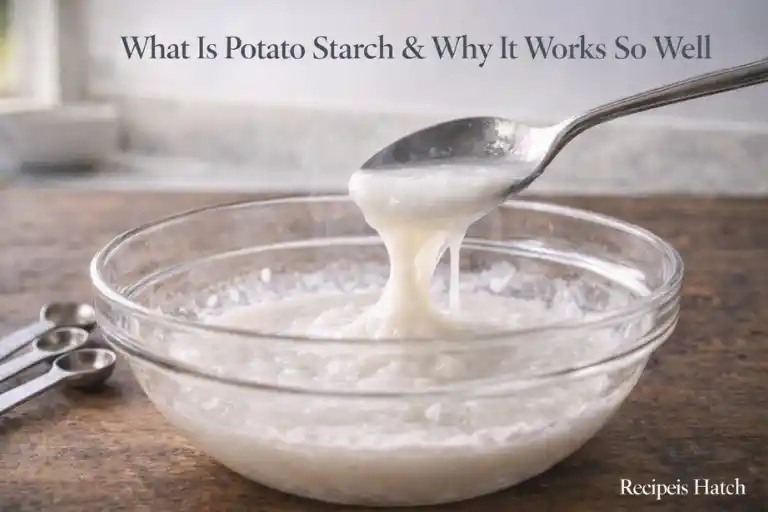
Before choosing the right potato starch substitute, it helps to understand why potato starch works so well in cooking. It is a fine white powder extracted from potatoes. Unlike potato flour, it has a very neutral taste and a high thickening power. That’s why it’s often used in sauces, gravies, baking, and frying. What makes it special is how it reacts to heat and liquid. Let’s break it down in simple terms.
You might also like: 10 Best Coconut Oil Substitutes
How Potato Starch Thickens
When mixed with liquid and heated, potato starch goes through a process called gelatinization. This means the starch granules absorb water, swell up, and thicken the mixture.
Compared to other starches, potato starch thickens at a lower temperature and creates a strong, smooth structure. That’s why 1 tbsp potato starch equals a powerful thickening effect in soups and sauces.
It also thickens quickly, which makes it a reliable thickening agent alternative when you need fast results.
Why It Makes Food Crispy
Potato starch is popular in frying because it absorbs surface moisture and forms a light coating. When exposed to high heat, that coating turns crisp and airy.
This is why it’s often used for fried chicken, tempura, and Asian recipes. It creates a crispy texture without feeling heavy. Not all potato starch substitutes can do this — some make coatings dense instead of crunchy.
Why It Creates a Glossy Finish in Sauces
Another reason it’s valued is its ability to create a clear, glossy finish. Unlike wheat flour, potato starch does not turn sauces cloudy.
That smooth shine makes it ideal for stir-fry sauces, gravies, and clear soups. If you choose the wrong potato starch replacement, your sauce may look dull or thick but not glossy.
Potato Starch vs Other Starches (Quick Comparison)
Here’s how it compares to common alternatives:
- Cornstarch vs potato starch: Cornstarch thickens well but may look slightly cloudy.
- Tapioca starch substitute: Creates chewiness and shine but can feel stretchy.
- Arrowroot substitute: Very glossy and smooth but weaker under long heat.
- Rice flour substitute: Great for crispiness but less powerful for thickening.
Understanding these differences helps you choose the best potato starch substitute for your recipe instead of guessing. When you know how potato starch behaves, replacing it becomes much easier — and your texture stays exactly how you want it.
The 10 Best Potato Starch Substitutes (Detailed Breakdown)
Choosing the best potato starch substitute depends on your recipe, texture goal, and diet needs. Below is a complete breakdown of each substitute for potato starch, including the exact substitute ratio, texture results, and when to avoid it.
Cornstarch
Exact ratio: 1:1 (1 tbsp potato starch equals 1 tbsp cornstarch)
Thickening power: Very similar, slightly less strong
Best for: Sauces, gravies, soups, stir-fry
Texture result: Smooth, slightly glossy
Diet compatibility: Gluten-free | Keto | Paleo
When NOT to use: Long simmering (can break down over time)
Pro tip: Always mix with cold water first to prevent clumping.
Cornstarch is the most common potato starch replacement and works well in most recipes.
Tapioca Starch
Exact ratio: 2 tbsp for 1 tbsp potato starch
Thickening power: Slightly lighter
Best for: Baking, pie fillings, gluten-free bread
Texture result: Chewy, glossy
Diet compatibility: Gluten-free | Keto | Paleo
When NOT to use: Recipes needing crisp dry coating
Pro tip: Great for stretch and structure in gluten-free baking.
A reliable tapioca starch substitute when you need flexibility and shine.
Arrowroot Powder
Exact ratio: 1:1
Thickening power: Mild to moderate
Best for: Clear sauces, gravies, stir-fry
Texture result: Very glossy, smooth
Diet compatibility: Gluten-free | Keto | Paleo
When NOT to use: High dairy recipes (can become slimy)
Pro tip: Add at the end of cooking for best results.
Arrowroot is one of the cleanest thickening agent alternatives.
Rice Flour
Exact ratio: 1.5 tbsp for 1 tbsp potato starch
Thickening power: Lower
Best for: Frying, crispy coating
Texture result: Light, crispy
Diet compatibility: Gluten-free | Keto | Paleo
When NOT to use: Thick sauces
Pro tip: Mix with cornstarch for extra crispiness.
Excellent substitute for potato starch in fried chicken and tempura.
Potato Flour
Exact ratio: 1:1 (reduce liquid slightly)
Thickening power: Stronger, absorbs more liquid
Best for: Bread, baking
Texture result: Dense, earthy
Diet compatibility: Gluten-free | Keto | Paleo
When NOT to use: Clear sauces (adds flavor and color)
Pro tip: Don’t confuse potato flour vs potato starch — they behave differently.
Coconut Flour
Exact ratio: 2–3 tbsp (reduce liquid carefully)
Thickening power: Very absorbent
Best for: Low-carb baking
Texture result: Dense, slightly dry
Diet compatibility: Gluten-free | Keto | Paleo
When NOT to use: Sauces or gravies
Pro tip: Increase eggs or liquid in baking recipes.
A useful keto substitute for potato starch in baked goods.
Xanthan Gum
Exact ratio: ¼ tsp for 1 tbsp potato starch
Thickening power: Extremely strong
Best for: Keto sauces, gluten-free baking
Texture result: Thick, stable
Diet compatibility: Gluten-free | Keto | Paleo
When NOT to use: Frying (won’t crisp)
Pro tip: Add slowly — too much makes sauces gluey.
One of the best low-carb thickener alternatives.
Guar Gum
Exact ratio: ¼ tsp for 1 tbsp
Thickening power: Very strong
Best for: Cold sauces, dressings
Texture result: Very thick
Diet compatibility: Gluten-free | Keto | Paleo
When NOT to use: High-heat frying
Pro tip: Whisk well to avoid lumps.
Strong option for keto and specialty diets.
Psyllium Husk
Exact ratio: ½ tsp for 1 tbsp
Thickening power: Strong but fiber-based
Best for: Gluten-free bread
Texture result: Slightly dense, structured
Diet compatibility: Gluten-free | Keto | Paleo
When NOT to use: Clear sauces
Pro tip: Let it sit for a few minutes to fully absorb liquid.
Helpful in diet-focused baking.
Almond Flour
Exact ratio: 2 tbsp for 1 tbsp (only in baking)
Thickening power: Mild
Best for: Low-carb baking
Texture result: Nutty, slightly dense
Diet compatibility: Gluten-free | Keto | Paleo
When NOT to use: Sauces or soups
Pro tip: Combine with xanthan gum for better structure.
A diet-friendly potato starch substitute for keto recipes.
Best Substitute Based on Cooking Method
Not every potato starch substitute works the same way. The best choice depends on how you’re using it. Below is a simple method-based guide to help you choose the best potato starch substitute for your specific recipe.
Best for Frying (Crispy Coating)
If your goal is a light, crunchy coating, rice flour is one of the best options. It creates a thin layer that turns crispy without becoming heavy.
Cornstarch also works well as a 1:1 potato starch replacement and gives a golden finish.
Best choices: Rice flour, cornstarch
Texture result: Light, crispy
Avoid: Xanthan gum or coconut flour (they won’t crisp properly)
For fried chicken or seafood, this is the most reliable substitute for potato starch.
Best for Baking (Gluten-Free & Structure)
In baking, structure matters more than crispiness. Tapioca starch is excellent because it adds stretch and softness. It works especially well in gluten-free bread.
For keto baking, xanthan gum or psyllium husk provides binding power.
Best choices: Tapioca starch, potato flour
Keto option: Xanthan gum
Avoid: Rice flour alone (may turn dry)
This ensures your potato starch replacement supports texture and structure.
Best for Sauces & Gravies
For smooth and glossy sauces, arrowroot powder is often the best choice. It keeps sauces clear and shiny. Cornstarch is another strong option because 1 tbsp potato starch equals 1 tbsp cornstarch in most gravy recipes.
Best choices: Arrowroot, cornstarch
Texture result: Glossy, smooth
Avoid: Almond flour (makes sauces cloudy)
These are the most reliable thickening agent alternatives for gravies.
Best for Soups & Stews
Soups and stews cook longer, so stability matters. Cornstarch works well, but avoid overcooking.
Arrowroot is good for clear soups, but it should be added at the end.
Best choices: Cornstarch, arrowroot
Texture result: Smooth, slightly thick
Avoid: Guar gum in high heat (can become too thick)
Choosing the right substitute ratio prevents soups from becoming gluey.
Best for Tempura & Asian Recipes
For stir-fry sauces and crispy Asian dishes, tapioca starch and rice flour are excellent. They mimic the light texture of potato starch very closely.
Best choices: Tapioca starch, rice flour
Texture result: Light, crisp, glossy in sauces
Avoid: Coconut flour (too dense)
These options are ideal if you need a potato starch substitute for tempura or stir-fry.
Best for Pie Fillings & Custards
Pie fillings need stable thickening without turning cloudy. Tapioca starch works beautifully and creates a glossy finish.
For custards, cornstarch is usually the safest 1:1 replacement guide option.
Best choices: Tapioca starch, cornstarch
Texture result: Smooth, glossy
Avoid: Psyllium husk (too thick and grainy)
By choosing your potato starch replacement based on cooking method, you avoid texture problems and get better results every time.
Substituting Potato Starch in Specific Recipes
Sometimes you don’t just need a general potato starch substitute — you need the right one for a specific dish. Below is a recipe-focused guide to help you choose the best substitute for potato starch without ruining texture or flavor.
For Fried Chicken
For crispy fried chicken, texture is everything. The best choice is rice flour or cornstarch as a 1:1 potato starch replacement.
Rice flour creates a light, airy crust, while cornstarch gives a golden, crunchy coating.
Best option: Rice flour (extra crisp)
Easy swap: Cornstarch (1 tbsp potato starch equals 1 tbsp cornstarch)
Avoid: Xanthan gum or coconut flour (won’t crisp properly)
This works perfectly when you need a potato starch substitute for frying.
For Stir-Fry Sauce
Stir-fry sauces need a glossy, smooth finish. Arrowroot powder or cornstarch are the safest options.
Arrowroot keeps the sauce clear and shiny, while cornstarch thickens quickly.
Best option: Arrowroot (1:1 ratio)
Budget-friendly: Cornstarch (1:1)
Avoid: Almond flour (makes sauce cloudy)
These are ideal thickening agent alternatives for quick Asian-style sauces.
For Gluten-Free Bread
In gluten-free baking, structure matters. Tapioca starch is one of the best choices because it adds stretch and softness.
If you need extra binding power, combine it with a small amount of xanthan gum.
Best option: Tapioca starch (2 tbsp for 1 tbsp potato starch)
Structure boost: Add xanthan gum
Avoid: Rice flour alone (can become dry)
This makes tapioca a reliable potato starch replacement for bread recipes.
For Gravy
Gravy needs smooth thickening without lumps. Cornstarch works perfectly as a 1:1 replacement guide option.
For a clearer finish, choose arrowroot powder instead.
Best option: Cornstarch (1:1)
Glossy option: Arrowroot (1:1)
Avoid: Coconut flour (too absorbent)
This ensures your substitute ratio stays balanced and your gravy remains smooth.
For Custard
Custard requires gentle thickening and stability. Cornstarch is the safest choice because it thickens evenly without changing flavor.
Best option: Cornstarch (1:1)
Alternative: Tapioca starch (slightly chewy texture)
Avoid: Guar gum or psyllium husk (too thick and gummy)
For delicate desserts, cornstarch is the most reliable substitute for potato starch.
For Korean or Chinese Recipes
Many Korean and Chinese dishes use potato starch for crisp coatings and glossy sauces. Tapioca starch and rice flour are excellent replacements.
Best option: Tapioca starch (close texture match)
Crisp coating: Rice flour
Sauce thickener: Arrowroot (added at the end)
Avoid: Coconut flour (changes flavor and texture)
These options work well when you need a potato starch substitute for Asian recipes without losing authenticity.
Diet-Based Potato Starch Alternatives
If you follow a specific diet, choosing the right potato starch substitute becomes even more important. Some starches are high in carbs, while others are better for keto, paleo, or low-sugar lifestyles. Below is a simple breakdown to help you pick the best option without guessing.
Keto-Friendly Substitutes
On a keto diet, regular starches like cornstarch and tapioca are too high in carbs. Instead, choose xanthan gum or guar gum.
Because they are very strong, you only need a small amount — usually ¼ teaspoon for every 1 tablespoon of potato starch.
Best keto option: Xanthan gum
Also works: Guar gum
Avoid: Cornstarch, tapioca starch
These are the safest low-carb thickener alternatives for sauces and soups.
Paleo Alternatives
For paleo cooking, avoid processed gums. The best paleo substitute for potato starch is arrowroot powder or tapioca starch.
Both are grain-free and work well in baking and sauces.
Best paleo choice: Arrowroot (1:1 ratio)
Baking option: Tapioca starch
Avoid: Xanthan gum (processed ingredient)
These options keep recipes clean and natural.
Whole30 Options
Whole30 guidelines are strict. The most accepted Whole30 potato starch substitute is arrowroot powder.
It thickens sauces and gravies without added additives.
Best choice: Arrowroot (1:1 replacement guide)
Avoid: Cornstarch and processed gums
Always check updated Whole30 rules, but arrowroot is usually the safest pick.
Low-Carb Thickeners
If your goal is simply to reduce carbs, xanthan gum, guar gum, or almond flour can work depending on the recipe.
Sauces: Xanthan gum (very small amount)
Baking: Almond flour (adjust liquid)
Avoid: Rice flour or tapioca starch
These options give you a workable potato starch replacement without spiking carbs.
Diabetic-Friendly Alternatives
For blood sugar control, avoid high-glycemic starches like tapioca and cornstarch. Instead, choose xanthan gum, guar gum, or small amounts of almond flour.
Best option: Xanthan gum (strong thickening power)
Baking option: Almond flour
Avoid: Tapioca starch
These are safer substitute ratios for anyone watching glucose levels.
Potato Starch vs Potato Flour
Many people confuse potato starch with potato flour, but they are not the same. If you use the wrong one, your recipe can turn dense, cloudy, or overly thick. Understanding the difference helps you choose the right potato starch substitute and avoid texture mistakes.
Texture Difference
Potato starch is light and silky. It thickens quickly and creates a smooth, glossy finish in sauces. Potato flour, on the other hand, is heavier because it’s made from whole dried potatoes. It adds body and can make baked goods dense. If you use potato flour instead of starch in gravy, the texture may become thick and slightly grainy.
Flavor Difference
Potato starch has a neutral taste. It does not change the flavor of sauces or soups.
Potato flour has a mild potato flavor. In bread, that flavor can be pleasant. In clear sauces, it may taste slightly earthy. This is why potato flour is not always the best substitute for potato starch in delicate recipes.
Liquid Absorption
This is a major difference.
Potato flour absorbs more liquid than potato starch. If you replace starch with flour using a 1:1 ratio, your mixture may become too thick. When adjusting a substitute ratio, reduce liquid slightly if using potato flour.
Are They Interchangeable?
Sometimes — but only in certain recipes.
In bread or baked goods → You can sometimes swap carefully.
In clear sauces or gravies → Not recommended.
In frying → Potato flour won’t create the same crisp coating.
They are not a perfect 1:1 replacement guide match.
Quick Comparison Table
| Feature | Potato Starch | Potato Flour |
| Texture | Light, silky | Dense, heavy |
| Flavor | Neutral | Mild potato taste |
| Thickening Power | Strong | Strong but heavier |
| Liquid Absorption | Moderate | High |
| Best For | Sauces, frying | Bread, baking |
| Gluten-Free | ✔ Yes | ✔ Yes |
Understanding potato flour vs potato starch prevents common cooking mistakes and helps you choose the best potato starch replacement for your recipe.
Understanding Starch Behavior in Cooking
To choose the best potato starch substitute, you need to understand how different starches behave under heat. This is where many guides stop — but knowing a little food science helps you avoid texture mistakes, cloudy sauces, or broken gravies.
Here’s what really happens when you use a potato starch replacement.
Gelatinization Temperature Comparison
When starch is heated with liquid, it thickens through gelatinization. But not all starches activate at the same temperature.
- Potato starch thickens at a lower temperature and works quickly.
- Cornstarch needs slightly higher heat.
- Arrowroot powder thickens gently but can weaken if overheated.
- Tapioca starch thickens well but becomes stretchy.
This is why 1 tbsp potato starch equals 1 tbsp cornstarch in many recipes — but the timing may differ. Understanding this helps you apply the right substitute ratio without overcooking.
Glossy vs Opaque Finish
Some starches create a shiny sauce, while others look cloudy.
- Potato starch and arrowroot → Clear, glossy finish
- Cornstarch → Slightly cloudy
- Flour-based substitutes → Opaque and dull
If you want a restaurant-style stir-fry glaze, choose a glossy thickening agent alternative like arrowroot.
Why Some Substitutes Turn Cloudy
Cloudiness happens when starch particles break unevenly or when flour proteins mix into the sauce.
For example:
- Wheat flour always looks opaque.
- Cornstarch can become cloudy if overcooked.
- Almond flour thickens but changes appearance completely.
Choosing the correct potato starch substitute prevents this problem, especially in clear soups or Asian sauces.
Freeze-Thaw Stability Differences
Not all starches handle freezing well.
- Potato starch holds up fairly well.
- Cornstarch can separate after freezing.
- Arrowroot may break down in long storage.
- Xanthan gum stays stable even after thawing.
If you’re making freezer-friendly soups or gravies, choose a stable potato starch replacement to avoid watery separation later.
Why Some Substitutes Break When Overheated
Overheating can destroy the thickening structure.
- Arrowroot weakens with high heat.
- Cornstarch loses power if boiled too long.
- Xanthan gum stays stable but becomes slimy if overused.
That’s why knowing how starch behaves is just as important as choosing the right substitute for potato starch.
Shelf Life & Storage Differences
When choosing a potato starch substitute, most people focus on texture and ratio — but storage matters too. Some starches absorb moisture quickly, some clump over time, and others lose thickening power if not stored properly. Understanding shelf life helps you protect your potato starch replacement and keep it effective.
Which Substitutes Absorb Moisture Easily
Some powders are highly absorbent:
- Coconut flour absorbs moisture very quickly.
- Potato flour also pulls in humidity from the air.
- Psyllium husk thickens even from slight moisture exposure.
These should always be stored in an airtight container. If exposed to humidity, your substitute ratio may change because the powder becomes partially activated.
Which Substitutes Clump Over Time
Clumping happens when starch particles absorb small amounts of water.
- Cornstarch can clump in humid kitchens.
- Arrowroot powder may harden if not sealed tightly.
- Tapioca starch usually stays loose but can form small lumps.
To prevent clumping, keep containers sealed and store in a cool, dry place. Clumped starch may not mix smoothly, affecting your thickening agent alternative performance.
Storage Impact on Thickening Power
Improper storage can weaken thickening strength.
- Starches exposed to moisture may thicken unevenly.
- High heat storage can reduce stability over time.
- Open containers can absorb odors and affect flavor.
For best results, always check texture before using a potato starch substitute in sauces or gravies.
Pantry Stability Comparison
Here’s a simple stability overview:
| Substitute | Moisture Sensitive | Clumps Easily | Long Shelf Life |
| Cornstarch | Moderate | Yes | ✔ Yes |
| Tapioca Starch | Low | Rarely | ✔ Yes |
| Arrowroot Powder | Moderate | Yes | ✔ Yes |
| Coconut Flour | High | Yes | Moderate |
| Xanthan Gum | Low | Rarely | ✔ Very Stable |
| Guar Gum | Moderate | Possible | ✔ Stable |
In general, xanthan gum and tapioca starch are among the most pantry-stable options, while coconut flour and potato flour require more care.
Common Mistakes When Replacing Potato Starch
Even the best potato starch substitute can fail if used incorrectly. Many texture problems come from small mistakes that are easy to avoid. Here are the most common ones — and how to fix them.
Using the Wrong Ratio
Not all substitutes work in a perfect 1:1 replacement guide.
While 1 tbsp potato starch equals 1 tbsp cornstarch, that same ratio does NOT apply to xanthan gum or coconut flour. Using too much can make sauces gluey or baked goods dense.
Always check the correct substitute ratio
Start small and adjust gradually
This simple step prevents over-thickening.
Adding Directly to Hot Liquid
Adding dry starch straight into hot soup or gravy causes lumps.
Always mix your potato starch replacement with cold water first to create a slurry. Then slowly stir it into the hot liquid.
Mix with cold water
Stir continuously
This ensures smooth thickening.
Over-Thickening
Some substitutes, especially xanthan gum and guar gum, are very powerful. Using too much can turn sauces into a sticky paste.
Add small amounts at a time
Allow it to fully thicken before adding more
Less is often more when using strong low-carb thickener alternatives.
Using Flour in a Gluten-Free Recipe
Wheat flour is not a proper substitute for potato starch in gluten-free cooking. It changes texture and adds gluten.
Use tapioca starch or arrowroot instead
Avoid regular flour if the recipe must stay gluten-free
Choosing the wrong thickener can completely change the result.
Not Adjusting Liquid Content
Some options like coconut flour and potato flour absorb more liquid than starch. If you don’t reduce or increase liquid accordingly, the recipe may turn dry or overly thick.
Reduce liquid slightly when using absorbent substitutes
Test texture before final cooking
Adjusting liquid ensures your potato starch replacement performs properly.
Troubleshooting Guide
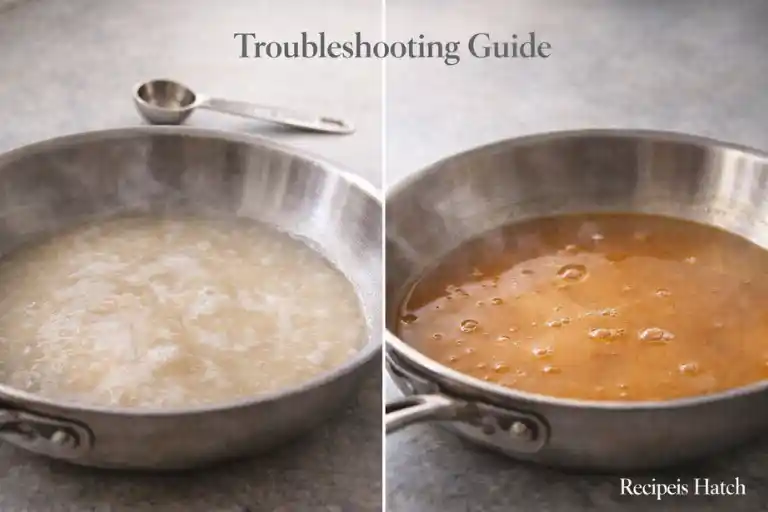
Even when you use the right potato starch substitute, things can still go wrong. Texture problems usually come from heat, ratio mistakes, or the wrong thickener for the job. Below is a simple troubleshooting guide to help you fix common issues when using a potato starch replacement.
Why Your Sauce Turned Gluey
A gluey sauce usually means you used too much thickener or overheated it.
- Using too much xanthan gum or guar gum
- Not following the correct substitute ratio
- Boiling cornstarch for too long
Solution: Use less thickener next time and add gradually.
Always follow a proper 1:1 replacement guide where appropriate.
Remember, some substitutes are stronger than others.
Why Your Coating Wasn’t Crispy
If your fried coating came out soft, the substitute may not handle high heat well.
- Coconut flour absorbs oil and stays soft
- Xanthan gum does not crisp
- Too much moisture in the batter
Best fix: Use rice flour or cornstarch for frying.
Pat food dry before coating.
For crispy results, choose a substitute for potato starch designed for high heat.
Why Your Sauce Became Cloudy
Cloudiness happens when the wrong thickener is used.
- Wheat flour always turns sauces opaque
- Cornstarch can become cloudy if overcooked
- Almond flour changes color and texture
Best solution: Use arrowroot powder for clear sauces.
Avoid overboiling after thickening.
A glossy finish requires the right thickening agent alternative.
Why It Separated After Freezing
Some starches don’t handle freezing well.
- Cornstarch may break down after thawing
- Arrowroot can lose structure
- Too much liquid during reheating
Better option: Use xanthan gum for freeze-stable sauces.
Reheat gently and stir slowly.
Choosing the correct potato starch substitute makes freezer meals more stable.
Why It Tastes Gritty
A gritty texture often means:
- The substitute wasn’t fully dissolved
- Too much flour-based thickener was added
- Psyllium husk wasn’t allowed to hydrate
Always mix starch with cold liquid first.
Let fiber-based substitutes sit for a few minutes before cooking.
Using the correct substitute ratio and proper mixing prevents this issue.
When You Should NOT Substitute Potato Starch
While there are many great potato starch substitutes, there are situations where replacing it can ruin texture or structure. Being honest about these limits builds trust — and helps you avoid costly mistakes.
Here are the cases where a potato starch replacement may not work well.
Delicate Custards
Custards require gentle, stable thickening. Some substitutes like arrowroot can break down under long heat, while xanthan gum may create a slimy texture.
Best choice: Stick with cornstarch if possible.
Avoid strong gums or flour-based options.
If texture is critical, not every substitute for potato starch will behave the same way.
Certain Gluten-Free Breads
In gluten-free baking, starch plays a structural role. Swapping potato starch with a random flour can make bread dense or dry.
For example:
- Rice flour alone can create a crumbly loaf.
- Coconut flour absorbs too much liquid.
Some recipes are carefully balanced, so changing the substitute ratio may damage structure.
Clear Sauces
If you want a glossy, transparent sauce, avoid substitutes that turn cloudy.
- Wheat flour → Opaque finish
- Almond flour → Changes color
- Cornstarch (overcooked) → Slight cloudiness
In these cases, arrowroot is often the safest potato starch substitute. If you don’t have it, the visual result may change.
Freeze-Thaw Sensitive Recipes
Some starches break down after freezing.
- Cornstarch can separate
- Arrowroot may lose thickening strength
- Tapioca can become watery
If your recipe must be frozen and reheated, choose a stable thickening agent alternative like xanthan gum — or keep the original starch if possible.
FAQs About Potato Starch Substitutes
Can I use cornstarch instead of potato starch?
Yes, cornstarch is one of the most common potato starch substitutes. In most recipes, you can use it as a 1:1 replacement, meaning 1 tablespoon potato starch equals 1 tablespoon cornstarch. It works well for sauces, gravies, and soups, but may become slightly cloudy if overcooked.
Is tapioca starch the same as potato starch?
No, tapioca starch and potato starch are different. Tapioca comes from cassava root and creates a more chewy texture. While it can work as a potato starch replacement, you often need slightly more — about 2 tablespoons tapioca for 1 tablespoon potato starch.
Which substitute makes food crispy?
For crispiness, rice flour and cornstarch are the best options. They create a light, crunchy coating when frying. If you need a substitute for potato starch in fried chicken or tempura, rice flour is especially effective for achieving that crispy texture.
What is the healthiest substitute?
The healthiest potato starch substitute depends on your diet. For low-carb or keto, xanthan gum is a strong, low-carb thickener. For paleo or Whole30, arrowroot powder is a cleaner option. Choose based on your nutrition goals and recipe needs.
Can I freeze sauces thickened with substitutes?
Some sauces freeze well, but not all starches are stable. Cornstarch and arrowroot may separate after thawing. For better freeze-thaw stability, small amounts of xanthan gum work better as a long-term thickening agent alternative.
How much cornstarch equals 1 tablespoon potato starch?
In most cases, 1 tablespoon potato starch equals 1 tablespoon cornstarch. This makes cornstarch one of the easiest substitute ratios to remember. However, avoid boiling it too long, as it can lose thickening strength over time.
Why did my sauce turn cloudy?
A cloudy sauce usually happens when using flour-based thickeners or overcooking cornstarch. If you want a clear, glossy finish, choose arrowroot powder as your potato starch substitute and avoid prolonged high heat after thickening.
Final Decision
If you’re short on time and just need a fast answer, this quick guide will help you choose the best potato starch substitute based on your situation. Instead of guessing the right potato starch replacement, use this simple matrix.
| Situation | Best Substitute | Why It Works |
| Emergency replacement | Cornstarch | Easy 1:1 swap — 1 tbsp potato starch equals 1 tbsp cornstarch |
| Crispiest coating | Rice flour | Creates light, crunchy texture for frying |
| Best gluten-free option | Tapioca starch | Adds stretch and structure in baking |
| Best keto option | Xanthan gum | Very strong low-carb thickener (use small amount) |
| Best for gravy | Arrowroot powder | Smooth, glossy finish without cloudiness |
| Best for stir-fry | Tapioca starch | Mimics shine and texture in Asian sauces |
Quick Reminder
- For sauces and gravies → Choose glossy thickeners like arrowroot.
- For frying → Pick dry starches like rice flour.
- For low-carb recipes → Use powerful gums in small amounts.
This quick-pick guide helps you confidently select the right substitute for potato starch without reading the entire article again — saving time while keeping your recipe on track.