
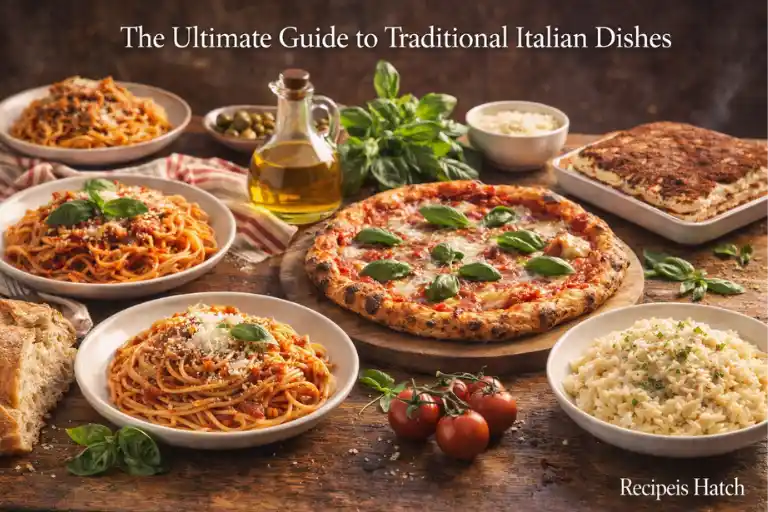
When we talk about traditional Italian dishes, we mean recipes that have been passed down for generations. These are not modern twists or restaurant inventions. They are part of Italy’s culinary heritage and reflect deep regional Italian cuisine traditions. In Italy, food is strongly connected to place. A dish from Rome will taste different from one in Sicily because each region uses local ingredients and old family methods.
Many authentic Italian dishes are protected by strict food rules like DOP and PDO certifications, which protect regional identity and quality. Traditional cooking also follows the idea of simplicity—fresh ingredients, seasonal produce, and minimal changes. This is why classic Italian food feels honest and balanced. Whether it’s rustic peasant meals from cucina povera or famous regional specialties, true tradition always respects history, locality, and authentic preparation methods.
What Makes a Dish Truly “Traditional” in Italy?
A dish becomes part of traditional Italian cuisine when it is built on generational recipes and strong regional identity. In Italy, families protect their cooking methods for decades, sometimes centuries. These recipes are not random trends; they represent true Italian culinary heritage. Many authentic Italian dishes are protected by DOP and PDO certifications, which guarantee origin and quality. This protects famous regional Italian dishes like Parmigiano Reggiano or San Marzano tomatoes.
Another key factor is non-modified authenticity. Traditional recipes are rarely changed to fit trends. Italians respect original methods, cooking times, and ingredient ratios. There is also strong local ingredient loyalty. Northern Italy uses butter and rice, while Southern Italy focuses on olive oil and tomatoes. This deep connection between land and plate is what makes classic Italian food truly traditional.
A Brief History of Traditional Italian Cuisine
The story of traditional Italian dishes begins with Ancient Roman food culture, where bread, olives, wine, and grains were daily staples. During the Medieval and Renaissance periods, noble kitchens added refinement, spices, and structured meals. But the heart of authentic Italian cuisine came from cucina povera — simple peasant cooking that transformed humble ingredients into flavorful meals.
After World War II, Italy rebuilt its food identity around regional pride and simplicity. Later, the Slow Food movement protected local recipes and traditional farming. This history explains why regional Italian cuisine is so diverse today and why many dishes remain naturally simple, balanced, and deeply connected to place.
The Philosophy Behind Traditional Italian Cooking
The foundation of traditional Italian cooking is simplicity over complexity. Most classic Italian foods use only a few ingredients, but each one is high quality. There is strong focus on ingredient purity, meaning fresh tomatoes, real olive oil, and authentic cheeses.
Seasonality is also essential. Italians cook what is available locally at that time of year. This creates natural variety in regional Italian dishes. Above all, there is deep respect for local produce. Food is not just fuel — it is culture, history, and family tradition. That is why authentic Italian dishes remain timeless and loved around the world.
From Antipasti to Dolce – Understanding the Italian Meal Format
To truly understand traditional Italian dishes, you must understand how a meal is structured in Italy. Unlike many countries, authentic Italian cuisine follows a natural flow from start to finish.
A traditional meal begins with antipasti, small starters like olives, cured meats, or bruschetta. Next comes the primi, usually pasta, risotto, or soup. These are not side dishes — they are central to classic Italian food culture. After that comes the secondi, which includes meat or seafood dishes such as ossobuco or grilled fish.
Alongside the main course, you’ll find contorni, simple vegetable sides prepared with seasonal ingredients. Then comes dolce, traditional desserts like tiramisu or panna cotta.
Finally, there is the beloved aperitivo culture, where drinks and small bites bring people together. This structured format reflects the deep traditions of regional Italian cuisine and the social nature of Italian dining.
Traditional Italian Dishes from Northern Italy
You might also like: How To Make Black Garlic Pasta
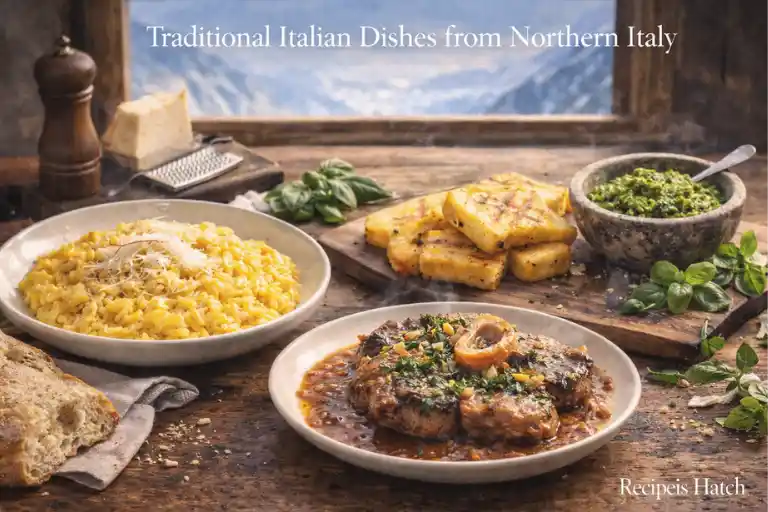
Northern Italy has a very different food identity compared to the South. Here, butter, rice, and alpine influence shape many traditional Italian dishes. The cooler climate creates heavier dishes that feel rich and comforting. One of the most famous regional Italian dishes is Risotto alla Milanese, made with saffron and creamy rice. Polenta is another classic staple, often served with meat or cheese.
Ossobuco, a slow-braised veal dish, reflects the deep flavors of Northern cooking. From Liguria, we get Pesto Genovese, made with fresh basil and olive oil. In Piedmont, Bagna Cauda shows the region’s love for bold flavors. These dishes highlight how authentic Italian cuisine changes from region to region while staying true to local ingredients.
Traditional Dishes from Central Italy
Central Italy, especially Rome and Tuscany, is known for rustic simplicity and bold flavors. Many classic Italian foods here come from humble roots but are full of character. Rome gave the world Carbonara, Amatriciana, and Cacio e Pepe — pasta dishes built on just a few high-quality ingredients.
Tuscany is famous for Ribollita, a hearty vegetable soup from cucina povera. Another beloved dish is Porchetta, slow-roasted pork seasoned with herbs. These traditional Italian dishes show how Central Italy values simplicity, balance, and strong regional identity.
Traditional Southern Italian Dishes
Southern Italy is the heart of Mediterranean flavor. Here, olive oil dominance replaces butter, and fresh vegetables, seafood, and tomatoes define authentic Italian dishes. Pizza Napoletana from Naples is one of the most famous traditional Italian dishes in the world. Parmigiana di Melanzane highlights the region’s love for eggplant and tomato sauce.
Orecchiette, shaped like small ears, is a regional pasta favorite. Pasta e Fagioli reflects rustic Southern cooking, while Caponata adds sweet and sour Sicilian flair. Southern cuisine celebrates sunlight, freshness, and strong Mediterranean roots.
Sicilian & Sardinian Specialties
Italy’s islands bring unique cultural layers to regional Italian cuisine. Sicily shows clear Arab and North African influences, while Sardinia has its own strong island identity. In Sicily, Arancini (stuffed rice balls) are popular street food. Pasta alla Norma combines eggplant and tomato in a classic way. For dessert, Cassata reflects rich cultural history.
Panelle, made from chickpea flour, show naturally plant-based tradition. In Sardinia, Malloreddus pasta represents local heritage. These island specialties prove that traditional Italian dishes are deeply shaped by geography and history.
Traditional Pasta Classics
When people think of traditional Italian dishes, pasta is often the first image that comes to mind. But each pasta tells a regional story. Carbonara from Rome is built on eggs, pecorino, and guanciale — simple yet rich. Lasagna, especially from Emilia-Romagna, layers pasta with ragù and béchamel for deep flavor.
In Southern Italy, Orecchiette pairs beautifully with vegetables and olive oil. Sicily offers Pasta alla Norma, combining eggplant and tomato in true Mediterranean style. Meanwhile, Amatriciana delivers bold flavors from cured pork and tomato sauce.
These classic Italian foods show how pasta reflects both regional Italian cuisine and authentic preparation methods.
Rice & Grain Traditions
Not all authentic Italian cuisine is about pasta. In Northern Italy, Risotto is a symbol of creamy comfort, cooked slowly to achieve perfect texture. Polenta, made from cornmeal, has been a staple for centuries and represents rustic Alpine cooking.
Farinata, made from chickpea flour, highlights naturally plant-based traditions. These grain-based traditional Italian dishes prove that Italian food culture is diverse and deeply connected to local agriculture.
Meat & Seafood Specialties
Italy’s geography allows both land and sea to shape its regional Italian dishes. Ossobuco reflects Northern Italy’s love for slow-cooked meat. Porchetta, seasoned and roasted pork, is popular in Central Italy.
Coastal areas bring seafood into focus. Baccalà (salt cod) has been prepared for centuries, while Branzino, grilled simply with herbs and olive oil, shows the beauty of ingredient purity. These dishes highlight balance, quality, and tradition.
Street Food & Rustic Favorites
Street food plays a key role in traditional Italian cuisine. Arancini, crispy rice balls from Sicily, are loved across the country. Panelle, made from chickpea flour, reflect simple peasant roots. Of course, Pizza Napoletana stands as one of the most famous authentic Italian dishes, prepared with minimal but high-quality ingredients. These rustic favorites show how everyday meals can become cultural icons.
Traditional Italian Desserts
No exploration of classic Italian food is complete without dessert. Tiramisu offers layered sweetness with coffee and mascarpone. Cannoli, filled with creamy ricotta, are a Sicilian treasure. Cassata blends cake and rich flavors shaped by island history. Finally, Panna Cotta represents simplicity and elegance. These desserts reflect the sweet side of traditional Italian dishes, where balance and quality always come first.
NATURALLY VEGAN TRADITIONAL ITALIAN DISHES
One surprising fact about traditional Italian dishes is that many are naturally plant-based. Long before the word “vegan” became popular, Italian families were cooking simple meals using vegetables, legumes, grains, and olive oil. These dishes come from cucina povera, where humble ingredients created rich flavor. The beauty of authentic Italian cuisine is that no modern substitution is required — the recipes were already dairy-free or meat-free by tradition.
Pasta e Ceci, made with chickpeas and pasta, is a comforting classic found in several regions. Ribollita, a Tuscan vegetable soup, highlights seasonal produce and rustic simplicity. Pizza Marinara proves that one of the most famous traditional Italian dishes needs only tomato, garlic, and olive oil.
In Sicily, Caponata blends eggplant with sweet and sour notes, while Farinata, made from chickpea flour, reflects regional Italian grain traditions. These dishes show that plant-based eating has always been part of Italy’s culinary heritage.
INGREDIENTS THAT DEFINE AUTHENTIC ITALIAN CUISINE
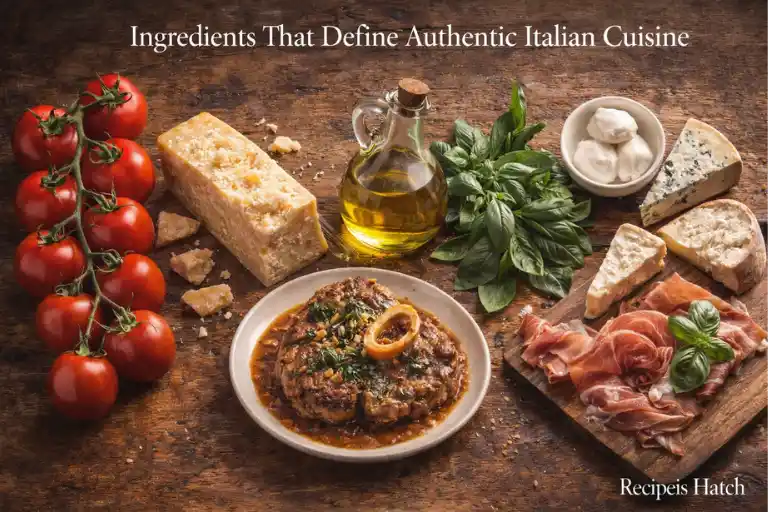
The heart of traditional Italian dishes is not complicated cooking — it is high-quality ingredients. In authentic Italian cuisine, each ingredient plays a major role, and nothing is added without purpose. San Marzano tomatoes, grown in volcanic soil near Naples, are known for their natural sweetness and low acidity. They are essential in many classic Italian foods, especially pizza and pasta sauces. Parmigiano Reggiano, protected by strict DOP rules, adds deep flavor and reflects Italy’s commitment to quality.
Another key element is extra virgin olive oil, especially in Southern regional Italian cuisine, where it replaces butter. Fresh basil brings aroma and balance to sauces like pesto. Italy is also famous for its regional cheeses, such as Pecorino and Gorgonzola. Finally, traditional cured meats like prosciutto and guanciale complete many iconic recipes. These ingredients define the true taste of Italy and protect its culinary heritage.
TRADITIONAL ITALIAN VS ITALIAN-AMERICAN FOOD
Many people think they know traditional Italian dishes, but much of what is popular abroad is actually Italian-American food. Over time, immigrants adapted recipes using local ingredients, creating new versions that are now common worldwide.
For example, Spaghetti & meatballs is often seen as a classic Italian meal. In reality, meatballs in Italy are usually served on their own, not mixed with pasta. The famous Fettuccine Alfredo is another myth. While Alfredo sauce exists in Rome, it is much lighter and does not use heavy cream the way American versions do.
In authentic Italian cuisine, heavy cream usage is rare, especially in traditional pasta recipes. Even garlic bread is not part of classic Italian dining. Another big difference is portion size. In Italy, meals are balanced and served in smaller courses.
Understanding these differences helps protect the identity of true regional Italian cuisine and highlights the authenticity behind classic Italian food traditions.
WHY ITALIAN CUISINE IS SO REGIONALLY DIVERSE
One reason traditional Italian dishes are so unique is Italy’s geography. The country stretches from the Alps in the north to the Mediterranean Sea in the south. This geography impact creates different farming conditions, which shape regional Italian cuisine. Northern regions use butter, rice, and rich meats, while Southern areas depend on olive oil, tomatoes, and seafood.
Another major factor is Italy’s political fragmentation history. For centuries, Italy was divided into small kingdoms and city-states. Each region developed its own food traditions without outside influence. Climate differences also play a role. Cooler areas favor hearty dishes, while warmer coastal regions focus on fresh vegetables and fish.
Finally, trade route influence brought spices, citrus, and new ingredients, especially to Sicily. These layers of history explain why authentic Italian cuisine is so diverse yet deeply rooted in tradition.
TRADITIONAL ITALIAN FOOD FOR SPECIAL OCCASIONS
Food in Italy is more than daily nourishment — it is part of celebration, family, and tradition. Many traditional Italian dishes are closely linked to holidays and special gatherings. These meals reflect deep Italian culinary heritage and strong regional identity.
One of the most important traditions is the Sunday family lunch. Families gather for a long, multi-course meal featuring pasta, roasted meat, fresh bread, and homemade dessert. It is a time to reconnect and preserve authentic Italian cuisine through shared recipes.
During Christmas, regions prepare special dishes such as seafood feasts in the South or rich baked pasta in the North. Easter dishes often include lamb, seasonal vegetables, and traditional breads that symbolize renewal.
Italy also celebrates many local festivals, where festival food traditions highlight specific regional ingredients. These occasions show how classic Italian food is deeply connected to culture, faith, and community — not just the plate.
HOW TO EXPERIENCE TRADITIONAL ITALIAN DISHES AUTHENTICALLY
To truly enjoy traditional Italian dishes, you need more than just a restaurant reservation — you need the right experience. The best way to taste authentic Italian cuisine is by eating at small trattorias. These family-run places focus on local recipes and regional ingredients, not international menus.
It is also wise to avoid tourist menus, especially in crowded city centers. Restaurants that offer too many global options often move away from true regional Italian cuisine. Instead, choose places where the menu changes daily based on fresh ingredients.
Another important tip is to visit local markets. Markets reveal what locals eat and which ingredients define each region. Following seasonal eating will help you understand why certain classic Italian foods taste better at specific times of the year.
Finally, explore different regions. Each area offers unique dishes shaped by geography and history. This approach ensures you experience Italy’s culinary heritage in its most authentic form.
FAQs About Traditional Italian Dishes
What is the most traditional Italian dish?
There is no single official answer because traditional Italian dishes vary by region. However, many people consider Pasta alla Carbonara, Risotto, or Pizza Napoletana among the most iconic examples of authentic Italian cuisine. Each region proudly claims its own classics.
What food is Italy famous for?
Italy is famous for pizza, pasta, risotto, gelato, and tiramisu. These classic Italian foods have become popular worldwide, but their original versions follow strict regional traditions and simple, high-quality ingredients.
Are all Italian dishes pasta?
No, not at all. While pasta is central to regional Italian cuisine, many traditional Italian dishes include rice, polenta, seafood, meat, vegetables, and soups. Italian cooking is far more diverse than just pasta.
Are traditional Italian dishes healthy?
Yes, many are considered healthy because they focus on fresh vegetables, olive oil, legumes, and seasonal ingredients. The Mediterranean style of eating supports balance and portion control.
Which traditional Italian dishes are vegan?
Several dishes are naturally plant-based, including Pasta e Ceci, Ribollita, Pizza Marinara, Caponata, and Farinata. These recipes come from cucina povera and require no modern substitutions.
What is Italy’s national dish?
Italy does not officially have one national dish. Because of strong regional identity, dishes like Pizza Napoletana or Pasta are often seen as national symbols, but every region values its own specialties.
CONCLUSION
Traditional Italian dishes are more than famous recipes — they are a living part of Italy’s history, family life, and regional pride. From the rich risottos of the North to the olive oil–based flavors of the South, every plate reflects the land, climate, and culture that shaped it. This deep regional richness is what makes authentic Italian cuisine so unique and respected around the world.
Italian food is not built on heavy sauces or complicated steps. It is built on simplicity, quality ingredients, and generational recipes passed down with care. Each region protects its identity, creating a culinary map filled with diversity and tradition.
If you truly want to understand classic Italian food, explore beyond the tourist menu. Visit local markets, try regional specialties, and follow seasonal eating. By doing so, you don’t just taste Italy — you experience its heritage, culture, and authentic culinary soul.