

Master the art of charcoal grilling with our comprehensive guide. Learn to light your charcoal grill, control temperature control, create perfect heat zones, and achieve incredible smoky flavor. Start your charcoal grilling journey today!
Quick Answer: How to Use a Charcoal Grill
To use a charcoal grill, start by cleaning out old ash so airflow stays open. Add lump charcoal or briquettes and light them using a chimney starter for even heat. Once the coals turn white-grey and glowing, spread them to create two heat zones — direct heat for searing and indirect heat for slower cooking.
Control temperature using the bottom and top vents: open vents make the grill hotter, and partially closing them reduces heat. Always cook with the lid closed to trap heat and smoke, and check doneness with a meat thermometer. When finished, close all vents to safely extinguish the coals. This simple method helps you master How to Use a Charcoal Grill while getting that authentic smoky flavor every time.
How to Use a Charcoal Grill
There’s a certain magic to charcoal grilling that gas simply can’t replicate. It’s a hands-on, sensory experience—the smell of smoldering hardwood, the satisfying glow of hot coals, and that unmistakable, rich smoky flavor infused into every bite. From the bustling BBQ joints of Austin, TX, to backyard cookouts in Chicago, IL, the art of cooking over live fire is a cherished tradition. With the residential cooking grill market valued at USD 1.96 billion in 2023 and projected to grow, it’s clear that more people are discovering this rewarding cooking method (source: Global Market Insights).
Before you start using a charcoal grill, set it up correctly. Remove old ash to allow proper airflow, which is the key to temperature control. Place the grill in a safe, open area—never indoors. Ensure the bottom grill vents move freely to keep oxygen flowing, which maintains a steady fire. Add your lump charcoal or charcoal briquettes to the charcoal grate, but don’t light them yet. Preparing your grill this way makes the process simple and calm. A clean, steady, and safe setup leads to better heat, easier cooking, and that incredible flavor you’re after. Now, you’re ready to light your grill the right way.
How to Light a Charcoal Grill (3 Easy Methods)
Lighting the coals is the first and most crucial step in your charcoal grilling journey. Getting a strong, even fire is the foundation for everything that follows. While it can seem intimidating, a few reliable methods make it simple and safe.
First, you must choose your fuel. The two main types are charcoal briquettes and hardwood lump charcoal. Briquettes, like those from Kingsford™, are uniform in shape, providing a consistent, long-lasting burn. Lump charcoal, made from natural hardwood, lights faster, burns hotter, and produces less ash, offering a more rustic fire. The choice often comes down to personal preference and what you’re cooking.
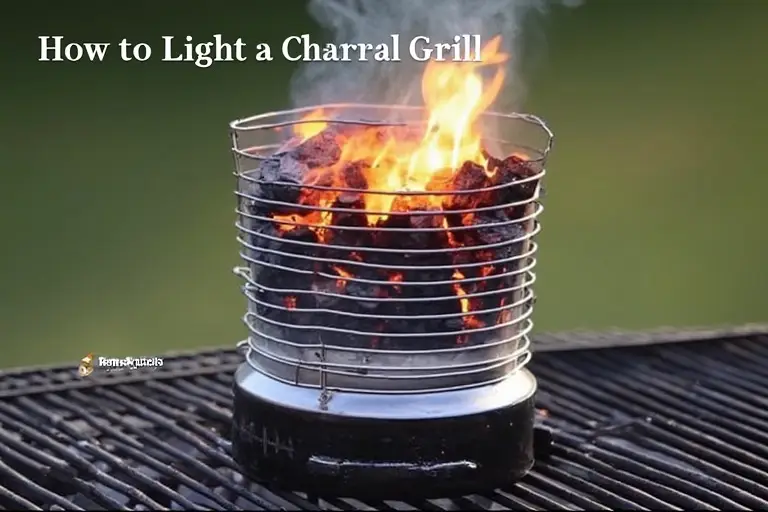
1. The Chimney Starter Method (Highly Recommended)
This is the gold standard for lighting charcoal quickly and evenly without any chemical aftertaste. A charcoal chimney or chimney starter is a metal cylinder with a grate at the bottom. Stuff a few sheets of newspaper or place a couple of fire starters (like Weber wax lighter cubes) under the chimney, then fill the top with your chosen charcoal. Light the paper or cubes. The “chimney effect” draws air up through the coals, igniting them in about 15-20 minutes. You’ll know they’re ready when the top coals are covered in a light grey ash. Carefully pour them onto the charcoal grate and you’re ready to grill.
2. The Lighter Fluid Method (Use with Caution)
This old-school method involves stacking charcoal in a pyramid, dousing it with lighter fluid, letting it soak in for a minute, and then carefully lighting it. While effective, it has drawbacks. Using too much fluid or not letting it burn off completely can leave an unpleasant chemical taste on your food. If you choose this method, never add lighter fluid to hot or even warm coals, as this can cause a dangerous flare-up.
2. Electric Starter3
An electric charcoal starter is a heating element you bury in your pile of coals. Plug it in, and it will ignite the charcoal around it in about 10-15 minutes. This method is clean and chemical-free but requires an outdoor power outlet.
Direct vs Indirect Heat (Heat Zones Made Simple)
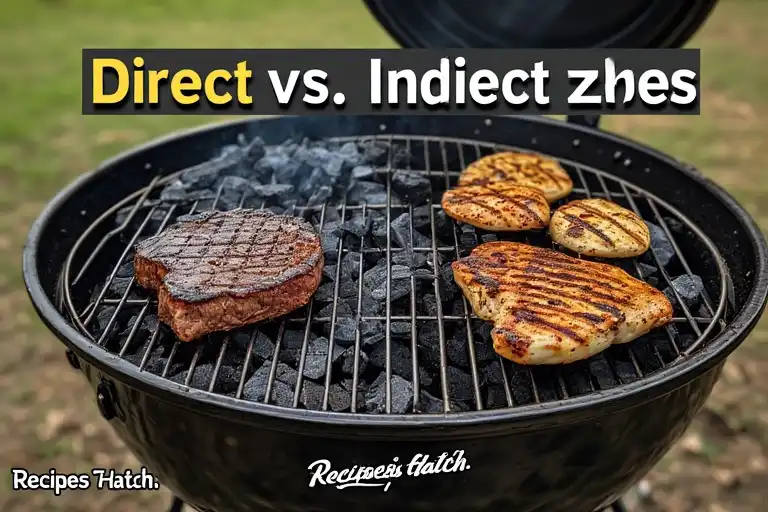
Mastering temperature is about more than just how hot your grill gets; it’s about where the heat is. Understanding the difference between direct heat and indirect heat is the single most important technique for moving beyond basic burgers and mastering your charcoal grill. This is known as creating a two-zone fire.
- Direct Heat: This is when you cook food directly over the glowing hot coals. The intense, radiant heat sears the surface of the food, creating beautiful grill marks and a delicious crust. Direct heat is perfect for fast-cooking items like steaks, burgers, hot dogs, shrimp, and vegetable skewers.
- Indirect Heat: This is when you cook food on the side of the grill away from the coals. The lid is closed, turning your grill into an oven that cooks with convection heat. This gentler, more even heat is ideal for larger or tougher cuts of meat that require longer cooking times, such as whole chickens, ribs, pork shoulders, and thick roasts. It’s also the perfect “safe zone” to move food to if it’s flaring up or browning too quickly over direct heat.
How to Set Up a Two-Zone Fire
Once your coals are lit, simply pile them all on one side of the charcoal grate. This creates one very hot side (direct heat) and one cooler side (indirect heat). For even more precise control, you can use charcoal baskets or fire bricks to keep the coals neatly contained. This two-zone setup gives you ultimate flexibility, allowing you to sear a steak over the hot side and then move it to the cool side to finish cooking without burning.
How to Control Temperature on a Charcoal Grill
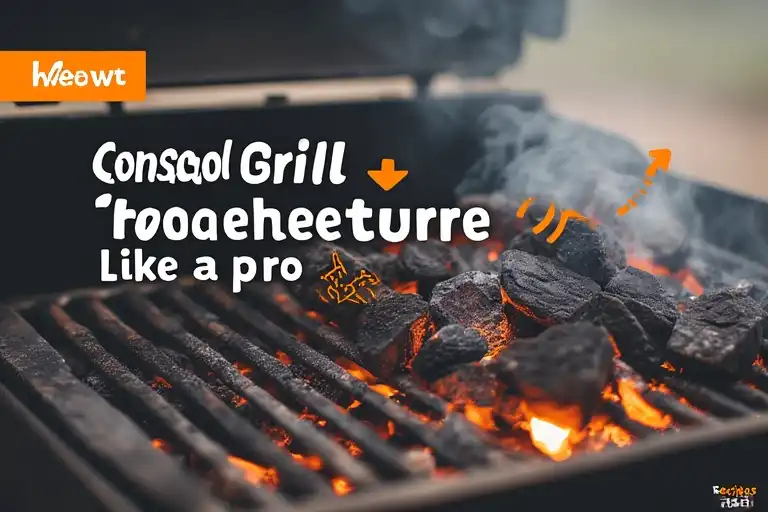
Unlike a gas grill with knobs, a charcoal grill’s temperature is managed by controlling airflow. Your grill has vents, typically one on the bottom of the kettle and one on the lid. These grill vents are your gas pedal and brake.
- The Bottom Vent: This vent allows fresh oxygen to enter and feed the fire. The more open it is, the more air gets to the coals, and the hotter your fire will burn. For most cooking, you’ll want to start with the bottom vent fully open to get the coals nice and hot.
- The Lid Vent: This vent acts as the exhaust. It pulls hot air and smoke up and over your food. Keeping it at least partially open is crucial for maintaining a healthy fire. Opening it wider increases airflow and heat, while closing it (but never completely) reduces the heat.
The Golden Rule of Temperature Control:
- To raise the temperature: Open the vents wider.
- To lower the temperature: Close the vents partially.
Make small adjustments and wait a few minutes to see the effect on your grill’s thermometer. Managing your vents allows you to achieve precise temperature control, holding steady for low-and-slow smoking or ramping up for a high-heat sear. Be aware of hot spots, areas directly over the densest pile of coals, and use your two-zone setup to manage them effectively.
Cooking on a Charcoal Grill (Step-By-Step)
Preheat the Grill: Once you’ve arranged your coals, place the cooking grate on the grill, close the lid, and let it preheat for 10-15 minutes. This sterilizes the grate and prevents food from sticking.
- Clean the Grate: Just before you add food, use a sturdy grill brush to scrape off any residue from your last cook. A clean grate ensures beautiful grill marks and prevents off-flavors.
- Place Your Food: Position your food according to your cooking plan. Use the direct heat zone for searing and quick cooking, and the indirect heat zone for finishing or for foods that need more time.
- Manage Flare-Ups: Flare-ups happen when fat drips onto hot coals. If a fire erupts, simply move the food to the indirect heat zone until the flames die down. Resist the urge to douse the fire with water, as this can create a mess of ash and steam.
- Add Smoky Flavor: To elevate your food, add wood chunks or chips to the hot coals. Woods like hickory, mesquite, or applewood will smolder and release aromatic smoke, infusing your food with that classic barbecue smoky flavor.
With your coals lit and your heat zones established, the real fun begins. Follow these steps for a successful cook every time.
Trust the Process: Let the grill do its work. Avoid flipping food too frequently. For most items, one flip is all you need to develop a great crust on both sides.
How to Know When Food Is Done
One of the biggest challenges for new grillers is knowing when the food is perfectly cooked. While visual cues like color and firmness are helpful, they can be misleading. The only way to guarantee your food is both delicious and safe to eat is by using a thermometer.
Use an Instant-Read Thermometer: This is the most essential tool for any griller. An instant-read digital thermometer gives you a precise internal temperature reading in seconds. Simply insert the probe into the thickest part of the meat, avoiding bone, to check for doneness.
Know Your Target Temperatures:
- Beef Steaks: 125°F (rare), 135°F (medium-rare), 145°F (medium)
- Chicken and Turkey: 165°F
- Pork: 145°F
- Burgers (Ground Beef): 160°F
- Let it Rest: Once your food reaches its target temperature, remove it from the grill and let it rest on a cutting board for 5-10 minutes. This allows the juices to redistribute throughout the meat, resulting in a more tender and flavorful bite.
Safety Tips Every Beginner Should Know
Charcoal grilling is a safe and enjoyable activity when you follow a few fundamental safety rules. Your priority should always be protecting yourself, your guests, and your property.
- Location, Location, Location: Always use your charcoal grill outdoors in a well-ventilated area. Keep it at least 10 feet away from your house, deck railings, and any overhanging branches or structures. Never use a charcoal grill indoors or in a garage, as burning charcoal produces deadly carbon monoxide gas.
- Create a Stable Base: Place your grill on a flat, level surface to prevent it from tipping over.
- Keep a Fire Extinguisher Nearby: Accidents can happen. Have a fire extinguisher or a bucket of sand readily available in case of an emergency.
- Use Proper Tools: Use long-handled tongs and spatulas to keep your hands and arms away from the heat. Invest in a pair of heat-resistant grill gloves for handling hot equipment like a charcoal chimney.
- Manage Your Coals: Never leave a lit grill unattended. Keep children and pets a safe distance away from the hot grill at all times.
How to Shut Down a Charcoal Grill Safely
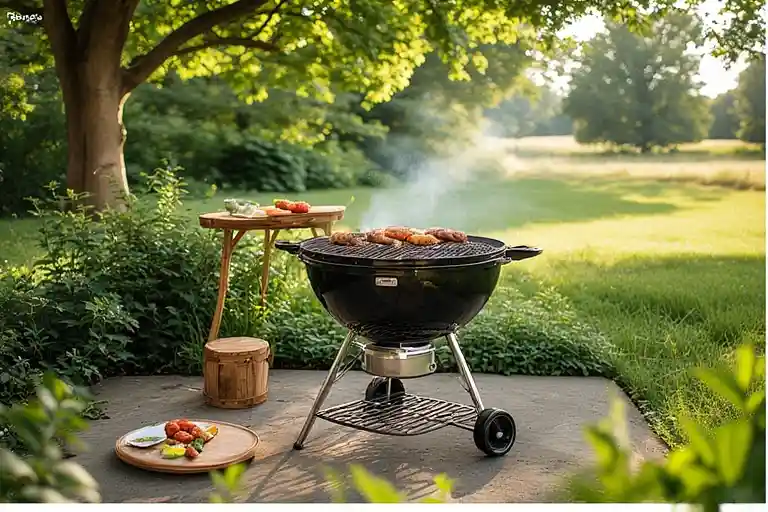
Properly shutting down your grill is just as important as lighting it. The goal is to extinguish the coals safely and completely.
- Close All Vents: Once you’re done cooking, use your tongs to knock any remaining food off the grates. Then, close the lid and completely close both the bottom and top grill vents. This cuts off the oxygen supply, which will cause the fire to die out on its own.
- Let it Cool Down: The coals and the grill will remain extremely hot for several hours. Do not attempt to move the grill or dispose of the ashes until it is completely cool to the touch. This can often take up to 24 hours.
- Dispose of Ashes: Once cool, dispose of the ashes in a metal ash bucket or another non-combustible container. Never put hot ashes in a plastic trash can, as they can easily melt it and start a fire.
How to Clean and Maintain Your Charcoal Grill the Right Way
Every grilling expert was once a beginner. Avoiding these common mistakes will put you on the fast track to success.
- Cooking Too Soon: Don’t get impatient. Wait until the coals are mostly covered in a light grey ash before you start cooking. This indicates an even, consistent heat source.
- Using Only Direct Heat: Relying solely on direct heat is a recipe for burnt-on-the-outside, raw-on-the-inside food. Always set up a two-zone fire for maximum control.
- Forgetting the Vents: The grill vents are your temperature dials. Ignoring them means you’re not in control of your fire.
- Overusing Lighter Fluid: If you use lighter fluid, use it sparingly and let it burn off completely. Better yet, switch to a chimney starter for cleaner-tasting food.
- Constant Flipping and Poking: Trust the heat and let your food cook. Constant meddling prevents a good sear from forming and can dry out your food.
Troubleshooting Guide
Even seasoned grillers run into issues. Here are quick fixes for common problems.
- Fire Won’t Stay Lit: This is almost always an airflow issue. Make sure your vents are open and that the ash catcher is empty. If using briquettes, ensure they aren’t old or damp.
- Grill is Too Hot: Partially close the vents to reduce oxygen to the fire. You can also spread the coals out a bit more. Most importantly, use your indirect heat zone.
- Flare-Ups are Out of Control: This is caused by excess fat dripping on the coals. Immediately move the food to the indirect heat side of the grill until the flames subside.
- Food is Sticking: Your grill wasn’t hot enough before you put the food on, or the grates weren’t clean. Make sure to preheat properly and brush the cooking grate clean.
Best Beginner Foods to Start With
When you’re starting out, build your confidence with forgiving foods that cook relatively quickly. This helps you get a feel for managing your fire without the pressure of a long, complicated cook.
- Burgers and Sausages: These are classic for a reason. They cook quickly over direct heat and are delicious even if they get a little extra char.
- Chicken Thighs: More forgiving than chicken breasts, the higher fat content in thighs keeps them juicy even if you overcook them slightly.
- Pork Chops (Thick-Cut): A thick-cut pork chop is perfect for practicing the two-zone method. Sear it over direct heat, then move it to indirect heat to finish.
- Vegetable Skewers: Bell peppers, onions, zucchini, and cherry tomatoes are fantastic on the grill. They cook fast and take on a wonderful smoky flavor.
FAQs- About How To Use a Charcoal Grill
How do you use a charcoal grill for beginners?
To use a charcoal grill as a beginner, start by cleaning out old ash and setting up your grill in a safe outdoor area. Light your charcoal briquettes or lump charcoal using a chimney starter for best results. Once the coals turn grey and glowing, spread them out to create direct and indirect heat zones. Cook fast foods like burgers over direct heat, and thicker foods over indirect heat. Control the grill temperature using the top and bottom vents, and always keep the lid on for steady heat and smoky flavor. Use a thermometer to check doneness and let meat rest before serving.
When to open and close vents on a charcoal grill?
Your grill vents control airflow and temperature. When the vents are open, more oxygen enters, making the fire hotter. When you partially close the vents, the fire cools down. Keep the bottom vent mostly open to feed the coals and use the top vent to fine-tune heat. For high-heat cooking, keep vents more open. For low-and-slow cooking, partly close them. Never close both vents completely while cooking, because your fire will die out.
Do you cook steaks on a charcoal grill with the lid on or off?
For most steaks on a charcoal grill, you should cook with the lid on. This traps heat and smoke, helping the steak cook evenly and adding smoky flavor. Start by searing over direct heat to get a great crust, then move the steak to indirect heat if it needs more time. You can briefly leave the lid off during searing, but keeping it mostly closed gives you better temperature control and juicier results.
Should I grill with the lid on or off?
For most charcoal grilling, you should cook with the lid on. This traps heat and smoke, cooking your food more evenly and infusing it with flavor. It’s also essential for maintaining temperature control. Leave the lid off only for very quick sears on thin items.
What gives Mexican rice its color?
Mexican rice gets its red or orange color from tomato sauce, tomato bouillon, and sometimes Goya Sazon with saffron. These ingredients also add deep flavor and make the rice look vibrant and authentic.
Can I reuse leftover charcoal?
Yes! If you have unburned pieces of lump charcoal or briquettes left after a cook, you can reuse them. Simply close the vents to extinguish them, and next time, just add fresh charcoal to the leftovers.
Conclusion
Learning how to use a charcoal grill is a journey, not a destination. Embrace the process, and don’t be afraid to experiment. Take your time, stay calm, and pay attention to what the fire is telling you. Use a two-zone fire setup, master your grill vents, and always use a thermometer. Soon, the hands-on process of charcoal grilling will feel second nature, and the incredible, authentic smoky flavor you create will be the delicious reward for your efforts.