

Making a smoked turkey recipe at home may sound difficult, but it is actually simple when you understand the basics. With the right temperature, seasoning, and smoker setup, you can create a juicy smoked turkey that tastes far better than a traditional oven-roasted bird. The slow cooking process allows the turkey to absorb natural wood smoke, giving it a rich BBQ flavor while keeping the meat tender and moist.
In this guide, you will learn how to smoke a turkey step by step, including the best smoked turkey brine, seasoning rub, and the correct smoked turkey temperature for perfect results. We will also explain how long to smoke a turkey, the ideal cooking time per pound, and the best wood for smoked turkey. Whether you are using a pellet grill, electric smoker, or charcoal smoker, this easy smoked turkey recipe will help you cook a flavorful turkey every time.
Quick Answer – Smoked Turkey Recipe
A smoked turkey recipe involves cooking a whole turkey in a smoker at 225°F–275°F for about 20–30 minutes per pound until the internal temperature reaches 165°F in the breast and 170°F in the thigh. The turkey is usually brined, seasoned with a smoked turkey rub, and cooked slowly with wood such as apple, cherry, or pecan to create a juicy smoked turkey with rich BBQ flavor. Proper temperature control and resting the turkey for 20–30 minutes after cooking help keep the meat tender and flavorful.
Quick Steps
- Rest the turkey before carving.
- Brine the turkey for 12–24 hours.
- Apply a smoked turkey seasoning or rub.
- Preheat the smoker to 225°F–275°F.
- Smoke the turkey for about 20–30 minutes per pound.
- Cook until 165°F internal temperature is reached.
Why This Smoked Turkey Recipe Works
You might also like: Best Smoked Turkey Breast Recipe
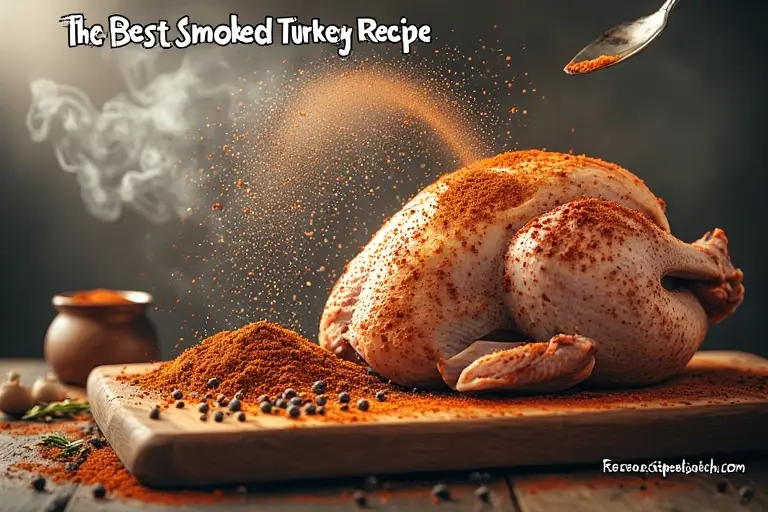
A great smoked turkey recipe is all about flavor, moisture, and the right cooking method. When you smoke a turkey instead of roasting it in the oven, the meat slowly absorbs natural wood smoke, creating a rich BBQ flavor that cannot be achieved with traditional cooking. The smoke from woods like apple, cherry, or hickory adds a deep aroma that makes every bite of smoked turkey more delicious.
Another reason this recipe works so well is the low and slow cooking method. Smoking a turkey at a steady smoked turkey temperature of around 225°F to 275°F allows the heat to cook the meat gently. This slow process helps the turkey retain its natural juices, resulting in a juicy smoked turkey that stays tender instead of drying out. When combined with a simple smoked turkey brine and a balanced smoked turkey rub, the flavor becomes even more satisfying.
A smoked turkey recipe is also perfect for special occasions and outdoor cooking. Whether you are preparing a smoked turkey for Thanksgiving, a family gathering, or a weekend BBQ, it becomes the centerpiece of the meal. The impressive presentation, combined with the incredible taste, makes smoking a whole turkey a memorable experience for both beginners and experienced grillers.
The BEST Smoked Turkey
On Thanksgiving, nothing beats a home-cooked turkey—this smoked turkey recipe is the best I’ve made, and it can help you get the smoked turkey you’ve wanted ever since your first-ever first try; don’t feel intimidated, because smoking is easy cooking even from your kitchen, and you can make it at home no matter what kind of grill is on your deck—our old gas grill still holds the date of one amazing batch of smoked turkeys I’ve ever had, and I’ll never forget it. Nowadays I prefer the Camp Chef SmokePro pellet smoker.
But any smoker, gas grill, charcoal grill, or type works if the important part is covered: it maintains and maintain smoke, steady temperatures, consistent temperatures, and indirect heat so you cut babysitting, create that element of wood smoke, and the post below is loaded with lots of information around it—please take the time to read the entire post before your first bird, following the recommendations to avoid pitfalls on the big day, using this recipe.
Why You’ll Love This Recipe
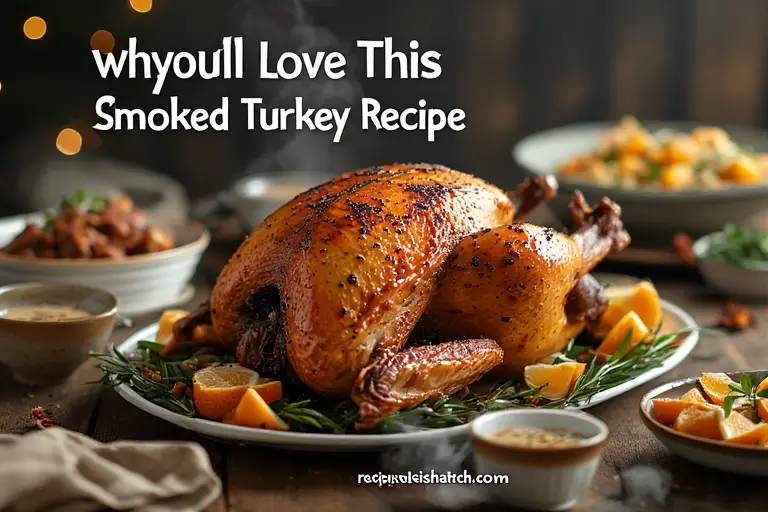
Whenever I take on turkey duty each year, I rely on this method because it always gives moist, delicious results without that dry, overcooked breast meat everyone fears; the spatchcock style lets the bird cook evenly and quickly as it cooks in half the time, especially after I cut the backbone so it lays flat, which helps it stay juicy with crispy skin that never turns rubbery like shoe leather, and my friends love how easy and almost fool proof it feels—so much that I often end up talkin’ about the smoked finish and its beautiful, mahogany color I can’t resist sharing in a post on Instagram when the moment calls for it.
What Makes Smoked Turkey Different from Oven-Roasted Turkey
Although both methods can produce a delicious meal, a smoked turkey recipe creates a very different result compared to a traditional oven-roasted turkey. The biggest difference comes from the flavor, texture, and cooking method.
Flavor Difference
When you prepare smoked turkey, the meat slowly absorbs smoke from natural wood such as apple, cherry, or hickory. This smoke adds a deep BBQ flavor that you cannot achieve with oven roasting. The gentle smoke infusion gives the turkey a slightly sweet, savory, and smoky taste that makes it stand out. In comparison, oven-roasted turkey relies mainly on herbs, butter, and seasoning for flavor, without the rich smoke profile that makes a juicy smoked turkey so special.
Texture Difference
Another noticeable difference is the texture of the meat. Because smoking uses low and slow cooking, the turkey stays moist and tender for a longer time. The controlled smoked turkey temperature helps prevent the meat from drying out. Oven-roasted turkey can sometimes cook faster and lose moisture if the temperature is too high, while properly smoked turkey often turns out more tender and juicy.
Cooking Method Comparison
The cooking process is also very different. In an oven, turkey is usually roasted at higher temperatures, typically around 325°F to 350°F. In contrast, when you smoke a turkey, the smoker maintains a steady temperature between 225°F and 275°F. This slow method allows the bird to cook gradually while absorbing smoke flavor. Many people prefer this method because it produces a best smoked turkey recipe that combines flavor, moisture, and beautiful color on the skin.
Choosing the Best Turkey for Smoking
Selecting the right bird is an important step in making a successful smoked turkey recipe. The quality, size, and type of turkey you choose can affect the smoked turkey cooking time, flavor, and final texture.
Fresh vs Frozen Turkey
Both fresh and frozen turkeys can work well for smoking a whole turkey, but fresh turkeys are often preferred. A fresh turkey usually has better natural moisture and texture, which helps create a juicy smoked turkey. If you choose a frozen turkey, make sure it is fully thawed before preparing your smoked turkey brine or seasoning rub. Proper thawing ensures the turkey cooks evenly during the smoking process.
Best Turkey Size for Smoking
The ideal size for a smoked turkey is usually between 10 and 14 pounds. Smaller turkeys cook more evenly and absorb smoke flavor better. Larger birds can still work, but they require longer smoked turkey cooking time per pound and careful monitoring of the internal temperature. For beginners learning how to smoke a turkey, starting with a medium-sized turkey makes the process easier.
Organic vs Conventional Turkey
Another choice is between organic and conventional turkey. Organic turkeys are raised without antibiotics or added hormones, and many people prefer them for their natural flavor. Conventional turkeys are more widely available and often less expensive, making them a practical option for many home cooks. No matter which type you choose, using proper smoked turkey seasoning, maintaining the correct smoked turkey temperature, and following a reliable smoked turkey recipe will help you achieve great results.
Ingredients for the Best Smoked Turkey
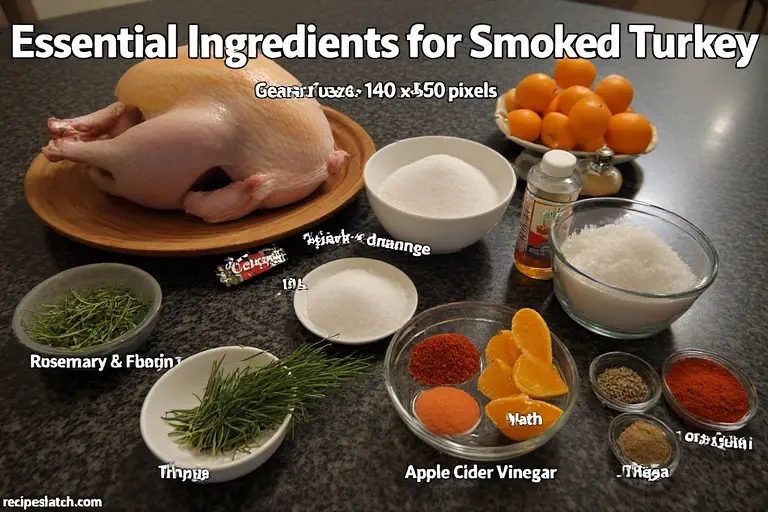
A successful smoked turkey recipe starts with simple but high-quality ingredients. The right combination of turkey, brine, seasoning, and flavor enhancers helps create a juicy smoked turkey with rich BBQ flavor. These ingredients work together to improve moisture, seasoning, and aroma while the turkey cooks slowly at the proper smoked turkey temperature.
Whole Turkey
The main ingredient is, of course, the whole turkey. For the best results, choose a turkey that weighs around 10–14 pounds, which is ideal for even cooking and proper smoked turkey cooking time per pound. A medium-sized turkey absorbs smoke flavor well and is easier to manage when learning how to smoke a turkey. Make sure the turkey is fully thawed before applying the smoked turkey brine or seasoning.
Turkey Brine Ingredients
A good smoked turkey brine helps keep the meat tender and flavorful during the smoking process. Brining allows the turkey to absorb moisture and seasoning before cooking, which results in a more juicy smoked turkey.
Common brine ingredients include:
- Water
- Kosher salt
- Brown sugar
- Garlic cloves
- Black peppercorns
- Bay leaves
Some cooks also add apple juice or citrus slices to enhance the flavor of the smoked turkey recipe.
Dry Rub Seasoning
After brining, the turkey is coated with a flavorful smoked turkey rub. This seasoning creates a delicious crust on the outside while the inside stays tender.
A simple smoked turkey seasoning blend can include:
- Paprika
- Garlic powder
- Onion powder
- Black pepper
- Salt
- Brown sugar
This rub enhances the natural taste of the turkey and pairs perfectly with the smoke from wood chips when you smoke a turkey.
Optional Flavor Enhancers
To make the best smoked turkey recipe, many cooks add extra ingredients that boost flavor and aroma during cooking.
Popular options include:
- Butter – helps keep the turkey moist and adds richness
- Fresh herbs – such as rosemary, thyme, or sage for aroma
- Citrus – lemon or orange slices add brightness and balance
These ingredients are often placed inside the turkey cavity or rubbed under the skin. When combined with proper smoked turkey cooking time, the right smoked turkey temperature, and quality wood smoke, they help create a flavorful turkey that stands out at any BBQ or holiday meal.
Essential Equipment for Smoking Turkey
To make the best smoked turkey recipe, having the right equipment can make the process easier and more consistent. Proper tools help you control the smoked turkey temperature, manage smoke levels, and ensure the turkey cooks evenly. Whether you are a beginner learning how to smoke a turkey or an experienced BBQ enthusiast, these basic tools are essential for great results.
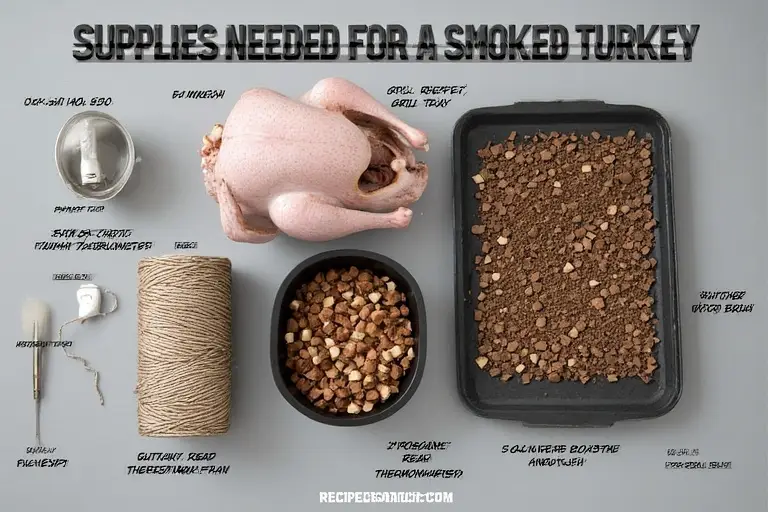
Some important equipment includes:
- Pellet smoker – A modern smoker that uses wood pellets to create steady heat and smoke. It is easy to control and works well for cooking a juicy smoked turkey.
- Charcoal smoker – A classic BBQ smoker that produces rich smoke flavor using charcoal and wood chips. Many people prefer this method for traditional BBQ smoked turkey.
- Electric smoker – A beginner-friendly option that maintains a consistent smoked turkey cooking temperature with minimal effort.
- Meat thermometer – One of the most important tools. It helps you monitor the smoked turkey internal temperature to ensure the turkey reaches 165°F in the breast and 170°F in the thigh.
- Drip pan – Placed under the turkey to catch juices and prevent flare-ups. It also helps maintain moisture inside the smoker.
Using these tools properly makes it easier to control the smoked turkey cooking time per pound and achieve a flavorful, tender turkey every time.
Best Smoker Types for Smoking Turkey
Different smokers can be used for a smoked turkey recipe, and each type has its own advantages. Choosing the right smoker depends on your cooking style, experience level, and how much control you want over the smoking process.
Pellet Grill
A pellet grill is one of the most popular choices for beginners and experienced grillers. It uses compressed wood pellets to produce both heat and smoke. The biggest advantage of a pellet smoker is its automatic temperature control, which helps maintain the ideal smoked turkey temperature without constant adjustment.
Pellet grills also allow you to experiment with different wood flavors such as apple, cherry, or pecan, making them perfect for creating a flavorful smoked turkey recipe for beginners.
Charcoal Smoker
A charcoal smoker is a traditional option that many BBQ enthusiasts prefer. It uses charcoal for heat and wood chunks for smoke. This method produces a strong and authentic BBQ flavor, which many people believe creates the best smoked turkey.
However, charcoal smokers require more attention because you must manually control airflow and maintain the smoked turkey cooking temperature throughout the cooking process.
Electric Smoker
An electric smoker is one of the easiest ways to cook a smoked turkey. It automatically regulates temperature, making it simple for beginners who are learning how to smoke a turkey.
You only need to add wood chips for smoke flavor while the smoker maintains a steady temperature. This makes electric smokers a convenient option for anyone who wants consistent results with minimal effort.
Gas Smoker
A gas smoker uses propane to generate heat and wood chips for smoke. It heats up quickly and allows you to control temperature easily. Many cooks like gas smokers because they combine the convenience of modern cooking with the authentic taste of smoked turkey. With proper temperature control, any of these smoker types can help you produce a juicy smoked turkey with deep flavor and perfectly tender meat.
How to Prepare Turkey for Smoking
Preparing the turkey correctly is one of the most important steps in making a perfect smoked turkey recipe. Proper preparation improves flavor, keeps the meat tender, and helps the turkey cook evenly at the right smoked turkey temperature. Before placing the bird in the smoker, you should focus on brining, seasoning, and drying the skin to achieve the best results.
Should You Brine a Turkey Before Smoking?
Yes, brining is highly recommended for a juicy smoked turkey. A good smoked turkey brine allows the meat to absorb moisture and seasoning before cooking. This helps the turkey stay tender during the long smoked turkey cooking time, especially when using the low and slow cooking method.
Brining also improves the overall flavor of the turkey. The salt solution penetrates the meat, seasoning it from the inside and preventing dryness while you smoke a turkey.
Wet Brine vs Dry Brine
There are two common methods used in a smoked turkey recipe: wet brining and dry brining.
Wet brine involves soaking the turkey in a mixture of water, salt, sugar, and spices for several hours. This method adds extra moisture and is great for beginners learning how to smoke a turkey.
Dry brine, on the other hand, uses salt and spices rubbed directly onto the turkey. The salt draws out moisture and then reabsorbs it, creating deeper flavor and slightly crispier skin during the smoked turkey cooking process.
Both methods work well, but wet brine is often preferred for achieving a more juicy smoked turkey.
How Long to Brine a Turkey
The brining time depends on the size of the turkey. For most smoked turkey recipes, the ideal brining time is between 12 and 24 hours.
General guideline:
- Small turkey (10–12 pounds): 12–16 hours
- Medium turkey (12–14 pounds): 16–20 hours
- Large turkey (15+ pounds): 20–24 hours
Brining for the correct amount of time ensures the turkey absorbs flavor while still cooking properly during the smoked turkey cooking time per pound.
How to Dry the Turkey Skin for Crispy Results
One common challenge when learning how to smoke a turkey is achieving crispy skin. Because smoking uses lower temperatures, the skin can sometimes stay soft.
To improve texture, remove the turkey from the smoked turkey brine, pat it completely dry with paper towels, and place it uncovered in the refrigerator for 4–12 hours before cooking. This process dries the skin and helps it crisp up while smoking. A dry surface also allows the smoked turkey rub to stick better, creating a flavorful outer layer during the smoking process.
Best Smoked Turkey Brine Recipe
A well-balanced smoked turkey brine recipe is the key to making a tender and flavorful turkey. The combination of water, salt, sugar, and herbs helps the turkey retain moisture and enhances the natural flavor while it cooks at the proper smoked turkey temperature.
Basic Brine Ingredients
A simple and effective smoked turkey brine usually includes:
- Water – forms the base of the brine solution and helps distribute the seasoning evenly.
- Salt – the most important ingredient, as it allows the turkey to retain moisture and improves flavor.
- Sugar – balances the salt and adds a mild sweetness to the smoked turkey recipe.
- Herbs and spices – such as bay leaves, thyme, rosemary, and black peppercorns, which enhance the aroma and overall taste.
These ingredients work together to create a flavorful foundation for a juicy smoked turkey.
Optional Flavor Additions
Many cooks enhance their smoked turkey brine recipe by adding extra ingredients that complement the smoke flavor.
Popular additions include:
- Apple juice – adds a mild sweetness and pairs well with wood smoke flavors like apple or cherry.
- Garlic cloves – provide a savory depth that enhances the overall seasoning of the turkey.
After brining, rinse the turkey lightly, pat it dry, and apply your smoked turkey seasoning or rub before placing it in the smoker. This preparation step helps ensure the turkey absorbs both the seasoning and the smoke, resulting in the best smoked turkey recipe with tender meat and rich flavor.
Smoked Turkey Rub Recipe
A good smoked turkey rub recipe is essential for building rich flavor on the outside of the turkey while it slowly cooks in the smoker. The rub creates a tasty crust on the skin and enhances the natural flavor of the meat. When combined with the right smoked turkey temperature and wood smoke, the seasoning helps produce a delicious BBQ smoked turkey with balanced taste.
Spice Combinations
A classic smoked turkey seasoning uses simple spices that work well with poultry and smoke flavor. These spices blend together to create a balanced rub that complements the turkey without overpowering it.
A simple smoked turkey rub may include:
- Paprika – adds color and mild smoky flavor
- Garlic powder – gives a savory taste
- Onion powder – adds depth to the seasoning
- Black pepper – provides mild heat
- Salt – enhances the natural flavor of the turkey
- Brown sugar – adds a slight sweetness and helps with caramelization
This combination works perfectly in many smoked turkey recipes and helps create a flavorful outer layer while you smoke a turkey.
Flavor Balance
The key to a great smoked turkey rub recipe is maintaining the right flavor balance. Salt enhances the meat, sugar adds sweetness, and spices provide aroma and mild heat. Together they create a seasoning blend that complements the turkey and works well with different types of wood smoke.
When the turkey cooks slowly during the smoked turkey cooking time, the rub blends with the smoke and natural juices of the bird, producing a juicy smoked turkey with deep flavor and beautiful color.
Optional BBQ Rub Variations
You can also customize your smoked turkey seasoning to create different flavor styles. Some popular variations include:
- Cajun rub – adds paprika, cayenne pepper, and extra garlic for a bold flavor
- Herb rub – uses dried thyme, rosemary, and sage for a classic holiday taste
- Sweet BBQ rub – increases brown sugar for a slightly sweet BBQ flavor
These variations allow you to personalize your best smoked turkey recipe while still keeping the turkey tender and flavorful.
Best Wood for Smoking Turkey
The type of wood you use can greatly affect the flavor of your smoked turkey recipe. Different woods produce different smoke profiles, ranging from mild and sweet to bold and strong. Choosing the right wood helps enhance the natural taste of the turkey while creating a delicious BBQ smoked turkey.
Fruit woods are often preferred because they provide a mild smoke flavor that pairs well with poultry. Strong woods can also be used, but they should be balanced carefully so the smoke does not overpower the meat.
Below is a simple guide to the best wood for smoked turkey:
| Wood | Flavor |
| Apple | Mild sweet smoke that enhances poultry flavor |
| Cherry | Fruity smoke that adds a rich color to the turkey |
| Hickory | Strong BBQ flavor that creates a bold taste |
| Pecan | Slightly nutty smoke that is smooth and balanced |
Many cooks prefer using apple or cherry wood when learning how to smoke a turkey because these woods create a gentle smoke that keeps the juicy smoked turkey flavorful without overpowering it.
Experimenting with different wood types can help you discover the perfect flavor for your smoked turkey recipe, whether you are cooking for a family meal, a weekend BBQ, or a smoked turkey for Thanksgiving celebration.
How to Smoke a Turkey (Step-by-Step Guide)
Learning how to smoke a turkey becomes easy when you follow a clear step-by-step process. The key to a successful smoked turkey recipe is maintaining the right smoked turkey temperature, using proper seasoning, and allowing enough smoked turkey cooking time per pound. By following these steps, you can prepare a juicy smoked turkey with rich BBQ flavor.
Step 1 – Prepare the Smoker
Start by preheating your smoker to the correct smoked turkey temperature, usually between 225°F and 275°F. This range is ideal for the low and slow cooking method, which keeps the turkey tender and flavorful.
Add your preferred wood chips or pellets, such as apple, cherry, or pecan, to create a balanced smoke flavor. Make sure the smoker is producing a steady stream of light smoke before placing the turkey inside.
Step 2 – Season the Turkey
After brining and drying the turkey, apply your smoked turkey rub or seasoning evenly across the entire bird. Make sure to coat the skin and, if possible, gently season under the skin for deeper flavor.
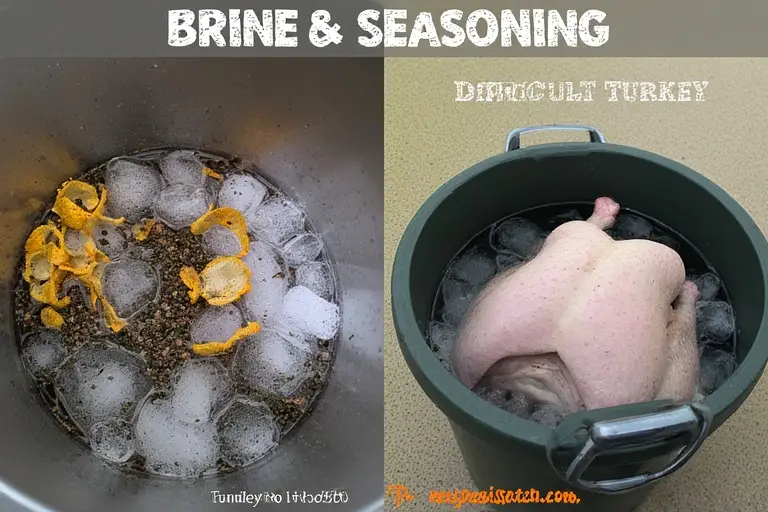
Using a good smoked turkey seasoning helps create a flavorful crust while the turkey cooks. This step is essential for building the rich taste that makes a BBQ smoked turkey stand out.
Step 3 – Place Turkey in Smoker
Carefully place the turkey on the smoker grate with the breast side facing up. Position a drip pan underneath the turkey to catch juices and help maintain moisture inside the smoker.
Make sure there is enough space around the turkey so that the smoke can circulate properly. This allows the turkey to cook evenly and absorb smoke flavor throughout the smoked turkey cooking time.
Step 4 – Maintain Smoker Temperature
During the cooking process, it is important to maintain a steady smoked turkey temperature. Avoid opening the smoker too often, as this can cause heat loss and increase the smoked turkey cooking time.
Keeping the temperature stable ensures that the turkey cooks slowly and evenly, which helps create a juicy smoked turkey with tender meat.
Step 5 – Monitor Internal Temperature
Use a meat thermometer to check the smoked turkey internal temperature. Insert the thermometer into the thickest part of the breast without touching the bone.
The turkey is fully cooked when the internal temperature reaches:
- 165°F in the breast
- 170°F in the thigh
Monitoring temperature carefully ensures the turkey is safe to eat while maintaining moisture and flavor.
Step 6 – Rest the Turkey Before Carving
Once the turkey reaches the correct internal temperature, remove it from the smoker and let it rest for about 20–30 minutes before carving.
Resting allows the juices to redistribute throughout the meat, which helps create a tender and juicy smoked turkey. Skipping this step can cause the juices to run out when slicing the turkey.
Smoked Turkey Temperature Guide
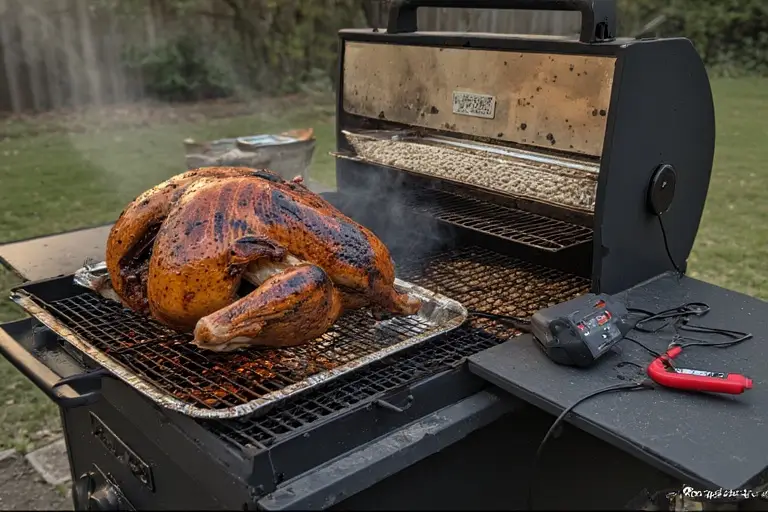
Maintaining the correct smoked turkey temperature is one of the most important factors in achieving a perfect smoked turkey recipe. The smoker temperature determines how evenly the turkey cooks and how well it absorbs smoke flavor.
Recommended Smoker Temperature
Most smoked turkey recipes recommend cooking the turkey within this temperature range:
- 225°F – produces deeper smoke flavor and slower cooking
- 250°F – balanced temperature for steady cooking
- 275°F – slightly faster cooking while still maintaining moisture
These temperatures allow the turkey to cook slowly, which helps create a juicy smoked turkey with tender meat.
Safe Internal Temperature
To ensure the turkey is fully cooked and safe to eat, always check the smoked turkey internal temperature using a meat thermometer.
Recommended internal temperatures:
- Breast: 165°F
- Thigh: 170°F
Reaching these temperatures guarantees that the turkey is properly cooked while still maintaining the tenderness expected from the best smoked turkey recipe.
How Long to Smoke a Turkey (Cooking Time Per Pound)
One of the most common questions people ask when learning how to smoke a turkey is how long the cooking process takes. The smoked turkey cooking time mainly depends on the size of the bird and the smoked turkey temperature used in the smoker. In most smoked turkey recipes, the average cooking time is about 20–30 minutes per pound when smoking at 225°F to 275°F.
Keeping a steady smoker temperature helps the turkey cook evenly and prevents the meat from drying out. A properly cooked juicy smoked turkey should always reach the safe smoked turkey internal temperature of 165°F in the breast and 170°F in the thigh.
Below is a simple smoked turkey cooking time per pound guide to help you estimate the total smoking time.
| Turkey Weight | Smoking Time |
| 10 lbs | 3–4 hours |
| 12 lbs | 4–5 hours |
| 15 lbs | 5–6 hours |
| 18 lbs | 6–7 hours |
Keep in mind that weather conditions, smoker type, and temperature fluctuations can affect the total smoked turkey cooking time. For the best results, always rely on a meat thermometer rather than time alone when following a smoked turkey recipe.
How to Keep Smoked Turkey Juicy
A perfectly juicy smoked turkey comes from proper preparation and careful cooking. If the turkey is prepared correctly and cooked at the right smoked turkey temperature, the meat will stay tender and flavorful throughout the smoking process.
Brining Importance
Brining is one of the most effective ways to keep a turkey moist. A good smoked turkey brine allows the meat to absorb moisture before cooking, which helps prevent dryness during the long smoked turkey cooking time. The salt in the brine also enhances flavor and improves the overall texture of the turkey.
Correct Smoker Temperature
Maintaining the correct smoked turkey temperature is essential for achieving tender meat. Cooking the turkey slowly at 225°F to 275°F allows the meat to cook evenly without losing moisture. If the temperature becomes too high, the turkey can cook too quickly and dry out.
Resting Turkey After Cooking
After the turkey reaches the correct smoked turkey internal temperature, it is important to let it rest before carving. Resting the turkey for 20–30 minutes allows the juices to redistribute throughout the meat. This simple step makes a big difference in creating a tender and juicy smoked turkey.
Common Mistakes When Smoking Turkey
Even experienced cooks can make mistakes when preparing a smoked turkey recipe. Avoiding these common issues can help you achieve better flavor and texture when you smoke a turkey.
Skipping the Brine
One of the biggest mistakes is skipping the smoked turkey brine. Without brining, the turkey may lose moisture during cooking and become dry. Brining helps produce a more juicy smoked turkey with better seasoning throughout the meat.
Smoking Too Hot
Cooking at excessively high temperatures can ruin a smoked turkey recipe. When the smoker temperature rises above the recommended range, the turkey may cook too quickly and lose its natural juices. Keeping the smoked turkey temperature between 225°F and 275°F helps ensure even cooking.
Not Using a Thermometer
Many beginners rely only on cooking time, but this can lead to undercooked or overcooked turkey. A meat thermometer is the best way to monitor the smoked turkey internal temperature and confirm when the turkey is fully cooked.
Over-Smoking the Meat
Using too much wood can overpower the flavor of the turkey. While smoke is important for a BBQ smoked turkey, too much smoke can make the meat taste bitter. Using mild woods such as apple or cherry helps create a balanced flavor in your smoked turkey recipe.
Troubleshooting Smoked Turkey Problems
Even when following a good smoked turkey recipe, small issues can sometimes occur during the cooking process. Understanding how to fix these problems can help you produce a perfect smoked turkey every time. Below are a few common challenges people face when learning how to smoke a turkey and simple ways to solve them.
Turkey Cooked Too Fast
If your turkey cooks too quickly, the smoked turkey temperature in the smoker may be too high. Cooking the turkey at high heat can cause the outside to cook faster than the inside, leading to dry meat.
To fix this problem, reduce the smoker temperature to the recommended range of 225°F to 275°F. This low and slow cooking method helps control the smoked turkey cooking time per pound and ensures the meat stays tender and flavorful.
Turkey Skin Not Crispy
A common concern with smoked turkey recipes is soft skin. Because smoking uses lower temperatures, the skin may not become as crispy as oven roasting.
To improve the texture:
- Pat the turkey dry before applying the smoked turkey rub
- Let the turkey air-dry in the refrigerator before smoking
- Increase the smoker temperature slightly near the end of cooking
These steps help create better skin texture while still producing a juicy smoked turkey.
Turkey Too Smoky
Too much smoke can make the turkey taste bitter instead of flavorful. This often happens when too many wood chips are used during the smoked turkey cooking process.
For balanced flavor, use mild woods such as apple or cherry, and avoid adding excessive wood during cooking. A moderate amount of smoke creates a delicious BBQ smoked turkey without overpowering the natural flavor of the meat.
How to Carve a Smoked Turkey Properly
Carving the turkey correctly is the final step in serving a beautiful smoked turkey recipe. Proper carving helps keep the meat juicy and allows you to create clean slices for serving.
Removing the Legs
Start by placing the turkey on a large cutting board. Gently pull one leg away from the body and cut through the joint where the leg connects to the turkey. Repeat the process for the other leg.
Separating the legs first makes it easier to access the breast meat while carving your smoked turkey.
Slicing Breast Meat
Next, locate the breastbone at the center of the turkey. Carefully slice along one side of the breastbone and remove the entire breast section.
Once the breast is removed, slice it into even pieces. This method helps preserve the moisture of the meat and keeps the slices tender, which is important for serving a juicy smoked turkey.
Serving Portions
After slicing the breast meat, you can cut the legs into drumsticks and thighs for serving. Arrange the slices neatly on a serving platter so guests can easily enjoy the best smoked turkey recipe you prepared.
Proper carving not only improves presentation but also ensures each portion remains tender and flavorful.
Flavor Variations for Smoked Turkey
One of the best things about a smoked turkey recipe is how easily it can be customized with different flavors. By adjusting the smoked turkey seasoning or adding special glazes, you can create unique variations that suit different tastes.
Cajun Smoked Turkey
A Cajun smoked turkey is perfect for those who enjoy bold and spicy flavors. This variation uses a Cajun-style smoked turkey rub made with paprika, cayenne pepper, garlic powder, onion powder, and black pepper. The result is a flavorful BBQ smoked turkey with a slightly spicy kick that pairs well with classic Southern side dishes.
Garlic Herb Smoked Turkey
A garlic herb smoked turkey focuses on aromatic herbs and fresh flavors. This version uses ingredients such as rosemary, thyme, sage, and garlic combined with butter or olive oil. The herb blend enhances the natural taste of the turkey and works beautifully with fruit woods like apple or cherry, creating a balanced and juicy smoked turkey.
Maple Glazed Smoked Turkey
For a slightly sweet flavor, a maple glazed smoked turkey is a delicious option. In this variation, the turkey is brushed with maple syrup or maple glaze during the final stage of smoking.
The sweetness caramelizes on the skin and complements the smoky flavor from the wood, making this variation a popular choice for holiday smoked turkey recipes such as Thanksgiving.
What to Serve with Smoked Turkey
A smoked turkey recipe becomes even more enjoyable when paired with the right side dishes. Because smoked turkey has a rich BBQ flavor, it pairs well with classic comfort foods and fresh vegetables. These side dishes balance the smoky taste and help create a complete meal for family gatherings, BBQ parties, or holiday celebrations.
Here are some popular dishes that go perfectly with a juicy smoked turkey:
- Mashed Potatoes – Creamy mashed potatoes are one of the most traditional sides served with smoked turkey for Thanksgiving. The smooth texture pairs well with the smoky flavor of the turkey.
- Stuffing – A flavorful stuffing made with herbs, bread, and vegetables complements the seasoning used in many smoked turkey recipes.
- Cornbread – Slightly sweet cornbread is a classic BBQ side that works beautifully with a BBQ smoked turkey.
- Roasted Vegetables – Vegetables such as carrots, potatoes, Brussels sprouts, and sweet potatoes add color and balance to the meal. Roasting them brings out their natural sweetness.
- Cranberry Sauce – The sweet and tangy flavor of cranberry sauce provides a refreshing contrast to the rich taste of smoked turkey.
These sides help create a well-balanced meal that highlights the flavor of the best smoked turkey recipe while providing variety for guests.
How to Plan Smoked Turkey for Thanksgiving or Holidays
Preparing a smoked turkey for Thanksgiving or holiday gatherings requires a little planning. Because smoking takes several hours, organizing the preparation timeline helps ensure the turkey is ready at the perfect time.
Preparation Timeline
Planning ahead is important when making a smoked turkey recipe. Most cooks begin preparing the turkey one day before cooking. This allows enough time for brining and seasoning while ensuring the turkey absorbs maximum flavor.
When to Brine the Turkey
The turkey should usually be placed in the smoked turkey brine about 12–24 hours before smoking. Brining overnight helps the meat stay moist during the long smoked turkey cooking time and improves the overall flavor of the turkey.
After brining, rinse the turkey lightly, pat it dry, and apply your smoked turkey rub before placing it in the smoker.
Cooking Schedule
On the day of cooking, start the smoker early so the turkey has enough time to cook slowly at the proper smoked turkey temperature. Most turkeys take about 20–30 minutes per pound when smoked at 225°F–275°F.
For example:
- A 12-pound turkey may take around 4–5 hours
- A 15-pound turkey may take about 5–6 hours
Allow an additional 20–30 minutes of resting time before carving. This schedule ensures the juicy smoked turkey is ready to serve right on time for your holiday meal.
Smoked Turkey Leftover Ideas
After preparing a delicious smoked turkey recipe, you will often have leftovers. The good news is that smoked turkey can be used in many creative and tasty dishes. Because the meat already has a rich BBQ flavor, it works perfectly in quick meals the next day. Using leftovers also helps you get the most value from your smoked whole turkey.
Here are some popular ways to enjoy leftover juicy smoked turkey:
Smoked Turkey Sandwiches
One of the easiest options is a smoked turkey sandwich. Simply slice the leftover turkey and place it on fresh bread with lettuce, tomato, and mayonnaise. The smoky flavor of the turkey adds a delicious twist to a classic sandwich.
Smoked Turkey Soup
Leftover turkey is perfect for making a warm smoked turkey soup. Add chopped turkey to a pot with vegetables, broth, and herbs. The natural smoky flavor enhances the soup and creates a comforting meal.
Smoked Turkey Tacos
You can also turn leftover turkey into flavorful smoked turkey tacos. Shred the turkey and serve it in tortillas with fresh toppings such as salsa, avocado, lettuce, and lime juice. This is a fun way to enjoy a BBQ smoked turkey in a completely different dish.
Smoked Turkey Salad
For a lighter option, use chopped turkey in a smoked turkey salad. Combine it with greens, cucumbers, tomatoes, and a simple dressing. The smoky flavor adds depth to the salad while keeping the meal fresh and healthy.
These simple recipes make it easy to enjoy the flavor of your best smoked turkey recipe long after the main meal is finished.
How to Store and Reheat Smoked Turkey
Proper storage is important for maintaining the flavor and safety of your smoked turkey. If stored correctly, leftover turkey can stay fresh for several days and still taste great when reheated.
Refrigeration Tips
After the turkey has cooled, place leftover pieces in airtight containers or wrap them tightly in foil or plastic wrap. Store the turkey in the refrigerator within two hours of cooking.
Properly stored smoked turkey can stay fresh in the refrigerator for 3–4 days. Keeping the turkey sealed helps preserve the moisture and flavor from your smoked turkey recipe.
Freezing Smoked Turkey
If you want to store the turkey for a longer period, freezing is a good option. Place sliced or shredded turkey in freezer-safe bags or containers. Removing excess air helps prevent freezer burn.
Frozen smoked turkey can last for up to 3 months while maintaining good quality. When ready to use it, thaw the turkey in the refrigerator overnight.
Best Way to Reheat Without Drying
Reheating turkey properly helps preserve the tenderness of your juicy smoked turkey. The best method is to warm the turkey slowly. You can reheat it in the oven by placing the turkey in a baking dish with a small amount of broth or water.
Cover the dish with foil and heat it at 300°F until warmed through. This gentle heating method keeps the meat moist and prevents it from drying out. Using proper storage and reheating methods ensures that your smoked turkey recipe remains flavorful even after the original meal.
Smoked Turkey Nutrition Facts
A well-prepared smoked turkey recipe is not only flavorful but also a good source of important nutrients. Turkey is naturally high in protein and contains essential vitamins and minerals that support overall health. Because smoking uses slow cooking and minimal oil, smoked turkey can be a relatively healthy option compared to many processed meats.
The exact nutrition values may vary depending on the size of the turkey, the smoked turkey seasoning, and whether the skin is included. However, the following table shows the approximate nutrition facts for a typical serving (about 3–4 ounces) of smoked turkey.
| Nutrient | Approximate Amount |
| Calories | 150–180 kcal |
| Protein | 24–28 g |
| Fat | 5–8 g |
| Sodium | 400–600 mg |
The high protein content makes smoked turkey a filling and satisfying meal. However, the sodium level may increase if the turkey is prepared using a strong smoked turkey brine or heavily seasoned rub. Using balanced seasoning and proper cooking methods can help maintain a nutritious smoked turkey recipe that fits well into a healthy diet.
Smoked Turkey Safety Tips
Food safety is very important when preparing any smoked turkey recipe. Following proper cooking and storage practices ensures that the turkey is safe to eat while still remaining tender and flavorful.
Safe Internal Temperature
The most important safety rule when learning how to smoke a turkey is reaching the correct smoked turkey internal temperature. Always use a meat thermometer to check the thickest part of the turkey.
Recommended safe temperatures are:
- Breast: 165°F
- Thigh: 170°F
Reaching these temperatures ensures the turkey is fully cooked and safe for consumption.
Food Safety Guidelines
To prepare a safe and delicious smoked turkey, follow these basic food safety practices:
- Wash hands and cooking surfaces before handling raw turkey
- Keep raw turkey separate from other foods to prevent cross-contamination
- Thaw frozen turkey safely in the refrigerator before cooking
- Maintain the proper smoked turkey temperature during the cooking process
These simple steps help protect both the flavor and safety of your smoked turkey recipe.
Storage Safety
Proper storage is essential after cooking smoked turkey. Leftover turkey should be refrigerated within two hours of cooking to prevent bacterial growth.
Key storage tips include:
- Store turkey in airtight containers
- Keep refrigerated leftovers for 3–4 days
- Freeze leftovers if you plan to store them longer
Following these storage guidelines helps keep your juicy smoked turkey safe to enjoy even after the main meal is finished.
Frequently Asked Questions About Smoked Turkey
Below are some of the most common questions people ask when learning how to smoke a turkey. These answers will help you understand important details such as smoked turkey cooking time, temperature, and preparation tips for achieving the best smoked turkey recipe.
How long does it take to smoke a turkey?
The smoked turkey cooking time usually depends on the size of the bird and the smoked turkey temperature used in the smoker. In most smoked turkey recipes, turkey takes about 20–30 minutes per pound when smoked at 225°F to 275°F.
For example, a 12-pound turkey may take around 4–5 hours to cook. However, the most accurate way to determine doneness is by checking the smoked turkey internal temperature with a meat thermometer.
What temperature should turkey be smoked at?
The ideal smoked turkey temperature for cooking is typically between 225°F and 275°F. This temperature range allows the turkey to cook slowly while absorbing smoke flavor.
The turkey is fully cooked when the internal temperature reaches:
- 165°F in the breast
- 170°F in the thigh
Maintaining a steady temperature helps produce a juicy smoked turkey with tender meat.
Should you wrap turkey in foil when smoking?
In most cases, you do not need to wrap the turkey while following a smoked turkey recipe. Leaving the turkey uncovered allows the smoke to circulate and create a flavorful crust on the outside.
However, if the turkey begins to brown too quickly during the smoked turkey cooking process, you can loosely cover it with foil to prevent overcooking.
What wood is best for smoked turkey?
Mild woods are usually the best choice for smoked turkey because they enhance the flavor without overpowering the meat. Popular wood options include:
- Apple wood – mild and slightly sweet
- Cherry wood – fruity flavor and beautiful color
- Pecan wood – smooth and nutty smoke
These woods work well with many smoked turkey recipes and help create a balanced BBQ smoked turkey flavor.
How much turkey per person?
When planning a meal with smoked turkey, a common guideline is to prepare about 1 to 1.5 pounds of whole turkey per person. This amount accounts for bones and ensures there is enough meat for everyone.
For example:
- 8 people – about 10–12 pound turkey
- 12 people – about 14–16 pound turkey
This guideline helps ensure there is plenty of juicy smoked turkey for the main meal and possibly even some leftovers for dishes like smoked turkey sandwiches or soup.
Recipe Card – Smoked Turkey Recipe
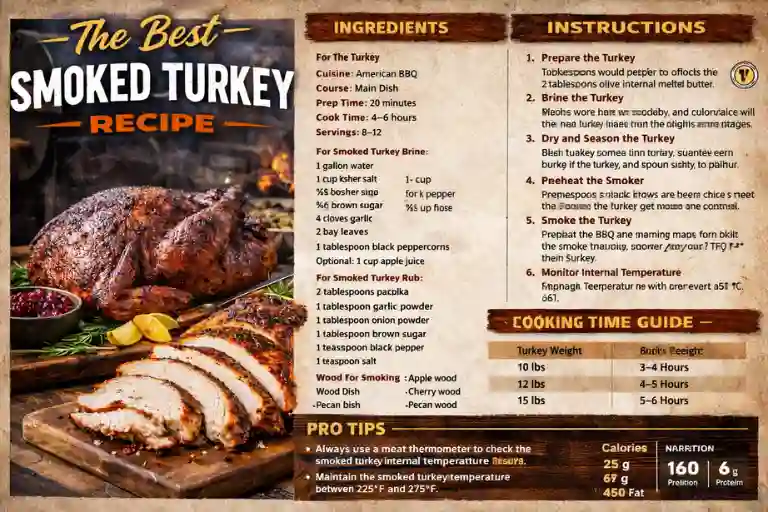
How to Make the Best Smoked Turkey Recipe Juicy and Easy BBQ
Course: Main Course, The Best Smoked Turkey RecipeCuisine: American BBQDifficulty: Easy to Moderate8–12
servings1
hour40
minutes2
hours160
kcalIngredients
- For the Turkey
1 whole turkey (10–14 pounds), fully thawed
2 tablespoons olive oil or melted butter
- For the Smoked Turkey Brine
1 gallon water
1 cup kosher salt
½ cup brown sugar
4 cloves garlic
2 bay leaves
1 tablespoon black peppercorns
Optional: 1 cup apple juice for added flavor
- For the Smoked Turkey Rub
2 tablespoons paprika
1 tablespoon garlic powder
1 tablespoon onion powder
1 tablespoon brown sugar
1 teaspoon black pepper
1 teaspoon salt
- Wood for Smoking
Apple wood
Cherry wood
Pecan wood
Directions
- 1. Prepare the Turkey
If using a frozen turkey, thaw it completely in the refrigerator. Remove the giblets and pat the turkey dry with paper towels. - 2. Brine the Turkey
Prepare the smoked turkey brine by combining water, salt, sugar, garlic, and spices in a large container. Submerge the turkey in the brine and refrigerate for 12–24 hours. - 3. Dry and Season the Turkey
Remove the turkey from the brine and pat it completely dry. Rub olive oil or butter over the turkey skin, then apply the smoked turkey rub evenly over the entire bird. - 4. Preheat the Smoker
Preheat your smoker to a smoked turkey temperature of 225°F–250°F. Add your chosen wood chips or pellets to produce a steady smoke. - 5. Smoke the Turkey
Place the turkey in the smoker with the breast side up. Smoke the turkey for about 20–30 minutes per pound, maintaining a steady temperature. - 6. Monitor Internal Temperature
Use a meat thermometer to check doneness. The turkey is fully cooked when the internal temperature reaches:
165°F in the breast
170°F in the thigh - 7. Rest the Turkey
Remove the turkey from the smoker and let it rest for 20–30 minutes before carving. This helps keep the juicy smoked turkey tender. - Nutrition (Per Serving)
Calories: ~160 kcal
Protein: 25 g
Fat: 6 g
Sodium: 450 mg
Recipe Video
Notes
- Always use a meat thermometer to check the smoked turkey internal temperature.
- Maintain a steady smoked turkey temperature between 225°F and 275°F.
- Let the turkey rest before carving to keep the meat moist.
Cooking Time Guide
| Turkey Weight | Smoking Time |
| 10 lbs | 3–4 hours |
| 12 lbs | 4–5 hours |
| 15 lbs | 5–6 hours |
| 18 lbs | 6–7 hour |
Final Thoughts
Preparing a smoked turkey recipe may take more time than traditional cooking methods, but the results are truly worth the effort. The low and slow smoking process allows the turkey to absorb rich wood flavor while staying tender and juicy. When cooked at the right smoked turkey temperature and seasoned with a balanced smoked turkey rub, the result is a flavorful meal that stands out at any gathering.
A well-prepared smoked turkey becomes the centerpiece of the table, whether you are hosting a holiday dinner, a weekend BBQ, or preparing a smoked turkey for Thanksgiving. The smoky aroma, tender meat, and beautiful presentation make it a memorable dish for family and guests.
If you are new to how to smoke a turkey, don’t worry. With the right preparation, a simple smoked turkey brine, and careful monitoring of the smoked turkey cooking time, even beginners can achieve great results. Once you try this best smoked turkey recipe, you may find that smoking turkey becomes one of your favorite ways to cook for special occasions.