
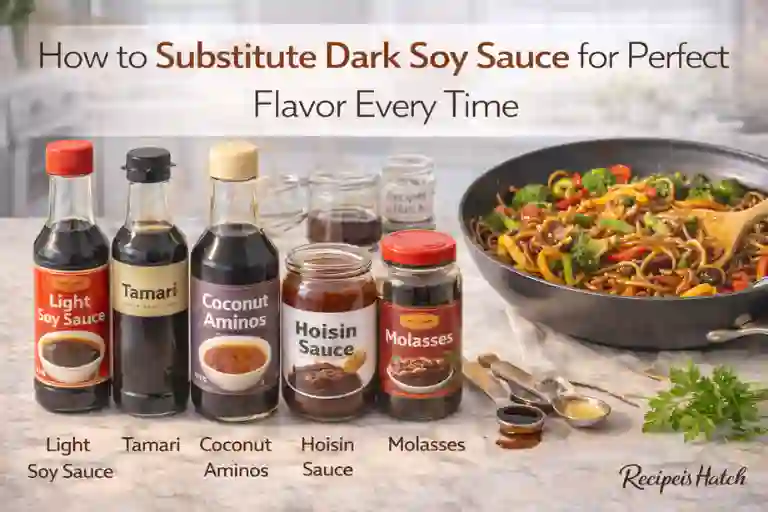
Dark soy sauce is a staple in many Asian recipes, giving dishes a rich color, thick texture, and slightly sweet flavor. But sometimes, you might not have dark soy sauce on hand or need a gluten-free, soy-free, or vegan alternative. That’s where knowing how to substitute dark soy sauce becomes essential.
In this guide, we’ll explore the best substitutes for dark soy sauce, including light soy sauce with sugar, tamari, coconut aminos, hoisin sauce, mushroom soy sauce, and more. You’ll learn practical ratios, DIY homemade versions, and tips to maintain flavor, color, and thickness. Whether you’re making stir-fries, marinades, noodles, or braised dishes, this guide covers everything so you can cook confidently without the original dark soy sauce.
Understanding Dark Soy Sauce
Flavor Profile and Typical Uses in Recipes
Dark soy sauce is known for its deep, rich flavor, slight sweetness, and thicker consistency compared to regular soy sauce. It adds umami depth to recipes and enhances the color and texture of dishes. Home cooks often use it to marinate meats, season stir-fries, or enrich sauces, giving food a professional, savory finish. Understanding its flavor helps you choose the right substitutes for dark soy sauce when needed, ensuring your dish stays delicious.
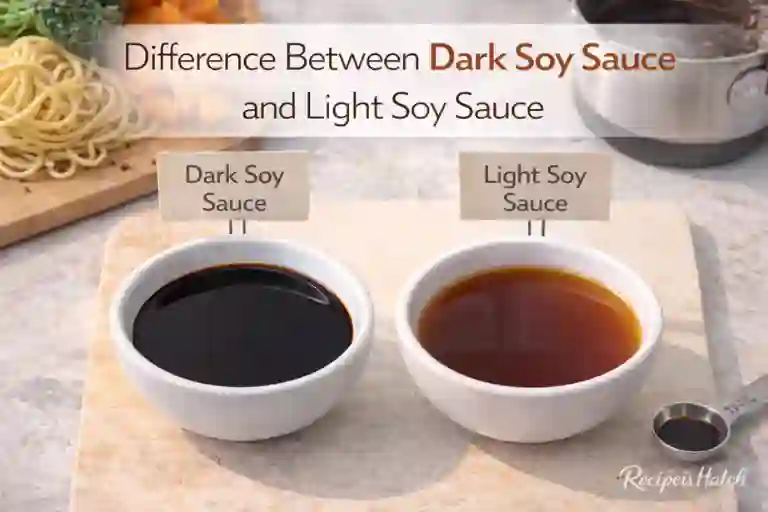
Difference Between Dark Soy Sauce and Light Soy Sauce
The key difference is color, sweetness, and thickness. Dark soy sauce is darker, slightly sweeter, and thicker, mainly used for coloring and flavoring. Light soy sauce, on the other hand, is saltier, thinner, and lighter in color, usually used for seasoning without altering appearance. Knowing this distinction is essential when finding dark soy sauce alternatives that balance flavor and color.
You might also like: The Best Chili Cheese Tater Tot Casserole
Common Dishes That Rely on Dark Soy Sauce
Many stir-fries, braises, and glazes depend on dark soy sauce for that signature look and taste. Popular recipes include beef or chicken stir-fries, soy-braised pork, and teriyaki-style glazes. Without it, dishes may lack depth or the appealing dark hue, which is why knowing how to substitute dark soy sauce in recipes is so helpful.
Why Dark Soy Sauce Affects Color, Flavor, and Consistency
Dark soy sauce isn’t just about taste—it adds richness and thickness, giving sauces a velvety texture. Its deep color enhances visual appeal, while the slightly sweet undertones balance salty flavors in marinades and stir-fries. Substituting it correctly ensures your dish retains the original look, flavor, and consistency, even if the exact ingredient isn’t available.
Top Substitutes for Dark Soy Sauce
When you’re wondering what to use instead of dark soy sauce, it’s helpful to know the best substitutes for dark soy sauce in recipes. Depending on the dish, dietary needs, or pantry ingredients, you can choose a substitute that matches flavor, color, and consistency. Below is a comprehensive substitution table to guide you in stir-fries, marinades, noodles, glazes, and braises.
| Substitute | Ratio | Notes | Best For | Dietary Notes |
| Light Soy Sauce + Brown Sugar | 1 tbsp light soy + ½ tsp sugar | Adds sweetness, lighter color | Stir-fries, marinades | Gluten-free if soy-free version used |
| Tamari | 1:1 | Gluten-free alternative, similar flavor | Noodles, general cooking | Gluten-free |
| Coconut Aminos | 1:1 | Soy-free, less salty, mild sweetness | Stir-fries, sauces | Soy-free, gluten-free |
| Hoisin Sauce | 1:1 | Sweet, thick, strong flavor | Glazes, braises | Vegan |
| Mushroom Soy Sauce | 1:1 | Umami-rich, less salty | Vegetarian dishes | Vegan |
| Oyster Sauce | 1:1 | Non-vegetarian, savory depth | Braises, marinades | Not vegan |
| Sweet Soy Sauce / Kecap Manis | 1:1 | Dark, sweet, syrupy | Asian stir-fries, glazing | Vegan option |
| Teriyaki Sauce | 1:1 | Slightly different flavor | Quick stir-fries | Vegan if store-bought version |
| Worcestershire Sauce | 1:1 | Fusion dishes, darker color | Western-style braises | Non-vegan |
| DIY Quick Dark Soy Sauce | 1 tbsp light soy + ½ tsp molasses or brown sugar | Fast home mix | Any recipe | Flexible |
This table makes it easy to substitute dark soy sauce without compromising your dish. For example, using light soy sauce with brown sugar can mimic the sweetness and color of dark soy sauce in stir-fries, while coconut aminos are perfect for soy-free, gluten-free cooking. By knowing these substitutes and ratios, you can confidently cook recipes even when the original dark soy sauce isn’t available.
How to Use Substitutes in Recipes
Knowing the best substitutes for dark soy sauce in recipes is just the first step. The next is learning how to use them effectively so your dishes retain their flavor, color, and texture. Here’s a guide for common recipe types:
Stir-fries
For stir-fries, use substitutes like light soy sauce with brown sugar, tamari, or coconut aminos. Add the substitute toward the end of cooking to preserve the bright, glossy color. Combining a small amount of hoisin sauce or molasses can also give thickness and sweetness, mimicking traditional dark soy sauce.
Marinades & Sauces
When preparing marinades or sauces, pick a substitute that will infuse flavor deeply. Tamari or oyster sauce works well for umami depth, while Kecap Manis adds a sweet, syrupy texture. Remember to adjust saltiness if using coconut aminos, which are naturally less salty.
Noodles & Fried Rice
In noodles or fried rice, use substitutes like light soy + brown sugar or mushroom soy sauce. These maintain the rich color and umami flavor without overpowering the dish. Stir in the sauce gradually and taste-test to balance sweetness and saltiness.
Braised Dishes & Glazes
For braises and glazes, thicker substitutes like hoisin sauce, sweet soy sauce (Kecap Manis), or DIY dark soy mix work best. They coat meats evenly and enhance the visual appeal with a dark, glossy finish. Add slowly and simmer gently to allow flavors to develop fully.
Tips to Maintain Original Color, Flavor, and Thickness
- Color: Add a pinch of molasses or brown sugar to light soy or tamari.
- Flavor: Combine two substitutes (e.g., light soy + hoisin) to replicate umami richness.
- Thickness: Simmer sauces slightly to achieve the same consistency as dark soy sauce.
- Taste-test: Adjust salt and sweetness gradually to ensure a balanced dish.
Using these tips, you can substitute dark soy sauce in recipes confidently, keeping your stir-fries, noodles, marinades, and braises tasting authentic and visually appealing.
Maintaining Color, Flavor & Consistency
When you’re using substitutes for dark soy sauce, it’s important to ensure your dishes retain the same richness, depth, and visual appeal. These tips will help you balance sweetness, saltiness, and thickness while keeping the authentic flavor.
Adjusting Sweetness and Saltiness
Different substitutes have varying levels of saltiness and sweetness. For example, light soy sauce + brown sugar adds sweetness but may be less salty than dark soy sauce. Coconut aminos are naturally milder, so you might need a pinch of salt or soy-free seasoning. Always taste as you go to achieve a balanced flavor that mimics authentic dark soy sauce.
Thickening Tips for Sauces
Some substitutes, like light soy or tamari, are thinner than dark soy sauce. To maintain thickness, try:
- Simmering sauces slightly to reduce water content
- Adding a small amount of molasses or hoisin sauce
- Combining two substitutes to achieve a glossy, rich consistency
Color Preservation Techniques
Dark soy sauce gives dishes a deep, appealing color. To preserve this when substituting:
- Mix light soy sauce with brown sugar or molasses
- Add Kecap Manis for a syrupy, dark finish
- Use mushroom soy sauce for vegetarian dishes that require color and umami
Flavor Balance for Umami-Rich Dishes
To replicate the umami depth of dark soy sauce, consider:
- Combining umami-rich substitutes like mushroom soy + tamari
- Using oyster sauce in non-vegetarian recipes
- Adjusting sweetness and saltiness gradually
These techniques ensure your stir-fries, braises, and marinades taste just as rich and flavorful as the original recipes.
Dietary & Allergy-Friendly Substitutes
Not everyone can use traditional dark soy sauce due to gluten, soy, or dietary restrictions. Luckily, there are plenty of substitutes for dark soy sauce that are safe, flavorful, and easy to use.
Gluten-Free Options
If you need gluten-free substitutes, tamari is the best choice. It’s similar in flavor to dark soy sauce but free from gluten. You can also use light soy sauce with a certified gluten-free version combined with brown sugar or molasses to mimic the sweetness and thickness of dark soy sauce in stir-fries, braises, and marinades.
Soy-Free Options
For those avoiding soy, coconut aminos are a perfect substitute. They’re mild, slightly sweet, and naturally gluten-free. Another option is a homemade mix using molasses and other pantry ingredients. These alternatives work well in noodles, fried rice, and sauces, providing umami flavor without soy.
Vegan Alternatives
Many dark soy sauce substitutes are naturally vegan, like mushroom soy sauce, hoisin sauce, and sweet soy sauce (Kecap Manis). These options maintain rich flavor and color in dishes without using any animal-based ingredients, making them perfect for vegetarian and vegan stir-fries, glazes, and braises.
Low-Sodium Substitutes
If you need low-sodium options, consider coconut aminos or light soy sauce with less added salt. You can also dilute tamari slightly with water and adjust sweetness to maintain flavor. These options help keep your recipes healthy without sacrificing the umami and richness that dark soy sauce provides.
Quick Fix & Pantry-Friendly Substitutions
Sometimes, you don’t have dark soy sauce on hand, and you need a fast, reliable substitute. These quick fix and pantry-friendly substitutions let you keep cooking without missing a beat, whether for stir-fries, noodles, or marinades.
3–5 Instant Swaps When You’re Missing Dark Soy Sauce
Here are some easy-to-use substitutes you can grab from your pantry:
- Light soy sauce + brown sugar – mimics the sweetness and color of dark soy sauce.
- Tamari – a gluten-free 1:1 substitute for general cooking.
- Coconut aminos – perfect for soy-free, gluten-free dishes.
- Hoisin sauce – adds sweet, thick, and bold flavor instantly.
- Mushroom soy sauce – umami-rich and great for vegetarian or vegan meals.
Using Combinations of Substitutes for Best Results
Sometimes, a single substitute isn’t enough. Combining two options can replicate dark soy sauce more accurately:
- Light soy + molasses for color and thickness
- Tamari + a touch of sugar for sweetness and umami
- Coconut aminos + hoisin for a quick vegan, soy-free mix
By mixing substitutes thoughtfully, you can maintain flavor, color, and consistency in your dish without the original dark soy sauce.
Homemade Dark Soy Sauce Recipes
When you don’t have dark soy sauce on hand, making a homemade substitute is simple. These DIY recipes let you control flavor, color, and sweetness, ensuring your dishes taste authentic.
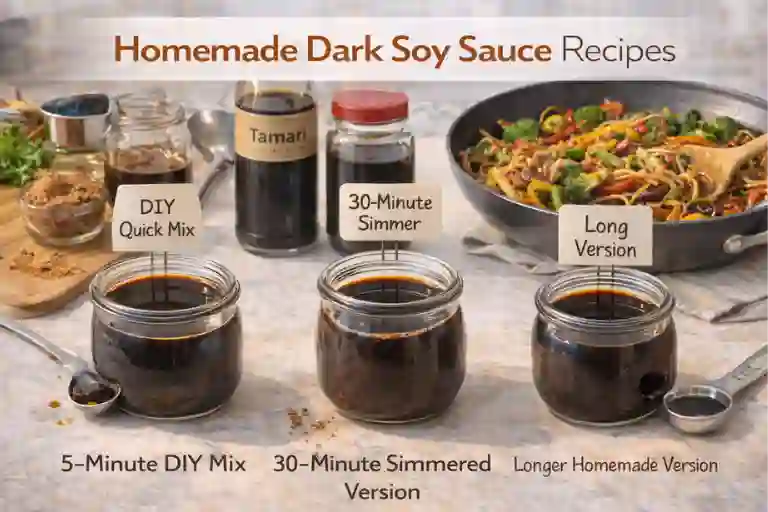
5-Minute DIY Quick Mix (Pantry-Only Ingredients)
For a fast solution, combine 1 tablespoon light soy sauce with ½ teaspoon brown sugar or molasses. This mimics the sweetness, color, and thickness of dark soy sauce in stir-fries, noodles, and marinades. It’s perfect for quick meals and requires no special ingredients.
30-Minute Simmered Version for Deep Flavor
For richer umami, simmer light soy sauce, a bit of brown sugar, and a splash of molasses for about 30 minutes. This method deepens the color and flavor, creating a substitute suitable for braises, glazes, and more complex recipes.
Longer Homemade Version for Richer Taste
If you want a full-bodied dark soy sauce substitute, combine soy sauce, molasses, brown sugar, and optional mushroom soy or tamari, then simmer slowly for 1–2 hours. This creates a dark, thick, and savory sauce that works in all recipes where dark soy sauce is required.
Storage Tips and Shelf Life
- Store in an airtight container in the fridge.
- Quick mix versions last up to 1 week.
- Simmered or longer versions can last 3–4 weeks.
- Shake before use to recombine any settled ingredients.
With these homemade dark soy sauce recipes, you’ll never have to worry about missing this key ingredient while cooking stir-fries, braises, noodles, or glazes.
International & Less Common Alternatives
If you want to explore unique flavors or substitute dark soy sauce with international options, there are several lesser-known sauces that work beautifully in stir-fries, braises, and glazes. These alternatives can enhance color, texture, and umami while adding a distinct twist to your recipes.
Kecap Manis (Indonesian Sweet Soy Sauce)
Kecap Manis is a thick, sweet soy sauce from Indonesia. It’s darker and sweeter than traditional dark soy sauce, making it an excellent substitute in stir-fries, glazes, and marinades. Use it 1:1 in recipes and adjust saltiness if needed. It’s also vegan-friendly and adds a rich caramelized color to dishes.
Japanese Black Soy Sauce (Kuro Shoyu)
Kuro Shoyu is a Japanese black soy sauce that’s slightly thicker and less salty than dark soy sauce. It adds a deep umami flavor and dark hue, perfect for braises, noodles, or noodle soups. It can be used as a 1:1 substitute and works particularly well in Asian-style fusion recipes.
Other Regional Soy or Umami-Rich Sauces
Other regional soy or umami-rich sauces include:
- Chinese mushroom soy sauce – for vegetarian-friendly depth
- Thai sweet soy sauce – slightly sweeter, good for stir-fries
- Korean ganjang – traditional soy sauce that can be thickened for color
These alternatives offer unique flavor profiles while still acting as effective dark soy sauce substitutes, giving you flexibility in global cooking styles.
FAQs About How to Substitute Dark Soy Sauce in Recipes
Cooking without dark soy sauce raises a lot of questions. Here are the most common ones, answered clearly so you can substitute dark soy sauce confidently.
Can I use light soy sauce instead of dark soy sauce?
Yes! Light soy sauce can be used as a substitute for dark soy sauce, but it lacks the sweetness, thickness, and deep color. To mimic dark soy sauce, mix light soy sauce with brown sugar or molasses. This works well for stir-fries, marinades, and sauces.
How much substitute should I use for every 1 tbsp of dark soy sauce?
For most substitutes, a 1:1 ratio works well. For example, 1 tbsp of tamari, coconut aminos, hoisin, or Kecap Manis can replace 1 tbsp of dark soy sauce. For light soy sauce mixes, add ½ tsp sugar or molasses per tablespoon for similar flavor and color.
Will substitutes affect the color of my dish?
Some substitutes like light soy sauce or tamari are lighter in color, while hoisin, molasses, or Kecap Manis help preserve the deep, glossy hue. Combining two substitutes is often the best way to maintain original color in stir-fries, braises, or glazes.
Can I make a soy-free version for allergies or kids?
Yes! Use coconut aminos or a homemade mix with molasses and water for a soy-free, kid-friendly, and gluten-free alternative. These substitutes are mild in flavor but still give umami depth to your dishes.
What are quick substitutes when I’m out of dark soy sauce?
Fast options include:
- Light soy sauce + brown sugar
- Tamari
- Coconut aminos
- Hoisin sauce
- Mushroom soy sauce
These pantry-friendly substitutes work instantly in stir-fries, noodles, and marinades.
Can I omit dark soy sauce entirely in a recipe?
You can, but the dish may lose its rich color and umami flavor. If omitting, consider adding a combination of light soy sauce, molasses, or other substitutes to retain sweetness, thickness, and depth.
How to mimic dark soy sauce flavor without sugar or molasses?
Combine tamari, mushroom soy sauce, or hoisin sauce for umami depth. A small amount of Kecap Manis or thickened soy sauce alternative can replace the sweetness and color naturally, giving dishes a similar appearance and flavor.
Tips & Tricks for Perfect Substitution
Even with the best substitutes for dark soy sauce, a few simple tips can help you achieve authentic flavor, color, and texture in every dish.
Combine 2 Substitutes for Better Flavor & Color
Sometimes a single substitute isn’t enough. Combining options like light soy sauce + molasses, tamari + a touch of hoisin, or coconut aminos + mushroom soy sauce can replicate the sweetness, umami, and dark color of traditional dark soy sauce in stir-fries, marinades, or braises.
Use Substitutes to Enhance Natural Umami
Substitutes like mushroom soy sauce, tamari, or oyster sauce can boost umami richness, making dishes taste deep and savory. Even light soy sauce + a small touch of Kecap Manis can bring the same complexity that dark soy sauce provides.
Adjust Seasoning Gradually & Taste-Test
Always add substitutes slowly and taste as you go. Some alternatives, like coconut aminos, are milder, while hoisin or Kecap Manis are sweeter. Gradual adjustments ensure your dish is balanced, flavorful, and visually appealing.
Conclusion
Substituting dark soy sauce doesn’t have to be difficult. With options like light soy sauce + brown sugar, tamari, coconut aminos, hoisin, mushroom soy sauce, Kecap Manis, or even DIY homemade mixes, you can maintain flavor, color, and consistency in stir-fries, braises, noodles, and marinades. Using the ratios and tips we’ve shared ensures your dishes stay authentic and delicious, even when the original ingredient isn’t available.
Don’t be afraid to experiment based on your recipe type—combine substitutes, adjust sweetness and saltiness gradually, and taste-test for the best results. For more inspiration, check out our recipes using dark soy sauce and its substitutes, and discover how versatile your cooking can be with simple, pantry-friendly swaps.