
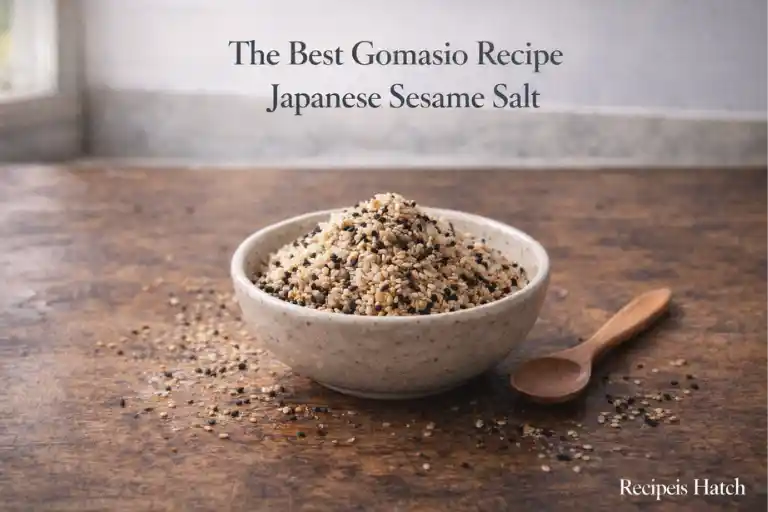
If you’ve ever tasted gomasio (also spelled gomashio), you know it’s much more than simple sesame salt. This traditional Japanese sesame salt is a light, nutty seasoning made from toasted sesame seeds and sea salt, usually prepared in a classic 15:1 sesame-to-salt ratio. The result? A flavorful, slightly crunchy topping that enhances food without overwhelming it with sodium.
In this gomasio recipe, you’ll learn how to make authentic gomasio at home, using the proper roasting and grinding technique. We’ll also explore why it’s popular in the macrobiotic diet, how it works as a low-sodium seasoning alternative, and the best ways to use it beyond rice. Whether you call it gomasio or gomashio, this simple condiment can transform everyday meals with deep, natural flavor.
What Is Gomasio?
Gomasio (or gomashio) is a traditional Japanese sesame salt made from toasted sesame seeds and a small amount of sea salt, usually blended in a classic 15:1 sesame-to-salt ratio. It is used as a light, nutty seasoning for rice, vegetables, and everyday dishes.
The word “Goma” means sesame in Japanese, while “Shio” means salt. When combined, they form gomashio, which is often shortened to gomasio in English. Both spellings refer to the same condiment.
Many people think it’s just sesame mixed with salt. But authentic gomasio is more balanced than regular sesame salt. The high sesame content makes it milder, more aromatic, and naturally lower in sodium compared to plain salt blends.
Why Gomasio Is More Than Just Sesame Salt
At first glance, gomasio may seem like a simple homemade seasoning mix. But in Japan, it is considered a traditional Japanese condiment with cultural meaning. It has long been used as a staple in home cooking, especially sprinkled over rice.
Gomasio also plays an important role in the macrobiotic diet, a philosophy that focuses on balance and natural foods. Because it uses much more sesame than salt, it works as a low-sodium seasoning while still delivering strong flavor.
This is where the magic happens. The toasted sesame seeds create deep, nutty aroma and natural oils that boost taste. This flavor amplification allows you to use less salt while enjoying richer food. That’s why gomasio is often seen as a smarter, healthier salt alternative.
The Traditional 15:1 Sesame-to-Salt Ratio Explained
You might also like: How Many Tsp in 1 Tbsp
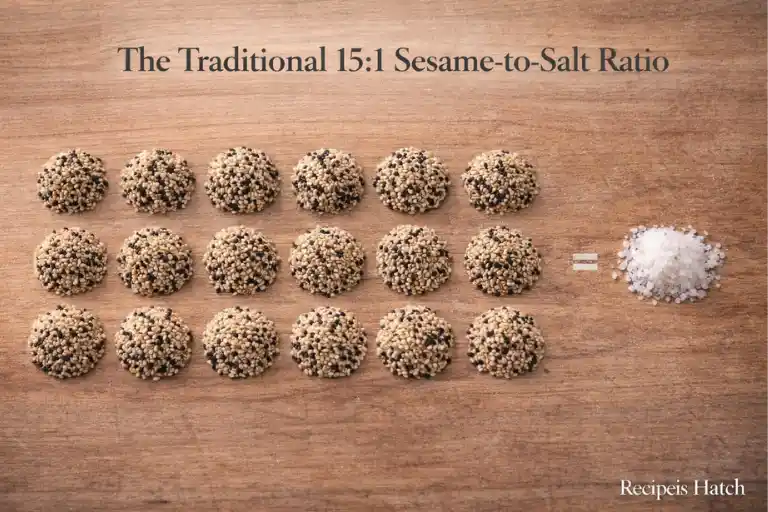
The heart of an authentic gomasio recipe is the classic 15:1 sesame-to-salt ratio. That means 15 parts toasted sesame seeds to 1 part sea salt. Traditional Japanese cooks use more sesame than salt because the goal is not heavy saltiness — it’s balanced flavor.
Why authentic gomasio uses more sesame than salt
Sesame seeds are rich in natural oils and aroma. When toasted, they release a deep, nutty scent that enhances food naturally. By keeping salt low, gomasio becomes a low-sodium seasoning instead of a salty topping.
Sodium reduction math
If you compare regular salt to Japanese sesame salt, the difference is clear. In a 15:1 blend, only about 6–7% of the mixture is salt. That means you get flavor with much less sodium per sprinkle.
How changing the ratio affects taste
- 10:1 ratio → slightly saltier, stronger taste
- 15:1 ratio → traditional and balanced
- 20:1 ratio → milder, nuttier, very low sodium
Adjusting the ratio changes how bold or gentle the seasoning feels.
Ingredients Breakdown (Quality Impacts Flavor)
Because gomasio has only two main ingredients, quality matters a lot.
White vs Black Sesame Seeds
- White sesame seeds are traditional. They have a mild, slightly sweet flavor.
- Black sesame seeds are stronger, earthier, and more intense.
Both work, but white sesame is most common in authentic gomashio.
Best Type of Sea Salt (Fine vs Coarse)
Use natural sea salt instead of regular table salt.
- Fine sea salt blends evenly.
- Coarse salt gives a more textured finish but must be ground well.
Why Iodized Salt Changes Taste
Iodized table salt can leave a metallic aftertaste. It also overpowers the delicate sesame aroma. For true Japanese sesame salt, stick to natural sea salt.
Organic vs Conventional Sesame
Organic sesame seeds often have cleaner flavor and fewer chemical residues. Since sesame is the main ingredient, using high-quality seeds makes a noticeable difference in aroma and freshness.
Quick 5-Minute Home Method
If you want a simple and fast gomasio recipe, this easy method works perfectly at home. It keeps the flavor authentic while saving time.
1. Dry Roast Sesame
Place white sesame seeds in a dry pan over medium-low heat. Do not add oil. Stir constantly for 3–5 minutes until the seeds turn lightly golden and release a nutty aroma. This dry roasting technique activates the natural oils and builds flavor.
2. Add Salt
Remove from heat and let the seeds cool slightly. Mix in your measured sea salt, following the traditional 15:1 sesame-to-salt ratio.
3. Light Grind
Use a mortar and pestle or pulse gently in a grinder. The goal is a coarse texture, not a fine powder. Crushing some seeds releases aroma while keeping texture.
4. Storage Tips
Let the mixture cool fully. Store your homemade Japanese sesame salt in an airtight container in a cool, dry place.
Traditional Japanese Method
For a more authentic experience, try the traditional suribachi method. A suribachi is a Japanese mortar with ridged lines that help grind sesame gently.
Slow Roasting Technique
Instead of high heat, sesame seeds are toasted slowly over low heat. This prevents bitterness and preserves delicate oils.
Grinding Motion Method
In the suribachi, grind using a circular, pressing motion. Do not mash aggressively. The goal is to gently crush the seeds.
Texture Control
Authentic gomasio has a slightly coarse, sandy texture. Some seeds remain whole, while others are lightly crushed.
Why Traditional Grinding Preserves Aroma
Slow grinding releases fragrance gradually. It keeps the natural oils intact and prevents overheating, which protects the rich aroma of this classic Japanese condiment.
The Science of Toasting Sesame Seeds
To make authentic gomasio, toasting is not just a cooking step — it’s a flavor-building process. Many recipes skip the science, but this is where real taste develops.
Oil Activation
Sesame seeds contain natural oils. When you use a gentle dry roasting technique, heat activates these oils. This creates the rich, nutty flavor that makes Japanese sesame salt special.
Aroma Compounds
As the seeds toast, natural aroma compounds are released. That warm, nutty smell means the oils are opening up. This is what gives homemade gomasio its deep fragrance.
Ideal Roasting Temperature
Keep the heat medium-low, around 160–170°C (320–340°F). High heat burns sesame quickly and ruins the flavor.
How to Know When Seeds Are Done
- Light golden color
- Popping sound
- Strong nutty aroma
Remove immediately once fragrant.
Why Sesame Turns Bitter
Overheating destroys the natural oils. Burned sesame becomes sharp and bitter, which will affect your entire gomashio recipe.
Grinding & Texture Control
The texture of gomasio is just as important as the ratio.
Coarse vs Fine Grind
Authentic gomasio has a coarse texture. Some seeds remain whole, while others are lightly crushed. A fine powder removes the pleasant crunch.
Why Over-Grinding Kills Aroma
When you grind too much, heat builds up. This damages aroma and can turn the mixture into paste. Gentle crushing releases flavor without overheating.
Mortar vs Blender Comparison
- Mortar and pestle (or suribachi) → best for aroma and texture control
- Blender or spice grinder → faster, but pulse carefully
Traditional tools give better results for real Japanese sesame salt.
Authentic Texture of Real Gomasio
True gomasio feels sandy and light. It should sprinkle easily and never feel oily or clumpy.
Common Mistakes That Ruin Gomasio
Even a simple gomasio recipe can go wrong if you’re not careful.
Burning Seeds
High heat causes bitterness. Always roast slowly.
Grinding Into Paste
Over-processing releases too much oil. Stop when seeds are partially crushed.
Using the Wrong Salt
Iodized table salt changes taste. Use natural sea salt for authentic flavor.
Incorrect Ratio
Too much salt removes the low-sodium benefit. Stick to the 15:1 sesame-to-salt ratio for balance.
Storing While Warm
Warm homemade gomasio traps moisture and reduces shelf life. Always cool completely.
Over-Salting
Remember, this is a low-sodium seasoning. If it tastes too salty, add more toasted sesame to fix the balance.
Is Gomasio Healthy?
Many people ask, “Is gomasio healthy?” The short answer is yes — when used in moderation. Because gomasio is made mostly from toasted sesame seeds, it offers more than just flavor.
Sesame Seed Mineral Content
Sesame seeds are rich in natural minerals. They contain calcium, magnesium, iron, and zinc, which support bone strength and overall health.
Calcium & Magnesium
One of the biggest benefits of sesame is its calcium content, especially when the seeds are lightly crushed. Magnesium helps with muscle and nerve function, making this Japanese sesame salt more nutrient-dense than regular salt.
Antioxidants
Sesame seeds contain natural plant compounds and antioxidants that help protect cells from damage. Toasting properly keeps much of this value intact.
Sodium Reduction Benefits
Because of the traditional 15:1 sesame-to-salt ratio, gomasio contains far less sodium than plain salt. This makes it a smarter low-sodium seasoning option.
Who Should Limit Intake
Even though it’s healthier than regular salt, people on strict sodium-restricted diets should still use gomasio carefully and monitor portion size.
Why Gomasio Is a Smart Salt Alternative
If you’re looking for a healthy salt alternative, gomasio offers real advantages.
Flavor Density vs Salt Density
Regular salt adds only saltiness. Japanese sesame salt adds nutty aroma, texture, and depth. This higher flavor density means you naturally use less salt overall.
Portion Control Psychology
Because sesame seeds are visible and textured, people sprinkle less compared to fine salt. This small change helps reduce sodium intake without feeling restricted.
High Blood Pressure Diet Adjustments
For people managing blood pressure, adjusting the ratio to 20:1 (more sesame, less salt) creates an even milder, heart-friendly seasoning.
Low Sodium Cooking Strategy
Using gomasio on rice, vegetables, and salads is a simple way to lower overall sodium while keeping food satisfying. It turns basic meals into flavorful dishes without relying on heavy salt.
15 Creative Ways to Use Gomasio
One of the best things about gomasio is how versatile it is. This simple Japanese sesame salt can upgrade everyday meals with just a small sprinkle.
Here are 15 creative ways to use gomasio:
- Rice bowls – The most traditional use. Sprinkle over warm rice for instant flavor.
- Steamed vegetables – Perfect on broccoli, carrots, or green beans.
- Roasted potatoes – Adds nutty depth without heavy salt.
- Avocado toast – A healthier twist instead of regular salt.
- Eggs – Try it on scrambled, boiled, or fried eggs.
- Salads – Use as a finishing seasoning instead of dressing-heavy salt.
- Noodles – Great on soba or ramen for extra aroma.
- Grilled fish – Enhances natural flavors without overpowering them.
- Popcorn – A unique, savory snack upgrade.
- Soup garnish – Sprinkle lightly before serving.
- Smoothie bowls – Adds contrast and crunch.
- Marinades – Mix with olive oil for a light coating.
- Tofu – Boosts flavor on baked or pan-seared tofu.
- Buddha bowls – Complements grains and vegetables beautifully.
- Roasted nuts – Toss warm nuts with a pinch for extra flavor.
Because of its balanced 15:1 sesame-to-salt ratio, homemade gomasio works as a gentle finishing seasoning in many dishes.
Flavor Pairing Chart
To get the most from your gomasio recipe, pairing matters. This seasoning works best when matched with the right ingredients.
Best Vegetables
- Broccoli
- Spinach
- Zucchini
- Sweet potatoes
- Asparagus
Best Grains
- White rice
- Brown rice
- Quinoa
- Barley
- Soba noodles
Best Proteins
- Grilled fish
- Chicken
- Tofu
- Tempeh
- Soft-boiled eggs
Best Oils to Combine With
- Olive oil
- Sesame oil
- Avocado oil
Mixing Japanese sesame salt with a small amount of oil creates a simple finishing drizzle.
Acid Pairings (Lemon, Yuzu)
A squeeze of lemon juice or a touch of yuzu brightens the nutty flavor of gomasio. The light acidity balances the sesame oils and makes dishes taste fresh and clean. This pairing approach helps you use gomasio more confidently in everyday cooking.
Popular Gomasio Variations
Once you master the classic gomasio recipe, you can try creative variations while keeping the traditional sesame-to-salt ratio as your base.
Black Sesame Gomasio
Made with black sesame seeds, this version has a deeper, earthier taste and darker color. It feels slightly stronger than white sesame and works well on rice and noodles.
Seaweed (Nori) Gomashio
Adding crushed nori flakes turns your blend into a light seaweed seasoning. This variation brings a gentle ocean flavor and makes it closer to a mild gomasio vs furikake style blend.
Herb-Infused Version
Dried herbs like thyme or parsley add freshness. This version pairs well with roasted vegetables and salads.
Citrus Zest Version
A small amount of lemon or yuzu zest brightens the nutty sesame flavor. It works beautifully on fish and steamed greens.
Spicy Chili Variation
Add a pinch of chili flakes for heat. The spice balances the nutty base and creates a bold finishing seasoning.
Gomasio vs Furikake
Many people confuse gomasio with furikake, but they are different.
Ingredients Comparison
- Gomasio: toasted sesame seeds + sea salt
- Furikake: sesame, seaweed, sugar, dried fish, seasonings
Furikake usually contains more ingredients and stronger flavors.
Flavor Differences
Japanese sesame salt is mild, nutty, and simple. Furikake is bold, savory, and sometimes sweet or salty.
Use-Case Differences
- Use gomasio as a daily low-sodium seasoning.
- Use furikake when you want a stronger rice topping with extra flavor layers.
Gomasio vs Regular Salt
Sodium Comparison
Regular salt is nearly 100% sodium chloride. In a 15:1 sesame-to-salt ratio, gomasio contains only a small percentage of salt. This makes it a better low-sodium seasoning alternative.
Nutrient Density
Plain salt offers no nutrients. Sesame seeds in homemade gomasio provide minerals like calcium and magnesium.
Flavor Complexity
Salt adds only saltiness. Gomasio adds nutty aroma, crunch, and depth, which means you can use less while enjoying more flavor.
Store-Bought vs Homemade Gomasio
Freshness Factor
Freshly made gomasio has stronger aroma and better texture. Store-bought versions may sit on shelves for months.
Preservatives
Some commercial blends include anti-caking agents or additives. Homemade versions stay pure and simple.
Cost Comparison
Making Japanese sesame salt at home is often cheaper, especially if you buy sesame seeds in bulk.
Best Brands
If buying ready-made, look for brands that use a traditional ratio and minimal ingredients. Always check the label for simple sesame and sea salt only. For the best flavor and health benefits, homemade gomasio usually wins.
How to Store Gomasio Properly

Proper storage keeps your homemade gomasio fresh, aromatic, and safe to use. Because it contains natural sesame oils, handling matters.
Airtight Containers
Always store Japanese sesame salt in a clean, airtight glass jar. This protects it from air exposure, which can reduce aroma and cause the oils to turn stale.
Pantry vs Fridge
For short-term use (2–4 weeks), keep your gomasio in a cool, dry pantry away from sunlight.
If your kitchen is warm or humid, refrigeration can help extend freshness.
Avoiding Moisture
Moisture is the biggest enemy. Never use a wet spoon, and never seal the jar while the mixture is warm. Trapped steam can cause clumping and shorten shelf life.
Shelf Life Timeline
- Pantry: up to 1 month
- Refrigerator: up to 2–3 months
For best flavor, use within a few weeks while the toasted sesame aroma is strong.
Can You Freeze Gomasio?
Yes, you can freeze gomasio, but it’s usually not necessary unless you make a large batch.
Texture Changes
Freezing does not damage the sesame seeds, but slight clumping may happen if moisture enters during thawing.
Aroma Retention
The main goal of freezing is to protect the delicate sesame oils. Properly sealed, the aroma stays intact longer.
Best Method
Place your low-sodium sesame salt blend in a small airtight container or freezer-safe bag. Remove as much air as possible. Let it return to room temperature before opening to avoid condensation.
Batch Making & Meal Prep Strategy
Making gomasio in batches saves time and keeps healthy seasoning ready all week.
How Much to Make
A good starting amount is 1 cup of sesame seeds with the traditional 15:1 sesame-to-salt ratio. This usually lasts 2–4 weeks for regular use.
Weekly Prep
If you prefer maximum freshness, make smaller weekly batches. Toasting sesame takes only a few minutes.
Gift Jar Idea
Homemade gomasio makes a thoughtful food gift. Fill a small glass jar, add a simple label, and include usage ideas like “perfect for rice and vegetables.”
Labeling System
Write the date on the jar so you can track freshness. This small habit keeps your Japanese sesame salt at peak flavor and quality.
With proper storage and planning, your gomasio recipe becomes a simple, healthy part of everyday cooking.
TROUBLESHOOTING GUIDE
Why Is My Gomasio Bitter?
Gomasio turns bitter when sesame seeds are over-roasted. High heat burns the natural oils inside the seeds, creating a sharp and unpleasant taste. To prevent this, always use medium-low heat and remove the seeds as soon as they smell nutty and turn lightly golden. Stir constantly during dry roasting. If bitterness has already developed, it’s best to start over, as burned sesame cannot be corrected.
Why Does It Taste Too Salty?
Gomasio tastes too salty when the sesame-to-salt ratio is incorrect. Authentic blends follow a 15:1 sesame-to-salt ratio, meaning far more sesame than salt. If it tastes harsh, you likely added too much salt. Measuring carefully and mixing thoroughly ensures balanced flavor in your homemade gomasio.
Why Is It Not Aromatic?
Gomasio lacks aroma when sesame seeds are under-toasted or over-ground. Light roasting activates natural oils that create fragrance. If seeds are pale and dull, they need more roasting. Also, grinding too finely can reduce aroma. Aim for a coarse texture where some seeds remain partially crushed.
How to Fix Over-Salted Gomasio
The easiest way to fix over-salted gomasio is to add more toasted sesame seeds. Roast a small batch of sesame, let it cool, and mix it into the blend. This restores the proper low-sodium seasoning balance without wasting the mixture. Adjust gradually until the flavor feels nutty and mild again.
FAQs About
What is gomasio made of?
Gomasio is made from toasted sesame seeds and sea salt. Traditional Japanese sesame salt follows a high sesame-to-salt ratio, usually 15 parts sesame to 1 part salt. The seeds are dry roasted and lightly ground to create a nutty, low-sodium seasoning.
What is the sesame-to-salt ratio?
The traditional sesame-to-salt ratio for authentic gomasio is 15:1. This means 15 parts toasted sesame seeds to 1 part sea salt. Some people adjust it to 10:1 for a saltier taste or 20:1 for a milder, lower-sodium blend.
Is gomasio healthy?
Yes, gomasio can be a healthier salt alternative when used in moderation. Because it contains mostly sesame seeds, it offers minerals like calcium and magnesium while delivering less sodium than regular salt. However, portion control still matters.
Does it need refrigeration?
Gomasio does not always need refrigeration. You can store it in an airtight container in a cool pantry for up to one month. If your kitchen is warm or humid, refrigerating it can help extend freshness.
Can I use pre-toasted sesame?
Yes, you can use pre-toasted sesame seeds, but freshly toasted seeds provide better aroma and flavor. If using pre-toasted seeds, warm them briefly in a dry pan to refresh their natural oils before mixing.
Is gomasio the same as furikake?
No, gomasio and furikake are different. Gomasio contains only sesame seeds and salt, while furikake often includes seaweed, sugar, dried fish, and other seasonings. Gomasio is milder and simpler.
How long does it last?
Homemade gomasio typically lasts up to 1 month in the pantry and 2–3 months in the refrigerator if stored properly in an airtight container. For best flavor, use it within a few weeks.
Can I use black sesame seeds?
Yes, you can make black sesame gomasio. Black sesame seeds have a stronger, earthier flavor compared to white sesame seeds. The same 15:1 sesame-to-salt ratio works for both varieties.
Final Thoughts
At its core, gomasio is proof that simple ingredients can create powerful flavor. With just toasted sesame seeds and sea salt, this traditional Japanese sesame salt delivers balance, aroma, and texture in every sprinkle. The classic 15:1 sesame-to-salt ratio makes it a smart low-sodium seasoning alternative, while still keeping food deeply satisfying.
Whether you follow the quick home method or the traditional suribachi technique, mastering this gomasio recipe gives you more control over flavor and salt intake. It’s easy to customize, easy to store, and easy to use on rice, vegetables, eggs, and more. Once you start using homemade gomasio, plain salt may feel incomplete. Keep a small jar in your kitchen, and let this simple, nutrient-rich condiment elevate your everyday cooking naturally.