
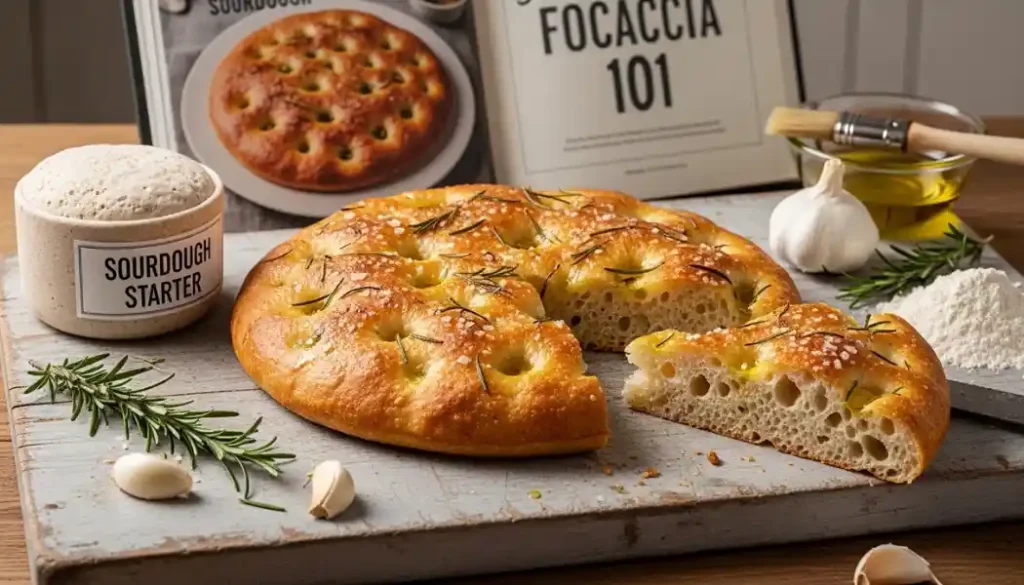
Sourdough focaccia is one of the best breads you can make if you’re new to sourdough baking. This Sourdough Focaccia 101 guide is designed to help beginners understand not just the recipe, but the why behind every step. Unlike regular yeast focaccia, sourdough focaccia bread uses a natural sourdough starter, which creates a deeper flavor, a soft airy crumb, and a crispy olive-oil crust—without complicated shaping.
If you’ve ever wondered how to make sourdough focaccia, struggled with sticky dough, or worried your bread wouldn’t rise, you’re in the right place. This guide breaks everything down in simple language, with clear steps, beginner tips, and easy fixes for common mistakes. By the end, you’ll know how to make easy sourdough focaccia with confidence—even on your first try.
Quick Answer
Sourdough focaccia is a soft, airy Italian bread made using a natural sourdough starter instead of commercial yeast. It has a crisp olive oil crust and light crumb. Beginners can make it successfully by following simple steps, allowing proper fermentation, and focusing on patience rather than perfection.
What Is Sourdough Focaccia?
Sourdough focaccia is a traditional Italian-style bread made with a natural sourdough starter instead of commercial yeast. It is known for its soft, airy interior and crispy, olive oil–rich crust. Unlike heavy breads, it feels light and full of flavor because of natural fermentation.
What makes it special is its long fermentation process, which develops better taste and texture over time. This slow rise also improves digestibility, making it easier on the stomach compared to regular bread. The result is a bread that is slightly tangy, deeply flavorful, and beautifully airy inside.
Why Sourdough Focaccia Is Perfect for Beginners
Sourdough focaccia is one of the easiest breads for beginners because it is very forgiving and flexible.
- No shaping stress – You don’t need perfect shaping skills like other sourdough breads. Just stretch the dough into a pan.
- Forgiving high-hydration dough – Even if the dough feels sticky, it still bakes beautifully into a light, airy bread.
- High success rate vs sourdough loaves – Compared to traditional sourdough bread, focaccia is much easier to master on the first few tries.
This makes it a perfect starting point for anyone learning easy sourdough focaccia baking.
Sourdough Focaccia vs Yeast Focaccia
| Feature | Sourdough Focaccia | Yeast Focaccia |
| Flavor | Deep, slightly tangy, complex | Mild and neutral |
| Rise Time | Long fermentation (8–24+ hours) | Fast (1–2 hours) |
| Digestibility | Easier to digest due to fermentation | Less fermented, heavier feel |
| Texture | Airy, open crumb, chewy edges | Softer but less complex crumb |
| Beginner Difficulty | Easy but time-based patience required | Very easy and fast results |
Who This Sourdough Focaccia Guide Is For
This sourdough focaccia 101 guide is made for anyone who wants to bake bread at home without stress or confusion. It is especially helpful if you are:
- First-time sourdough bakers who are just starting with a sourdough starter
- Bakers who already have an active starter but still feel low confidence in dough handling
- People who have tried sourdough bread before but ended up with dense or flat results
If that sounds like you, this guide will help you understand easy sourdough focaccia in a simple, step-by-step way.
Ingredients for Sourdough Focaccia (With Ratios)
To make perfect sourdough focaccia bread, you only need a few basic ingredients, but balance is important.

- Flour (All-Purpose or Bread Flour): Bread flour gives more structure, while all-purpose flour creates a softer crumb.
- Water & Hydration: Typically 70%–85% hydration is used for airy focaccia. Higher hydration = more open crumb.
- Olive Oil: A generous amount is key for a crispy golden crust and rich flavor.
- Salt: Added for taste and to control fermentation strength.
- Optional Toppings: Herbs, garlic, olives, or tomatoes for extra flavor.
Hydration Mini Chart
| Hydration % | Dough Feel | Result |
| 70% | Easier to handle | Slightly tighter crumb |
| 75% | Balanced | Soft + airy |
| 80–85% | Very sticky | Open, bubbly focaccia |
Tools & Pan Selection (What Actually Matters)
The right tools make sourdough focaccia recipe for beginners much easier.
- Best pan size: A medium rectangular pan helps create a thicker, airy crumb.
- Metal vs Glass vs Cast Iron: Metal pans give the crispiest bottom, while glass is softer and slower to heat. Cast iron gives deep browning.
- Pan size matters: If your pan is too large, the focaccia spreads thin. If too small, it becomes thick and undercooked inside.
Choosing the right pan directly affects your final crispy sourdough focaccia crust.
Understanding High-Hydration Dough
Many beginners panic when they first handle high-hydration sourdough focaccia dough because it feels sticky and loose—but this is completely normal.
- What “sticky” really means: It means the dough has more water, not that it is wrong.
- Dough feel expectation: It should feel soft, jiggly, and slightly messy, not firm like regular bread dough.
- Common fear: “Is my dough ruined?” → The answer is NO. Sticky dough is actually what creates an airy focaccia crumb.
Learning to trust the dough is one of the biggest steps in mastering easy sourdough focaccia.
Sourdough Focaccia Timeline (Start-to-Bake Flow)
Understanding timing is key to success in any sourdough focaccia recipe for beginners.
- Feeding the starter: Refresh your sourdough starter until it becomes active and bubbly.
- Mixing & rest: Combine ingredients and let the dough rest to develop structure naturally.
- Bulk fermentation: The dough rises slowly, building flavor and air bubbles.
- Pan proofing: The dough is transferred to a tray and allowed to rise again until puffy.
- Bake window: Bake when the dough is airy, jiggly, and full of bubbles for the best crispy sourdough focaccia result.
Step-by-Step Sourdough Focaccia Method
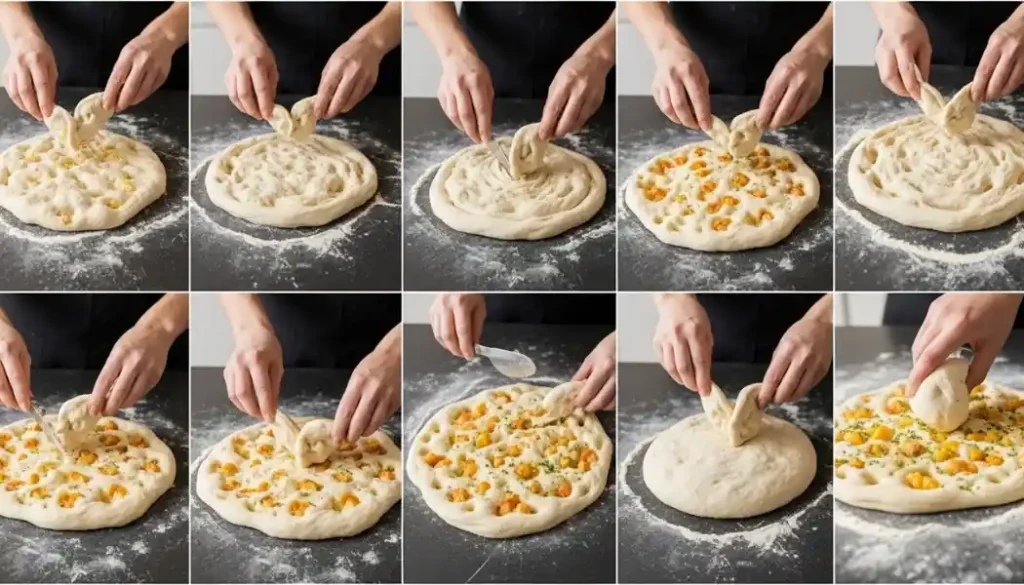
Making sourdough focaccia bread is simple when you follow the right flow. There is no complicated shaping—just patience, timing, and understanding your dough.
Mixing the Dough (No Kneading Required)
Start by combining your sourdough starter, water, flour, and salt in a bowl. Mix until everything is fully hydrated and no dry flour remains.
No kneading needed—just mix until the dough looks sticky and shaggy. This is what helps create an airy sourdough focaccia crumb.
Stretch & Folds (Why They Matter)
Instead of kneading, you will gently stretch and fold the dough every 20–30 minutes during the early stage.
This strengthens gluten naturally and builds structure without overworking the dough. It’s key for achieving that light, bubbly texture.
Bulk Fermentation (Signs, Not Time)
Let the dough rest and rise slowly. Instead of focusing only on time, watch the dough.
It should look puffy
You should see bubbles forming
It should feel lighter and jiggly
This step develops flavor in your sourdough focaccia recipe for beginners.
Pan Proofing & Dimpling
Transfer the dough into an oiled pan and let it rise again. Once puffy, use your fingers to gently press dimples into the surface.
These dimples hold olive oil and create the signature crispy sourdough focaccia crust.
Baking for Crispy Outside & Soft Inside
Bake in a hot oven until golden brown. The high olive oil content creates a crispy bottom, while steam inside keeps the crumb soft and airy.
This balance is what makes easy sourdough focaccia so special.
Same-Day vs Overnight Sourdough Focaccia
One big decision in any sourdough focaccia recipe for beginners is whether to bake it the same day or overnight.
- Flavor difference:
Overnight fermentation creates a deeper, slightly tangier flavor, while same-day focaccia tastes milder and more neutral. - Texture difference:
Overnight dough develops a more open, airy crumb, while same-day focaccia is slightly softer and less complex. - Which option beginners should choose:
If you are new, start with same-day sourdough focaccia for simplicity. Once confident, switch to overnight fermentation for better flavor and structure.
How to Tell When Sourdough Focaccia Is Properly Proofed
Knowing when your dough is ready is one of the most important skills in sourdough focaccia baking.
- Visual cues: The dough should look puffy, airy, and slightly domed in the pan.
- Finger-dent test: Gently press your finger into the dough—if it springs back slowly and leaves a slight dent, it is ready.
- Aroma cues: A light, slightly tangy smell means fermentation is perfect.
- Over-proof vs under-proof signs:
- Over-proofed dough collapses easily and looks deflated
- Under-proofed dough feels tight and doesn’t have enough bubbles
Learning these signs ensures success in your easy sourdough focaccia journey.
Common Beginner Mistakes (And Easy Fixes)
Even the best sourdough focaccia recipe for beginners can fail if a few small details go wrong. The good news is every mistake has a simple fix.
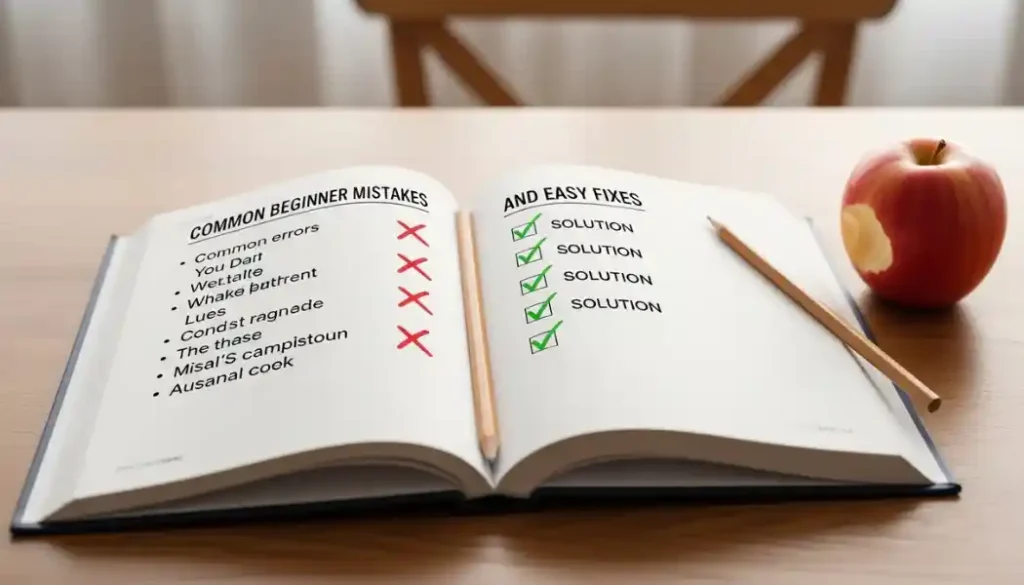
Beginner Mistakes Table
| Problem | Likely Cause | Quick Fix |
| Too sticky dough | High hydration or under-mixed flour | Wet hands with oil or water, don’t add extra flour |
| Flat focaccia | Under-proofing or weak starter | Give more fermentation time and ensure starter is active |
| Too sour taste | Over-fermentation or old starter | Shorten fermentation or refresh starter more often |
| Dense crumb | Poor gas development or under-proofing | Add more stretch & folds and allow full bulk rise |
| Burnt bottom | Oven too hot or thin pan | Lower rack position or use thicker metal pan |
These small fixes can instantly improve your easy sourdough focaccia results.
How to Control Sourness in Sourdough Focaccia
One common issue in sourdough focaccia bread is unwanted sourness. You can control it easily with a few adjustments:
- Starter maturity: A young, well-fed starter creates a milder flavor, while an overripe starter increases sourness.
- Fermentation length: Longer fermentation = stronger sour taste. Shorter timing gives a lighter flavor.
- Temperature control: Warmer environments speed up fermentation and can increase sourness, while cooler temperatures slow it down and create a milder profile.
Adjusting these three factors helps you balance flavor in your sourdough focaccia recipe for beginners.
Best Toppings That Work with Sourdough
Toppings can turn simple sourdough focaccia bread into something special.
Safe Beginner Toppings
- Fresh rosemary
- Sea salt flakes
- Garlic and olive oil
- Cherry tomatoes
Advanced Options
- Caramelized onions
- Olives and feta
- Roasted vegetables
- Herbs + cheese combinations
What NOT to Add Before Baking
- Heavy sauces (they make dough soggy)
- Raw watery vegetables (like cucumber or lettuce)
- Too much cheese (can burn or block rise)
The goal is to keep the signature crispy sourdough focaccia crust intact.
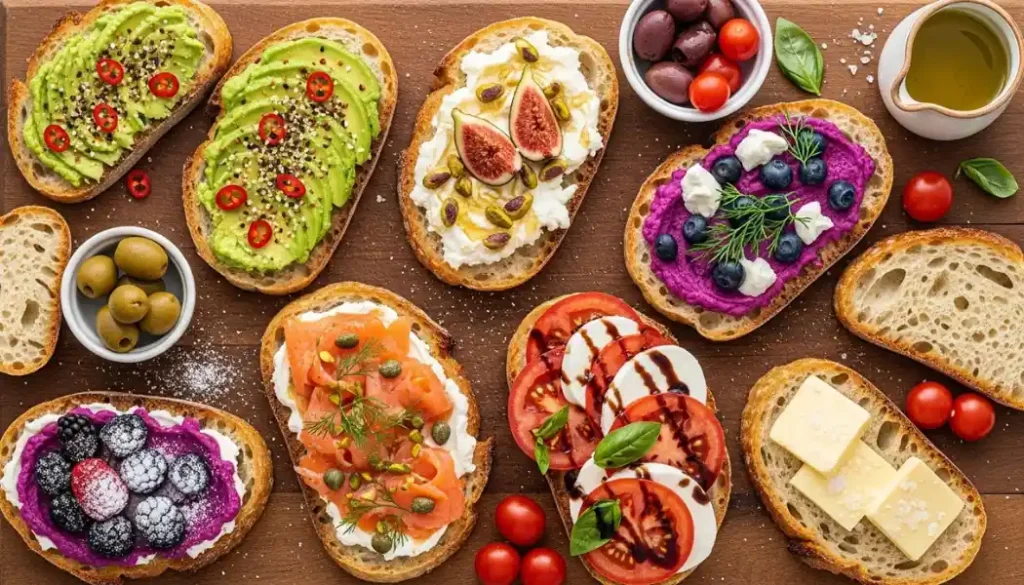
Serving Ideas (More Than a Side Bread)
Sourdough focaccia is not just bread—it can become a full meal experience.
- Sandwich bread: Slice it horizontally and fill with meats, cheese, or veggies
- Breakfast focaccia: Top with eggs, avocado, or herbs for a hearty morning meal
- Appetizers & sharing: Cut into small squares and serve with dips or soups
These ideas make your easy sourdough focaccia more versatile and enjoyable for any occasion.
Storage, Reheating & Freezing Tips
Proper storage helps keep your sourdough focaccia bread fresh, soft, and flavorful even after baking.
- Same-day storage: Keep focaccia in an airtight container or wrap it lightly in foil at room temperature. Avoid sealing it while it’s still hot, or it will become soggy.
- Next-day crisping: Reheat in a hot oven (180–200°C / 350–400°F) for a few minutes to restore the crispy sourdough focaccia crust. A drizzle of olive oil before reheating improves texture.
- Freezer-friendly tips: Slice the focaccia first, wrap tightly, and freeze. Reheat directly from frozen for best results.
Sourdough Focaccia FAQs
Can I make it without overnight proof?
Yes. You can make easy sourdough focaccia the same day, but overnight fermentation gives better flavor and texture.
Can I reduce the sour taste?
Yes. Use a fresh, active sourdough starter and shorten fermentation time.
Can I use whole wheat flour?
Yes, but mix it with white flour for a lighter sourdough focaccia crumb.
Can I use sourdough discard?
It’s possible, but the rise will be weaker compared to an active starter.
Can I bake it the same day?
Yes. A same-day method works well for beginners who want faster results.
Final Tips
Making sourdough focaccia 101 for the first time is all about patience, not perfection.
- Confidence boost: Even sticky or uneven dough can turn into beautiful focaccia if you follow fermentation signs.
- Pro tip beginners miss: Always trust visual cues (bubbles + jiggle) instead of strict timing—this is the secret to perfect easy sourdough focaccia.
- Final thought: Every bake improves your instinct. Don’t worry about mistakes—they are part of learning.
With practice, you’ll consistently create light, airy, and delicious sourdough focaccia bread that feels bakery-quality at home.