
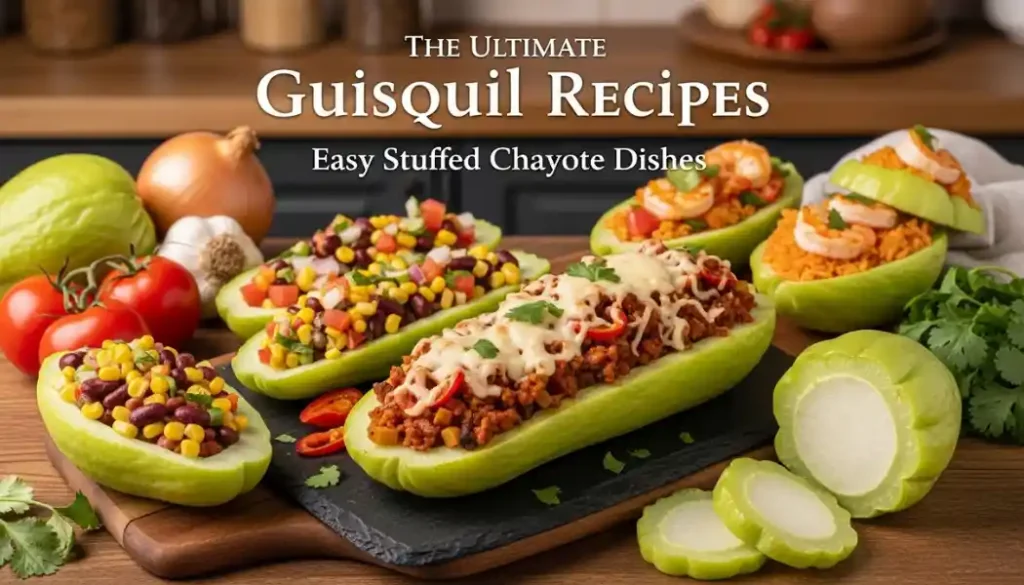
Guisquil recipes, also known as chayote recipes, are very popular in Latin American cooking because the vegetable is simple, affordable, and easy to cook. It has a light taste and soft texture, which makes it perfect for many dishes like soups, stews, and stuffed recipes such as rellenos de guisquil. Families in countries like El Salvador, Guatemala, and Mexico have used it for generations in daily home meals.
Today, guisquil is also becoming popular around the world. People are searching for healthy and low-calorie vegetables, and guisquil fits perfectly into that trend. It is now used in both traditional recipes and modern healthy dishes like keto meals, air fryer recipes, and vegetarian cooking.
In this guide, you will explore everything about guisquil—from traditional stuffed guisquil recipes to easy cooking methods, health benefits, and simple tips to prepare it perfectly at home.
Quick Answer
Guisquil recipes are simple Latin American dishes made from chayote (guisquil), a light green vegetable used in soups, stews, and especially rellenos de guisquil (stuffed guisquil). It is popular in countries like El Salvador, Guatemala, and Mexico because it is affordable, healthy, and easy to cook.
You can prepare guisquil by boiling, frying, baking, or air frying, and it works well with fillings like beef, chicken, cheese, or vegetables. Modern versions also include healthy, keto, and low-calorie chayote recipes.
Overall, guisquil is a versatile and nutritious vegetable used in both traditional and modern cooking, making it perfect for everyday meals.
What is Guisquil (Chayote)? Complete Beginner Explanation
Guisquil, also known as chayote, is a light green, pear-shaped vegetable commonly used in guisquil recipes across Latin America. It belongs to the gourd family and is widely grown in countries like El Salvador, Guatemala, and Mexico. This vegetable is very popular in home cooking because it is affordable, easy to prepare, and fits many types of dishes like soups, stews, and stuffed guisquil recipes (rellenos de guisquil).
In different regions, guisquil has different names. In most Latin American countries, it is called guisquil, while in international markets it is more commonly known as chayote. Despite the different names, it is the same vegetable with similar cooking uses.
Its taste is very mild and slightly sweet, with a soft but crisp texture when cooked. This makes it perfect for absorbing flavors in traditional and modern guisquil recipes.
Nutritional Value of Guisquil
Guisquil is known as a low-calorie vegetable, making it a great choice for healthy eating and weight control. It is often included in healthy guisquil recipes because it helps add volume to meals without adding many calories.
It is also rich in dietary fiber, which supports good digestion and helps keep the stomach full for longer. This is why many people include it in weight loss-friendly chayote recipes.
Guisquil also contains important vitamins and antioxidants, which support overall health. It is especially helpful for heart health, as it can support better cholesterol balance and overall wellness when included in a balanced diet.
Guisquil vs Chayote: Are They the Same?
Yes, guisquil and chayote are the same vegetable, but the name changes depending on the region. In Latin America, it is commonly called guisquil, while in English-speaking countries and global markets, it is known as chayote.
When it comes to cooking, both are used in very similar ways. They can be boiled, fried, baked, or used in stuffed guisquil recipes, soups, and salads without any major difference in preparation.
However, recipes vary by region because of cultural cooking styles. For example, Latin American cuisine often focuses on rellenos de guisquil (stuffed guisquil), while other regions may use it more in light vegetable dishes, soups, or healthy modern recipes.
How to Prepare Guisquil for Cooking (Step-by-Step Guide)
Before making any guisquil recipes or chayote recipes, proper preparation is very important. It helps improve texture, taste, and cooking results, especially for dishes like rellenos de guisquil.
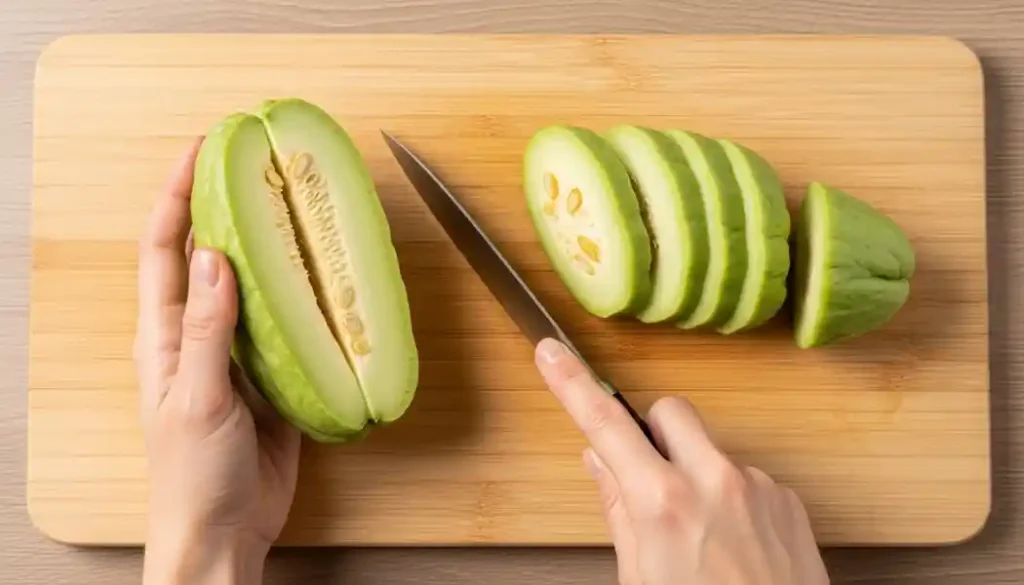
How to peel guisquil safely
Guisquil has a slightly sticky skin, so it is best to peel it under running water. Use a sharp knife or vegetable peeler and gently remove the outer layer. This helps prevent slipping and makes the process safer.
Removing seed properly
Cut the guisquil in half and remove the soft seed from the center. The seed is edible in some recipes, but most traditional guisquil recipes remove it for better texture.
Cutting methods
Depending on your recipe, you can cut guisquil in different ways:
- Slices for boiling or sautéing
- Small cubes for soups
- Halved or hollowed pieces for stuffing in rellenos de guisquil
Cooking prep mistakes to avoid
- Do not over-peel, as it can become too soft
- Avoid cutting too early before cooking (it can darken)
- Do not overboil before stuffing, or it may break
How to Cook Guisquil
Guisquil recipes are very flexible and can be cooked in many simple ways depending on your preference.
Boiling method
Boiling is the easiest way to cook guisquil. It softens the vegetable and is often used for salads or light side dishes.
Steaming method
Steaming keeps more nutrients and gives a firmer texture, making it great for healthy chayote recipes.
Frying method
Frying adds a crispy texture and is commonly used in rellenos de guisquil (stuffed guisquil recipes).
Baking method
Baking is a healthier option that reduces oil usage while still giving a soft and flavorful result.
Air fryer method
Air frying is a modern cooking style that is becoming popular in healthy guisquil recipes. It creates a crispy outside without deep frying, making it ideal for weight-conscious diets.
Traditional Rellenos de Guisquil (Stuffed Guisquil Recipe)
Rellenos de guisquil is one of the most famous traditional guisquil recipes in Latin American cuisine. It is a stuffed version that is crispy on the outside and soft on the inside.
Ingredients List
- Medium guisquil (chayote)
- Ground beef or chicken
- Onion and garlic
- Eggs
- Flour or breadcrumbs
- Salt, pepper, and spices
- Oil for frying
Step-by-Step Cooking Instructions
First, boil the guisquil lightly until slightly soft. Then cut it in half and remove the seed carefully. Fill the center with seasoned meat mixture. Coat it with egg and flour mixture, then fry or bake until golden and crispy.
Frying vs Baking Comparison
Frying gives a crispy and traditional flavor, commonly used in Salvadoran guisquil recipes. Baking is a lighter option that uses less oil and is better for healthy chayote recipes.
Pro Tips for Perfect Texture
- Do not overboil guisquil before stuffing
- Make sure filling is not too wet
- Use chilled guisquil for easier handling
- Let it rest before frying or baking to hold shape better
Popular Salvadoran & Latin Guisquil Variations
Guisquil recipes are very flexible, and across Latin America you will find many delicious versions of this vegetable. In El Salvador, Guatemala, and Mexico, guisquil is often turned into rellenos de guisquil (stuffed guisquil recipes) with different fillings based on taste and availability.

Ground beef stuffed guisquil
One of the most traditional versions. The guisquil is filled with seasoned ground beef, onions, garlic, and spices, then fried or baked for a rich and hearty meal.
Chicken stuffed guisquil
A lighter option where shredded or minced chicken is used. It is very common in home-style guisquil recipes and has a softer flavor compared to beef.
Cheese-filled guisquil
This variation uses melted or soft cheese as filling. It is popular for those who prefer simple vegetarian chayote recipes with creamy texture.
Egg-based guisquil recipe
Eggs are mixed with vegetables or spices and used as filling. This is often used for quick and affordable guisquil recipes at home.
Seafood stuffed guisquil (modern variation)
A modern twist using shrimp, fish, or mixed seafood. This version is less traditional but growing in popularity in modern Latin guisquil recipes.
Traditional Guisquil Soup Recipe (Comfort Food Version)
Guisquil soup is one of the most comforting and traditional chayote recipes in Latin American households. It is light, warm, and perfect for daily meals.
Ingredients
- Guisquil (chayote), peeled and chopped
- Onion and garlic
- Chicken or vegetable broth
- Carrots or potatoes (optional)
- Salt, pepper, and herbs
- Optional meat pieces (chicken or beef)
Cooking steps
First, sauté onion and garlic until fragrant. Add guisquil and other vegetables, then pour in broth. Cook until everything becomes soft and well blended. Adjust seasoning and serve warm.
Why it is a staple dish in Latin homes
This soup is popular because it is simple, healthy, and affordable. It is often used as a daily meal in many homes and is one of the most loved traditional guisquil recipes because it is light on the stomach and very nourishing.
Easy Guisquil Recipes for Everyday Cooking
These easy guisquil recipes are perfect for quick meals and beginners who want simple chayote cooking ideas.
Boiled guisquil with seasoning
Boiled guisquil is one of the easiest ways to enjoy this vegetable. It is simply cooked in water and then seasoned with salt, pepper, and a little oil or lemon for flavor.
Sauteed garlic guisquil
In this method, guisquil is sliced and sautéed with garlic and onions. It is a quick and flavorful side dish that fits well in healthy guisquil recipes.
Guisquil with eggs (quick breakfast recipe)
This is a popular breakfast option where guisquil is cooked and mixed with scrambled eggs. It is simple, nutritious, and commonly used in easy chayote recipes for daily meals.
Healthy & Modern Guisquil Recipes

Modern guisquil recipes are not just traditional anymore. Today, people also use chayote recipes for healthy eating, weight control, and special diets like keto and gluten-free lifestyles. These modern versions are simple, light, and full of nutrition.
Keto guisquil recipes
Guisquil is naturally low in carbs, making it a good option for keto-friendly chayote recipes. It can be cooked with butter, cheese, or eggs for a filling low-carb meal.
Gluten-free guisquil dishes
Most guisquil recipes are naturally gluten-free because they do not require wheat-based ingredients. It is often used in baked or boiled meals for gluten-sensitive diets.
Weight loss chayote recipes
Because it is low in calories and high in fiber, guisquil is widely used in weight loss-friendly recipes. It helps keep you full without adding heavy calories.
Low calorie meal prep ideas
Guisquil is great for meal prep. You can boil, sauté, or bake it in advance and use it for quick healthy meals throughout the week.
Air fryer stuffed guisquil (high opportunity)
This modern version of rellenos de guisquil uses an air fryer instead of deep frying. It gives a crispy texture with less oil, making it perfect for healthy cooking.
Guisquil Meal Ideas for Daily Use
Guisquil recipes are very versatile and can easily be included in your daily meals. Here are simple ideas for every part of the day.
Breakfast ideas
- Guisquil with scrambled eggs
- Light sautéed guisquil with vegetables
- Boiled guisquil with seasoning
Lunch ideas
- Stuffed guisquil with meat or chicken
- Guisquil soup with vegetables
- Rice with sautéed guisquil side dish
Dinner ideas
- Baked guisquil with spices
- Light guisquil stew
- Keto guisquil bowl with protein
Healthy snack options
- Air-fried guisquil slices
- Light salted boiled guisquil
- Cheese-filled mini guisquil bites
Common Mistakes When Cooking Guisquil
Even simple chayote recipes can go wrong if not prepared properly. Here are common mistakes to avoid.
Overcooking issues
Overcooking makes guisquil too soft and watery, especially in stuffed guisquil recipes.
Watery texture problem
This happens when guisquil is not drained properly after boiling. It can affect stuffing and frying results.
Bitter taste issues
Sometimes guisquil can taste slightly bitter if not cleaned or cooked correctly.
Stuffing falling apart
This usually happens when the filling is too wet or the guisquil is too soft.
Pro Cooking Tips for Perfect Guisquil Recipes
These expert tips can improve your guisquil recipes and make them taste more professional and balanced.
Best spices for flavor
Garlic, black pepper, cumin, and oregano work very well in traditional guisquil recipes.
How to keep stuffing intact
Make sure the filling is thick and not watery. Let the guisquil cool before stuffing.
How to enhance taste naturally
Add lemon juice, fresh herbs, or lightly roasted garlic to improve flavor without heavy ingredients.
Texture improvement techniques
Do not overboil guisquil. Light cooking helps maintain firmness for rellenos de guisquil.
How to Remove Bitterness from Guisquil
Sometimes guisquil may have a slight bitter taste, but it can be easily fixed using simple kitchen methods.
Simple kitchen methods
Wash thoroughly and peel properly before cooking to reduce bitterness.
Salt and soaking technique
Soak cut guisquil in salted water for a few minutes before cooking. This helps reduce bitterness and improves texture.
Cooking hacks
Adding lemon, vinegar, or cooking it with onion and garlic can naturally balance and improve the taste in healthy chayote recipes.
Traditional Importance of Guisquil in Latin American Cuisine
Guisquil recipes hold a deep cultural value in Latin American kitchens, especially in El Salvador, Guatemala, and Mexico. This vegetable, also known as chayote, has been part of family meals for generations because it is affordable, easy to grow, and very versatile in cooking.
In many homes, guisquil is used in family-style cooking traditions, where meals are prepared in large portions and shared together. It is commonly added to soups, stews, and especially traditional guisquil recipes like rellenos de guisquil. This makes it a symbol of comfort food and togetherness.
Guisquil is also an important part of cultural food heritage, representing simple but meaningful home cooking that has been passed down through generations.
Why Rellenos de Guisquil is a Famous Traditional Dish

Rellenos de guisquil is one of the most loved traditional guisquil recipes in Latin America.
Historical background
This dish comes from home cooking traditions where simple vegetables were stuffed with meat, cheese, or eggs to create filling meals for families.
Why it is still popular today
It remains popular because it is affordable, flavorful, and can be adapted into both traditional and modern chayote recipes.
Home cooking significance
It is often prepared during family gatherings and special meals, making it a comforting dish that represents homemade Latin cooking.
Health Benefits of Guisquil (Why It is a Super Vegetable)
Guisquil recipes are not only tasty but also very healthy, which is why guisquil is often called a “super vegetable.”
Weight loss support
It is low in calories and helps you feel full, making it great for weight loss-friendly chayote recipes.
Digestion improvement
Its high fiber content supports smooth digestion and gut health.
Low calorie nutrition
Guisquil provides nutrients without adding heavy calories, making it perfect for daily meals.
Heart-friendly food
It can support heart health by helping maintain a balanced diet.
Antioxidant properties
It contains antioxidants that help protect the body from damage and support overall wellness.
Frequently Asked Questions About Guisquil Recipes
What is guisquil used for in cooking?
Guisquil is used in soups, stews, salads, and stuffed dishes like rellenos de guisquil.
Can you eat guisquil raw?
Yes, but it is usually cooked because cooking improves taste and texture in most chayote recipes.
How long does guisquil take to cook?
It usually takes 10–20 minutes depending on the method used.
What does guisquil taste like?
It has a mild, slightly sweet taste with a soft texture when cooked.
Is guisquil good for weight loss?
Yes, it is low in calories and high in fiber, making it great for weight loss diets.
What is the healthiest way to cook chayote?
Steaming or boiling are the healthiest methods because they preserve nutrients without adding extra fat.
Final Thoughts
Guisquil recipes are a perfect mix of tradition and modern cooking. From classic rellenos de guisquil to simple soups and healthy air fryer versions, this vegetable can fit into almost any type of meal.
Its value goes beyond taste—it is a versatile superfood that supports health, weight management, and everyday cooking needs. Whether you prefer traditional Latin dishes or modern healthy chayote recipes, guisquil is an easy and nutritious choice.
If you try these recipes, you will see why guisquil remains an important part of both cultural heritage and modern healthy cooking.