
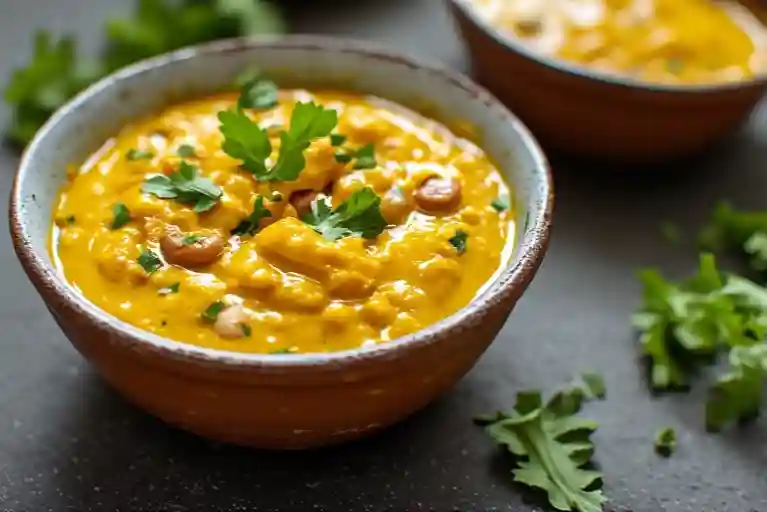
If you’ve ever wanted to make an authentic Thai yellow curry paste at home but needed a version without shrimp paste or fish sauce, this vegan yellow curry paste recipe is exactly what you need. Made with fresh herbs, warming spices, and simple plant-based ingredients, this homemade yellow curry paste delivers the rich flavor of traditional Thai cooking while staying completely vegan.
The best part? This vegan Thai yellow curry paste is surprisingly easy to prepare. You don’t need special skills to create a flavorful homemade vegan curry paste that tastes better than many store-bought options. Whether you’re making a comforting curry, adding depth to soups, or planning meals ahead, this yellow curry paste without shrimp paste will quickly become a kitchen favorite. Plus, you’ll discover helpful substitutions, storage tips, and expert tricks to make this recipe work with ingredients you already have.
Quick Answer
This vegan yellow curry paste recipe is a plant-based version of traditional Thai yellow curry paste made without shrimp paste or fish sauce. It combines fresh aromatics, warming spices, and herbs to create a rich, flavorful homemade yellow curry paste that’s perfect for curries, soups, stir-fries, and marinades. If you’re looking for an authentic vegan Thai yellow curry paste recipe, this easy version delivers bold flavor using simple ingredients and practical substitutions.
Why This Recipe Stands Out From Store-Bought Curry Paste
Many store-bought curry pastes contain hidden ingredients like shrimp paste, fish sauce, preservatives, and extra sodium. While convenient, they often lack the freshness and flexibility of a homemade vegan curry paste.
This vegan Thai yellow curry paste gives you complete control over what goes into your food. You can adjust the spice level, customize ingredients, and avoid allergens while enjoying a fresher, more vibrant flavor. It’s also freezer-friendly, making it ideal for meal prep and busy weeknights. Once you learn how to make vegan yellow curry paste, you’ll see why homemade versions are worth the extra few minutes.
What Is Vegan Yellow Curry Paste?
Vegan yellow curry paste is a flavorful Thai spice paste made from aromatic herbs, fresh roots, and dried spices blended together. It serves as the flavor base for many Thai-inspired dishes and provides the signature taste found in Thai yellow curry.
Unlike traditional versions, this yellow curry paste without shrimp paste uses only plant-based ingredients. The result is an authentic Thai yellow curry paste with earthy, slightly sweet, and mildly spicy notes that work beautifully in both classic and modern recipes.
Why Most Yellow Curry Pastes Aren’t Vegan
Traditional Thai curry paste recipes often include shrimp paste to add salty, savory depth. Some commercial brands may also contain fish sauce, making them unsuitable for people following a vegan lifestyle.
That’s why reading ingredient labels is important. A true vegan curry paste recipe removes animal-based ingredients without sacrificing flavor. This recipe relies on fresh aromatics and carefully balanced spices to create the same satisfying taste while remaining completely plant-based.
The Secret Behind Its Signature Yellow Color
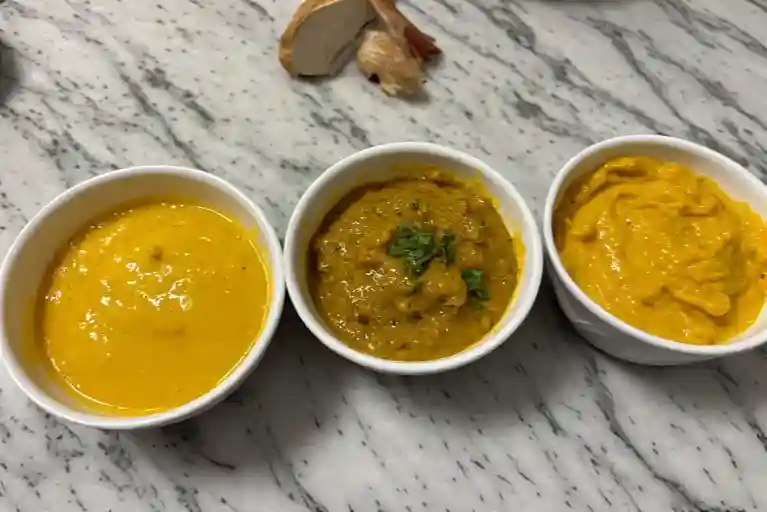
The beautiful golden color of yellow curry paste comes mainly from turmeric. Fresh turmeric provides an earthy flavor and vibrant hue, while ground turmeric offers a convenient alternative when fresh roots aren’t available.
This ingredient not only gives the paste its recognizable appearance but also contributes warmth and depth to the overall flavor. Combined with spices like coriander and cumin, turmeric helps create the distinctive character that sets Thai yellow curry paste apart from red and green curry pastes.
Ingredients You’ll Need
To make this homemade Thai curry paste, gather these essential ingredients:
- Shallots
- Garlic
- Lemongrass
- Galangal
- Fresh turmeric
- Thai chilies
- Coriander seeds
- Cumin seeds
- Makrut lime leaves
- Cilantro stems or roots
- Palm sugar
- Lime juice
- Tamari or soy sauce
These ingredients work together to create an authentic vegan Thai yellow curry paste recipe with layers of fresh, aromatic flavor.
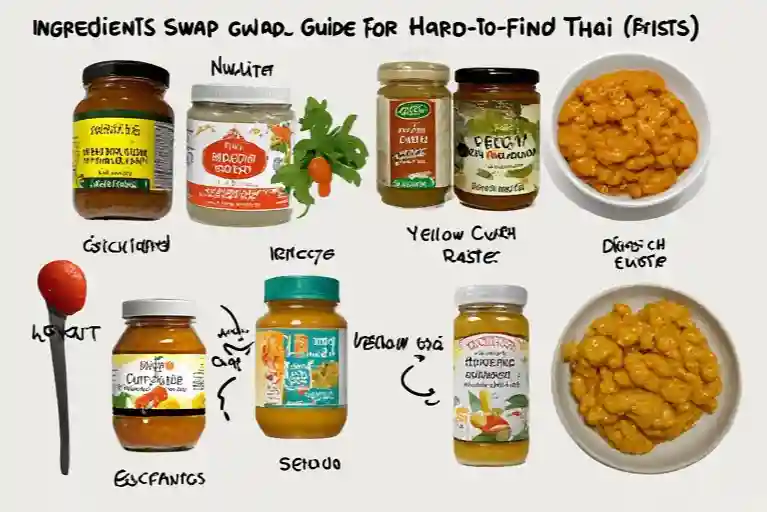
Ingredient Swap Guide for Hard-to-Find Thai Ingredients
Don’t worry if you can’t find every traditional ingredient. This easy vegan yellow curry paste recipe is flexible and beginner-friendly.
| Traditional Ingredient | Easy Substitute |
| Galangal | Fresh ginger |
| Fresh turmeric | Ground turmeric |
| Makrut lime leaves | Lime zest |
| Palm sugar | Brown sugar |
| Thai chilies | Serrano peppers |
| Cilantro roots | Cilantro stems |
| Tamari | Soy sauce |
These simple swaps allow you to enjoy a delicious homemade yellow curry paste without shrimp paste, even if specialty Thai ingredients aren’t available nearby. The flavor may vary slightly, but you’ll still achieve a rich and satisfying result.
Step-by-Step Instructions to Make Vegan Yellow Curry Paste
Making this vegan yellow curry paste recipe is easier than many people think. Once you prepare the ingredients, the process comes together quickly.
Step 1: Prepare the Ingredients
Wash and roughly chop the shallots, garlic, lemongrass, galangal, and fresh turmeric. Remove the stems from the Thai chilies and finely slice the makrut lime leaves if using.
Step 2: Toast the Dry Spices
Place the coriander seeds and cumin seeds in a dry pan over medium heat. Toast them for 1–2 minutes until fragrant. This simple step brings out their natural oils and adds depth to your homemade Thai curry paste.
Step 3: Blend Everything Together
Add the prepared aromatics, toasted spices, cilantro stems, palm sugar, lime juice, and tamari or soy sauce to a food processor. Blend until a thick, smooth paste forms. Scrape down the sides as needed.
Step 4: Adjust the Flavor
Taste the paste and adjust if necessary. Add more chilies for heat, lime juice for brightness, or a small amount of palm sugar for balance.
Your homemade vegan curry paste is now ready to use immediately or store for later.
Traditional Method vs Food Processor Method
Traditionally, authentic Thai yellow curry paste is made using a mortar and pestle. The ingredients are slowly pounded together until they release their oils and create a deeply aromatic paste. Many Thai cooks believe this method produces the richest flavor and texture.
A food processor, however, offers convenience and speed. It’s ideal for busy home cooks who still want an authentic vegan Thai yellow curry paste recipe without spending extra time.
Both methods produce delicious results:
| Method | Benefits |
| Mortar and Pestle | Traditional texture, deeper flavor development |
| Food Processor | Faster, easier, and beginner-friendly |
Choose the method that fits your lifestyle. The flavor will still be outstanding.
What Does Yellow Curry Paste Taste Like?
Yellow curry paste has a warm, comforting flavor that is often milder than other Thai curry pastes. It combines earthy notes from turmeric, citrusy freshness from lemongrass, and subtle sweetness from shallots and palm sugar.
The toasted spices add gentle warmth, while the chilies provide a balanced heat that doesn’t overpower the dish. This unique combination creates a flavor that is:
- Earthy
- Slightly sweet
- Fragrant
- Mildly spicy
- Rich and aromatic
It’s one reason why vegan Thai yellow curry paste appeals to both beginners and longtime curry lovers.
Is Yellow Curry Paste Spicy?
Compared to other Thai curry pastes, yellow curry paste is generally considered the mildest. While it does contain chilies, the heat is softened by ingredients like turmeric and aromatic spices.
The spice level depends largely on how many chilies you use.
- Use fewer chilies for a family-friendly version.
- Add extra Thai chilies if you enjoy more heat.
- Remove the seeds to reduce spiciness further.
This flexibility makes homemade yellow curry paste perfect for customizing to your taste preferences.
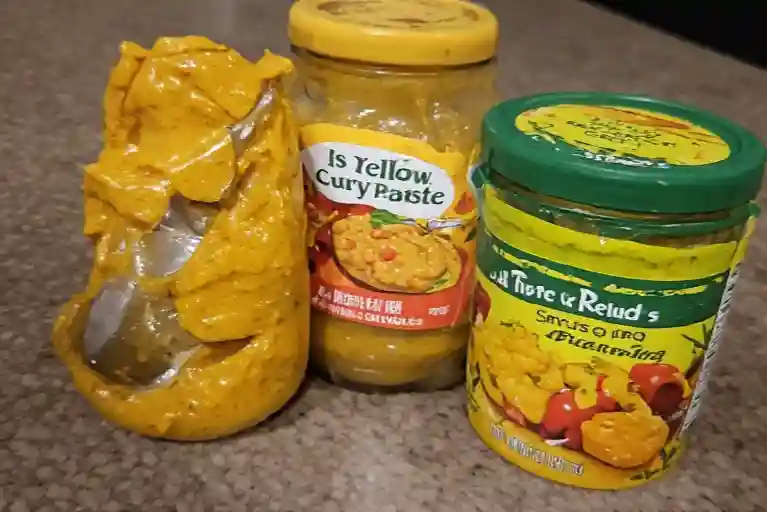
Yellow Curry Paste vs Red Curry Paste
Although both are staples in Thai cooking, they have distinct flavors and ingredients.
| Feature | Yellow Curry Paste | Red Curry Paste |
| Main Color Source | Turmeric | Dried red chilies |
| Heat Level | Mild to medium | Medium to hot |
| Flavor Profile | Earthy and slightly sweet | Bold and spicy |
| Common Use | Gentle curries and soups | Rich, spicy dishes |
| Vegan Adaptation | Easy to make vegan | Easy to make vegan |
If you prefer a milder curry with warming spices, vegan yellow curry paste is an excellent choice.
Yellow Curry Paste vs Green Curry Paste
Green curry paste is known for its fresh, herbal flavor and brighter heat, while Thai yellow curry paste offers a softer, more comforting taste.
| Feature | Yellow Curry Paste | Green Curry Paste |
| Main Ingredients | Turmeric and warm spices | Green chilies and fresh herbs |
| Flavor | Earthy and mild | Fresh and vibrant |
| Heat Level | Mild | Medium to high |
| Color | Golden yellow | Bright green |
| Best For | Creamy curries and soups | Herb-forward curries |
Understanding the difference between curry pastes helps you choose the right flavor for your meals. If you’re looking for an approachable option with balanced spice, this yellow curry vegan paste recipe is often the perfect place to start.
Best Ways to Use Vegan Yellow Curry Paste
One of the best things about this vegan yellow curry paste recipe is how versatile it is. Once you have a batch ready, you can use it in many delicious ways beyond traditional curry.
Here are some of the best ways to enjoy it:
- Classic Thai Yellow Curry: Simmer the paste with coconut milk, tofu, and vegetables.
- Soups: Stir a spoonful into vegetable or coconut-based soups for extra flavor.
- Stir-Fries: Toss it with noodles, tofu, and fresh vegetables.
- Marinades: Use it to marinate tofu, mushrooms, or roasted vegetables.
- Rice Dishes: Mix it into fried rice for a fragrant twist.
- Noodle Bowls: Add depth to noodle soups and stir-fried noodles.
- Dipping Sauces: Blend it with coconut milk for a quick sauce.
Knowing how to use yellow curry paste helps you get the most out of this homemade vegan curry paste and makes weeknight cooking much easier.
Meal Prep Tips for Busy Cooks
This homemade yellow curry paste is perfect for meal prep because you can make it once and use it throughout the week.
Here are a few time-saving tips:
- Double the recipe and freeze half for later.
- Portion the paste into small containers or ice cube trays.
- Label each batch with the preparation date.
- Keep a portion in the refrigerator for quick meals.
- Prepare chopped ingredients ahead of time before blending.
Making vegan Thai yellow curry paste in advance means you’ll always have the foundation for flavorful meals ready whenever you need it.
How to Store and Freeze Curry Paste
Proper storage keeps your homemade Thai curry paste fresh and flavorful.

Refrigerator Storage
Transfer the paste to an airtight container. Smooth the top and, if desired, cover it with a thin layer of oil to help preserve freshness.
- Store in the refrigerator.
- Use a clean spoon each time.
- Keep tightly sealed after every use.
Freezer Storage
Freezing is one of the easiest ways to preserve yellow curry paste without shrimp paste.
- Spoon the paste into ice cube trays.
- Freeze until solid.
- Transfer the cubes to freezer-safe bags or containers.
- Thaw only what you need.
This method makes meal prep simple and reduces food waste.
How Long It Stays Fresh
The shelf life of homemade yellow curry paste depends on how it’s stored.
| Storage Method | Freshness Duration |
| Refrigerator | About 5–7 days |
| Freezer | Up to 3 months |
Always check for changes in smell, color, or texture before using stored paste. Since this vegan curry paste recipe contains fresh ingredients and no preservatives, proper storage is important for the best flavor and quality.
Troubleshooting Guide
Even an easy vegan yellow curry paste recipe may need small adjustments. Here’s how to fix common problems.
Paste Too Thick
If your paste feels difficult to blend:
- Add a small amount of water.
- Use extra lime juice.
- Blend in short intervals until smooth.
Avoid adding too much liquid at once.
Paste Too Thin
If the mixture becomes watery:
- Add more chopped shallots or lemongrass.
- Blend in additional toasted coriander and cumin seeds.
- Let excess moisture evaporate by resting the paste for a few minutes.
The goal is a thick, spreadable consistency.
Too Spicy
If the heat level is stronger than expected:
- Mix in more shallots.
- Add a little extra palm sugar.
- Increase coconut milk when cooking with the paste.
This balances the spice without reducing flavor.
Lacking Flavor
If your authentic vegan Thai yellow curry paste recipe tastes flat:
- Add a splash of lime juice for brightness.
- Include a pinch of salt or extra tamari.
- Toast the spices before blending.
- Increase the amount of lemongrass or garlic.
Small adjustments often make a big difference.
Common Mistakes First-Time Cooks Make
Avoiding these common mistakes will help you create the best homemade vegan curry paste every time.
- Skipping the spice-toasting step: Toasted spices provide deeper flavor.
- Using old spices: Fresh spices create a more aromatic paste.
- Overloading the blender: Blend in batches if needed.
- Ignoring ingredient substitutions: Practical swaps can still produce excellent results.
- Adding too much liquid: This affects texture and storage life.
- Not tasting as you go: Adjust sweetness, acidity, and heat to suit your preference.
- Improper storage: Leaving the paste uncovered reduces freshness.
- Expecting exact restaurant flavor immediately: Authentic taste improves as you become familiar with balancing ingredients.
Remember, making vegan yellow curry paste at home is a skill that gets easier with practice. Each batch teaches you how to customize the flavors and create a paste that perfectly matches your taste.
Frequently Asked Questions
Can yellow curry paste be vegan?
Yes, yellow curry paste can absolutely be vegan. Traditional Thai versions often contain shrimp paste or fish sauce, which makes them unsuitable for a plant-based diet. However, this vegan yellow curry paste recipe uses only plant-based ingredients while still delivering the rich, aromatic flavor you expect from an authentic Thai yellow curry paste. By replacing or omitting animal-based ingredients, you can enjoy a delicious yellow curry paste without shrimp paste that works beautifully in all your favorite recipes.
Can I freeze homemade curry paste?
Absolutely. Freezing is one of the best ways to preserve homemade yellow curry paste. Divide the paste into small portions using ice cube trays, freeze until solid, and transfer the cubes to freezer-safe containers. This meal-prep method allows you to use only what you need while keeping the remaining paste fresh. Properly stored, homemade vegan curry paste can last for up to three months in the freezer.
Can I use dried spices instead of fresh?
Yes, although fresh ingredients provide the most authentic flavor. If you cannot find fresh turmeric, you can use ground turmeric. Likewise, dried coriander and cumin seeds still work well when toasted before blending. Keep in mind that fresh aromatics such as lemongrass, garlic, and shallots contribute brightness and depth to this easy vegan yellow curry paste recipe. Whenever possible, use fresh ingredients for the best results.
Can I make this without makrut lime leaves?
Yes. While makrut lime leaves add a unique citrus aroma to Thai yellow curry paste, they are not essential. If they are difficult to find, use a small amount of lime zest instead. The flavor will be slightly different, but your homemade Thai curry paste will still taste delicious. This simple substitution makes the recipe more accessible without sacrificing too much authenticity.
How much paste should I add to curry?
For most curry recipes, start with 2 to 3 tablespoons of vegan Thai yellow curry paste per can of coconut milk. You can always adjust the amount based on your taste preferences.
- Use 2 tablespoons for a milder curry.
- Use 3 to 4 tablespoons for a richer, bolder flavor.
- Add more gradually if you enjoy extra spice and intensity.
Learning how much curry paste to use allows you to customize every dish to your liking.
Can I double the recipe?
Definitely. This homemade vegan curry paste is ideal for batch cooking. Simply double all of the ingredients while following the same preparation steps. If you’re using a smaller food processor, blend the mixture in batches to avoid overcrowding.
Making a larger quantity saves time and ensures you always have vegan yellow curry paste ready for curries, soups, stir-fries, and other quick meals throughout the week.
Final Thoughts
Making your own vegan yellow curry paste recipe may seem intimidating at first, but it’s actually a simple and rewarding process. With fresh ingredients, flexible substitutions, and a few easy techniques, you can create an authentic vegan Thai yellow curry paste that tastes fresher and more vibrant than many store-bought alternatives.
Whether you’re preparing a comforting curry, experimenting with new recipes, or planning meals ahead, this homemade yellow curry paste gives you complete control over flavor and ingredients. Best of all, it’s completely plant-based, freezer-friendly, and easy to customize to suit your preferences.
Once you discover how easy it is to make this yellow curry paste without shrimp paste, you’ll likely skip the store-bought versions and keep a batch ready in your kitchen whenever a craving for Thai-inspired comfort food strikes.