
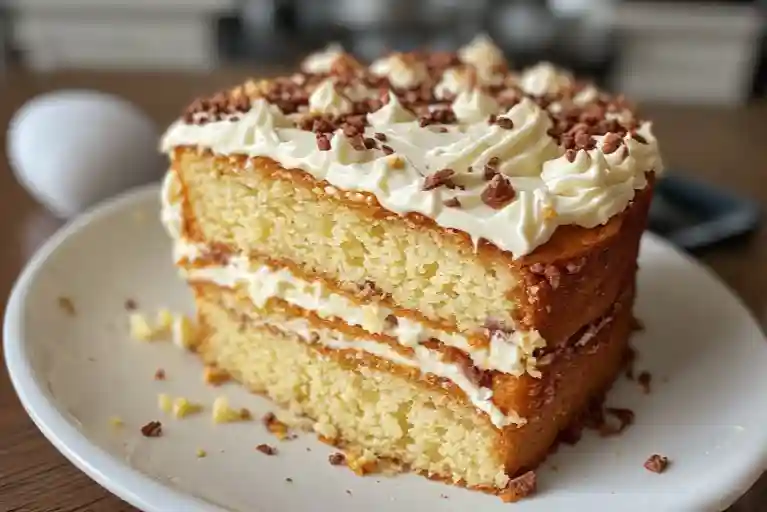
If you’ve been searching for the best vanilla cake recipe, your search ends here. This homemade vanilla cake is everything a classic cake should be—soft, moist, fluffy, and full of rich vanilla flavor. Made completely from scratch, it’s easy enough for beginners yet impressive enough for birthdays, holidays, and special celebrations. If you’ve ever wondered how to make a moist vanilla cake that actually turns out right every time, this foolproof recipe has you covered.
This easy vanilla cake recipe creates tender layers with a light, buttery crumb that pairs beautifully with your favorite frosting. Whether you’re baking a vanilla birthday cake, planning a celebration, or simply craving a comforting homemade dessert, this soft vanilla cake recipe will quickly become your go-to favorite. Plus, you’ll find expert tips, troubleshooting advice, and simple techniques to help you bake with confidence.
Quick Answer
This best vanilla cake recipe delivers everything you want in a homemade dessert—soft layers, a moist texture, rich vanilla flavor, and a light, fluffy crumb. Made completely from scratch, it’s simple enough for beginners and reliable enough for special occasions.
Whether you’re baking a vanilla birthday cake, a layered celebration cake, or turning the batter into cupcakes, this easy vanilla cake recipe produces delicious results every time. Pair it with vanilla buttercream frosting or your favorite topping for a classic dessert everyone will love.
Why You’ll Love This Vanilla Cake Recipe
There are countless vanilla cake recipes out there, but this one truly stands out. It creates a moist vanilla cake with a soft and tender crumb that stays fresh for days. The instructions are easy to follow, making it a perfect choice for both first-time bakers and experienced home cooks.
You’ll also love how versatile this homemade vanilla cake is. It works beautifully as a birthday cake, holiday dessert, or everyday treat. The rich vanilla flavor pairs well with everything from classic vanilla buttercream to chocolate frosting and fresh fruit. Most importantly, it’s a foolproof vanilla cake recipe that gives you confidence in the kitchen.
What Makes This Vanilla Cake Different?
Many recipes promise the perfect cake, but this one focuses on the details that truly matter. Every ingredient and technique has a purpose, helping you create a soft, fluffy vanilla cake that’s both easy to make and consistently delicious.
The Secret to a Moist Texture
The key to a truly moist vanilla cake is using the right balance of ingredients. Combining butter for flavor and oil for softness helps create a cake that stays tender instead of drying out. Proper mixing and avoiding overbaking also play a big role in achieving that irresistible soft and fluffy texture everyone loves.
Why This Recipe Works for Beginners
If you’re learning how to make vanilla cake from scratch, this recipe is designed with you in mind. The steps are straightforward, the ingredients are easy to find, and the method doesn’t require advanced baking skills. Helpful tips throughout the process reduce common mistakes, making this an ideal beginner-friendly vanilla cake recipe that delivers reliable results.
Better Than Box Mix
While boxed cake mixes are convenient, they often lack the rich flavor and texture of a truly homemade vanilla cake. This recipe offers a deeper vanilla flavor, a light buttery crumb, and the satisfaction of baking from scratch. Once you taste this best vanilla cake recipe, you’ll understand why so many home bakers say it’s far better than box mix.
Recipe Snapshot
Before you start baking, here’s a quick overview of this best vanilla cake recipe. This homemade vanilla cake is simple to prepare and delivers soft, moist, and fluffy layers with a rich vanilla flavor. It’s ideal for birthdays, celebrations, or whenever you’re craving a classic dessert.
Prep Time
Set aside about 20 minutes to measure ingredients, prepare the cake pans, and mix the batter. Taking your time during preparation helps ensure a foolproof vanilla cake recipe with consistent results.
Cook Time
The cake layers typically bake in 30–35 minutes, depending on your oven and pan size. Always check for doneness using a toothpick inserted into the center.
Servings
This vanilla cake recipe makes one two-layer 8-inch cake, serving approximately 12 people. It’s perfect for family gatherings, birthdays, and small celebrations.
Difficulty Level
Easy to Moderate
Even if you’re learning how to make vanilla cake from scratch, the straightforward method and clear instructions make this a beginner-friendly vanilla cake recipe that anyone can master.
Ingredients You’ll Need
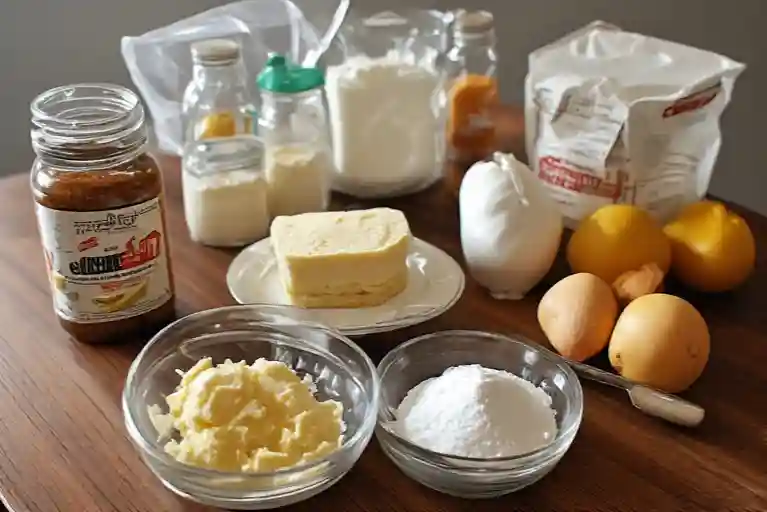
One reason this moist vanilla cake recipe works so well is its use of simple, everyday ingredients. Each one plays an important role in creating a cake that’s soft, tender, and full of flavor.
- Cake flour for a delicate, tender crumb
- Baking powder to help the cake rise beautifully
- Salt to balance sweetness and enhance flavor
- Unsalted butter for a rich, buttery taste
- Vegetable oil to keep the cake soft and moist
- Granulated sugar for sweetness and structure
- Eggs for stability and richness
- Pure vanilla extract for that classic vanilla flavor
- Whole milk to add moisture and create a smooth batter
These pantry staples come together to create a truly soft and fluffy vanilla cake that’s far better than anything from a box mix.
Why Each Ingredient Matters
Baking is both an art and a science. Understanding what each ingredient does will help you achieve a homemade vanilla cake that turns out perfectly every time.
Butter vs. Oil
Many bakers debate whether butter or oil makes the best cake. The truth is that using both gives you the best of both worlds.
Butter provides the rich, classic flavor people expect from a vanilla birthday cake, while oil helps create a moist vanilla cake that stays soft for days. Together, they produce a cake with a light, buttery crumb and a tender texture.
The Role of Cake Flour
If you’ve ever wondered why bakery cakes feel so delicate, the answer often lies in cake flour.
Cake flour contains less protein than all-purpose flour, which means it develops less gluten during mixing. The result is a soft vanilla cake with a fine, tender crumb and an airy texture. It plays a major role in achieving that fluffy vanilla cake everyone loves.
Why Room Temperature Ingredients Matter
It may seem like a small detail, but using room temperature ingredients can dramatically improve your results.
Butter creams more easily, eggs blend smoothly, and milk combines evenly into the batter. This creates a uniform mixture that bakes more consistently, helping prevent a dense vanilla cake or uneven texture.
Choosing the Best Vanilla
Since vanilla is the star flavor, choosing a quality product makes a noticeable difference.
Pure vanilla extract offers a richer, deeper flavor than imitation versions. For an even more intense taste, you can use vanilla bean paste, which adds beautiful specks and enhances the overall flavor profile. Investing in good vanilla helps transform a simple cake into the best vanilla cake recipe your family will request again and again.
Equipment You’ll Need
You don’t need professional tools to make this homemade vanilla cake. A few basic kitchen essentials are enough to create a soft, moist vanilla cake with bakery-style results.
- Two 8-inch round cake pans
- Mixing bowls
- Electric hand mixer or stand mixer
- Measuring cups and spoons
- Kitchen scale (recommended for accuracy)
- Rubber spatula
- Whisk
- Cooling rack
- Offset spatula for frosting
- Cake turntable (optional but helpful)
Having everything ready before you begin makes the baking process smoother and helps you avoid mistakes.
How to Make Vanilla Cake
This easy vanilla cake recipe follows simple steps that even beginners can master. Take your time and enjoy the process. Soon, you’ll have a soft and fluffy vanilla cake that’s perfect for birthdays, holidays, and everyday celebrations.
Prepare the Pans
Preheat your oven to 350°F (175°C). Grease two 8-inch cake pans and line the bottoms with parchment paper.
Properly prepared pans help the cake release easily and prevent sticking, ensuring your vanilla layer cake comes out intact.
Mix the Dry Ingredients
In a large bowl, whisk together the cake flour, baking powder, and salt until evenly combined.
Mixing the dry ingredients first distributes the leavening agents evenly, helping your fluffy vanilla cake rise properly and bake with a uniform texture.
Cream the Butter and Sugar
Using an electric mixer, beat the unsalted butter and granulated sugar until the mixture becomes pale and fluffy.
This step creates tiny air pockets that contribute to the cake’s light, tender crumb. Don’t rush it—proper creaming is one of the secrets behind the best vanilla cake recipe.
Add the Wet Ingredients
Mix in the vegetable oil, followed by the eggs one at a time. Stir in the pure vanilla extract.
Alternate adding the dry ingredients and whole milk, mixing just until combined. Avoid overmixing, as it can lead to a dense or tough cake instead of the soft vanilla cake you’re aiming for.
Bake the Cake
Divide the batter evenly between the prepared pans and smooth the tops.
Bake for 30–35 minutes, or until a toothpick inserted into the center comes out with a few moist crumbs. Avoid opening the oven door too early, as sudden temperature changes may cause the cake to sink.
Cool the Layers
Let the cakes cool in their pans for about 10–15 minutes before transferring them to a wire rack.
Allow the layers to cool completely before frosting. Frosting warm cake can melt the buttercream and affect the final appearance of your vanilla birthday cake.
Vanilla Buttercream Frosting
A classic vanilla buttercream frosting is the perfect match for this moist vanilla cake recipe. It’s creamy, smooth, and highlights the cake’s rich vanilla flavor without overpowering it.
To make a simple buttercream, you’ll typically need:
- Unsalted butter
- Powdered sugar
- Pure vanilla extract
- Heavy cream or milk
- A small pinch of salt
Beat the butter until smooth, gradually add the powdered sugar, then mix in the vanilla and cream until the frosting becomes light and fluffy.
If you’d like to switch things up, this cake also pairs beautifully with chocolate buttercream, cream cheese frosting, or fresh fruit toppings.
How to Assemble and Frost the Cake
Once your cake layers have cooled completely, it’s time to bring everything together.
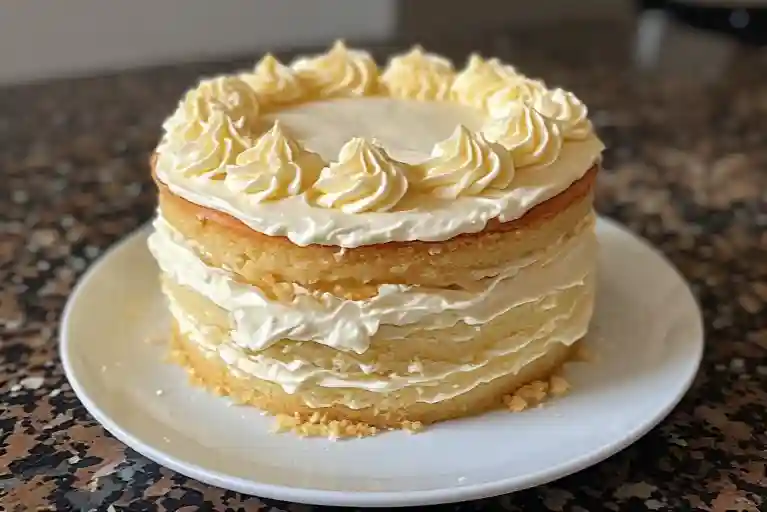
Place the first cake layer on a serving plate or cake stand. Spread an even layer of vanilla buttercream frosting over the top. Add the second layer and apply a thin crumb coat around the entire cake.
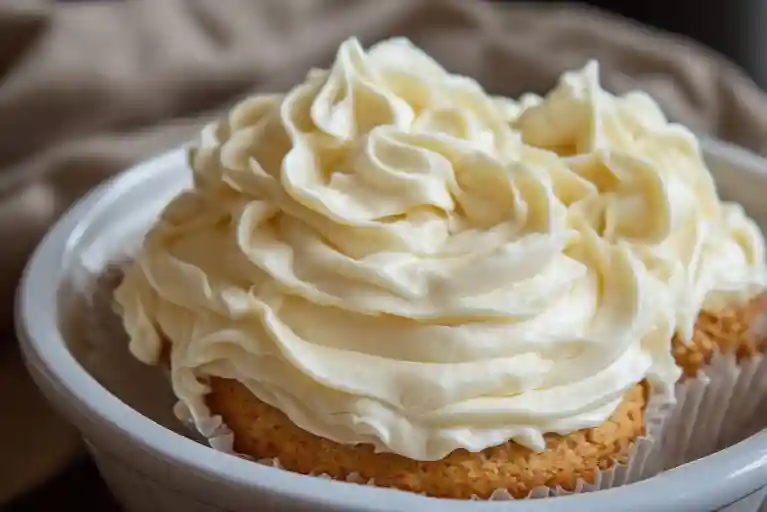
Chill the cake for about 15–20 minutes to set the crumb coat, then finish with a final layer of frosting. Use an offset spatula to smooth the sides or create decorative swirls for a simple yet elegant finish.
Whether you’re making a vanilla birthday cake or a dessert for a special celebration, taking a few extra minutes during assembly can make your cake look just as beautiful as it tastes.
Expert Tips for the Best Results
Small details often make the difference between a good cake and the best vanilla cake recipe.
- Measure flour correctly. Spoon it into the measuring cup and level it off instead of scooping directly from the bag.
- Use room temperature ingredients for a smoother batter and even baking.
- Avoid overmixing once the flour is added to preserve the cake’s tender texture.
- Check your cake a few minutes before the suggested baking time to prevent overbaking.
- Allow the cake to cool completely before frosting.
- Rotate the pans halfway through baking if your oven heats unevenly.
- Use pure vanilla extract or vanilla bean paste for the richest flavor.
- For the most accurate results, weigh ingredients using a kitchen scale whenever possible.
Following these simple tips will help you create a foolproof vanilla cake recipe that’s consistently soft, moist, fluffy, and full of rich vanilla flavor every single time.
Common Vanilla Cake Mistakes and How to Avoid Them
Even the best vanilla cake recipe can go wrong if a few important details are overlooked. The good news? Most baking problems have simple solutions. Understanding these common mistakes will help you create a soft, moist vanilla cake with confidence.
Why Is My Cake Dry?
A dry vanilla cake is usually caused by overbaking or using too much flour. Always measure flour correctly by spooning it into the measuring cup and leveling it off. Also, start checking your cake a few minutes before the suggested baking time. Using the right balance of butter and oil helps maintain a moist texture.
Why Did My Cake Sink?
A cake that sinks in the center often means it was underbaked, the oven door was opened too early, or too much leavening was added. Make sure your baking powder is fresh and avoid disturbing the cake while it bakes.
Why Is My Cake Dense?
A dense vanilla cake can result from overmixing the batter or using cold ingredients. Mix only until combined once the flour is added, and use room temperature ingredients to help everything blend smoothly.
Why Is My Cake Tough?
Too much mixing develops excess gluten, creating a tough texture. To achieve a soft vanilla cake with a tender crumb, stir gently and stop mixing as soon as the batter looks combined.
Pan Size Conversions and Baking Times
One of the best things about this easy vanilla cake recipe is how adaptable it is. Whether you’re making a layered celebration cake or cupcakes, these guidelines can help.
8-Inch Cake Pans
This recipe is designed for two 8-inch cake pans. Bake at 350°F (175°C) for approximately 30–35 minutes.
9-Inch Cake Pans
For two 9-inch pans, the cake layers will be slightly thinner. Reduce the baking time to around 25–30 minutes and check for doneness early.
Sheet Cake
To make a vanilla sheet cake, pour the batter into a greased 9×13-inch pan. Bake for approximately 35–40 minutes, depending on your oven.
Cupcakes
This batter also makes delicious vanilla cupcakes. Fill cupcake liners about two-thirds full and bake for 18–22 minutes. You’ll typically get 24 cupcakes from one batch.
Vanilla Cake Variations
This homemade vanilla cake is incredibly versatile. With a few adjustments, you can customize it for different occasions and dietary needs.
Vanilla Cupcakes
Transform this recipe into soft and fluffy vanilla cupcakes topped with vanilla buttercream frosting. They’re perfect for birthdays, bake sales, and parties.
Vanilla Sheet Cake
A vanilla sheet cake is easier to transport and serve, making it ideal for large gatherings and family celebrations.
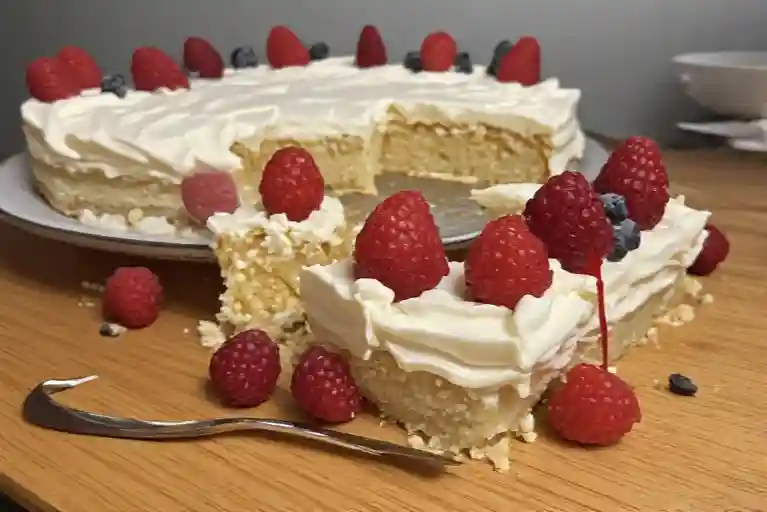
Vanilla Wedding Cake
For a simple vanilla wedding cake, double the recipe and use multiple layers. Its delicate crumb and rich flavor pair beautifully with elegant decorations.
Gluten-Free Version
Use a high-quality gluten-free flour blend designed for baking. Follow the package recommendations for best results, as texture may vary slightly.
Egg-Free Version
To make an egg-free vanilla cake, use suitable egg substitutes such as unsweetened applesauce, yogurt alternatives, or commercial egg replacers.
How to Store Vanilla Cake
Proper storage helps preserve the cake’s soft texture and rich vanilla flavor.
An unfrosted homemade vanilla cake can be stored at room temperature in an airtight container for up to 2 days. Once frosted, it can be kept at room temperature for a day or refrigerated for up to 5 days.
Before serving refrigerated cake, allow it to sit at room temperature for about 30 minutes to soften and regain its best texture.
Can You Freeze Vanilla Cake?
Yes! One of the most common questions is, “Can you freeze vanilla cake?” The answer is absolutely.
Wrap unfrosted cake layers tightly in plastic wrap, followed by a layer of aluminum foil. Freeze them for up to 2 months. When ready to use, thaw the layers overnight in the refrigerator and bring them to room temperature before frosting.
You can also freeze frosted slices in airtight containers for convenient future treats.
How to Make This Cake Ahead of Time
If you’re preparing for a special event, this make-ahead vanilla cake is a lifesaver.
Bake the layers one or two days in advance and store them tightly wrapped at room temperature or in the refrigerator. You can also prepare the vanilla buttercream frosting ahead of time and refrigerate it separately.
Assemble and frost the cake on the day of serving for the freshest presentation and flavor.
Reader Success Tips Before You Start Baking
Before you begin making this best vanilla cake recipe, take a few moments to set yourself up for success.
- Read the entire recipe before starting.
- Gather and measure all ingredients ahead of time.
- Use room temperature ingredients whenever possible.
- Preheat your oven fully before baking.
- Resist the urge to rush the mixing process.
- Avoid opening the oven door repeatedly.
- Trust the process and enjoy the experience.
Remember, even experienced bakers learn through practice. Each cake teaches you something new.
Frequently Asked Questions
Can I Use All-Purpose Flour Instead of Cake Flour?
Yes. While cake flour creates a softer, more delicate crumb, all-purpose flour can be substituted if needed. The texture may be slightly less tender, but the cake will still be delicious.
Can I Use Vanilla Bean Paste?
Absolutely. Vanilla bean paste adds a deeper vanilla flavor and beautiful specks throughout the cake. It can often be substituted in equal amounts for pure vanilla extract.
Can I Make This Recipe in Advance?
Yes. This foolproof vanilla cake recipe works well as a make-ahead dessert. Bake and store the layers or freeze them until you’re ready to decorate.
How Do I Know When the Cake Is Done?
Insert a toothpick into the center of the cake. If it comes out clean or with a few moist crumbs attached, the cake is ready. The top should also spring back lightly when touched.
Can I Turn This Into Cupcakes?
Definitely. This batter easily transforms into vanilla cupcakes. Bake them at the same temperature and begin checking for doneness after 18 minutes.
Final Thoughts on This Moist Vanilla Cake Recipe
A truly great vanilla cake recipe should be simple, reliable, and delicious enough to make again and again. This moist vanilla cake delivers everything you could want—soft layers, a fluffy crumb, rich vanilla flavor, and easy-to-follow instructions that help both beginners and experienced bakers succeed.
Whether you’re baking a classic vanilla birthday cake, preparing cupcakes for a celebration, or creating a beautiful layered dessert for someone special, this homemade vanilla cake is designed to become your trusted favorite. With expert tips, troubleshooting advice, make-ahead options, and versatile variations, you’ll have everything you need to bake with confidence. Once you take that first bite of this soft, buttery vanilla cake, you’ll understand why this recipe deserves a permanent place in your collection.