
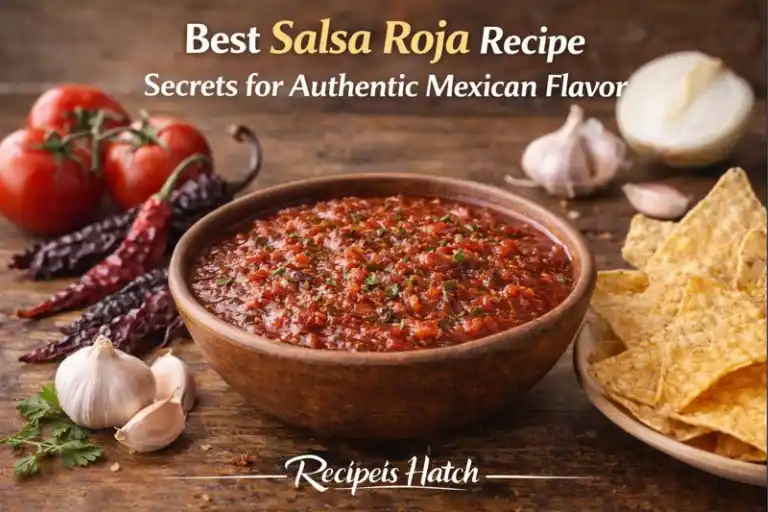
Salsa roja Recipe is a classic Mexican red salsa made mainly from tomatoes, chiles, garlic, and onion. The name literally means “red sauce”, and it is one of the most common salsas used in Mexican cooking. You’ll often see homemade salsa roja served with tacos, enchiladas, chilaquiles, eggs, and grilled meats.
What makes an authentic salsa roja special is its simple ingredients and bold flavor. Depending on the chiles used, it can be mild, medium, or spicy. Some versions are made with fresh tomatoes, while others use dried chiles for a deeper taste.
This salsa roja recipe is loved because it’s easy to make, very flexible, and full of traditional Mexican flavor. Whether smooth or chunky, Mexican salsa roja adds warmth, color, and richness to almost any dish.
Salsa Roja vs Salsa Verde (Key Differences)
Many people wonder about the difference between salsa roja and salsa verde. The main difference comes from the ingredients and color. Salsa roja is made with red tomatoes or dried red chiles, while salsa verde uses tomatillos and green chiles. Because of this, Mexican salsa roja has a deeper, richer flavor, while salsa verde tastes brighter and more tangy.
In terms of heat, both salsas can be mild or spicy, depending on the chiles used. Authentic salsa roja is often paired with tacos, enchiladas, and meats, while salsa verde is common with chicken, pork, and breakfast dishes.
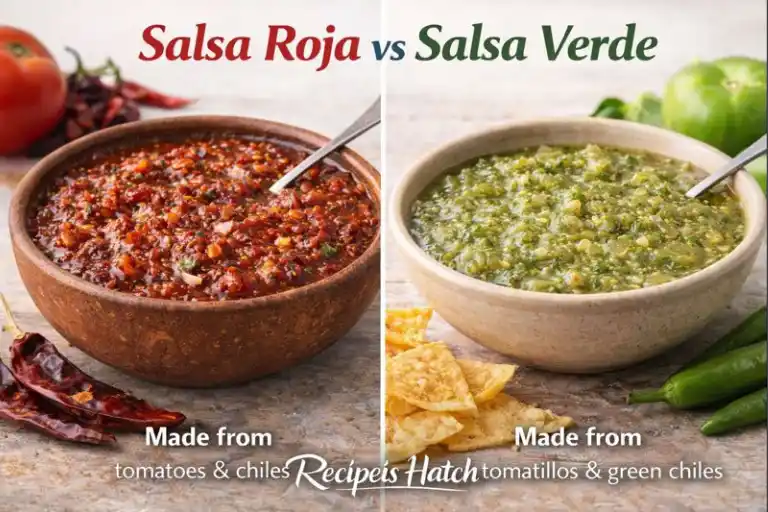
If you enjoy a bold, smoky taste, homemade salsa roja is usually the better choice. It’s a classic that works with almost everything.
| Feature | Salsa Roja | Salsa Verde |
| Color | Red | Green |
| Main Ingredients | Tomatoes or dried red chiles | Tomatillos and green chiles |
| Flavor | Deep, rich, slightly smoky | Bright, fresh, tangy |
| Heat Level | Mild to spicy (depends on chiles) | Mild to spicy (depends on chiles) |
| Common Chiles Used | Guajillo, ancho, árbol, serrano | Jalapeño, serrano, poblano |
| Best Served With | Tacos, enchiladas, meats | Chicken, pork, eggs |
| Texture | Smooth or chunky | Usually smooth |
| Overall Taste | Bold and warming | Fresh and zesty |
Which One Should You Choose?
If you enjoy a bold, smoky, and rich flavor, homemade salsa roja is the better choice. If you prefer something fresh and tangy, salsa verde may be more appealing.
Ingredients for Authentic Salsa Roja
The beauty of an authentic salsa roja recipe is its simple ingredients. Most versions start with ripe tomatoes, which give the salsa its red color and natural sweetness. Some recipes use fresh tomatoes, while others use roasted tomatoes for extra depth.
Next come the chiles, such as guajillo, ancho, árbol, or serrano chiles. These control the heat level and flavor. Garlic and white onion add strong aroma and balance. Salt is essential to bring everything together, and a little water helps with blending.
Optional ingredients like lime juice add freshness, while a small amount of oil can make the salsa smoother. With just a few items, this Mexican red salsa delivers big flavor without being complicated or overwhelming.
1 dried ancho chile
6 Roma tomatoes
¼ medium white onion, cut into two wedges
1 serrano pepper, stemmed
2 garlic cloves
2 tablespoons fresh lime juice
1 tablespoon avocado oil
¾ teaspoon sea salt
Heaping ¼ cup fresh cilantro
Choosing the Right Chiles for Your Heat Preference
Choosing the right chiles is key when making homemade salsa roja. Each chile brings a different level of heat and flavor. For a mild salsa roja, guajillo or ancho chiles are perfect. They add color and a slightly sweet, smoky taste without much spice.
If you prefer medium heat, serrano chiles are a great option. They give Mexican salsa roja a fresh, sharp kick. For those who love spicy food, árbol chiles are very hot and should be used carefully.
Removing the seeds and stems will lower the heat, while adding more chiles increases it. This flexibility is why an authentic salsa roja recipe is so popular. You can easily adjust the spice level to match your taste without changing the core flavor.
How to Make Salsa Roja (Step-by-Step)
Step 1: Prepare the Ingredients
Wash the tomatoes and remove stems from the chiles. If using dried chiles, remove the seeds to control the heat.
Step 2: Cook the Tomatoes and Chiles
Boil or roast the tomatoes and chiles. Boiling gives a lighter, cleaner flavor, while roasting adds a rich, smoky taste.
Step 3: Add to the Blender
Place the cooked tomatoes and chiles into a blender. Add garlic, onion, salt, and a little water.
Step 4: Blend to Desired Texture
Blend until smooth or pulse lightly for a chunky salsa roja, depending on your preference.
Step 5: Taste and Adjust
Taste the salsa and adjust salt or spice if needed.
Step 6: Serve Fresh
Your homemade salsa roja is ready to enjoy—fresh, flavorful, and better than store-bought.
Texture Control – Smooth vs Chunky Salsa Roja
The texture of salsa roja depends entirely on how long you blend it. For a smooth salsa roja, blend the ingredients until fully combined. This style is common for enchiladas, chilaquiles, and sauces that coat food evenly.
If you prefer a chunky homemade salsa roja, use short pulses in the blender. This keeps small pieces of tomato and onion visible, giving the salsa more texture. Chunky salsa works great as a dip or taco topping.
No matter the texture, always blend gradually. Over-blending can make the salsa watery. Adjusting texture is one reason Mexican salsa roja is so versatile. With one recipe, you can create different styles simply by changing how you blend.
Popular Salsa Roja Variations
There are many ways to customize an authentic salsa roja recipe. One popular option is salsa roja with dried chiles, which adds a deeper, smoky flavor. Another favorite is salsa roja without tomatoes, where dried chiles are the main base.
For a classic restaurant flavor, try taqueria-style salsa roja, which is smooth, slightly oily, and bold. You can also make extra spicy salsa roja by adding more árbol chiles or serranos.
Some people enjoy a mild salsa roja with fewer chiles, while others love intense heat. These variations make homemade salsa roja perfect for different meals. No matter how you adjust it, the base flavor remains rich and traditional.
Is Salsa Roja Spicy? (How to Adjust Heat)
Many people ask, is salsa roja spicy? The answer depends on the type and amount of chiles you use. Mexican salsa roja can range from very mild to extremely hot.
To reduce heat, remove the seeds and veins from the chiles and use mild varieties like guajillo or ancho. To increase heat, add árbol or serrano chiles. You can also mix in extra tomatoes to soften the spice.
Always taste after blending and adjust slowly. This control is what makes homemade salsa roja so enjoyable. You get the exact heat level you want without losing flavor. With small changes, this authentic salsa roja recipe works for everyone.
Best Dishes to Serve with Salsa Roja
Salsa roja is one of the most versatile sauces in Mexican cuisine. It pairs perfectly with tacos, adding warmth and richness to meats, beans, or vegetables. It’s also a key ingredient in enchiladas, where it acts as both filling and sauce.
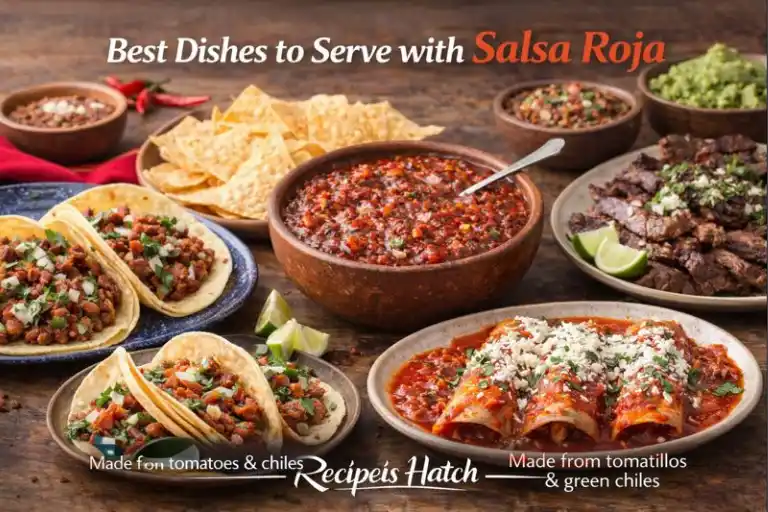
For breakfast, Mexican salsa roja is delicious with eggs, huevos rancheros, or chilaquiles. It also works well with grilled meats, roasted vegetables, or as a dipping salsa for chips.
Because of its balanced flavor, homemade salsa roja enhances food without overpowering it. Whether used as a topping or cooking sauce, this Mexican red salsa brings color and comfort to almost any dish.
How to Store Salsa Roja Properly
Proper storage keeps homemade salsa roja fresh and safe. After making it, allow the salsa to cool completely. Then store it in an airtight container in the refrigerator. It will stay fresh for 4 to 7 days.
If you want to store it longer, salsa roja freezes well. Place it in freezer-safe containers and freeze for up to 3 months. Thaw in the fridge and stir before using.
Always use clean utensils when serving to avoid contamination. These simple steps help maintain the flavor and quality of your authentic salsa roja recipe. Good storage ensures your Mexican red salsa is always ready when you need it.
Common Mistakes When Making Salsa Roja
One common mistake when making salsa roja is burning the chiles. Over-roasting can cause bitterness. Another issue is over-blending, which can make the salsa watery and thin.
Using too much salt at once is another problem. Always add salt slowly and taste as you go. Some people also skip cooking the ingredients, which can result in a raw flavor in Mexican salsa roja.
Avoid these mistakes by working slowly and tasting often. With a little care, your homemade salsa roja will taste balanced and rich. This attention to detail is what turns a simple recipe into an authentic Mexican red salsa.
FAQs – About Salsa Roja
Can I freeze salsa roja?
Yes, salsa roja freezes very well. Store it in freezer-safe containers for up to 3 months.
How long does homemade salsa roja last?
When refrigerated in an airtight container, homemade salsa roja stays fresh for 4–7 days.
Is salsa roja always spicy?
No. The heat depends on the type of chiles used. You can easily make it mild or spicy.
Can I make salsa roja without tomatoes?
Yes. Salsa roja without tomatoes uses dried chiles as the main base and has a deeper flavor.
Is salsa roja better cooked or raw?
Both work. Cooked salsa roja tastes smoother and richer, while raw versions are brighter.
Final Thoughts
Making salsa roja at home is simple, rewarding, and full of flavor. With just a few basic ingredients, you can create an authentic Mexican red salsa that tastes fresh and comforting. The best part is how flexible it is. You can control the heat level, texture, and flavor to match your personal taste.
Whether you enjoy it smooth or chunky, mild or spicy, homemade salsa roja always adds something special to meals. It works as a topping, a sauce, or even a cooking base for many dishes. Once you try making it yourself, you’ll see why this Mexican salsa roja recipe has been loved for generations.