
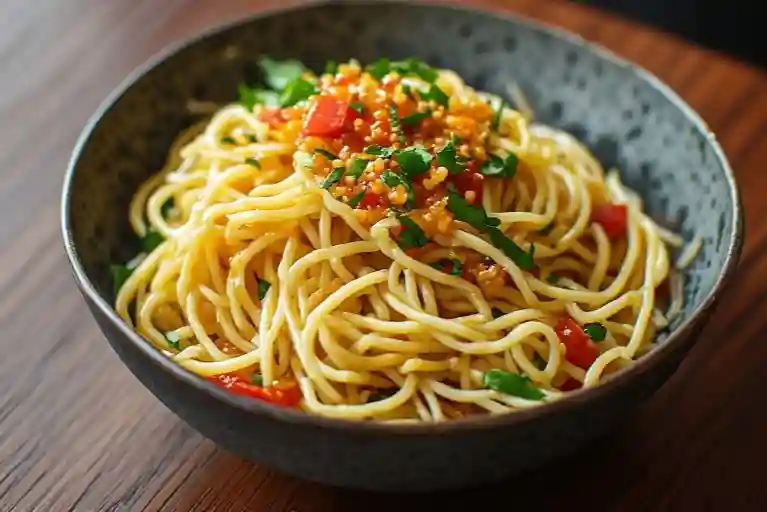
If you’re looking for the best recipes with yam noodles, you’ve come to the right place. These versatile noodles can turn into everything from comforting soups and quick stir-fries to flavorful noodle bowls packed with fresh ingredients. Whether you’re craving authentic Korean glass noodle recipes like japchae or searching for easy shirataki noodle recipes for a lighter meal, there’s something here for every taste and lifestyle.
The term yam noodles can actually refer to two different types of noodles: chewy sweet potato noodles, also known as dangmyeon, and low-carb shirataki noodles, often called miracle noodles. In this collection of yam noodle recipes, you’ll discover simple, delicious ideas that fit a variety of diets, including gluten-free, plant-based, and keto-friendly meals. Get ready to find your next favorite bowl of noodles and learn just how easy these ingredients are to cook and enjoy at home.
Quick Answer
Yam noodles are noodles made from either sweet potato starch or konjac yam, depending on the type. Sweet potato yam noodles, often called Korean glass noodles or dangmyeon, have a chewy texture and are commonly used in dishes like japchae. Shirataki noodles, also known as konjac noodles or miracle noodles, are low in calories and carbs, making them popular in keto-friendly and gluten-free meals.
In this collection of recipes with yam noodles, you’ll find delicious ideas using both varieties. From authentic sweet potato noodle recipes and spicy noodle dishes to easy shirataki noodle recipes, these meals prove that yam noodles can be incredibly versatile, satisfying, and simple to prepare at home.
What Are Yam Noodles?
The term “yam noodles” can be a little confusing because it refers to two different types of noodles. While both are used in flavorful dishes, they differ in ingredients, texture, and nutrition. Understanding the difference will help you choose the right noodles for your favorite recipes.
Sweet Potato Yam Noodles (Dangmyeon)
Sweet potato yam noodles are made from sweet potato starch and are known for their glossy appearance and pleasantly chewy texture. They are commonly used in Korean cuisine, especially in dishes like japchae, one of the most popular Korean glass noodle recipes.
These noodles absorb sauces beautifully, making them perfect for stir-fries, soups, and noodle bowls. They are naturally gluten-free and pair well with vegetables, beef, tofu, and bold seasonings. If you’re searching for hearty and comforting sweet potato noodle recipes, this variety delivers both flavor and texture.
Shirataki Yam Noodles (Konjac Noodles)
Shirataki noodles are made from the fiber of the konjac yam and contain a natural fiber called glucomannan. Often referred to as miracle noodles, they are famous for being low-carb, low-calorie, and suitable for keto-friendly eating plans.
Unlike sweet potato noodles, shirataki noodles have a softer, slightly springy texture. They work well in soups, stir-fries, noodle salads, and quick weeknight meals. Because they absorb the flavors of sauces and seasonings, they are a favorite choice for people looking for healthier alternatives to traditional pasta and noodles.
Best Sweet Potato Yam Noodle Recipes
If you’re wondering what you can make with yam noodles, these sweet potato noodle recipes are a great place to start. From classic Korean favorites to spicy, comforting bowls, each dish highlights the unique texture and versatility of dangmyeon.
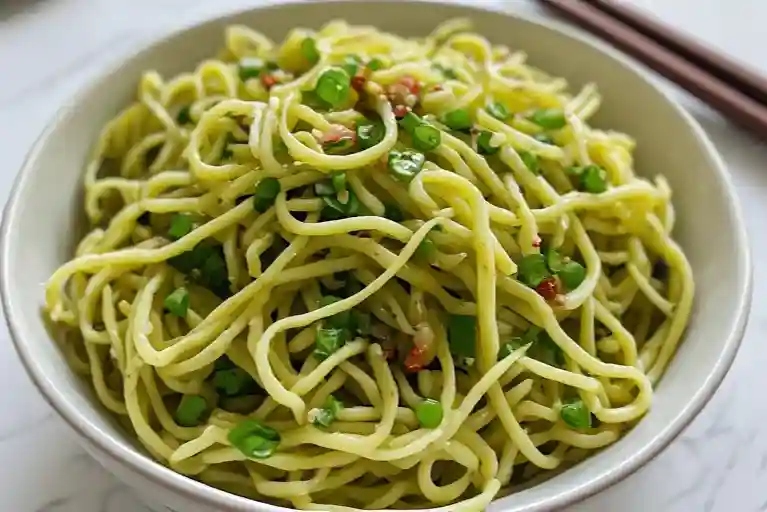
Classic Japchae
This traditional japchae recipe combines sweet potato noodles with sautéed vegetables, soy sauce, sesame oil, and a touch of sweetness. It’s one of the most beloved Korean noodle recipes for a reason. The noodles soak up every bit of flavor, creating a dish that’s both simple and satisfying.
Vegan Japchae
For a plant-based twist, vegan japchae swaps meat for colorful vegetables and protein-rich additions like mushrooms or tofu. It’s a delicious option for anyone looking for healthy yam noodle recipes that are naturally dairy-free and full of flavor.
Beef Japchae
Beef japchae adds tender slices of marinated beef to the traditional recipe, creating a heartier meal. The savory beef pairs perfectly with the chewy noodles and crisp vegetables, making it a family favorite.
Spicy Korean Stir-Fried Noodles
If you enjoy heat, these spicy stir-fried noodles deliver bold flavors with garlic, chili paste, and vegetables. They’re quick enough for busy evenings and are among the most popular Asian-inspired recipes with yam noodles.
Hot and Sour Sweet Potato Noodles (Suan La Fen)
Suan la fen is a famous Chinese street food known for its bold combination of spicy, tangy, and savory flavors. This hot and sour sweet potato noodle recipe offers an exciting way to enjoy Chinese sweet potato noodles with chili oil, vinegar, and aromatic seasonings.
Vegetable Glass Noodle Stir Fry
Packed with fresh vegetables, this easy stir-fry is ideal for weeknight dinners. It’s a simple way to enjoy glass noodle recipes while using whatever produce you have on hand.
Garlic Sesame Sweet Potato Noodles
Garlic and sesame create a rich, nutty sauce that coats every strand of noodle. This comforting dish is quick to prepare and perfect when you need an easy meal with pantry staples.
Tofu Sweet Potato Noodle Bowls
These nourishing bowls combine crispy tofu, vegetables, and sweet potato noodles for a balanced meal. They’re filling, flavorful, and a great choice for anyone looking for plant-based yam noodle recipes.
Chili Crisp Sweet Potato Noodles
A spoonful of chili crisp transforms simple noodles into something unforgettable. The combination of heat, crunch, and umami makes this one of the easiest ways to elevate your noodle routine.
Sweet Potato Noodle Soup
For cooler days, a comforting sweet potato noodle soup is hard to beat. The chewy noodles hold up beautifully in broth and pair well with vegetables, mushrooms, and your favorite proteins for a cozy, satisfying meal.
Best Shirataki Yam Noodle Recipes
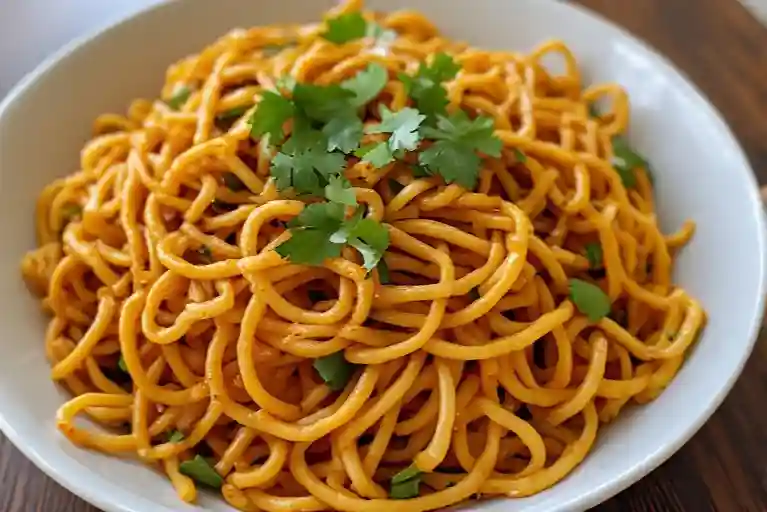
If you’re looking for low-carb noodle recipes that don’t sacrifice flavor, shirataki noodles are a fantastic choice. Also known as miracle noodles or konjac noodles, these versatile noodles absorb sauces beautifully and work well in everything from soups to stir-fries. Here are some of the best shirataki noodle recipes to add to your meal rotation.
Keto Pad Thai
This lighter version of Pad Thai swaps traditional rice noodles for shirataki noodles. Tossed with eggs, vegetables, peanuts, and a savory-sweet sauce, it’s one of the most satisfying keto noodle recipes for busy weeknights.
Garlic Shrimp Shirataki Noodles
Juicy shrimp, garlic, and simple seasonings transform these noodles into a quick and flavorful dinner. It’s an easy option when you need a protein-packed meal in under 30 minutes.
Chicken Shirataki Stir Fry
Tender chicken, colorful vegetables, and savory sauce come together in this family-friendly stir-fry. It’s one of the easiest healthy yam noodle recipes for meal prep or weeknight dinners.
Sesame Shirataki Noodle Salad
This refreshing salad combines crunchy vegetables with a nutty sesame dressing. Perfect served cold, it’s inspired by classic noodle salad recipes and makes a great lunch option.
Miso Shirataki Soup
A warm bowl of miso soup with shirataki noodles is comforting and nourishing. Add mushrooms, spinach, or tofu for extra flavor and texture.
Peanut Shirataki Noodles
Creamy peanut sauce coats every strand of noodle in this satisfying dish. The combination of sweet, savory, and slightly spicy flavors makes it hard to resist.
Teriyaki Beef Shirataki Bowls
Thinly sliced beef and vegetables tossed in teriyaki sauce create a hearty meal that’s both delicious and low in carbs.
Spicy Shirataki Stir Fry
If you enjoy a little heat, this stir-fry delivers bold flavor with garlic, ginger, and chili sauce. It’s a quick way to enjoy Asian-inspired recipes with yam noodles.
Shirataki Ramen Bowl
Craving ramen without the extra carbs? This comforting bowl features rich broth, vegetables, and your favorite toppings for a lighter twist on a classic favorite.
Vegetable Miracle Noodles
Loaded with fresh vegetables, this simple dish proves that healthy eating doesn’t have to be complicated. It’s colorful, filling, and naturally gluten-free.
Shirataki Lo Mein
This easy take on lo mein combines stir-fried vegetables with a savory sauce for a comforting dinner that’s ready in minutes.
How to Cook Yam Noodles Properly
Learning how to cook yam noodles correctly can make a big difference in taste and texture. Although both sweet potato noodles and shirataki noodles are easy to prepare, each type benefits from a slightly different method.
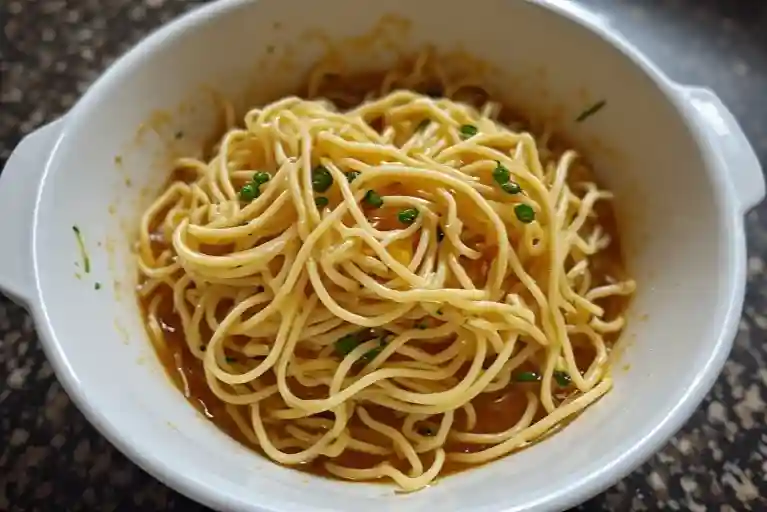
How to Prepare Sweet Potato Noodles
Sweet potato noodles, also known as dangmyeon, are typically sold dried and require boiling before use.
- Bring a pot of water to a boil.
- Cook the noodles according to the package directions, usually for 6 to 8 minutes.
- Drain and rinse briefly under cool water.
- Toss them with a little sesame oil to prevent sticking.
- Add them to stir-fries, soups, or noodle bowls.
These noodles absorb sauces well while maintaining their signature chewy texture.
How to Prepare Shirataki Noodles
Many people wonder how to cook shirataki noodles properly because of their unique texture.
- Drain the noodles from the package.
- Rinse thoroughly under running water for 1 to 2 minutes.
- Boil them for 2 to 3 minutes if desired.
- Drain well.
- Dry-fry the noodles in a skillet for a few minutes to remove excess moisture.
- Add your favorite sauce and ingredients.
This simple process improves texture and helps the noodles absorb flavor more effectively.
Common Mistakes to Avoid When Cooking Yam Noodles
Even the best yam noodle recipes can fall short if the noodles aren’t prepared correctly. Avoid these common mistakes for better results every time.
Skipping Rinsing
This is especially important for shirataki noodles. Rinsing removes excess liquid and improves their flavor.
Overcooking
Cooking noodles too long can affect their texture. Sweet potato noodles may become overly soft, while shirataki noodles can lose their pleasant bite.
Using Too Much Sauce
Both types of noodles absorb flavor well. Adding excessive sauce can overwhelm the dish and make it heavy.
Not Dry-Frying Shirataki Noodles
One of the most helpful shirataki cooking tips is to dry-fry them before adding sauce. This removes extra moisture and creates a much better texture.
Are Yam Noodles Healthy?
Many people ask, “Are yam noodles healthy?” The answer depends on the type of noodle you’re eating. Both varieties offer unique benefits and can fit into a balanced diet.
Health Benefits of Sweet Potato Noodles
Sweet potato noodles are naturally gluten-free and provide energy through carbohydrates. They pair well with vegetables and lean proteins, making them a satisfying choice for balanced meals.
Benefits include:
- Naturally gluten-free
- Filling and satisfying
- Versatile in many dishes
- Great source of energy for active lifestyles
Health Benefits of Shirataki Noodles
Made from konjac yam, shirataki noodles are known for being extremely low in calories and carbohydrates.
Benefits include:
- Rich in glucomannan fiber
- Supports feelings of fullness
- Suitable for keto-friendly eating plans
- Helpful for people seeking low-calorie noodle recipes
- Naturally gluten-free and plant-based
Whether you’re focused on comfort food or healthier alternatives, both types of yam noodles can be part of delicious, nourishing meals.
How to Store and Reheat Yam Noodles
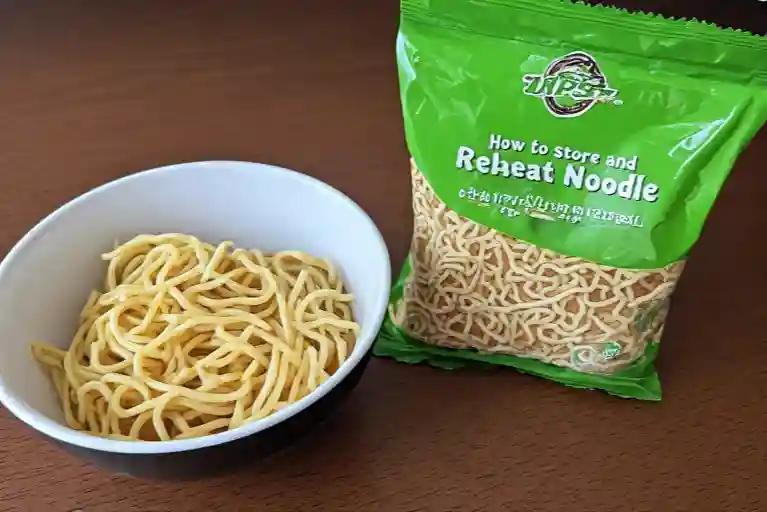
Whether you’re planning meals ahead of time or saving leftovers, knowing how to properly store yam noodles helps maintain their texture and flavor. Both sweet potato noodles and shirataki noodles can be enjoyed later with the right storage methods.
Refrigeration Tips
Cooked yam noodle recipes can usually be stored in an airtight container in the refrigerator for up to 3 to 4 days.
- Allow the noodles to cool before storing.
- Keep sauces separate when possible to prevent the noodles from becoming soggy.
- Store noodle soups in separate containers for the best texture.
- Label containers if you’re preparing multiple meal prep yam noodle recipes.
Freezing Advice
Many readers ask, “Can you freeze yam noodles?”
- Sweet potato noodles can be frozen, although their texture may become slightly softer after thawing.
- Shirataki noodles are generally not recommended for freezing, as freezing can make them watery and alter their texture.
If you do freeze sweet potato noodles, place them in freezer-safe containers and use them within 1 to 2 months for the best quality.
Meal Prep Suggestions
Because they’re so versatile, yam noodles work well for weekly meal prep.
Some easy ideas include:
- Pre-portioned Korean glass noodle bowls
- Chicken and vegetable shirataki stir-fry
- Tofu sweet potato noodle bowls
- Peanut shirataki noodle lunches
- Vegetable noodle salads
Preparing ingredients ahead of time makes it easier to enjoy easy yam noodle recipes even on your busiest days.
FAQs
What are yam noodles made of?
Yam noodles can refer to two different types of noodles. Some are made from sweet potato starch, such as dangmyeon used in japchae recipes, while others are made from the konjac yam, which produces shirataki noodles or miracle noodles.
Are yam noodles keto-friendly?
It depends on the variety. Shirataki noodles are naturally low in carbohydrates and are considered keto-friendly. However, sweet potato noodles contain more carbohydrates and are generally not suitable for strict keto diets.
Are yam noodles gluten-free?
Yes. Both sweet potato noodles and shirataki noodles are typically gluten-free. However, it’s always a good idea to check the packaging for possible cross-contamination or added ingredients.
Do yam noodles need to be cooked?
Sweet potato noodles usually require boiling before use. Shirataki noodles come pre-cooked but benefit from rinsing and dry-frying to improve their texture and flavor.
What do yam noodles taste like?
Sweet potato noodles have a mild flavor with a pleasantly chewy texture that absorbs sauces well. Shirataki noodles have a very neutral taste, making them ideal for rich broths, stir-fries, and flavorful sauces.
Can you freeze yam noodles?
You can freeze sweet potato noodles, although the texture may change slightly after thawing. Freezing shirataki noodles is generally not recommended because they can become watery and lose their desired texture.
Where can you buy yam noodles?
You can find yam noodles in many places, including:
- Major grocery stores
- Asian supermarkets
- Health food stores
- Specialty food shops
- Online retailers
Search for terms such as Korean glass noodles, dangmyeon, shirataki noodles, or miracle noodles to find the exact variety you’re looking for.
Final Thoughts
From comforting bowls of sweet potato noodle soup to quick and satisfying shirataki noodle recipes, there are countless ways to enjoy these versatile noodles. Whether you’re exploring authentic Korean glass noodle recipes, trying hot and sour sweet potato noodles, or searching for healthy yam noodle recipes that fit a gluten-free or keto-friendly lifestyle, there’s truly something for everyone.
The beauty of recipes with yam noodles is their flexibility. They can be hearty or light, simple or packed with bold flavors. Now that you know the difference between sweet potato noodles and konjac noodles, along with the best ways to cook, store, and enjoy them, you’re ready to bring these delicious dishes into your own kitchen.
Start with the recipe that speaks to you most, experiment with your favorite ingredients, and don’t be surprised if yam noodle recipes become a regular part of your weekly menu.