
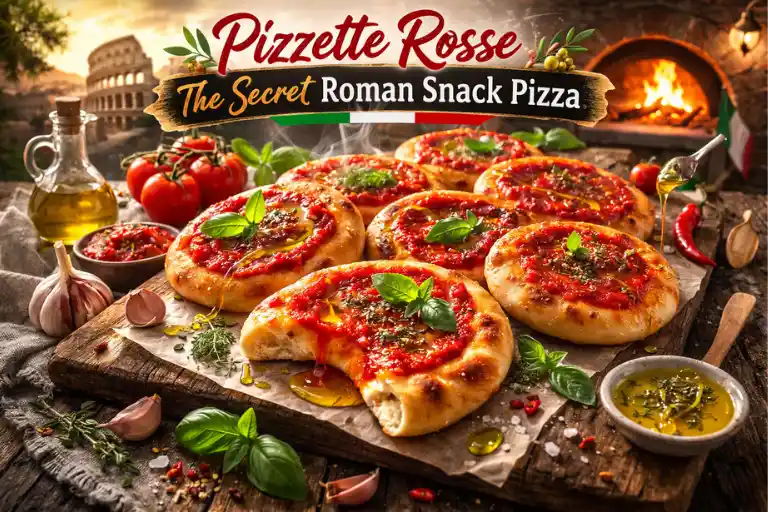
There’s something special about pizzette rosse, the famous Roman snack pizza marinara you see in bakery windows across Rome. These small, bright red pizzas are simple, yet full of flavor. Made with soft dough and topped with rich tomato sauce, they are known as Roman pizzette rosse because of their deep red color. Unlike many pizzas, this Italian mini pizza has no cheese, which lets the tomato and olive oil shine.
In Rome, this Roman street food pizza is often enjoyed as an after-school snack or a quick bite on the go. The edges are slightly crispy, the center is soft, and the taste is comforting. Whether you call it pizza rossa romana or Roman snack pizza, this authentic bakery treat is loved for its balance of simplicity and flavor.
What Are Pizzette Roses?
Pizzette rosse are small, round Roman snack pizzas known for their bright red topping. The word “rosse” means “red” in Italian, which refers to the rich tomato sauce spread on top. Unlike many other Italian pizzas, these little bites have no cheese. They are closer to a simple pizza rossa romana or mini marinara pizza, where tomato, olive oil, and oregano are the stars.
This Italian mini pizza is soft in the center with lightly crisp edges. You’ll usually find them displayed in trays inside traditional Roman fornos (bakeries). They are often sold as a quick, affordable snack — easy to grab and enjoy warm or at room temperature. If you’re looking for an authentic pizzette rosse recipe, understanding their simple nature is the first step.
The History of Pizza Rossa in Rome
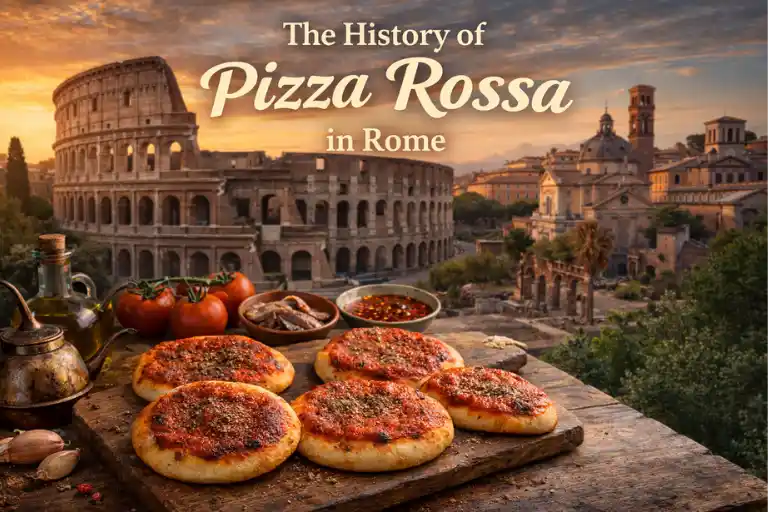
The story of Roman pizzette rosse goes back to the post-war years in Italy. During that time, bakeries focused on simple, affordable foods made with basic ingredients like flour, yeast, and tomato. This gave rise to pizza rossa, a thin sheet-pan pizza topped only with tomato sauce and olive oil.
Over time, bakers began shaping smaller portions — creating what we now call pizzette rosse. In many neighborhoods, they were sold by weight, wrapped in paper, and enjoyed as an after-school snack. The tradition of buying this Roman street food pizza from a local forno is still alive today. It remains one of Rome’s most loved bakery treats — humble, flavorful, and deeply rooted in everyday life.
You might also like: The Best Fennel Substitutes for Bulb and Seeds Guide
Pizzette Rosse vs Pizza Marinara vs Pizza Rossa
Many people confuse pizzette rosse, pizza marinara, and pizza rossa romana, but they are not exactly the same. While all three focus on tomato flavor, their size, texture, and serving style are different.
Cheese vs No Cheese
Traditional pizzette rosse have no cheese. They are topped only with tomato sauce, olive oil, and oregano.
Pizza marinara is also usually cheese-free, but it is a full-sized pizza with garlic and sometimes parsley.
Pizza rossa is a larger sheet-pan version of the same tomato-based style.
Size & Thickness
Roman pizzette rosse are small and round.
Pizza marinara is full-sized and often thinner.
Pizza rossa romana is baked in trays and cut into squares.
Serving Temperature
Pizzette rosse are often eaten at room temperature.
Pizza marinara is served hot.
Pizza rossa can be enjoyed warm or at room temperature.
Flavor Intensity
Because they are small, pizzette rosse have a more concentrated tomato flavor.
Pizza marinara tastes lighter and more spread out.
Pizza rossa offers a balanced, bakery-style tomato taste.
Quick Comparison Table
| Feature | Pizzette Rosse | Pizza Marinara | Pizza Rossa |
| Cheese | No | Usually No | No |
| Size | Small, mini rounds | Full-size pizza | Large sheet-pan |
| Texture | Soft center, light crisp edges | Thin crust | Slightly airy, tray-baked |
| Serving Style | Room temp or warm | Hot | Warm or room temp |
| Origin | Roman bakery snack | Traditional Italian pizza | Roman forno classic |
Understanding these differences helps you choose the right authentic Roman snack pizza style — and makes it easier to follow the correct pizzette rosse recipe at home.
Authentic Ingredients for Roman Pizzette Rosse
To make a truly authentic pizzette rosse recipe, the ingredients must stay simple. This Roman snack pizza marinara is all about balance and quality.
00 Flour vs Bread Flour
Traditional Roman pizzette rosse use 00 flour, which gives a soft texture with light crisp edges. If you want slightly more chew, bread flour works well too. Both can create that classic pizza rossa romana feel when baked at high heat.
Yeast Types
You can use fresh yeast, active dry yeast, or instant yeast. Roman bakeries often use fresh yeast, but all options work for homemade Italian mini pizza.
Tomato Passata vs Crushed Tomatoes
For the smooth red topping, tomato passata is ideal. It spreads easily and gives a clean flavor. Crushed tomatoes can work, but blend them for a smoother sauce.
Extra Virgin Olive Oil
High-quality extra virgin olive oil adds richness and depth. It’s essential in any Roman street food pizza.
Oregano
A light sprinkle of dried oregano gives that classic bakery aroma and flavor.
Ingredient Substitutions (Flexible Home Version)
Making pizzette rosse at home should be simple, even if you don’t have every traditional ingredient.
No 00 Flour?
Use all-purpose flour as a reliable swap. It still creates a soft center and lightly crisp crust.
No Passata?
Blend canned whole tomatoes until smooth. Drain extra liquid for thicker sauce.
Instant Yeast Swap
If using instant yeast, you can mix it directly into the flour without proofing.
Gluten-Free Option
For a gluten-free version, use a quality gluten-free pizza flour blend. The texture may differ slightly, but the tomato flavor still shines.
With the right ingredients — or smart swaps — you can enjoy authentic Roman pizzette rosse anywhere.
The Secret to the Signature Roman Tomato Sauce
The heart of pizzette rosse is the sauce. In an authentic Roman snack pizza marinara, the tomato layer is simple but very important. It’s what gives this Italian mini pizza its bold red color and deep flavor.
Why No Cheese?
Traditional Roman pizzette rosse are made without cheese. This keeps the flavor clean and focused on tomato, olive oil, and herbs. The goal is lightness, not heaviness.
Tomato Thickness
The sauce should not be watery. It must be slightly thick so it spreads easily but does not soak the dough. This helps create the classic soft center with lightly crisp edges.
Salt & Olive Oil Balance
A small pinch of salt and a drizzle of extra virgin olive oil bring richness and depth. Too much oil makes it greasy; too little makes it flat.
Oregano Timing
Add oregano before baking so it releases aroma in the oven.
Slight Sweetness Science
If tomatoes taste too sharp, a tiny pinch of sugar balances acidity — just enough to round the flavor without making it sweet.
Dough Hydration & Fermentation Explained
The texture of pizzette rosse depends heavily on the dough. While many recipes skip this step, understanding dough science helps you create an authentic Roman snack pizza marinara at home.
Hydration %
Hydration means the amount of water compared to flour. For Roman pizzette rosse, a 65–70% hydration works well. This creates a soft center while still allowing the edges to crisp properly.
Slow Fermentation Benefits
Letting the dough rise slowly (8–24 hours in the fridge) improves flavor and texture. Slow fermentation makes the dough lighter, easier to digest, and more aromatic. It gives that classic bakery-style feel found in pizza rossa romana.
Fast-Rise Alternative
Short on time? Let the dough rise at room temperature for 1–2 hours. The flavor will be milder, but it still works for homemade Italian mini pizza.
Why Roman Dough Isn’t Neapolitan
Neapolitan pizza dough is softer and more elastic. Roman dough for pizzette rosse is slightly firmer, designed for crisp edges and tray baking.
How Roman Bakeries Achieve Crispy Edges & Soft Centers
Traditional Roman fornos use techniques that create the perfect balance of texture.
Deck Ovens
Roman bakeries bake their Roman street food pizza in deck ovens with stone surfaces. The direct heat helps crisp the base quickly.
High Heat
A hot oven (220–250°C / 425–480°F) is key. High heat allows the dough to rise fast while keeping the tomato topping vibrant.
Pan Method
Many authentic pizzette rosse are baked on lightly oiled trays. This helps the bottom fry slightly, creating crisp edges.
Olive Oil Brushing
A light brush of extra virgin olive oil on the dough before or after baking adds shine and improves texture. When hydration, fermentation, and heat come together, you get the true bakery-style texture that makes Roman pizzette rosse unforgettable.
How to Make Pizzette Roses (Step-by-Step Guide)
Making pizzette rosse at home is simple when you follow the right steps. This method gives you that classic Roman snack pizza marinara texture — soft inside, lightly crisp outside.
Dough Prep
Mix flour, water, yeast, salt, and a little extra virgin olive oil. Stir until a soft dough forms. Knead for 8–10 minutes until smooth.
First Rise
Cover the dough and let it rise until doubled in size. This usually takes 1–2 hours at room temperature.
Dividing & Shaping
Divide into small balls. Flatten each into mini rounds to create your Italian mini pizza shape.
Sauce Layering
Spread a thin layer of seasoned tomato sauce. Do not over-sauce.
Baking Temperature & Timing
Bake at 220–250°C (425–480°F) for 12–15 minutes until edges are golden.
Cooling for Best Texture
Let them cool slightly. Roman pizzette rosse are delicious warm or at room temperature.
Fast 30-Minute Version vs Traditional Method
One of the biggest advantages of making authentic pizzette rosse at home is choosing your timing.
Quick Weeknight Version
Use instant yeast and let the dough rise for about 45–60 minutes. This version is faster and perfect for busy days. The texture will be soft and light.
Authentic Slow-Rise Version
For deeper flavor, let the dough ferment slowly in the fridge for 8–24 hours. This creates a more complex taste and better structure — closer to traditional pizza rossa romana from a Roman forno.
Texture Comparison
The quick version is soft and mild. The slow version has better chew, stronger aroma, and slightly crispier edges. Both methods create delicious Roman snack pizza — it simply depends on your time and preference.
How to Scale This Recipe (Small Batch to Party Tray)
One great thing about pizzette rosse is how easy they are to scale. Whether you want a small snack or a full tray of Roman snack pizza marinara, the dough adjusts beautifully.
4 Pizzette
For a small batch, divide the dough into four mini rounds. This is perfect for testing your first authentic pizzette rosse recipe or making a quick family snack.
12 Pizzette
Hosting friends? Divide the dough into 10–12 small portions. These bite-sized Italian mini pizzas are ideal as a shared appetizer.
Large Sheet Pan Party Version
For gatherings, press the dough into a lightly oiled sheet pan and bake it as a full pizza rossa romana. After baking, cut into squares. This method feels just like a traditional Roman forno tray pizza.
Serving Ideas – From Kids Lunchbox to Italian Aperitivo
Because Roman pizzette rosse taste great warm or at room temperature, they fit many occasions.
After-School Snack
In Rome, this Roman street food pizza is a classic after-school treat — simple and satisfying.
Party Appetizer
Serve mini rounds on a platter for an easy crowd-pleaser. Their no cheese topping keeps them light.
Light Dinner Option
Pair your Roman snack pizza with a fresh salad for a balanced meal.
Picnic Snack
Since they travel well, pizzette rosse are perfect for picnics or outdoor meals.
Storage, Freezing & Reheating Without Losing Texture
One reason pizzette rosse are such a popular Roman snack pizza marinara is that they store well. With the right method, you can keep their soft center and lightly crisp edges.
Refrigeration Tips
Let your Roman pizzette rosse cool completely before storing. Place them in an airtight container and refrigerate for up to 3 days. Keep parchment paper between layers to prevent sticking.
Freezing Method
To freeze, arrange the mini rounds in a single layer until firm, then transfer to a freezer-safe bag. Properly stored, authentic pizzette rosse last up to 2 months.
Best Reheating Temperature
Reheat in an oven at 180–200°C (350–400°F) for 5–8 minutes. Avoid microwaving if possible, as it softens the crust.
Avoid Soggy Crust
Always reheat on a baking tray or directly on the oven rack. This keeps the base of your Italian mini pizza crisp and flavorful.
Common Mistakes to Avoid
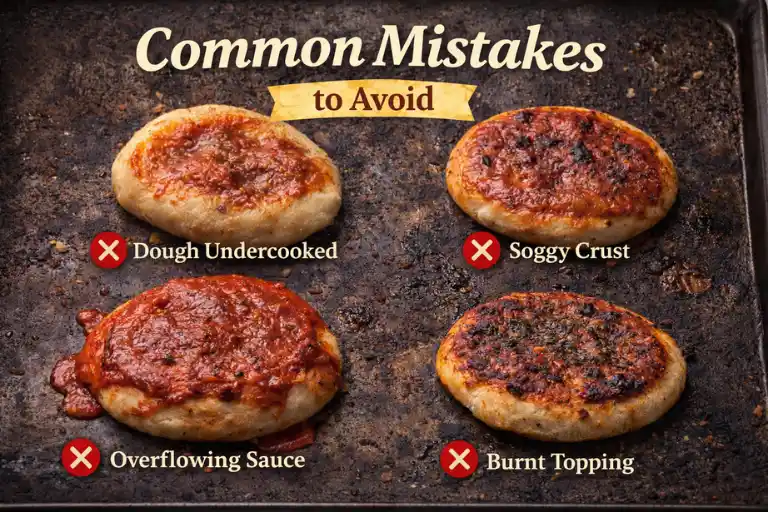
Even a simple pizzette rosse recipe can go wrong if small details are ignored. Here are the most common mistakes when making this Roman snack pizza marinara — and how to fix them.
Over-Saucing
Too much tomato sauce makes the dough heavy and wet. Spread a thin, even layer so your Roman pizzette rosse bake properly and keep crisp edges.
Under-Proofing
If the dough does not rise enough, the texture becomes dense. Give your dough enough time to double in size, especially if you want that soft center found in authentic pizza rossa romana.
Low Oven Temperature
A cool oven prevents proper browning. Bake at high heat to get the right balance between crisp bottom and tender interior.
Too Much Yeast
Adding extra yeast may seem helpful, but it can create a strong, unpleasant flavor. Follow measured amounts for best results.
Dry Tomato Sauce
If the sauce is too thick or salty, it can taste flat. A drizzle of extra virgin olive oil and a pinch of salt bring balance. Avoiding these mistakes ensures your Italian mini pizza tastes like it came from a Roman forno.
Are Pizzette Rosse Vegan?
Yes — traditional pizzette rosse are naturally vegan. A classic Roman snack pizza marinara contains only flour, water, yeast, salt, tomato sauce, extra virgin olive oil, and oregano. There is no cheese, no butter, and no eggs in the authentic recipe.
Because this Italian mini pizza focuses on simple, plant-based ingredients, it fits easily into a vegan diet. Always check store-bought dough or tomato products, but homemade Roman pizzette rosse are usually completely dairy-free and egg-free by default. This is one reason they remain such a popular and accessible Roman street food pizza.
Nutrition Overview
While exact values depend on portion size, one small pizzetta rossa typically contains around 120–180 calories.
Carb Profile
Most calories come from carbohydrates in the dough. The tomato topping adds minimal fat.
Why It’s Lighter Than Cheese Pizza
Since there is no cheese, this authentic pizzette rosse recipe is lower in fat compared to many traditional pizzas. The light layer of olive oil adds flavor without heaviness, making it a balanced and satisfying snack.
Traditional Roman Variations
Even though pizzette rosse are simple, Roman bakeries sometimes add small touches while keeping the identity of this Roman snack pizza marinara intact. The base always remains tomato-forward and cheese-free, but light variations bring new depth of flavor.
Anchovy Version
Some traditional Roman pizzette rosse include a small piece of anchovy placed on top before baking. The anchovy melts slightly into the tomato sauce, adding a salty, rich taste without overpowering the pizza.
Garlic-Heavy Marinara
For stronger flavor, a bit more fresh or finely minced garlic can be mixed into the tomato sauce. This creates a bold pizza rossa romana style with deeper aroma.
Chili Oil Drizzle
A light drizzle of chili oil after baking adds gentle heat. This variation is popular for those who enjoy a spicy twist on their Italian mini pizza.
Extra Oregano
Some bakers sprinkle extra oregano before baking for a stronger herbal note. These variations keep the spirit of authentic pizzette rosse while adding subtle personality.
Frequently Asked Questions About Pizzette Rosse
Why are pizzette rosse eaten at room temperature?
In Rome, pizzette rosse are often displayed in bakery trays and enjoyed later in the day. Eating them at room temperature allows the tomato flavor and olive oil to settle into the dough. This is traditional for a Roman snack pizza marinara, especially when sold in local fornos.
Can I use store-bought pizza dough?
Yes, you can use store-bought dough to make Roman pizzette rosse at home. While homemade dough gives better flavor and texture, ready-made dough works well for a quick version. Just shape into small rounds and avoid overloading with sauce.
What flour is best for pizzette rosse?
00 flour is ideal for authentic texture because it creates a soft center and lightly crisp edges. However, bread flour or all-purpose flour also work. The key is proper hydration and high baking temperature for classic pizza rossa romana texture.
Can you freeze pizzette rosse?
Yes, pizzette rosse freeze very well. Let them cool completely, then store in airtight freezer bags. They can last up to two months. Reheat in a hot oven to keep the crust from becoming soft.
How do I get crispy edges?
Use a lightly oiled tray, bake at high heat, and avoid too much tomato sauce. Proper dough fermentation also helps. These steps give your Italian mini pizza the crisp edges typical of a Roman forno.
What’s the difference between pizza rossa and pizzette rosse?
Pizza rossa is usually a larger, sheet-pan tomato pizza cut into squares. Pizzette rosse are the smaller, round version sold as individual snacks. Both are cheese-free and tomato-based, but the size and serving style are different.
Bringing Authentic Roman Bakery Flavor Into Your Kitchen
Making pizzette rosse at home is more than just baking a simple Roman snack pizza marinara. It’s about recreating a small piece of Roman bakery life in your own kitchen. With soft dough, rich tomato sauce, extra virgin olive oil, and a touch of oregano, this Italian mini pizza proves that simple ingredients can create unforgettable flavor.
Whether you choose the quick version or the slow fermentation method, your homemade Roman pizzette rosse can taste just like those sold in traditional fornos. Enjoy them warm, serve them at room temperature, or prepare a tray for friends and family.
By understanding the dough, mastering the sauce, and avoiding common mistakes, you can confidently make an authentic pizzette rosse recipe anytime. Sometimes the best food is the simplest — and this classic pizza rossa romana is the perfect example.