
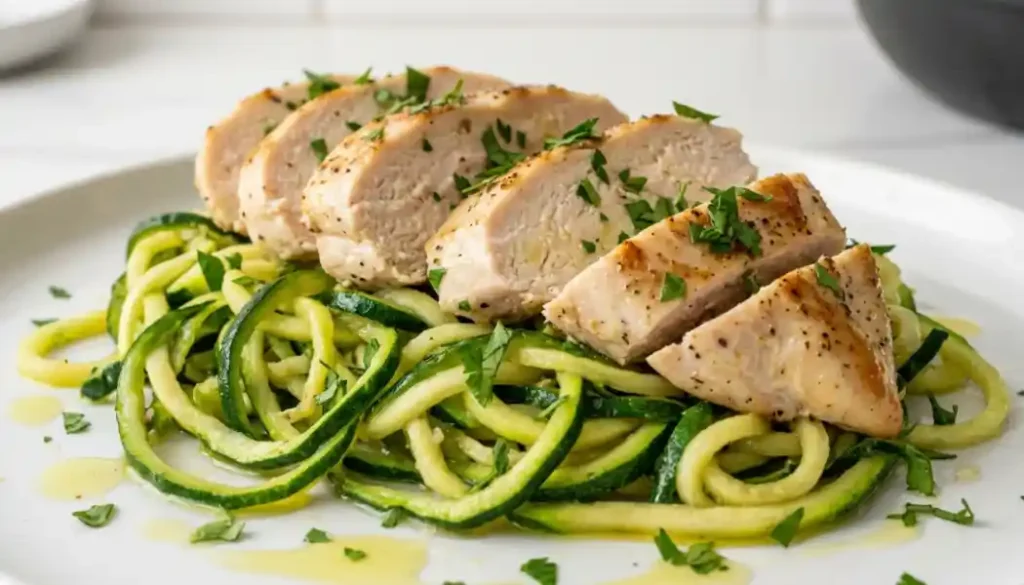
Finding meals that fit a low histamine diet can feel stressful at first, especially when so many food lists online seem confusing. If you are dealing with histamine intolerance, food sensitivities, headaches, bloating, or inflammation, simple meal planning can suddenly become overwhelming. The good news is that eating well does not have to feel restrictive or boring.
This guide shares easy low histamine recipes that are fresh, flavorful, and beginner-friendly. From quick breakfasts and comforting dinners to healthy snacks and simple meal prep ideas, these low histamine meals are designed to make everyday cooking easier. You will also learn about low histamine foods, smart storage tips, and practical ways to build balanced meals without giving up taste. Whether you are just starting or looking for new histamine friendly recipes, this collection will help you enjoy food with more confidence and less stress.
Quick Answer
A low histamine diet focuses on fresh, simple foods that may help reduce symptoms linked to histamine intolerance. Many people choose low histamine recipes to avoid common trigger foods like aged cheese, fermented items, processed meats, alcohol, and leftovers. Fresh proteins, vegetables, fruits, rice, oats, and homemade meals are usually better tolerated.
The goal is not to create a perfect diet but to find foods that work best for your body. Since triggers can vary, many people use a food journal to track reactions and build a more personalized eating plan. Easy low histamine meals like rice bowls, soups, smoothies, and sheet pan dinners can make everyday cooking feel much simpler. With smart meal prep, fresh ingredients, and a few pantry staples, it is possible to enjoy flavorful meals while supporting your overall comfort and wellness.
What Is a Low Histamine Diet?
A low histamine diet is a way of eating that limits foods high in histamine or foods that may trigger histamine release in the body. Many people follow this diet to help manage symptoms connected to histamine intolerance, food sensitivities, or inflammation. The focus is usually on fresh foods, simple cooking methods, and avoiding heavily processed ingredients.
Unlike strict fad diets, this approach is highly personal. Some people tolerate certain foods well, while others react differently. That is why many experts recommend starting with simple low histamine meals and slowly testing foods over time. Fresh proteins, vegetables, gluten-free grains, and homemade snacks are often easier choices for beginners. A balanced approach can make eating feel less stressful and more realistic long term.
What causes histamine intolerance?
Histamine intolerance may happen when the body struggles to break down histamine properly. This can happen due to low levels of the DAO enzyme, gut issues, stress, certain medications, or food sensitivities. When histamine builds up faster than the body can remove it, symptoms may appear after eating certain foods.
Common symptoms people experience
Symptoms can vary from person to person. Common signs include headaches, bloating, skin irritation, fatigue, dizziness, congestion, stomach discomfort, or inflammation. Some people also notice symptoms after eating leftovers or fermented foods.
Why food freshness matters
Freshness is very important because histamine levels can increase as food sits longer. Even healthy foods may become higher in histamine during storage. Freezing meals quickly after cooking may help reduce buildup.
Understanding bioindividuality and trigger foods
Every person reacts differently to foods. One food may work well for someone but trigger symptoms in another person. Keeping meals simple at first can help identify personal trigger foods more easily.
Foods to Avoid on a Low Histamine Diet
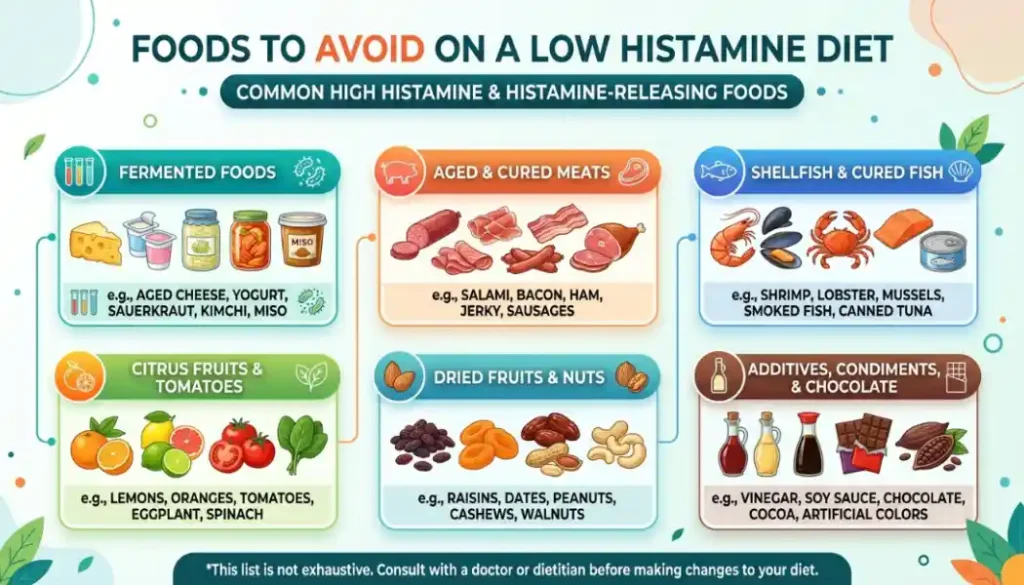
Many people following a low histamine diet focus on reducing foods that naturally contain histamine or may increase histamine release in the body. Avoiding these foods does not need to feel restrictive forever, but limiting common triggers can help simplify the process in the beginning.
High histamine foods
Common high histamine foods include processed meats, canned fish, aged cheese, vinegar, alcohol, and smoked foods. Tomatoes and spinach may also bother some people.
Histamine liberators
Certain foods can trigger histamine release even if they are not naturally high in histamine. Citrus fruits, chocolate, strawberries, and some nuts may fall into this category.
Fermented and aged foods
Fermented foods like kimchi, soy sauce, kombucha, yogurt, and sauerkraut are often avoided because histamine increases during fermentation.
Leftovers and food storage concerns
Histamine can rise in leftovers when food stays in the fridge too long. Many people freeze meals right after cooking to help reduce buildup.
Hidden ingredients that trigger symptoms
Packaged sauces, spice blends, flavor enhancers, preservatives, and artificial additives may trigger symptoms. Even healthy foods like avocado or vinegar-based dressings can sometimes cause issues for sensitive people.
Best Low Histamine Foods to Eat
A good low histamine foods list includes fresh ingredients that are simple, nourishing, and easy to prepare. Building meals around these foods can help make cooking feel less confusing and more enjoyable.
Proteins
Fresh chicken, turkey, eggs, and freshly cooked lamb are common protein choices. Freezing meat quickly after buying it may help maintain freshness.
Vegetables
Carrots, zucchini, cucumbers, broccoli, lettuce, kale, sweet potatoes, and green beans are often well tolerated in low histamine meals.
Fruits
Blueberries, apples, pears, watermelon, and mango are popular options. Fresh fruit usually works better than dried or canned varieties.
Grains and starches
Rice, oats, quinoa, rice noodles, and potatoes are helpful staples for easy meals and meal prep.
Low histamine herbs and spices
Fresh herbs like parsley, basil, thyme, and cilantro add flavor without relying on processed sauces.
Safe fats and oils
Olive oil, coconut oil, and ghee are simple choices that work well in many histamine friendly recipes.
Low Histamine Pantry Staples
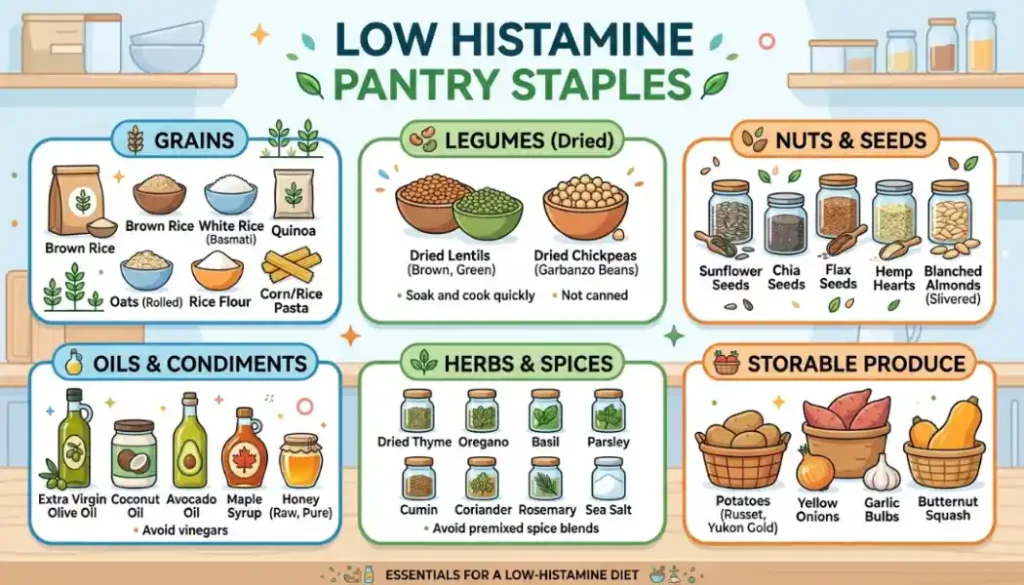
A well-organized pantry can make low histamine cooking much easier. Keeping simple staples on hand helps reduce stress during busy days and makes meal prep faster.
Beginner shopping essentials
Rice, oats, quinoa, olive oil, frozen vegetables, herbs, sea salt, and fresh proteins are useful beginner staples.
Freezer-friendly staples
Frozen blueberries, frozen rice, cooked chicken, and homemade soups can save time while supporting freshness.
Flavor boosters without tomatoes or vinegar
Fresh herbs, garlic-infused oil, coconut aminos, basil, parsley, and homemade creamy sauces can add flavor naturally.
Best low histamine substitutes
Use coconut aminos instead of soy sauce, roasted red pepper sauce instead of tomato sauce, and oat milk instead of dairy products if needed.
Building a low histamine pantry around fresh basics makes cooking easier and reduces the need for processed foods that may trigger symptoms.
Easy Low Histamine Breakfast Recipes
Simple breakfasts can help start the day with balanced energy while keeping meals easy to digest. Many low histamine breakfast ideas use fresh ingredients and minimal preparation.
Blueberry oatmeal bowls
Oatmeal topped with blueberries, chia seeds, and maple syrup makes a warm and comforting breakfast.
Chia pudding
Chia pudding made with coconut milk and fresh fruit is an easy make-ahead option.
Sweet potato hash
Sweet potatoes cooked with herbs and fresh turkey create a filling breakfast skillet.
Low histamine smoothies
Blend blueberries, mango, oat milk, and chia seeds for a refreshing smoothie.
Egg-based breakfast ideas
Fresh eggs with sautéed vegetables are quick, high-protein, and beginner friendly.
Make-ahead breakfast meal prep
Prepare overnight oats, freezer-friendly muffins, or cooked rice bowls ahead of time for easy mornings.
Quick Low Histamine Lunch Ideas
Lunch does not need to feel repetitive on a low histamine diet. Fresh ingredients and simple combinations can create filling meals quickly.
Chicken salad bowls
Fresh chicken with rice, cucumber, carrots, and olive oil dressing creates a balanced lunch.
Rice bowls
Rice bowls with turkey, broccoli, and roasted vegetables are simple and customizable.
Soup recipes
Homemade vegetable soup with chicken and herbs is comforting and freezer friendly.
Low histamine wraps
Use gluten-free wraps with fresh chicken, lettuce, and cucumber slices for an easy packed lunch.
Packed lunch ideas
Mason jar salads, rice containers, and homemade snack boxes work well for work or school lunches.
Easy Low Histamine Dinner Recipes
Dinner is often easier when meals stay simple. Fresh proteins, vegetables, and easy cooking methods work well for low histamine dinner recipes.
Sheet pan chicken meals
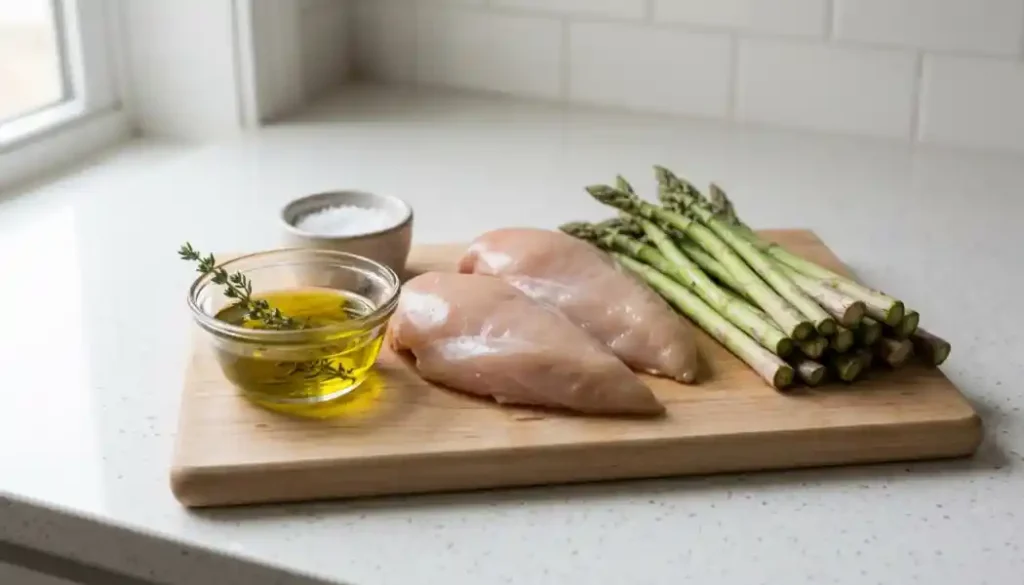
Chicken with carrots, potatoes, and zucchini baked on one pan saves time and cleanup.
Turkey skillet recipes
Ground turkey with rice and vegetables creates a quick one-pan meal.
One-pan dinners
Simple skillet meals with fresh herbs and olive oil can be both flavorful and easy.
Pasta without tomatoes
Use olive oil, garlic-infused oil, herbs, or creamy sauces instead of tomato sauce.
Comfort food recipes
Mashed potatoes, rice casseroles, and creamy soups can still fit into low histamine recipes.
30-minute dinners
Quick meals like rice bowls, stir-fries, and baked chicken are helpful during busy evenings.
Low Histamine Snacks and Desserts
Finding safe snacks can make a low histamine diet feel more sustainable and enjoyable. Homemade snacks are often the easiest option because ingredients stay simple and fresh.
Energy balls
Oat-based energy bites with maple syrup and sunflower seeds are easy to prepare ahead of time.
Low histamine cookies
Simple oat cookies with blueberries or pears can satisfy sweet cravings without complicated ingredients.
Fruit-based snacks
Fresh apples, pears, blueberries, and watermelon are popular snack options.
Crunchy snack ideas
Rice cakes, homemade popcorn, cucumber slices, or roasted chickpeas work well for crunchy cravings.
Frozen treats
Frozen smoothie pops or homemade fruit sorbet can be refreshing during warm weather.
Low Histamine Meal Prep Tips
Meal prep can feel tricky because freshness matters so much on a low histamine diet. The key is preparing foods in ways that help reduce histamine buildup while keeping meals convenient.
Why leftovers can be problematic
Histamine levels may increase when cooked food sits in the refrigerator too long.
Freezing food correctly
Freeze meals immediately after cooling instead of storing them for several days in the fridge.
Safe meal prep systems
Cook proteins fresh when possible and freeze portions individually for easier use later.
How long food stays low histamine
Freshly cooked meals are often best eaten within one day unless frozen.
Batch cooking strategies
Prepare rice, roasted vegetables, and proteins in batches to save time throughout the week.
Freezing meals quickly is one of the best ways to support freshness and reduce food waste at the same time.
How to Add Flavor to Low Histamine Recipes
Many people worry that low histamine meals will feel bland, but simple ingredients can still create rich and comforting flavors.
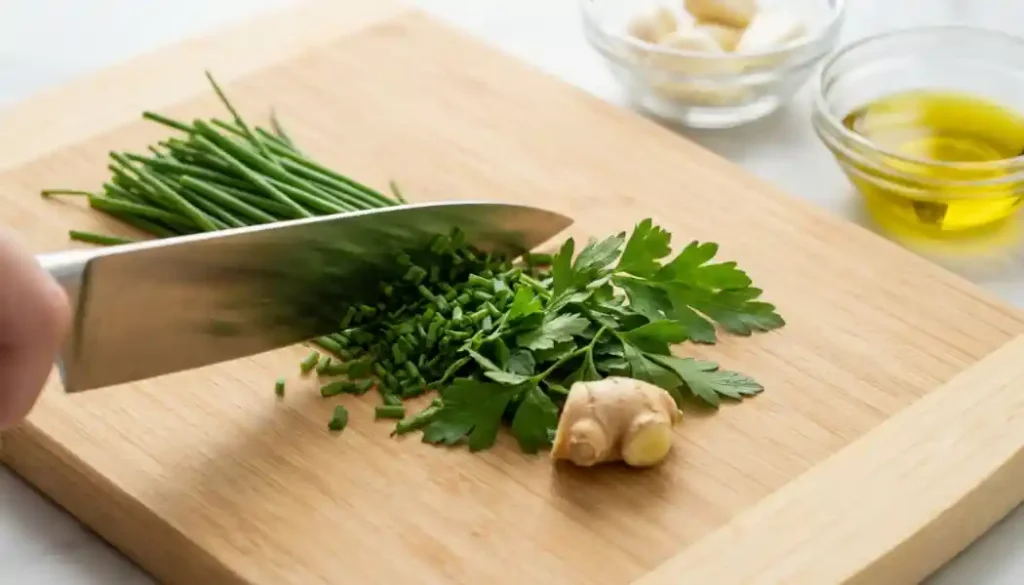
Herbs and spices
Fresh parsley, thyme, basil, oregano, and cilantro add brightness naturally.
Creamy sauces without tomatoes
Use coconut milk, roasted vegetables, or blended cauliflower to create creamy sauces.
Low histamine condiments
Homemade herb oils, garlic-infused olive oil, and coconut aminos can boost flavor gently.
Cooking methods that improve flavor
Roasting vegetables, caramelizing onions, and baking proteins help deepen flavor naturally.
The goal is not to make meals perfect but to create foods that feel satisfying and less restrictive over time.
Common Low Histamine Diet Mistakes
Starting a low histamine diet can feel overwhelming, and small mistakes are common in the beginning. Learning a few basics can make the process easier.
Eating leftovers too long
Keeping cooked food in the fridge for several days may increase histamine levels.
Over-restricting foods
Avoiding too many foods at once can create stress and make meals harder to enjoy.
Ignoring personal triggers
Not everyone reacts to the same foods. Personal tolerance levels matter.
Not tracking symptoms
A simple food journal can help identify patterns and improve meal planning.
Following conflicting food lists online
Different food lists may recommend different foods because reactions vary from person to person. Focus on your own symptoms instead of trying to follow every list perfectly.
A Simple 3-Day Low Histamine Meal Plan
Meal plans can make beginner low histamine eating feel much less stressful. Keeping meals simple often works best at first.
Day 1
Breakfast: Blueberry oatmeal
Lunch: Chicken rice bowl
Dinner: Sheet pan chicken with vegetables
Day 2
Breakfast: Chia pudding
Lunch: Turkey lettuce wraps
Dinner: Sweet potato turkey skillet
Day 3
Breakfast: Smoothie bowl
Lunch: Vegetable soup with rice
Dinner: Herb chicken with roasted potatoes
Simple meal plans reduce decision fatigue and help build confidence with new foods.
Budget-Friendly Low Histamine Eating Tips
Eating fresh foods does not always need to feel expensive. A few smart strategies can make low histamine recipes more affordable.
Affordable proteins
Fresh turkey, eggs, and chicken are often budget-friendly options.
Cheap low histamine staples
Rice, oats, potatoes, carrots, and frozen vegetables are inexpensive basics.
Freezer hacks
Freeze leftovers immediately in smaller portions to reduce waste.
Reducing food waste
Plan meals around similar ingredients so fresh foods get used quickly.
Focusing on simple ingredients and homemade meals can support both your budget and your health goals.
Frequently Asked Questions
Are eggs low histamine?
Fresh eggs are often considered low histamine and are commonly used in breakfast recipes.
Is oatmeal low histamine?
Plain oats are usually well tolerated and work well in easy breakfasts and snacks.
Can you meal prep low histamine foods?
Yes, but freezing meals quickly after cooking is usually recommended.
What meats are lowest in histamine?
Freshly cooked chicken, turkey, and lamb are often preferred.
Can leftovers increase histamine?
Yes, histamine levels may rise when food stays in the fridge too long.
Are bananas low histamine?
Some people tolerate bananas well, while others may react differently.
What snacks are low histamine?
Fresh fruit, rice cakes, homemade energy balls, and smoothies are common choices.
Final Thoughts
Starting a low histamine diet does not need to feel perfect or overly restrictive. Simple meals, fresh ingredients, and easy cooking methods can make a big difference over time. Many people find that experimenting slowly with foods helps them better understand their own triggers and tolerance levels.
Keeping a food journal may also help track symptoms and identify which meals work best for your body. Focus on building realistic habits instead of following strict rules. With a little planning, balanced low histamine meals can still feel flavorful, comforting, and enjoyable. Over time, you can create a personalized routine that supports both your health and your relationship with food.