
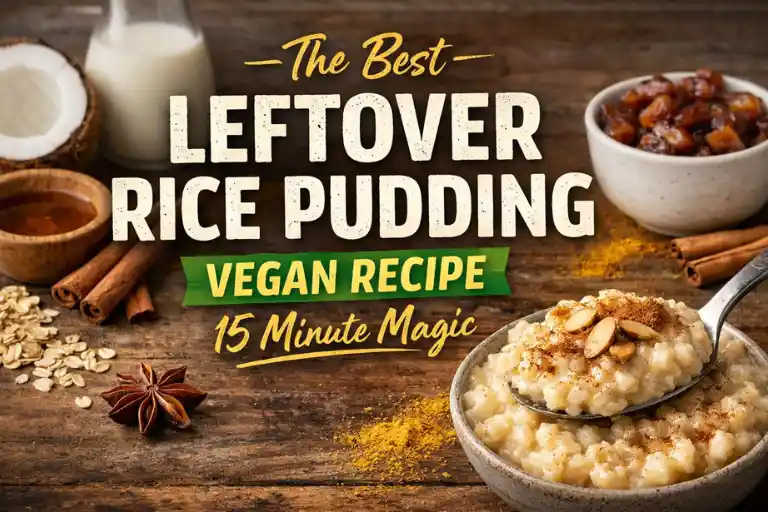
Have leftover rice sitting in your fridge and not sure what to do with it? Instead of wasting it, turn it into a warm, creamy vegan rice pudding in just 15 minutes. This easy leftover rice pudding (vegan) recipe transforms simple cooked rice into a rich, comforting dessert using your favorite plant milk. No dairy, no eggs — just smooth, sweet flavor with basic pantry ingredients.
Whether you’re craving a quick dairy-free dessert, a cozy breakfast, or a simple plant-based rice pudding, this recipe delivers. You can make it with almond milk, coconut milk, oat milk, or soy milk, and adjust the sweetness to your taste. It’s perfect if you’re looking for a low-waste recipe, a fast vegan treat, or a comforting bowl of homemade goodness.
Got Leftover Rice? Here’s the Fastest Vegan Dessert You Can Make
If you have leftover rice in your fridge, you’re already halfway to making a warm bowl of creamy vegan rice pudding. Instead of throwing it away, this recipe turns simple cooked rice into a rich, comforting dairy-free dessert in just 15 minutes. It’s the perfect low-waste recipe for busy days when you want something sweet without starting from scratch.
This easy vegan rice pudding with cooked rice uses basic pantry ingredients and your favorite plant milk. No eggs, no cream, no complicated steps. Just simmer, stir, and enjoy. You can serve it warm and cozy on a cool evening or chill it for a refreshing treat later. It even works as a quick vegan breakfast pudding if you prefer something lightly sweet in the morning.
Can You Make Rice Pudding With Leftover Rice?
Yes, you absolutely can make rice pudding with leftover rice — and in many ways, it’s easier than starting with raw rice. Cooked rice already contains released starch, which helps thicken the pudding quickly once it heats up again.
Why Cooked Rice Works
When rice is cooked, its natural starch expands and softens. During the second cooking stage for leftover rice pudding (vegan), that starch reactivates when heated with liquid. This is what gives you that smooth, creamy texture without needing dairy or eggs.
Starch Reactivation Explained (Simple Science)
As the rice simmers in almond milk, coconut milk, oat milk, or soy milk, the heat gently loosens the starch molecules. They mix with the liquid and create thickness naturally. That’s why this method works so well for a quick creamy vegan rice pudding.
Best Rice Types to Use
- Short-grain rice – best for extra creamy texture
- Jasmine rice – slightly floral and soft
- Basmati rice – lighter texture, less sticky
- Brown rice – works, but takes longer to soften
When Leftover Rice Won’t Work
If your rice is:
- Extremely dry and hard
- Stored too long (more than 4–5 days)
- Overly seasoned with savory spices
It may not give the best results. Fresh, plain cooked rice works best for a smooth plant-based rice pudding.
Why This Vegan Rice Pudding Turns Ultra Creamy (Without Dairy)
You don’t need heavy cream to get that classic texture. The secret is a mix of starch, gentle heat, and the right plant milk.
You might also like: Best Gomasio Recipe
Starch + Gentle Simmer
Cooking on low heat allows the starch to slowly release into the liquid. Boiling too hard can break the grains and make the pudding grainy. A slow simmer gives you that thick, comforting consistency.
Fat Content in Plant Milk
Different plant milks change the richness:
- Coconut milk – thick and luxurious
- Oat milk – naturally creamy
- Soy milk – balanced and smooth
- Almond milk – lighter texture
If you want the most creamy dairy-free rice pudding, coconut or oat milk works best.
Spoon-Coating Texture Test
A simple trick: dip a spoon into the pudding. If it coats the back of the spoon and slowly drips off, it’s ready.
Resting Stage Thickening
After cooking, let the pudding rest for 5–10 minutes. It will continue to thicken naturally as it cools. This resting step is often skipped, but it’s key to achieving a perfectly thick vegan rice pudding.
Ingredients Breakdown (And Why Each One Matters)
Making the perfect vegan rice pudding with leftover rice is not just about mixing rice and milk. Each ingredient plays an important role in texture, sweetness, and flavor balance.
Plant Milk Comparison (Almond vs Coconut vs Oat vs Soy)
Choosing the right plant milk changes everything in your dairy-free rice pudding.
| Plant Milk | Texture Result | Flavor Impact | Best For |
| Coconut milk | Very thick & rich | Slight coconut taste | Ultra creamy dessert-style pudding |
| Oat milk | Smooth & naturally creamy | Mild sweetness | Balanced creamy texture |
| Soy milk | Medium thickness | Neutral | Classic creamy consistency |
| Almond milk | Light & thinner | Slight nutty flavor | Lighter, low-fat version |
If you want the most creamy vegan rice pudding, go with coconut or oat milk. For a lighter version, almond milk works well.
Sweetener Comparison (Maple vs Sugar vs Dates)
Sweetness affects both texture and depth of flavor.
- Maple syrup – Adds warmth and richness. Great for a cozy, homemade feel.
- White or brown sugar – Classic and neutral. Lets the vanilla and cinnamon shine.
- Date paste or blended dates – Natural sweetness with extra fiber. Makes the pudding slightly thicker.
For a refined sugar-free option, dates or maple syrup are ideal in this plant-based rice pudding.
Flavor Enhancers
Simple additions can upgrade your leftover rice pudding (vegan) instantly:
- Vanilla extract – Adds sweetness without extra sugar
- Cinnamon – Warm and comforting
- Cardamom – Light floral spice
- Turmeric – For a golden milk twist
These flavors help transform a simple vegan dessert recipe into something special.
Why Salt Matters
A small pinch of salt makes a big difference. It balances sweetness and enhances all the other flavors. Without salt, your creamy vegan rice pudding can taste flat or overly sweet.
This deeper ingredient understanding is something many recipes skip — but it’s the secret to better results every time.
The Perfect Rice-to-Liquid Ratio (Fail-Proof Guide)
Getting the right ratio is the key to mastering rice pudding with cooked rice. Because the rice is already cooked, the liquid amount determines how thick or creamy your pudding becomes.
Thick Dessert Ratio
Best for a rich, spoon-standing pudding.
- 1 cup leftover rice
- 1 to 1¼ cups plant milk
Result: Thick, rich, and dense — perfect for a traditional creamy vegan rice pudding.
Creamy Spoonable Ratio
Soft and smooth but still thick.
- 1 cup leftover rice
- 1½ cups plant milk
Result: Balanced texture that gently coats the spoon.
Breakfast-Style Ratio
Looser and lighter.
- 1 cup leftover rice
- 1¾ to 2 cups plant milk
Result: A softer pudding that works well as a vegan breakfast pudding.
How to Adjust Mid-Cooking
Too thick?
Add 1–2 tablespoons of warm plant milk and stir gently. Too thin?
Simmer uncovered for a few extra minutes to let excess liquid evaporate.
Because starch continues to thicken as it cools, always let your dairy-free rice pudding rest for 5–10 minutes before deciding if it needs adjustment. Mastering this ratio gives you full control over your easy vegan rice pudding, something most recipes don’t explain clearly.
15-Minute Stovetop Method (Step-By-Step)
This quick method turns leftover rice into a warm, creamy vegan rice pudding in under 15 minutes. Because the rice is already cooked, the process is simple and fast.
Heat Stage
Add 1 cup cooked rice and your chosen plant milk (based on your preferred ratio) to a saucepan. Turn the heat to medium. Stir gently to combine. Add your sweetener, vanilla, cinnamon, and a pinch of salt.
Simmer Stage
Once small bubbles appear, lower the heat to a gentle simmer. Stir every 1–2 minutes. This helps prevent sticking and encourages the starch to release properly.
Thickening Signals
You’ll notice the mixture slowly becoming creamier. The liquid will reduce, and the rice will look glossy. This is when your dairy-free rice pudding starts to come together.
Texture Checkpoints
- If it lightly coats the spoon → it’s almost ready.
- If it holds soft shape when stirred → perfect creamy texture.
- If it looks too loose → simmer 1–2 minutes longer.
When to Stop Cooking
Remove from heat when it’s slightly thinner than your ideal texture. It will continue to thicken during the resting stage. Let it sit for 5–10 minutes before serving.
This simple method works for any vegan rice pudding with cooked rice, whether you’re using almond milk, oat milk, coconut milk, or soy milk.
Creaminess Control Guide
One of the biggest advantages of making leftover rice pudding (vegan) at home is full texture control. Here’s how to customize it.
Extra Thick Version
Use less liquid (1 to 1¼ cups plant milk per cup of rice). Simmer slightly longer and let it rest fully before serving. Great for a rich, dessert-style creamy vegan rice pudding.
Silky Smooth Version
After cooking, lightly mash some of the rice with the back of a spoon. You can also blend a small portion and mix it back in. This creates a smoother plant-based rice pudding without losing texture.
Loose Breakfast Version
Add a bit more plant milk during cooking or after reheating. This gives you a softer, spoonable texture perfect for a quick vegan breakfast pudding.
High-Protein Version
Stir in:
- 1 tablespoon chia seeds
- 1 scoop neutral vegan protein powder
- 1 tablespoon nut butter
This makes your healthy vegan dessert more filling and balanced.
Most recipes skip these customization levels — but this is how you turn a basic pudding into your perfect version.
How to Fix Common Vegan Rice Pudding Problems
These quick fixes help you troubleshoot your dairy-free rice pudding instantly.
Too Thin
Simmer uncovered for 2–3 more minutes. Stir frequently. If needed, mash a small portion of rice to release more starch.
Too Thick
Add 1–2 tablespoons of warm plant milk and stir gently. Let it rest before adding more.
Bland Flavor
Add a pinch of salt, extra vanilla, or a small splash of maple syrup. Flavor balance is key in vegan rice pudding recipes.
Grainy Texture
Heat may be too high. Lower to a gentle simmer next time. Stir more often to help starch distribute evenly.
Mushy Rice
Rice may have been overcooked before. Use firmer leftover rice next time and avoid aggressive stirring.
Burned Bottom
This happens when heat is too high. Always simmer gently and stir every 1–2 minutes. Use a heavy-bottom pan if possible.
Too Sweet
Add a splash of unsweetened plant milk and a tiny pinch of salt to rebalance the flavor.
Flavor Boosters That Instantly Upgrade It
Once you master the base creamy vegan rice pudding, you can easily turn it into something unique. These simple upgrades transform your leftover rice pudding (vegan) into a bakery-style dessert.
Golden Milk Turmeric
Stir in ¼ teaspoon turmeric, a pinch of black pepper, cinnamon, and maple syrup. This creates a warm golden milk rice pudding with deep color and gentle spice. It’s cozy, comforting, and perfect for cooler days.
Chocolate Vegan Rice Pudding
Add 1–2 tablespoons of cocoa powder or melted dark chocolate during the simmer stage. Increase sweetness slightly if needed. This turns your dairy-free rice pudding into a rich chocolate treat.
Toasted Coconut Version
Top with toasted coconut flakes and use coconut milk for extra richness. This adds texture and makes your plant-based rice pudding feel tropical and indulgent.
Citrus Zest Upgrade
A little orange or lemon zest brightens the flavor instantly. It balances sweetness and adds freshness to your easy vegan dessert recipe.
Cardamom & Pistachio
Add a pinch of ground cardamom and top with chopped pistachios. This gives your vegan rice pudding with cooked rice a delicate, elegant twist.
Vegan Caramel Drizzle
Drizzle with homemade or store-bought vegan caramel sauce before serving. It adds sweetness and a silky finish to your creamy vegan rice pudding. These small changes keep your recipe exciting while still using simple leftover rice.
Smart Substitutions & Diet Variations
One of the best things about this vegan rice pudding recipe is how flexible it is. You can adjust it to match your dietary needs without losing flavor.
Nut-Free Version
Use oat milk or soy milk instead of almond milk. Always check labels if allergies are a concern. This keeps your dairy-free rice pudding safe and creamy.
Sugar-Free Version
Replace sugar or maple syrup with:
- Blended dates
- Monk fruit sweetener
- Stevia (use lightly)
This works well if you want a refined sugar-free healthy vegan dessert.
Oil-Free Option
This recipe is naturally oil-free if you avoid coconut cream. Use light oat or soy milk for a lower-fat plant-based rice pudding.
High-Protein Version
Add:
- 1 scoop vegan protein powder
- 1 tablespoon chia seeds
- 1 tablespoon almond or peanut butter
This turns your vegan breakfast pudding into a filling, balanced meal.
Gluten-Free Clarification
Rice is naturally gluten-free, making this a safe gluten-free vegan dessert. Just make sure your plant milk and flavorings are certified gluten-free if needed.
With these easy swaps, your leftover rice pudding (vegan) becomes flexible, customizable, and suitable for almost any dietary preference — without sacrificing that smooth, creamy texture.
Make-Ahead & Meal Prep Guide
One of the best things about leftover rice pudding (vegan) is how well it works for meal prep. You can make a larger batch once and enjoy it all week.
Batch Cooking
Simply double or triple the recipe using the same rice-to-liquid ratio. Use a larger saucepan and simmer gently. Stir often to prevent sticking. This is perfect if you want a ready-to-go vegan dessert or quick breakfast.
Portioning
Let the creamy vegan rice pudding cool slightly, then divide it into small airtight containers. Individual portions make it easy to grab as a snack, dessert, or vegan breakfast pudding.
Texture Changes After Refrigeration
After chilling, the pudding will naturally thicken. The starch continues to absorb liquid, making your dairy-free rice pudding denser the next day. This is completely normal.
Rehydration Method
To bring back creaminess, add 1–3 tablespoons of warm plant milk (almond, oat, soy, or coconut). Stir gently while reheating. This restores the smooth texture of your vegan rice pudding with cooked rice.
Meal prep makes this recipe even more practical and waste-friendly.
Storage, Freezing & Reheating Guide
Proper storage helps maintain the texture and flavor of your plant-based rice pudding.
How Long It Lasts
Store in an airtight container in the refrigerator for 3–4 days. Make sure the rice was fresh before using it in your leftover rice pudding (vegan).
Can You Freeze Vegan Rice Pudding?
Yes, you can freeze it for up to 2 months. However, freezing may slightly change the texture. The pudding can become thicker or slightly grainy after thawing.
To freeze:
- Cool completely
- Store in freezer-safe containers
- Leave a little space for expansion
Best Reheating Method
For best results, reheat on the stovetop over low heat. Add a splash of plant milk and stir gently. You can also microwave in short intervals, stirring between each round.
Preventing Dryness After Storage
Always store with a tight lid. If it thickens too much, simply stir in warm plant milk before serving. This keeps your creamy vegan rice pudding smooth and spoonable.
Many recipes skip detailed storage advice, but proper handling keeps your pudding tasting fresh.
Is Vegan Rice Pudding Healthier Than Traditional?
Many people wonder if vegan rice pudding is healthier than traditional versions made with dairy and eggs. The answer depends on ingredients and portion size.
Dairy vs Plant Milk Comparison
Traditional rice pudding uses whole milk or cream, which increases saturated fat. Using almond milk, oat milk, soy milk, or coconut milk can lower saturated fat (except full-fat coconut milk). This makes dairy-free rice pudding lighter for some diets.
Sugar Control Options
With homemade vegan rice pudding, you control the sweetness. You can reduce sugar, use maple syrup, or switch to date paste for a more natural option. Traditional recipes often rely on refined sugar.
Fat Differences
Dairy versions contain higher saturated fat from cream. Using lighter plant milks can reduce overall fat content. However, coconut milk will increase richness and fat, so choose based on your goals.
Calorie Comparison
Calories vary depending on milk and sweetener choice. A lighter plant-based rice pudding made with almond or oat milk can be lower in calories than cream-based pudding. Portion size still matters.
Overall, a homemade vegan rice pudding recipe offers more flexibility and better ingredient control. You can adjust sweetness, fat level, and portion size to fit your personal health needs — while still enjoying a warm, comforting dessert.
5 Delicious Ways to Serve Vegan Rice Pudding
Once your creamy vegan rice pudding is ready, there are so many fun ways to enjoy it. Whether you prefer it warm or chilled, this leftover rice pudding (vegan) adapts beautifully.
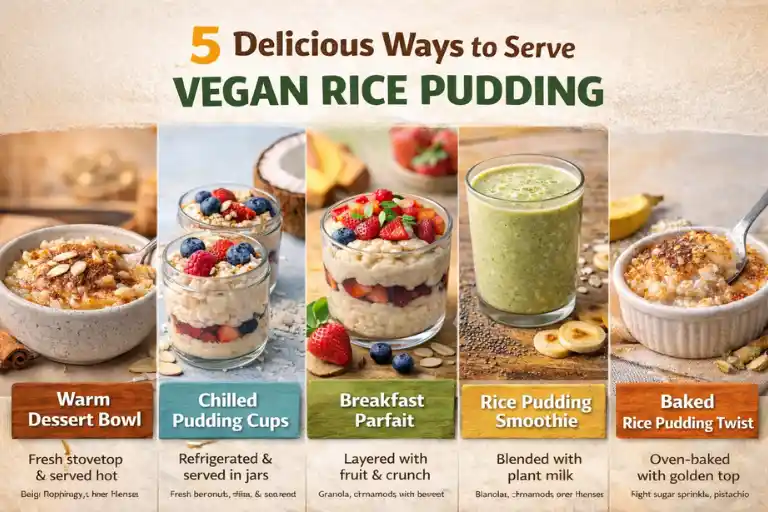
Warm Dessert Bowl
Serve it fresh off the stove with a sprinkle of cinnamon, chopped nuts, or a drizzle of maple syrup. This is the classic, cozy way to enjoy a warm dairy-free rice pudding.
Chilled Pudding Cups
Spoon into small jars and refrigerate for a few hours. The texture becomes thicker and richer. Top with berries or toasted coconut for an easy plant-based dessert.
Breakfast Parfait
Layer your vegan rice pudding with cooked rice with fruit, granola, and nut butter. It turns into a filling vegan breakfast pudding.
Rice Pudding Smoothie
Blend chilled rice pudding with extra plant milk and a banana. This creates a creamy smoothie with natural sweetness.
Baked Rice Pudding Twist
Transfer to a small baking dish, sprinkle a little sugar on top, and bake until lightly golden. This adds a caramelized layer and makes your easy vegan rice pudding feel extra special.
FAQs About Leftover Rice Pudding
Can you use leftover white rice?
Yes. Plain leftover white rice works perfectly for this vegan rice pudding recipe. Short-grain rice gives the creamiest texture, but jasmine or basmati also work well.
What is the best plant milk for rice pudding?
For the most creamy vegan rice pudding, use coconut milk or oat milk. Almond milk creates a lighter texture, while soy milk offers a balanced middle option.
Why isn’t my rice pudding creamy?
It may need more simmering time or slightly more liquid. Creaminess develops when starch releases slowly during gentle heat. Let it rest after cooking, as it thickens while cooling.
Can you freeze vegan rice pudding?
Yes, you can freeze it for up to 2 months. The texture may thicken after thawing, but adding a splash of warm plant milk while reheating restores smoothness.
How do you thicken rice pudding without eggs?
Simmer it longer to reduce liquid or mash a small portion of rice to release more starch. You can also stir in a teaspoon of chia seeds for natural thickening.
Can I use brown rice?
Yes. Brown rice works for plant-based rice pudding, but it creates a slightly chewier texture and may require more simmering time.
Is rice pudding gluten free?
Yes. Rice is naturally gluten-free, making this a safe gluten-free vegan dessert, as long as your plant milk and flavorings are gluten-free.
Can you make it in the microwave?
Yes. Combine cooked rice and plant milk in a microwave-safe bowl. Heat in short intervals, stirring between each round until thick and creamy.
Final Thought
Turning simple leftover rice into a warm bowl of creamy vegan rice pudding proves that comfort food doesn’t have to be complicated. With just a few pantry ingredients and your favorite plant milk, you can create a smooth, rich, and satisfying dairy-free dessert in minutes.
What makes this recipe special is its flexibility. You can control the sweetness, adjust the texture, experiment with flavors like cinnamon or turmeric, and even meal prep it for the week. Whether you serve it warm as a cozy treat or chilled as a quick vegan breakfast pudding, this recipe fits your routine.
More than just an easy dessert, this leftover rice pudding (vegan) is a smart, low-waste solution that transforms everyday ingredients into something comforting and delicious. Simple, customizable, and naturally plant-based — it’s a recipe you’ll come back to again and again.