
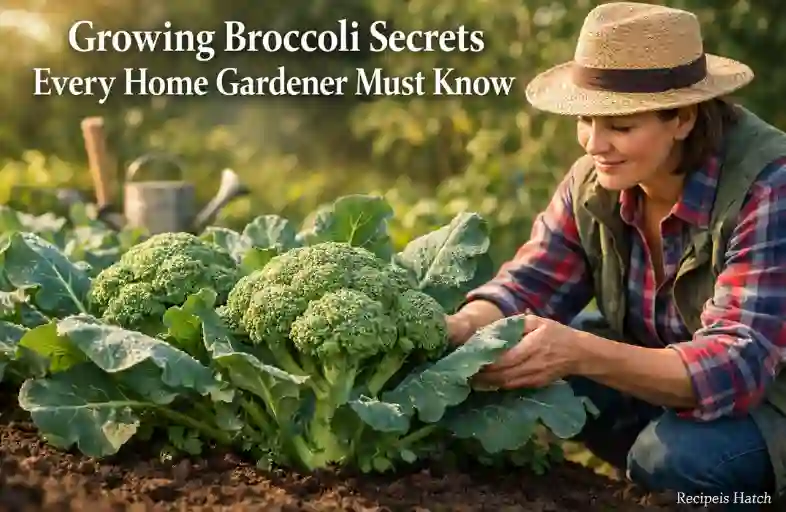
Growing broccoli at home is a rewarding experience for any gardener, whether you’re a beginner or have some garden experience. This cool-season vegetable is packed with nutrients, easy to grow with the right tips, and perfect for fresh, healthy meals. In this guide, you’ll learn how to grow broccoli successfully from start to finish.
We’ll cover everything from planting broccoli seeds, choosing the best varieties, caring for your plants, handling pests and diseases, to harvesting broccoli heads and even growing broccoli in containers. By the end, you’ll have all the knowledge you need to enjoy homegrown broccoli in your garden. Whether you have a small backyard or a balcony, this guide will help you grow strong, healthy broccoli plants every season.
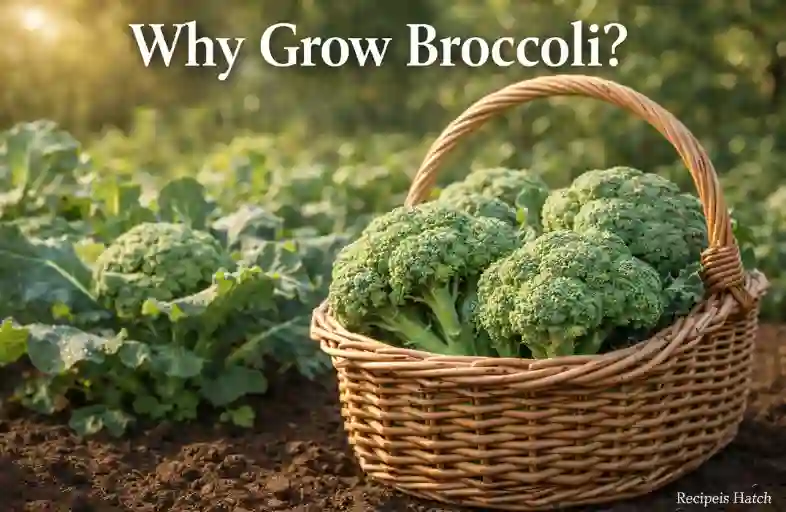
Why Grow Broccoli?
Broccoli is more than just a healthy vegetable—it’s a nutrient powerhouse. Packed with vitamins, minerals, and antioxidants, homegrown broccoli can improve your diet and support overall wellness. Growing broccoli in your garden is also cost-effective and ensures freshness compared to store-bought vegetables. As a cool-season crop, broccoli thrives in spring and fall, making it a versatile choice for gardeners in most climates.
It’s also part of the brassica family, which includes cabbage and kale, known for their resilience and rich flavor. Growing broccoli at home lets you control soil quality, watering, and pest management. Plus, harvesting your own broccoli is rewarding and fun, especially for beginners. Whether you have a backyard or a small container, growing broccoli brings fresh, healthy, and flavorful vegetables straight to your table.
You might also like: Mexican Chicken Lentil Soup
Choosing the Right Broccoli Variety
Picking the right broccoli variety is essential for a successful harvest. Popular types include Calabrese, Sprouting, and Romanesco, each with unique flavors and growth habits. Calabrese broccoli is widely grown and produces large heads, while Sprouting varieties have smaller heads with multiple stalks, ideal for successive harvesting.
Romanesco broccoli is visually striking with its spiral-shaped heads. When choosing a variety, consider your climate: cool-season varieties do best in spring or fall, while some hybrids handle warmer temperatures. Beginners should start with easy-to-grow varieties that resist common pests.
Whether you’re planting in the garden or growing broccoli in containers, choosing the right type ensures healthy growth, high yield, and flavorful heads. Matching the variety to your conditions and space makes homegrown broccoli easier and more successful.
When and Where to Plant Broccoli
Timing and location are crucial when growing broccoli. Broccoli prefers cool-season weather, so plant spring broccoli 2–3 weeks before the last frost or fall broccoli 85–100 days before the first frost. Choose a location with full sun—at least 6 hours per day—and well-drained soil enriched with compost or organic matter.
Avoid planting broccoli in areas where other brassicas recently grew to reduce disease risk. For container gardens, ensure pots have proper drainage and are large enough for root development. Proper spacing is important: plant seedlings about 18–24 inches apart to allow air circulation. By carefully selecting the right planting time and location, your broccoli plants will have the best conditions for strong growth, abundant heads, and healthy development.
How to Grow Broccoli Step by Step
- Start Seeds Indoors:Plant broccoli seeds indoors 6–8 weeks before the last frost.
- Harden Off Seedlings: Gradually acclimate seedlings to outdoor conditions before transplanting.
- Prepare the Soil:
- Use well-drained soil enriched with compost.
- Space plants 18–24 inches apart for healthy growth.
- Transplant Seedlings: Move hardened seedlings to the garden or containers.
- Water Regularly: Keep soil consistently moist but avoid waterlogging.
- Fertilize: Apply nitrogen-rich fertilizer to encourage leafy growth.
- Mulch: Mulch around plants to retain moisture and control weeds.
- Provide Sunlight: Ensure at least 6 hours of sunlight daily.
- Monitor and Maintain:Check plants for pests and diseases and care for their growth consistently.
Growing Broccoli in Containers
You don’t need a large garden to grow broccoli. Container gardening works well for small spaces like balconies or patios. Use a pot at least 12 inches deep with drainage holes and fill it with fertile, well-draining potting mix. Plant seedlings at the same depth as in the garden and space them properly.
Water regularly to keep the soil moist but avoid overwatering, which can cause root rot. Fertilize with balanced liquid fertilizer every 2–3 weeks. Place containers in full sun, ensuring 6+ hours of light per day.
Mulching helps retain moisture and regulate soil temperature. With proper care, even in pots or raised containers, you can enjoy healthy, homegrown broccoli, making fresh vegetables accessible for small-space gardeners.
Companion Planting for Broccoli
Companion planting can improve your broccoli’s growth and reduce pests naturally. Good companions include spinach, lettuce, onions, and herbs like dill and rosemary. Avoid planting near tomatoes, strawberries, or peppers, as they can compete for nutrients. Companion plants can repel pests, improve soil health, and maximize space in your garden.
Crop rotation is also important: avoid planting broccoli where other brassicas grew recently to prevent diseases like clubroot. Mulching and spacing help maintain airflow and reduce fungal issues. By strategically using companion plants and proper garden planning, your broccoli plants will grow healthier and stronger, producing larger heads and fewer problems with pests or disease.
Common Problems and Troubleshooting
Even experienced gardeners face issues when growing broccoli. Common problems include broccoli not forming heads, bolting in hot weather, or yellowing leaves. These often result from temperature stress, poor soil, or irregular watering. Small or loose heads can indicate nutrient deficiency, especially nitrogen. Proper spacing and sunlight help prevent overcrowding.
Regularly inspect plants for pests like cabbage worms and aphids, which can damage leaves and heads. Address problems early using organic solutions like neem oil or row covers. With careful attention to watering, fertilizing, and monitoring growth, most issues can be avoided. Understanding and troubleshooting these common problems ensures your broccoli harvest is successful, healthy, and abundant.
Pests and Diseases
Broccoli plants are susceptible to pests and diseases if not managed properly. Common pests include cabbage worms, aphids, and cutworms, which can damage leaves and heads. Use organic pest control methods like neem oil, insecticidal soap, or floating row covers to protect your plants. Diseases such as clubroot, downy mildew, and black rot can affect broccoli, especially in poorly drained soil.
Rotate crops each season to reduce disease buildup. Keep garden areas clean, remove infected plants, and maintain healthy soil. Healthy broccoli grows stronger and resists pests naturally. Paying attention to these measures will ensure your broccoli plants remain productive and provide a high-quality harvest every season.
Harvesting Broccoli
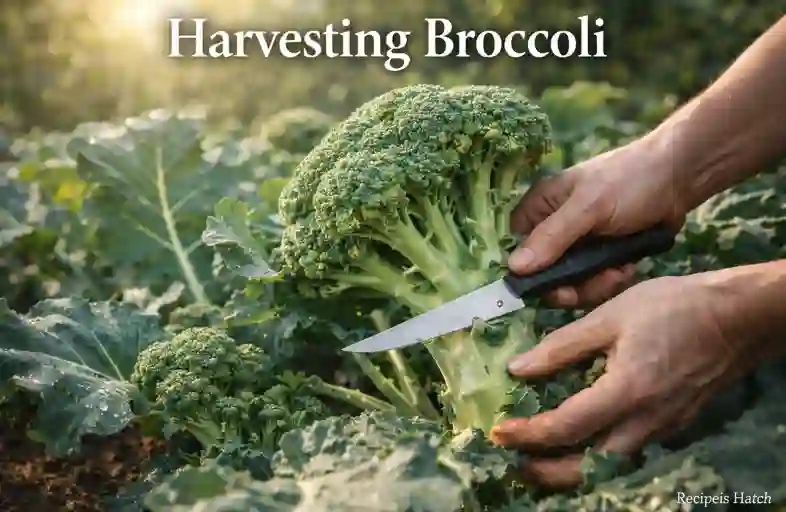
Knowing when and how to harvest broccoli is key. Main heads are ready when they are tight, firm, and dark green—before yellow flowers appear. Use a sharp knife to cut the head just above the main stalk. Side shoots will continue producing smaller heads after the main harvest, extending your yield.
Timing is important: harvest early in the morning for the freshest flavor. Avoid leaving heads too long, as they can become bitter or overripe. After cutting, store broccoli in the refrigerator for up to a week or freeze for longer storage. Following these tips ensures your homegrown broccoli remains fresh, nutritious, and delicious.
Storing and Preserving Broccoli
Proper storage keeps broccoli fresh and flavorful. For short-term storage, wrap heads in a damp paper towel and place them in a perforated plastic bag in the refrigerator for up to a week. To freeze, blanch broccoli in boiling water for 2–3 minutes, then cool in ice water before freezing in airtight containers.
Avoid washing until ready to use, as moisture accelerates spoilage. You can also steam, roast, or stir-fry broccoli immediately after harvesting for best taste. By following these simple storage methods, your homegrown broccoli stays fresh, nutritious, and ready to enjoy any time. Proper storage extends the benefits of growing broccoli at home.
Expert Tips for Maximum Yield
- Use fertile, well-drained soil to give your broccoli plants the best start.
- Apply nitrogen-rich fertilizer regularly to encourage strong, leafy growth.
- Mulch around plants to retain soil moisture and reduce weeds.
- Practice succession planting for continuous harvests throughout the season.
- Protect seedlings from frost and heat to prevent bolting and stress.
- Monitor for pests and diseases and treat early with organic solutions.
- Provide adequate sunlight—at least 6 hours per day—for healthy growth.
- Maintain proper spacing to allow broccoli heads to develop fully.
FAQs About Broccoli Growers
How long does broccoli take to grow?
80–100 days from planting to main head harvest.
Can broccoli be grown in pots?
Yes, use a large container with fertile soil and drainage holes.
Does broccoli grow back after cutting?
Side shoots produce additional heads after the main harvest.
Why are my broccoli heads small?
Often caused by nutrient deficiency, heat stress, or overcrowding.
How much sun does broccoli need?
At least 6 hours of full sun daily.
Final Thoughts
Growing broccoli is a rewarding and healthy choice for any gardener. With proper planting, care, pest management, and harvesting, even beginners can enjoy homegrown broccoli. Following this step-by-step guide ensures strong plants, high yields, and fresh, flavorful heads.
Whether in a garden or container, you can grow broccoli successfully and enjoy its nutritional benefits all season long. Start today and experience the joy of fresh, homegrown vegetables straight from your garden.