
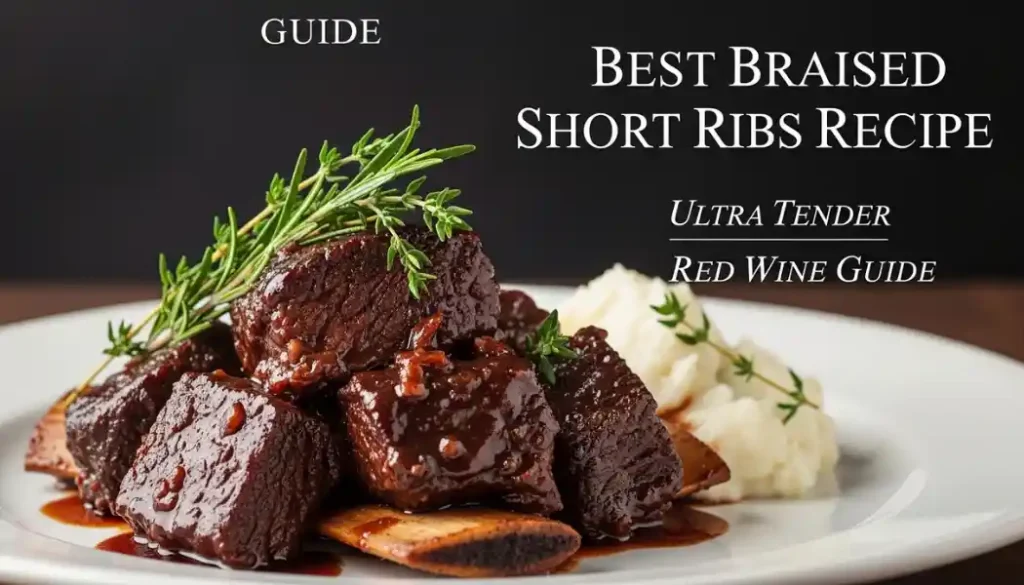
If you are craving a rich, comforting, and deeply flavorful beef dish, then braised short ribs are exactly what you need. This classic recipe turns a tough cut of beef into something incredibly tender, juicy, and fall-apart soft. Slow cooking in a savory mix of red wine, beef stock, herbs, and aromatics creates a thick, glossy sauce that tastes like it came from a fine restaurant.
What makes braised short ribs so special is the slow cooking process. Over time, the meat becomes melt-in-your-mouth soft while absorbing all the deep flavors from the braising liquid. Whether you cook them in the oven or a Dutch oven, the result is always the same—pure comfort on a plate.
This braised beef short ribs recipe is perfect for family dinners, special occasions, or whenever you want a truly satisfying meal.
Quick Answer
Braised short ribs are a slow-cooked beef dish made by simmering beef short ribs in red wine, stock, and aromatics until they become ultra tender, rich, and fall-apart soft. This recipe delivers deep flavor and a restaurant-style sauce through low and slow cooking.
Why This Braised Short Ribs Recipe Works
This braised short ribs recipe works so well because it is built on both chef technique and food science. Every step has a purpose, and together they create deeply tender, rich, and flavorful beef short ribs.
One of the biggest reasons is deep flavor layering. As the meat cooks slowly, ingredients like red wine, beef stock, garlic, and herbs build a strong umami base, giving the dish a rich and savory taste that feels restaurant-quality.
The low and slow cooking method is also key. It allows the tough connective tissue in the beef to slowly break down into gelatin, which is what makes braised short ribs fall apart and become melt-in-your-mouth tender.
Before braising, searing the meat is essential. This creates the Maillard reaction, which adds a deep, caramelized crust and enhances overall flavor complexity. Finally, the balance of fat, acidity, and richness ensures the sauce is bold but not heavy—perfectly smooth and deeply satisfying.
What Are Braised Short Ribs?
Braised short ribs come from a flavorful cut of beef taken from the lower part of the cow, near the rib section. This cut has a lot of marbling, connective tissue, and bone, which makes it perfect for slow cooking. When cooked properly, it turns into tender, juicy, and rich beef short ribs with deep flavor.
Beef Short Ribs Explained
Short ribs are cut from the chuck or plate section. They contain layers of meat, fat, and bone that add extra richness during cooking. This structure is why they are often used in braised beef recipes instead of quick cooking methods.
Bone-in vs Boneless Differences
- Bone-in short ribs give more flavor and a richer sauce
- Boneless short ribs cook slightly faster but can be less juicy
For best results, most chefs prefer bone-in braised short ribs for maximum depth.
English Cut vs Flanken Cut
- English cut: Thick, meaty pieces cut parallel to the bone (best for braising)
- Flanken cut: Thin slices cut across the bone (often used in Korean BBQ)
For this recipe, English cut short ribs are ideal because they stay juicy during long cooking.
Why This Cut Is Perfect for Braising
Short ribs are tough at first, but they contain high amounts of collagen and fat. When cooked slowly in liquid, they transform into ultra-tender, fall-apart beef, making them one of the best cuts for braising.
The Science of Braising
The magic of braised short ribs is not just cooking—it is food science in action. Slow heat changes the structure of the meat completely.
How Collagen Turns Into Gelatin
Inside short ribs, there is a lot of collagen (connective tissue). When cooked slowly over low heat, this collagen breaks down and turns into gelatin, which gives the meat its soft, silky texture and makes the sauce naturally rich.
Why Slow Cooking Creates Tenderness
High heat makes meat tough, but low and slow cooking gently breaks down fibers without drying them out. This is why slow-cooked short ribs become so soft and juicy instead of chewy.
Moisture Retention vs Dry Heat Cooking
Braising uses both moist heat and covered cooking, which locks in moisture. Unlike grilling or roasting, the liquid environment prevents the meat from drying out, resulting in juicy braised beef short ribs.
Why Braised Beef Tastes Better the Next Day
After resting overnight, flavors continue to develop. The sauce thickens, and the meat absorbs more seasoning, making braised short ribs even richer and more flavorful the next day.
Ingredients for Braised Short Ribs
You might also like: Best Gingerbread Mug Cake
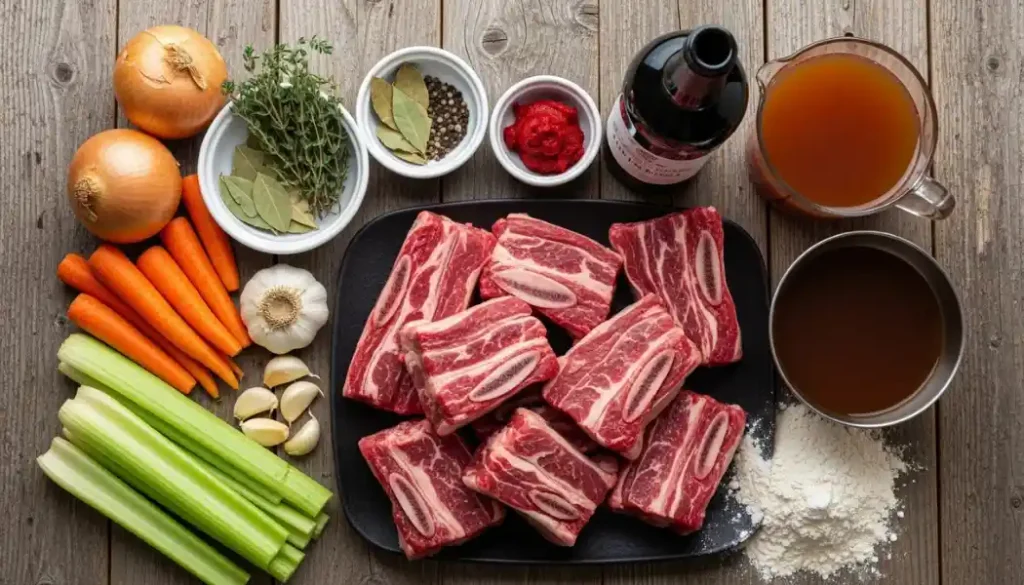
A great braised short ribs recipe starts with simple ingredients that build deep, rich flavor during slow cooking. Each ingredient plays an important role in creating tender, juicy beef short ribs with a restaurant-style sauce.
Beef Short Ribs
The star of the dish. Choose bone-in beef short ribs for the best flavor, texture, and natural richness.
Red Wine (Flavor + Acidity Role)
Red wine adds depth, acidity, and complexity. It helps balance the richness of the beef and creates a deep, savory braising sauce.
Beef Stock (Depth Base)
Beef stock builds the foundation of flavor and enhances the meatiness of the sauce.
Tomato Paste (Umami Enhancer)
Tomato paste adds a concentrated umami boost, helping the sauce become rich, thick, and flavorful.
Onion, Carrot, Celery (Mirepoix Foundation)
This classic vegetable base adds natural sweetness and aroma, forming the flavor backbone of braised dishes.
Garlic, Thyme, Rosemary, Bay Leaf
These aromatics bring a warm, earthy, and herbal depth that makes braised short ribs taste more complex and comforting.
Best Wine for Braised Short Ribs (and Substitutes)
Choosing the right wine is important for achieving rich, flavorful braised beef short ribs.
Dry Red Wine Options
Good choices include Cabernet Sauvignon, Merlot, or Pinot Noir. These wines add bold flavor and balance the richness of the beef.
Budget-Friendly Wine Choices
You don’t need expensive wine. A simple dry red cooking wine or affordable bottle works perfectly as long as it is not too sweet.
Non-Alcohol Substitutes
If you prefer no alcohol, you can use:
- Grape juice + a splash of vinegar
- Extra beef stock + a little balsamic vinegar
These alternatives still create a deep, balanced flavor similar to traditional red wine braised short ribs.
Why Wine Improves Texture and Flavor
Wine helps tenderize the meat, enhances aroma, and adds acidity that cuts through the richness, making the final dish more balanced and flavorful.
Step-by-Step Braised Short Ribs Recipe
This is the heart of your braised short ribs recipe, where slow cooking transforms tough beef into fall-apart tender perfection.
Step 1 – Seasoning & Preparing the Ribs
Pat the short ribs dry and season generously with salt and pepper. This helps build a strong flavor base and improves browning later.
Step 2 – Searing for Deep Flavor Crust
Heat oil in a heavy pot or Dutch oven and sear the ribs on all sides until deeply browned. This creates the Maillard reaction, which builds rich, caramelized flavor.
Step 3 – Building the Flavor Base (Mirepoix + Tomato Paste)
Remove the ribs and sauté onion, carrot, and celery until soft. Add tomato paste and cook it until it darkens slightly to develop a deeper umami flavor base.
Step 4 – Deglazing the Pan (Fond Extraction Technique)
Pour in red wine and scrape the bottom of the pot. This releases all the browned bits (fond), which are full of concentrated flavor for the sauce.
Step 5 – Slow Braising (Oven / Dutch Oven Method)
Return the ribs to the pot, add beef stock and herbs, then cover and cook in a low oven. This slow process turns the meat into ultra tender braised short ribs.
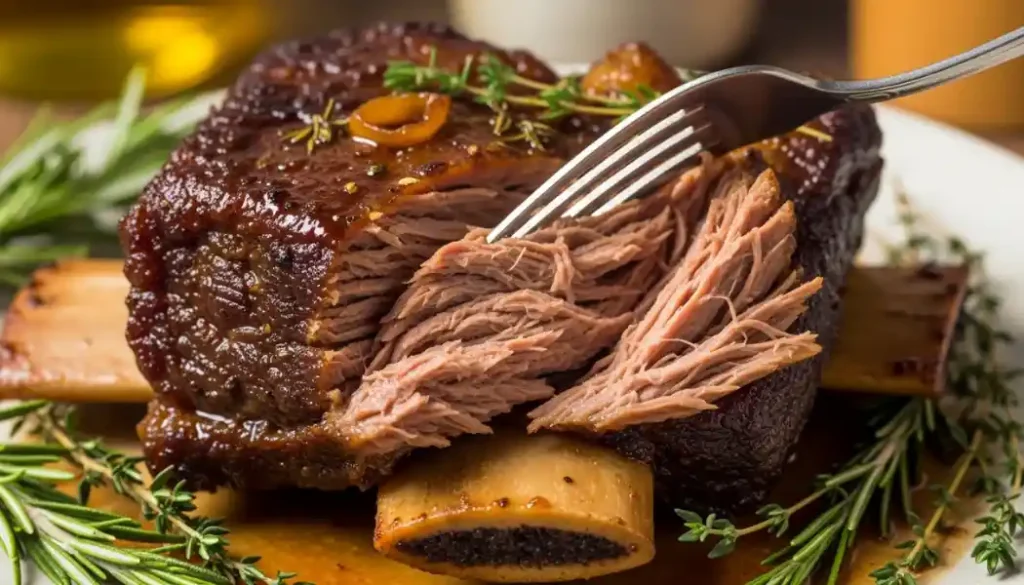
Step 6 – Checking Doneness (Fork Tender Test)
The ribs are ready when they can be easily pulled apart with a fork. The meat should feel soft, juicy, and almost falling off the bone.
Step 7 – Sauce Reduction & Finishing Gloss
Remove the ribs and simmer the sauce until slightly thickened. This creates a rich, glossy finish that coats the braised beef short ribs perfectly.
Oven vs Slow Cooker vs Stovetop vs Instant Pot
When making braised short ribs, the cooking method you choose can change the final taste, texture, and overall experience. Each method has its own benefits, but all aim to create tender, flavorful beef short ribs.
Flavor Differences
- Oven method: Deep, balanced, and most traditional flavor
- Slow cooker: Milder flavor because of less caramelization
- Stovetop (Dutch oven): Rich and concentrated taste with strong control
- Instant Pot: Good flavor but less depth compared to slow cooking
Texture Differences
- Oven: Best fall-apart texture with even cooking
- Slow cooker: Very soft but sometimes slightly watery
- Stovetop: Excellent texture if carefully controlled
- Instant Pot: Tender but can be slightly uneven if overcooked
Time Comparison
- Oven: 2.5 to 3.5 hours
- Slow cooker: 6 to 8 hours
- Stovetop: 2.5 to 3 hours (requires attention)
- Instant Pot: 45 to 60 minutes (fastest option)
Which Method Gives Restaurant Results?
For the most restaurant-style braised short ribs, the oven or Dutch oven method is the best choice because it creates the most balanced flavor depth, tenderness, and sauce quality.
How to Know When Short Ribs Are Perfectly Cooked
Knowing the exact moment when braised short ribs are done is key to achieving that perfect fall-apart beef texture.
Bone Pull Test
If the meat starts to pull away from the bone easily, your braised beef short ribs are close to perfect doneness.
Meat Separation Signs
The meat should naturally separate when touched with a fork. It should not hold its shape tightly.
Texture Indicators (“Jelly Soft” Stage)
Perfect short ribs feel extremely soft and slightly gelatinous. This “jelly soft” texture comes from fully broken-down collagen.
Ideal Internal Tenderness Cues
There is no strict temperature rule, but the meat should feel like it can be cut with a spoon or fork without resistance. That is when slow cooked short ribs are at their best.
Expert Chef Tips for Ultra Tender Short Ribs
Small techniques can take your braised short ribs recipe from good to restaurant-quality.
Overnight Seasoning (Dry Brine Option)
Letting the ribs sit with salt overnight helps the seasoning penetrate deeper, improving both flavor and tenderness.
Importance of Resting Meat
After cooking, let the ribs rest for a few minutes. This helps juices redistribute, keeping the meat moist and rich.
Straining Sauce for Restaurant Texture
For a smooth, professional finish, strain the braising liquid to remove solids. This creates a silky, clean braised beef sauce.
How to Enhance Richness at the End (Butter Finish)
Adding a small amount of cold butter at the end creates a glossy, rich sauce. This simple step gives your braised short ribs a restaurant-level finish.
Flavor Architecture
Great braised short ribs are not just cooked—they are carefully built through layers of flavor. This process is called flavor architecture, and it is what turns a simple dish into a restaurant-quality experience.
Umami Layering Technique
Umami is the deep, savory taste that makes braised beef short ribs so rich. It is built step by step using ingredients like beef stock, tomato paste, and browned meat.
Acid + Fat Balance
A perfect braise needs balance. Red wine adds acidity, while the beef fat adds richness. Together, they create a smooth, well-rounded flavor that is not too heavy.
Role of Caramelization
When onions, tomato paste, and beef are properly browned, they develop caramelized sweetness and depth, which enhances the entire sauce.
Sauce Depth Building Strategy
Each stage—searing, deglazing, and slow cooking—adds another layer of flavor. This slow buildup is what creates a deep, complex sauce in braised short ribs.
Common Mistakes to Avoid
Even a good braised short ribs recipe can fail if key steps are skipped.
Skipping Searing Step
Without searing, you miss the rich browned flavor base, making the dish taste flat.
Too Much Liquid Dilution
Adding too much liquid can make the sauce weak instead of rich and concentrated.
Cooking Too Fast (High Heat Failure)
High heat prevents collagen breakdown, resulting in tough beef short ribs.
Wrong Cut Selection
Using the wrong cut can lead to dry or uneven texture. Always choose bone-in short ribs for braising.
Overcrowding the Pan
If the pan is too full, the meat steams instead of browning, reducing flavor depth.
Why Braised Short Ribs Fail
Sometimes braised short ribs don’t turn out perfect, but most problems are easy to fix.
Meat Still Tough After Cooking
This usually means it was not cooked long enough. Continue slow cooking until the collagen fully breaks down.
Sauce Too Watery
Simmer the sauce uncovered to reduce and concentrate the flavor.
Sauce Too Bitter
This can happen from overcooked tomato paste or wine. Balance it with a small touch of sweetness or butter.
Dry or Stringy Beef Fix
Add a bit of warm broth and cover the dish to restore moisture.
Over-Salted Recovery
Add more stock, potatoes, or unsalted ingredients to balance the salt level.
Sauce Perfection Guide
The sauce is what transforms braised short ribs into a restaurant-quality dish.
How to Thicken Naturally
Let the sauce reduce slowly over heat so it thickens without flour or cornstarch.
Red Wine Reduction Technique
Simmer the sauce to concentrate the wine flavor, creating a deep and rich base.
Butter Emulsification Finish
Whisk in cold butter at the end to create a glossy, silky sauce that clings to the meat.
Straining for Glossy Sauce
Straining removes solids and gives a smooth, professional finish to the braised beef short ribs sauce.
What to Serve with Braised Short Ribs
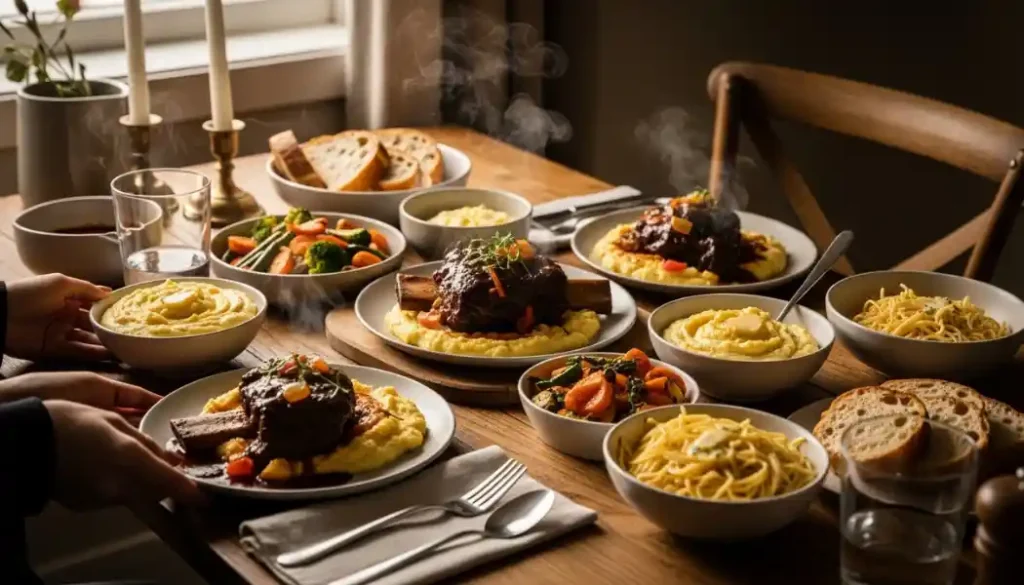
A rich dish like braised short ribs tastes even better when paired with simple sides that balance its deep, savory flavor. The goal is to soak up the delicious sauce and complement the tender beef short ribs.
Mashed Potatoes
Creamy mashed potatoes are the most classic pairing. They absorb the rich braised beef sauce and make every bite smooth and comforting.
Creamy Polenta
Soft polenta adds a slightly sweet, buttery base that works perfectly with the bold flavor of red wine braised short ribs.
Buttered Pasta
Simple buttered noodles or pasta let the sauce shine while adding a light, filling texture.
Roasted Vegetables
Carrots, carrots, Brussels sprouts, or green beans add freshness and balance to the richness of the dish.
Crusty Bread Pairing
A warm crusty bread is perfect for scooping up every drop of the thick, flavorful sauce from your braised short ribs recipe.
Wine Pairing & Serving Experience
To elevate your braised short ribs, pairing and presentation make a big difference. This dish naturally fits into a fine dining-style experience at home.
Best Wines for Serving
Full-bodied red wines work best, such as Cabernet Sauvignon, Merlot, or Syrah. These wines match the richness of the beef and enhance the deep flavors of the sauce.
Fine Dining Plating Tips
Serve the short ribs over a smooth base like mashed potatoes or polenta, then spoon the sauce generously on top. Place the meat slightly off-center for a restaurant-style look.
Presentation Styling Ideas
Add a final touch of fresh herbs like thyme or rosemary. Use a shallow white plate to highlight the dark, glossy sauce and the fall-apart tender short ribs.
Storage, Freezing & Reheating Guide
Proper storage is important to keep your braised short ribs tasting just as good later.
Fridge Storage Duration
Store leftovers in an airtight container in the refrigerator for up to 3–4 days. The flavor often becomes even richer over time.
Freezing Instructions
Freeze cooled braised beef short ribs in sealed containers or freezer bags for up to 2–3 months. Include some sauce to prevent dryness.
Best Reheating Methods
Reheat slowly on the stovetop over low heat or in the oven. Add a splash of broth if needed to keep the meat tender and juicy.
Texture Preservation Tips
Avoid high heat when reheating, as it can dry out the meat. Gentle warming helps maintain the soft, melt-in-your-mouth texture of braised short ribs.
Make-Ahead & Meal Prep Strategy
One of the best things about braised short ribs is that they are perfect for planning ahead. In fact, many chefs agree that this dish tastes even better the next day.
Flavor Improves Overnight Principle
When braised beef short ribs rest overnight, the flavors deepen and blend together. The sauce becomes richer, and the meat absorbs more of the seasoning, making it even more tender and flavorful.
Batch Cooking Strategy
You can easily double or triple this braised short ribs recipe and cook it in a large Dutch oven. After cooking, divide it into portions with sauce for easy storage and reheating later.
Weekly Meal Planning Idea
Cook a large batch once and use it throughout the week:
- Serve with mashed potatoes one day
- Use with pasta another day
- Pair with vegetables for a lighter meal
This makes slow cooked short ribs a great option for busy schedules and meal prep plans.
Nutrition Information
While braised short ribs are rich and comforting, they also provide a good balance of protein and fats.
Calories Estimate
A typical serving contains approximately 450–700 calories, depending on portion size and cooking method.
Protein Content
Beef short ribs are high in protein, offering around 30–40 grams per serving, making them a filling and satisfying meal.
Fat Profile Overview
This dish contains natural beef fats that add richness and flavor. While it is higher in fat, it also provides energy and helps create the signature tender, juicy texture of braised beef short ribs.
FAQs – About Braised Short Ribs
Why are my short ribs tough?
They likely need more cooking time. Braised short ribs become tender only when collagen fully breaks down during slow cooking.
How long should I braise short ribs?
Usually 2.5 to 3.5 hours in the oven at low heat until the meat is fall-apart tender.
Can I make braised short ribs without wine?
Yes. You can replace wine with extra beef stock plus a little vinegar or grape juice for balance.
What is the best cut for braising?
Bone-in English cut short ribs are the best because they stay juicy and flavorful during long cooking.
Can you overcook braised short ribs?
Yes, but it is difficult. If cooked too long at high heat, the meat can become dry or stringy.
Why do braised short ribs taste better the next day?
Resting allows the sauce and meat to develop deeper flavor. The result is richer, more balanced braised beef short ribs.
Final Thought
Braised short ribs are more than just a recipe—they are a slow-cooked transformation of simple ingredients into something deeply comforting and rich. When done right, the result is fall-apart tender beef, a glossy flavorful sauce, and a restaurant-quality experience at home.
This dish rewards patience, making it perfect for special dinners, meal prep, or anytime you want truly satisfying comfort food.