
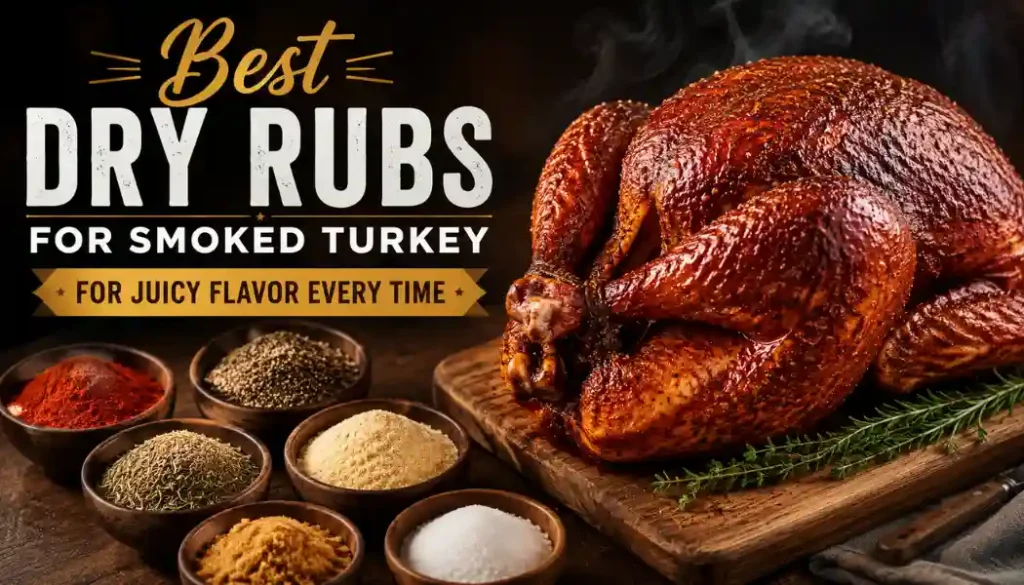
A great dry rubs for smoked turkey can turn a simple bird into the star of any meal. The right blend of herbs, spices, and seasonings creates a rich crust, locks in flavor, and helps every bite taste juicy and delicious. Whether you are smoking a whole turkey for Thanksgiving or preparing a smoked turkey breast for a weekend barbecue, using a homemade smoked turkey rub gives you better flavor than many store-bought blends.
This homemade turkey rub combines everyday pantry ingredients like kosher salt, black pepper, garlic powder, onion powder, smoked paprika, and fragrant herbs to create a balanced seasoning that works with any smoker. It is easy to mix in minutes, stores well, and can be adjusted to match your favorite flavors.
In this guide, you’ll learn how to make the best dry rub for smoked turkey, how to apply it correctly, whether you should brine before smoking, how much seasoning to use, and expert tips for getting crispy skin, tender meat, and incredible smoky flavor every time. Whether you’re using a pellet smoker, charcoal smoker, or electric smoker, this smoked turkey seasoning recipe will help you achieve delicious, restaurant-quality results at home.
Quick Answer
The best dry rub for smoked turkey combines simple pantry spices that add bold flavor while letting the natural taste of the turkey shine. A balanced mix of kosher salt, black pepper, garlic powder, onion powder, smoked paprika, brown sugar, and dried herbs like thyme, rosemary, and sage creates a savory, slightly smoky seasoning that works beautifully on both a whole smoked turkey and a smoked turkey breast.
For the best results, pat the turkey dry, coat it lightly with butter or oil, and apply the homemade turkey rub evenly over the skin and under the skin whenever possible. Let the seasoning rest for at least 2 to 12 hours before smoking to help the flavors soak into the meat. This easy smoked turkey seasoning recipe works with pellet, charcoal, and electric smokers, giving you juicy meat, flavorful skin, and a delicious BBQ finish every time.
Why This Dry Rub Is Perfect for Smoked Turkey
A great dry rub for smoked turkey does more than season the outside of the bird. It creates layers of flavor, helps develop a beautiful golden crust, and complements the natural smoky taste without overpowering it. This homemade smoked turkey rub uses everyday ingredients that blend sweet, savory, smoky, and slightly spicy flavors, making it suitable for family dinners, backyard barbecues, or holiday feasts.
Unlike many store-bought blends, this turkey spice blend contains fresh, customizable ingredients, so you can easily adjust the salt, sweetness, or heat to match your preference. Whether you’re preparing a Thanksgiving smoked turkey, a turkey breast for meal prep, or a weekend barbecue, this BBQ turkey rub delivers consistent results. It is easy to mix, stores well for future cooks, and works on nearly any smoker, helping you serve juicy smoked turkey with crispy skin and rich, balanced flavor every time.
Ingredients You’ll Need

This homemade dry rub for smoked turkey is made with simple pantry spices that create a balanced blend of smoky, savory, and slightly sweet flavors. These ingredients work together to enhance the natural taste of the turkey while helping develop a flavorful crust during smoking. Whether you’re preparing a whole smoked turkey or a smoked turkey breast, this easy turkey seasoning comes together in just a few minutes.
Core Spices
- 2 tablespoons kosher salt
- 2 tablespoons brown sugar
- 1 tablespoon smoked paprika
- 2 teaspoons garlic powder
- 2 teaspoons onion powder
- 2 teaspoons coarse black pepper
- 1 teaspoon dried thyme
- 1 teaspoon dried rosemary, crushed
- 1 teaspoon rubbed sage
Optional Flavor Boosters
Customize your smoked turkey rub with one or more of these ingredients to match your favorite flavor profile:
- ½ teaspoon cayenne pepper for extra heat
- 1 teaspoon chili powder for a deeper BBQ flavor
- ½ teaspoon mustard powder for a mild tang
- ½ teaspoon ground cumin for an earthy taste
- 1 teaspoon dried parsley for added herb flavor
Tip: For a low-sugar, sugar-free, or keto turkey rub, simply reduce or omit the brown sugar. The herbs and spices will still create a flavorful homemade turkey rub that’s perfect for smoking.
Why Each Ingredient Matters
Every spice in this smoked turkey seasoning recipe has an important job. Kosher salt helps season the meat evenly, while black pepper adds mild heat and depth. Garlic powder and onion powder bring rich, savory flavor that pairs perfectly with smoked poultry. Smoked paprika gives the rub a beautiful color and an extra layer of smoky taste, while brown sugar balances the spices and helps create a lightly caramelized crust during cooking.
The dried herbs also play a key role. Rosemary, thyme, and sage are classic poultry herbs that add fresh, earthy flavor without overpowering the turkey. If you add cayenne pepper or mustard powder, they provide extra warmth and complexity. When combined, these ingredients create a balanced homemade turkey rub that delivers bold flavor in every bite.
How to Make the Dry Rub
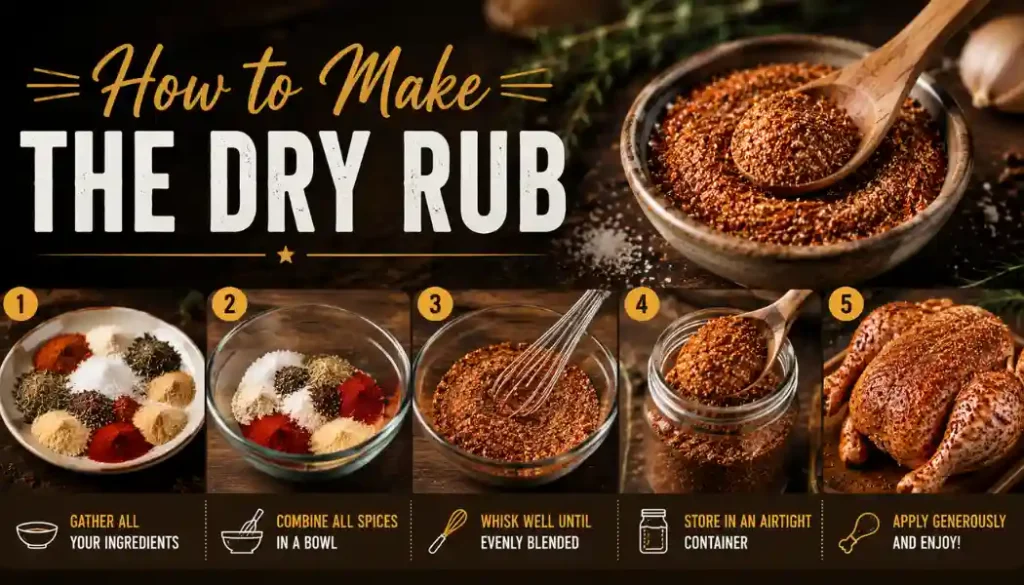
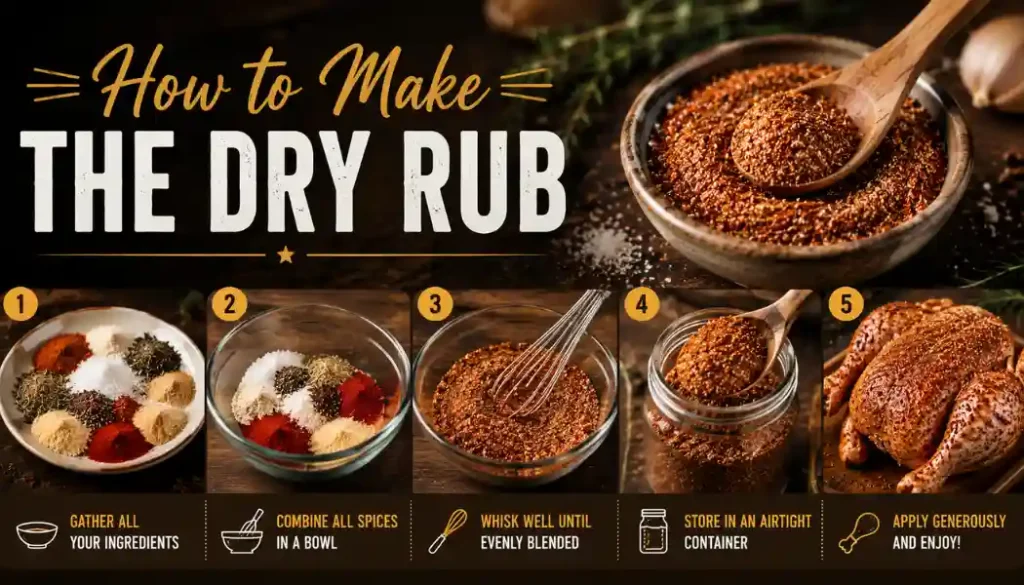
Making this dry rub for smoked turkey is quick and easy. In just a few minutes, you’ll have a flavorful homemade turkey rub that’s ready to use on a whole turkey, smoked turkey breast, or even other meats. Follow these simple steps for the best results.
Step 1: Measure the Ingredients
Gather all of your spices and measure them accurately. Add the kosher salt, brown sugar, smoked paprika, garlic powder, onion powder, black pepper, dried thyme, dried rosemary, and rubbed sage to a medium mixing bowl. If you’re using any optional ingredients like cayenne pepper, mustard powder, or cumin, measure those as well.
Step 2: Mix Everything Together
Use a whisk, fork, or spoon to stir all the ingredients until they are evenly combined. Break up any lumps in the brown sugar so the seasoning has a smooth, even texture. Mixing thoroughly ensures every spoonful of the smoked turkey seasoning has the same balanced flavor.
Step 3: Taste and Adjust (Optional)
If you enjoy a sweeter BBQ turkey rub, add a little more brown sugar. For extra heat, mix in a pinch of cayenne pepper or chili powder. If you prefer a more herb-forward flavor, increase the rosemary, thyme, or sage slightly. Adjusting the seasoning lets you create a turkey spice blend that suits your personal taste.
Step 4: Use Immediately or Store
Your homemade dry rub for smoked turkey is now ready to use. Sprinkle it generously over the turkey, making sure to season both under the skin and over the skin for the best flavor. If you’re not using it right away, transfer the seasoning to an airtight spice jar or container and store it in a cool, dry place for future use.
How to Apply the Dry Rub to a Turkey
Applying the dry rub correctly helps every bite of turkey taste flavorful and juicy. Before seasoning, pat the turkey completely dry with paper towels. A dry surface allows the spices to stick better and helps create crispy skin during smoking. Lightly coat the turkey with melted butter or olive oil, then spread the turkey rub evenly over every part of the bird.
For a whole smoked turkey, season the legs, wings, back, and cavity to build flavor throughout. If you’re making a smoked turkey breast, coat all sides generously so every slice is well seasoned. Gently loosen the skin and rub some seasoning under the skin to flavor the meat directly, then finish by coating the outside of the skin for a beautiful golden crust and delicious BBQ flavor.
Should You Brine Before Using a Dry Rub?
Brining is optional, but it can make your smoked turkey even juicier. If you have time, a simple wet brine or dry brine helps the meat stay moist during the long smoking process. After brining, pat the turkey completely dry before applying the dry rub so the seasoning sticks properly and the skin crisps up in the smoker.
If you skip the brine, this homemade turkey rub still delivers excellent flavor because it contains the right balance of salt, herbs, and spices. Many cooks use this dry rub for smoked turkey without brining and still get tender, flavorful results. Choose the method that fits your schedule, but always season the turkey well and let the rub rest for a few hours before smoking for the best flavor.
How Long Should the Dry Rub Stay on the Turkey?
For the best flavor, let the dry rub for smoked turkey rest on the turkey for at least 2 to 12 hours before smoking. This gives the homemade turkey rub time to blend with the natural juices, helping the meat absorb more flavor. If you’re short on time, even 30 to 60 minutes will improve the taste compared to seasoning just before cooking.
For even better results, season the turkey the night before and refrigerate it uncovered. This acts like a light dry brine, helping the skin dry out for a crispier finish while allowing the smoked turkey seasoning to work deeper into the meat. Before placing the turkey in the smoker, let it sit at room temperature for about 20 to 30 minutes.
Best Wood for Smoking Turkey
The type of wood you choose has a big impact on the final flavor of your smoked turkey. Mild fruit woods are the most popular because they add a gentle smoky taste without overpowering the meat. Apple wood gives the turkey a slightly sweet flavor, while cherry wood creates a beautiful golden color and a mild smoke. Pecan wood adds a rich, nutty taste that pairs well with this BBQ turkey rub.
If you enjoy a stronger smoke flavor, try mixing a small amount of hickory with apple or cherry wood. This combination creates a balanced result without making the turkey taste bitter. Whether you use a pellet smoker, charcoal smoker, or electric smoker, choosing the right wood helps your homemade smoked turkey rub shine.
Smoking Temperature and Cook Time
The best smoking temperature depends on the texture and cooking time you prefer. Smoking at 225°F creates a deeper smoky flavor but requires more time. A temperature of 250°F offers an excellent balance of smoke, moisture, and cooking speed, making it the favorite choice for many pitmasters. If you want crispier skin and a shorter cook, 275°F is another great option.
Always cook turkey by internal temperature, not by time alone. Insert a meat thermometer into the thickest part of the breast without touching the bone. The turkey is ready when it reaches 165°F (74°C). Let it rest for 20 to 30 minutes before carving so the juices stay inside the meat.
Internal Temperature Guide
| Turkey Part | Safe Internal Temperature |
| Turkey Breast | 165°F (74°C) |
| Turkey Thigh | 170–175°F (77–79°C) |
| Stuffing (if used) | 165°F (74°C) |
How Much Dry Rub Do You Need?

Using the right amount of dry rub ensures every part of the turkey is evenly seasoned without wasting spices. As a general rule, use about 1 tablespoon of dry rub per 2 pounds of turkey. Larger birds may need a little more seasoning, especially if you apply some under the skin as well as over the outside.
The table below makes it easy to measure the correct amount of your homemade turkey rub before smoking.
| Turkey Weight | Recommended Dry Rub |
| 8 lb | 4 tablespoons (¼ cup) |
| 10 lb | 5 tablespoons |
| 12 lb | 6 tablespoons |
| 15 lb | 7–8 tablespoons (½ cup) |
| 18 lb | 9 tablespoons |
| 20 lb | 10 tablespoons (⅔ cup) |
Flavor Variations
One of the best things about this smoked turkey rub is how easy it is to customize. For a Sweet BBQ version, increase the brown sugar slightly and add a little extra smoked paprika for a rich, caramelized crust. If you enjoy fresh herb flavors, make an Herb Turkey Rub by adding more rosemary, thyme, sage, and a little dried parsley.
If you like bold flavors, try a Spicy Cajun blend by mixing in extra cayenne pepper, chili powder, and a pinch of cumin. For healthier options, make a Low Sugar rub by reducing the brown sugar or a Sugar-Free version by leaving it out completely. A Keto turkey rub is just as flavorful without added sugar, allowing the herbs, garlic, onion, and smoky spices to stand out while keeping the seasoning low in carbohydrates.
Common Mistakes to Avoid
Avoid these common mistakes to get the best results with your dry rub for smoked turkey:
- Using too much salt: Too much kosher salt can overpower the turkey’s natural flavor. Measure your ingredients carefully for a balanced turkey seasoning.
- Applying the rub too late: For the best flavor, apply the homemade turkey rub at least 2–12 hours before smoking. This gives the spices time to season the meat.
- Skipping the seasoning under the skin: Rub some of the smoked turkey seasoning directly under the skin, especially over the breast, to flavor the meat instead of just the skin.
- Not patting the turkey dry: Always pat the turkey dry with paper towels before applying the rub. A dry surface helps the seasoning stick better and creates crispy skin.
- Using too much brown sugar at high heat: If your rub contains brown sugar, avoid smoking at very high temperatures. Sugar can burn and leave a bitter taste.
- Oversmoking the turkey: Too much smoke, especially from strong woods like hickory, can overpower the turkey. Choose mild woods such as apple, cherry, or pecan for a balanced smoky flavor.
- Relying only on cooking time: Always use a meat thermometer instead of guessing. Cook until the thickest part of the breast reaches 165°F (74°C).
- Not seasoning evenly: Coat the turkey evenly on all sides, including the legs, wings, and cavity, so every bite is full of flavor.
- Skipping the resting time: Let the smoked turkey rest for 20–30 minutes after cooking. This helps the juices redistribute, making the meat more tender and juicy.
- Storing the rub incorrectly: Keep your homemade dry rub in an airtight container away from heat and moisture to preserve its flavor and freshness.
Storage Tips
Proper storage helps your homemade dry rub for smoked turkey stay fresh, flavorful, and ready to use whenever you need it.
- Store in an airtight container: Transfer the turkey seasoning to a clean glass spice jar or airtight container to keep out moisture and preserve its flavor.
- Keep it in the pantry: Store the container in a cool, dry pantry away from direct sunlight, heat, and humidity. The rub will maintain its best flavor for up to 6 months.
- Refrigerate in humid climates: If your kitchen is warm or humid, store the seasoning in the refrigerator to help prevent clumping and keep the spices fresh.
- Freeze for long-term storage: For extended shelf life, place the airtight container in the freezer, where the homemade turkey rub can stay fresh for up to 1 year.
- Use a dry spoon: Always scoop the seasoning with a clean, dry spoon to prevent moisture from getting into the container.
- Label the container: Write the preparation date on the jar so you know when it was made and can use it while the spices are at their freshest.
Storage Tip: If the seasoning loses its strong aroma over time, it’s still safe to use, but the flavor may be less intense. For the best smoked turkey seasoning, make a fresh batch every few months.
Can You Make This Rub Ahead of Time?
Yes! Making this homemade smoked turkey rub ahead of time is a great way to save time during busy holidays and backyard cookouts. Simply mix the spices, transfer them to an airtight container, and label the jar with the preparation date. Having a ready-to-use turkey spice blend means you can season your turkey in just a few minutes whenever you’re ready to smoke.
Preparing the rub in advance also allows the flavors to blend together, creating an even more balanced seasoning. Whether you’re planning a Thanksgiving smoked turkey or a weekend family dinner, keeping this BBQ turkey rub on hand makes meal preparation easier and more convenient.
Ways to Use This Turkey Rub Besides Turkey
Although this recipe is made as a dry rub for smoked turkey, it works well with many other foods. Sprinkle it over chicken before grilling or smoking for juicy, flavorful meat with a delicious smoky finish. It is also excellent on Cornish hens, giving them the same rich herb and spice flavor as a full-sized turkey.
This homemade seasoning blend also pairs well with pork chops, pork loin, and smoked pork shoulder. For a lighter option, season vegetables like potatoes, carrots, zucchini, mushrooms, or corn before roasting or grilling. Using this versatile BBQ seasoning on different meats and vegetables helps you get more value from one simple spice blend while adding variety to your meals.
Expert Tips for the Best Smoked Turkey
Follow these expert tips to make sure your smoked turkey turns out juicy, flavorful, and perfectly cooked every time:
- Choose the right turkey: Fresh or fully thawed turkeys cook more evenly and absorb the dry rub better than partially frozen birds.
- Pat the turkey completely dry: Removing excess moisture helps the homemade turkey rub stick to the skin and creates a crispier finish.
- Season under the skin: Gently loosen the skin over the breast and thighs, then rub some of the smoked turkey seasoning directly onto the meat for deeper flavor.
- Let the rub rest: After applying the dry rub for smoked turkey, refrigerate the turkey for 2–12 hours or overnight. This gives the spices time to penetrate the meat.
- Use mild smoking wood: Apple, cherry, or pecan wood provide a smooth, balanced smoke that complements turkey without overpowering its natural flavor.
- Maintain a steady smoker temperature: Keep your smoker between 250°F and 275°F for even cooking, juicy meat, and beautifully browned skin.
- Cook by internal temperature: Always use a reliable meat thermometer. Remove the turkey when the thickest part of the breast reaches 165°F (74°C) and the thighs reach 170–175°F (77–79°C).
- Avoid opening the smoker too often: Every time you lift the lid, heat and smoke escape, increasing the cooking time and reducing temperature consistency.
- Baste only if needed: If you prefer basting, do it during the final hour of cooking. Frequent basting can soften the skin and slow the cooking process.
- Let the turkey rest before carving: Rest the turkey for 20–30 minutes after removing it from the smoker. This allows the juices to redistribute, resulting in tender, juicy slices.
- Slice against the grain: Cutting the breast meat against the grain makes every slice more tender and easier to eat.
- Save extra dry rub: Make a double batch of this homemade turkey rub and store it in an airtight jar. You’ll have a ready-to-use BBQ seasoning for future turkey, chicken, pork, or vegetable recipes.
FAQs
Can I use this dry rub on a turkey breast?
Yes. This smoked turkey seasoning works perfectly on both a whole turkey and a smoked turkey breast. Simply adjust the amount of seasoning based on the size of the meat.
Should I season the turkey overnight?
Yes. Seasoning the turkey overnight gives the spices more time to absorb into the meat and helps create crispier skin during smoking.
Do I have to brine the turkey first?
No. Brining is optional. This homemade turkey rub provides plenty of flavor on its own, but brining can help keep the meat even juicier.
Can I make this rub without brown sugar?
Absolutely. Leave out the brown sugar to create a sugar-free or keto turkey rub. The herbs and spices will still provide excellent flavor.
How long does homemade turkey rub last?
When stored in an airtight container in a cool, dry place, the homemade seasoning blend stays fresh for about 6 months. For longer storage, keep it in the freezer for up to 1 year.
What is the best wood for smoking turkey?
Apple, cherry, and pecan wood are excellent choices because they provide a mild, slightly sweet smoke that complements turkey without overpowering its natural flavor.
Final Thoughts
Making your own dry rub for smoked turkey is one of the easiest ways to create a flavorful, juicy meal that your family and guests will remember. With a simple blend of kosher salt, garlic powder, onion powder, smoked paprika, black pepper, and classic herbs, you can prepare a versatile homemade turkey rub that works for holidays, weekend barbecues, and everyday dinners.
Whether you’re smoking a whole turkey or a turkey breast, following the right seasoning, cooking, and resting techniques will help you achieve tender meat, crispy skin, and rich smoky flavor every time. Save this recipe, customize it with your favorite spices, and enjoy a reliable BBQ turkey rub that you’ll reach for whenever it’s time to fire up the smoker.