
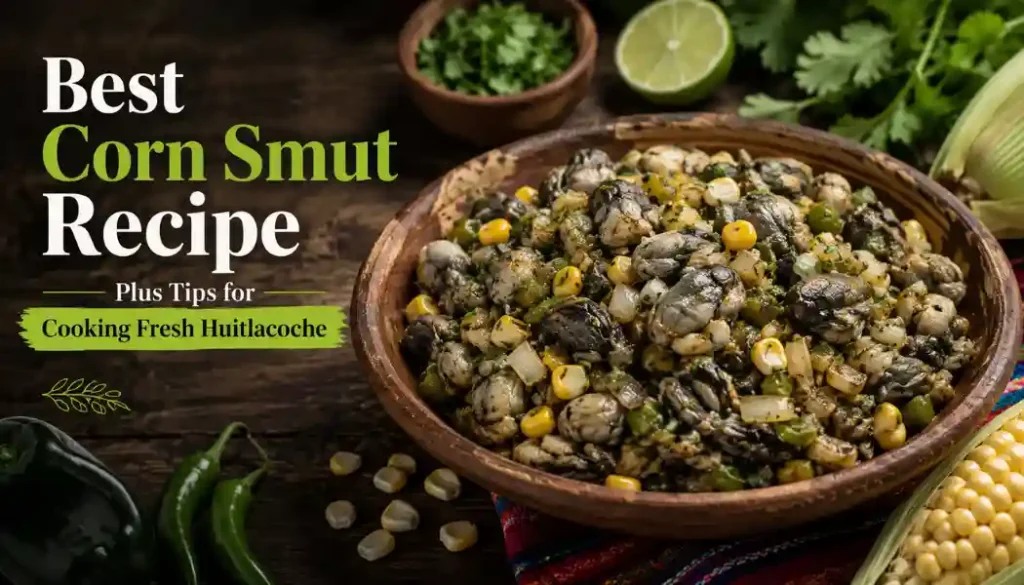
If you’re looking for a unique corn smut recipe, you may be surprised to learn that this unusual ingredient is actually a prized delicacy. Known as huitlacoche, corn smut is an edible corn fungus that grows on ears of corn and has been enjoyed in Mexican cuisine for centuries. While many gardeners see it as a crop disease, food lovers appreciate its rich, earthy flavor and use it in a variety of dishes.
Often called the Mexican truffle, huitlacoche has a deep umami-rich taste that is often compared to mushrooms. If you’ve ever wondered what is corn smut, is corn smut safe to eat, or how to cook huitlacoche, you’re in the right place. This guide covers everything from identifying and harvesting fresh huitlacoche to preparing an easy and delicious huitlacoche recipe. You’ll also discover cooking tips, flavor pairings, storage advice, and several popular ways to enjoy this fascinating ingredient.
Quick Answer
Corn smut, also known as huitlacoche, is an edible corn fungus that grows on corn kernels. While it is considered a plant disease in many places, it is highly valued in Mexican cuisine and is often called the Mexican truffle because of its rich, earthy flavor.
Yes, corn smut is safe to eat when harvested fresh and prepared properly. It has a soft texture and a deep, umami-rich taste that combines notes of mushrooms, roasted corn, and smoky flavors.
The most common way to cook fresh huitlacoche is by sautéing it with onions, garlic, and peppers. It is also used in quesadillas, tacos, soups, tamales, omelets, and grits.
A simple corn smut recipe involves cooking cleaned huitlacoche with aromatics, seasoning it with herbs and spices, and serving it as a filling or side dish. The result is a savory, flavorful ingredient that adds a unique twist to many meals.
What Is Corn Smut (Huitlacoche)?
Corn smut, known as huitlacoche in Mexico, is a naturally occurring fungus that infects corn plants. Instead of producing normal kernels, the fungus causes large gray or silver galls to form on the ears of corn. As these galls mature, they develop a dark interior filled with spores. While many farmers view it as a crop disease, chefs and food enthusiasts consider it a gourmet ingredient.
Fresh huitlacoche is prized for its earthy aroma, soft texture, and complex flavor. It has been a part of traditional Mexican cooking for generations and is commonly used in both simple home recipes and high-end restaurant dishes. Today, many people search for how to cook corn smut, what is huitlacoche, and fresh corn fungus recipes because of its growing popularity among adventurous food lovers.
Why Does Corn Smut Grow on Corn?
Corn smut develops when fungal spores infect young corn tissues. The fungus enters the plant through small wounds or natural openings and begins altering the growth of the kernels. Instead of developing normally, the infected kernels swell into large, bulb-like growths.
Warm temperatures, moisture, and plant stress can increase the chances of infection. Although farmers often try to prevent it because it reduces crop yields, the fungus is intentionally cultivated in some regions due to its culinary value. This unique relationship between agriculture and food culture is one reason huitlacoche has become such a fascinating ingredient.
The Scientific Name: Ustilago maydis
The scientific name for corn smut is Ustilago maydis. This fungus specifically targets corn and maize plants, causing the characteristic swollen galls that make it easy to identify. Scientists often study Ustilago maydis because it is one of the best-known plant fungi and provides valuable insights into plant diseases.
For cooks, however, the scientific name is less important than its flavor and versatility. Whether it is called corn fungus, corn mushroom, edible corn fungus, or huitlacoche, it remains a sought-after ingredient in many traditional and modern recipes.
Why It’s Considered a Delicacy in Mexico
In Mexico, huitlacoche has been enjoyed since the time of the Aztecs. Rather than treating it as a problem, people recognized its rich flavor and began incorporating it into everyday meals. Over time, it became an important part of Mexican culinary traditions.
Today, many chefs compare huitlacoche to gourmet mushrooms and truffles because of its deep umami flavor, earthy notes, and slightly smoky taste. It is commonly used in quesadillas, tacos, tamales, soups, and other traditional Mexican dishes. Its rarity, unique flavor profile, and cultural significance have helped earn it the nickname “Mexican truffle.” For many food lovers, trying a fresh huitlacoche recipe is a chance to experience one of Mexico’s most distinctive culinary treasures.
Is Corn Smut Safe to Eat?
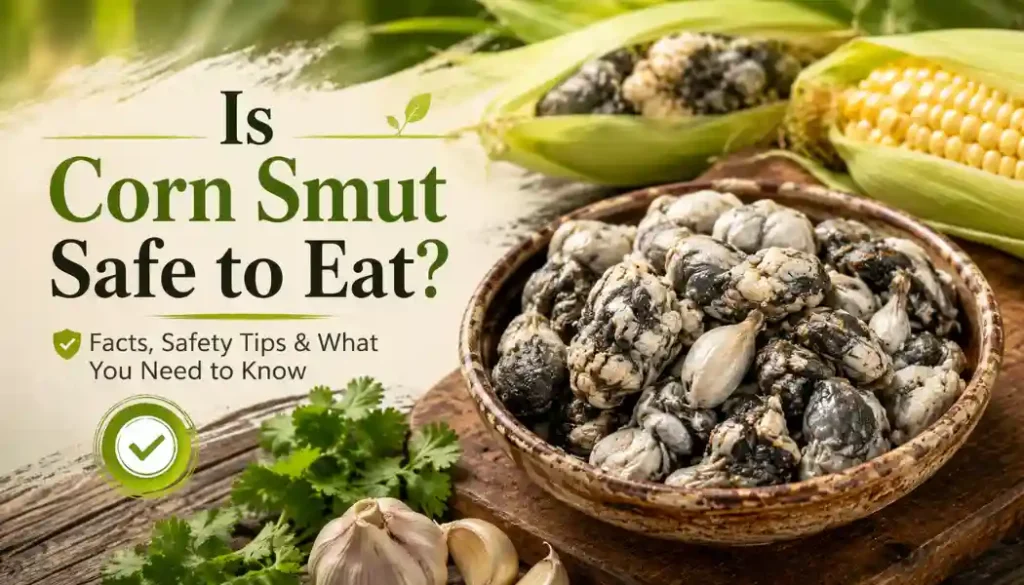
Many people are surprised to learn that corn smut is not only edible but also considered a prized ingredient in many parts of Mexico. If you’ve recently discovered this unusual fungus growing on corn, you may wonder whether it is safe to eat. The good news is that fresh huitlacoche has been used in traditional cooking for centuries and is enjoyed in a wide variety of dishes.
When harvested at the right stage and prepared properly, huitlacoche is both safe and flavorful. Understanding how to identify fresh growth and avoid spoiled specimens is important before cooking any corn smut recipe.
Is Corn Smut Poisonous?
No, corn smut is not poisonous. The fungus known as Ustilago maydis is an edible corn fungus that has a long history of culinary use. Unlike many wild fungi that can be dangerous, huitlacoche is widely recognized as safe for human consumption when it is harvested fresh.
However, like any fresh food, it can spoil over time. Always inspect it before cooking. If it has an unpleasant odor, excessive mold growth, or signs of decay, it should be discarded. Fresh corn fungus should have a mild earthy aroma and a firm yet tender texture.
Who Should Avoid Eating It?
Most healthy people can enjoy huitlacoche without any issues. However, individuals with severe fungal allergies or sensitivities may want to consult a healthcare professional before trying it for the first time.
People with weakened immune systems should also take extra care when handling and preparing any fresh fungi. As with mushrooms and other specialty ingredients, proper cleaning and thorough cooking help ensure the best experience.
How to Tell If Huitlacoche Is Fresh
Fresh huitlacoche is usually gray, silver, or bluish-gray on the outside. The swollen galls should feel slightly firm and moist but not slimy.
Look for these signs of freshness:
- Firm, plump galls
- Mild earthy smell
- No sour or rotten odor
- No excessive black powdery spores
- No visible mold or decay
Young fresh corn smut generally has the best flavor and texture for cooking. Once the galls become overly mature and begin releasing large amounts of black spores, their culinary quality starts to decline.
What Does Huitlacoche Taste Like?
One reason huitlacoche has become so popular among chefs is its unique flavor. People often expect it to taste like corn, but it offers a much more complex experience. Its rich flavor profile makes it a favorite ingredient in both traditional and modern recipes.
Flavor Profile
The flavor of huitlacoche is often described as:
- Earthy
- Smoky
- Mushroom-like
- Nutty
- Umami-rich
Many people compare it to wild mushrooms, while others detect subtle notes of roasted corn and truffles. This combination of flavors is why huitlacoche recipes have become increasingly popular among food enthusiasts looking for unique ingredients.
Texture and Appearance
Fresh huitlacoche has a soft, tender texture that becomes silky when cooked. The swollen galls may look unusual at first, but they transform into a rich and savory ingredient during cooking.
The exterior is typically gray or silver, while the inside may be darker. After sautéing, the fungus develops a smooth texture that works well in tacos, quesadillas, soups, and other dishes.
Why It’s Called the Mexican Truffle
Many chefs refer to huitlacoche as the Mexican truffle because of its deep, earthy flavor and gourmet reputation. Like truffles, it adds complexity and richness to recipes without requiring many additional ingredients.
Its rarity, cultural significance, and distinctive taste have helped it earn this nickname. While it is technically an edible fungus on corn, its culinary value places it among some of the most respected specialty ingredients in Mexican cuisine.
How to Identify Corn Smut in the Garden
If you’ve found unusual growths on your corn plants, you may be wondering whether you’ve discovered corn smut. Proper identification is important because young huitlacoche offers the best flavor and texture for cooking.
Knowing what to look for can help you safely harvest this unique ingredient at the ideal stage.
Fresh vs Mature Corn Smut
Fresh huitlacoche appears as swollen, grayish-white galls that replace normal corn kernels. These galls are soft, moist, and filled with edible tissue.
As the fungus matures, the interior begins turning dark and eventually produces black spores. While mature specimens are still recognizable, they are generally less desirable for cooking because their texture becomes drier and their flavor may become stronger.
For the best fresh huitlacoche recipe, harvest it before heavy spore production begins.
Signs It Is Ready to Harvest
Look for these signs when harvesting corn smut:
- Large swollen galls
- Gray or silver outer surface
- Soft but firm texture
- Moist interior
- Minimal black spores
This stage usually provides the best balance of flavor, texture, and freshness.
Common Misidentifications
Gardeners sometimes confuse corn smut with other corn problems, including:
- Insect damage
- Mold growth
- Kernel deformities
- Rotting ears
True huitlacoche forms distinctive bulb-like galls that are much larger than normal kernels. If you’re unsure, compare the growth to reliable identification resources before harvesting.
How to Harvest and Clean Huitlacoche

Proper harvesting and preparation can make a significant difference in the quality of your final corn fungus recipe. Freshly harvested huitlacoche delivers the best flavor, texture, and overall cooking experience.
Best Time to Harvest
The ideal time to harvest huitlacoche is when the galls are fully developed but still young and firm. At this stage, they contain the most tender flesh and the richest flavor.
Avoid waiting too long. Once the galls begin drying out and releasing large amounts of black spores, they lose some of their culinary appeal.
Cleaning Fresh Huitlacoche
Cleaning fresh huitlacoche is simple:
- Remove the galls from the corn ears.
- Trim away any damaged areas.
- Gently rinse under cool water.
- Pat dry with paper towels.
Avoid soaking the fungus for long periods because it can absorb excess moisture and become overly soft.
Preparing It for Cooking
Before cooking, chop larger pieces into bite-sized portions. This helps them cook evenly and blend well with other ingredients.
Most huitlacoche recipes start by sautéing onions, garlic, and peppers before adding the fungus. This simple preparation highlights its natural umami-rich flavor while creating a delicious base for tacos, quesadillas, soups, tamales, and other traditional dishes.
Once cleaned and prepared, your fresh corn smut is ready to become the star ingredient in a flavorful and authentic meal.
Easy Corn Smut Recipe
If you’re looking for an easy and authentic corn smut recipe, this simple sautéed huitlacoche recipe is a great place to start. It highlights the natural earthy, smoky, and umami-rich flavor of fresh huitlacoche while using a handful of everyday ingredients. The recipe works well as a filling for tacos and quesadillas or as a flavorful side dish.
Ingredients
You’ll need:
- 2 cups fresh huitlacoche, cleaned and chopped
- 1 tablespoon olive oil or butter
- ½ medium onion, finely diced
- 2 garlic cloves, minced
- 1 small poblano or bell pepper, diced
- 1 cup sweet corn kernels
- 1 tablespoon chopped cilantro
- 1 teaspoon lime juice
- Salt to taste
- Black pepper to taste
Optional additions:
- Cotija cheese
- Jalapeños
- Epazote
- Crumbled queso fresco
These ingredients complement the rich flavor of corn fungus without overpowering it.
Kitchen Tools Needed
Before you begin, gather the following tools:
- Cutting board
- Sharp knife
- Large skillet or frying pan
- Wooden spoon or spatula
- Measuring spoons
- Mixing bowl
Using simple kitchen equipment makes this fresh huitlacoche recipe easy for beginners.
Step-by-Step Instructions
Step 1 – Prepare the Huitlacoche
Start by inspecting your fresh corn smut. Remove any damaged areas and rinse it gently under cool water. Pat it dry and chop larger pieces into bite-sized chunks.
Preparing the edible corn fungus properly helps create an even texture and allows it to cook more consistently.
Step 2 – Sauté the Aromatics
Heat olive oil or butter in a large skillet over medium heat.
Add:
- Onion
- Garlic
- Pepper
Cook for 3 to 4 minutes until the vegetables become soft and fragrant. These aromatics build a flavorful base and enhance the natural taste of the huitlacoche.
Step 3 – Cook the Huitlacoche
Add the chopped huitlacoche and sweet corn to the skillet.
Cook for about 8 to 10 minutes while stirring occasionally. As it cooks, the fungus will soften and release its distinctive mushroom-like flavor. The sweet corn adds texture and balances the savory richness of the dish.
The mixture should become tender and slightly creamy without becoming mushy.
Step 4 – Season and Serve
Stir in:
- Lime juice
- Chopped cilantro
- Salt
- Black pepper
Taste and adjust the seasoning if needed.
Serve immediately as a side dish or use it as a filling for huitlacoche tacos, quesadillas, tamales, or omelets. This simple recipe showcases why many chefs consider huitlacoche one of Mexico’s most unique ingredients.
Chef Tips for the Best Flavor
A few simple techniques can help you get the most from your corn smut recipe. These tips are often overlooked but can make a noticeable difference in flavor and texture.
Avoid Overcooking
One of the biggest mistakes people make when learning how to cook huitlacoche is overcooking it.
Cooking it for too long can:
- Reduce its delicate texture
- Dull its earthy flavor
- Make it overly soft
For the best results, cook it just until tender and fully heated through.
Pairing Ingredients
The rich flavor of huitlacoche pairs well with ingredients that provide freshness, acidity, or creaminess.
Excellent pairings include:
- Sweet corn
- Cotija cheese
- Queso fresco
- Lime juice
- Cilantro
- Roasted peppers
- Garlic
- Onions
These ingredients enhance the natural umami flavor without overwhelming it.
Traditional Mexican Seasonings
Many traditional Mexican huitlacoche recipes use herbs and seasonings that bring out the ingredient’s distinctive taste.
Popular choices include:
- Epazote
- Cilantro
- Roasted chilies
- Garlic
- Lime
- Black pepper
Using these classic flavors helps create a more authentic dish while preserving the character of the Mexican truffle.
Popular Ways to Cook Huitlacoche
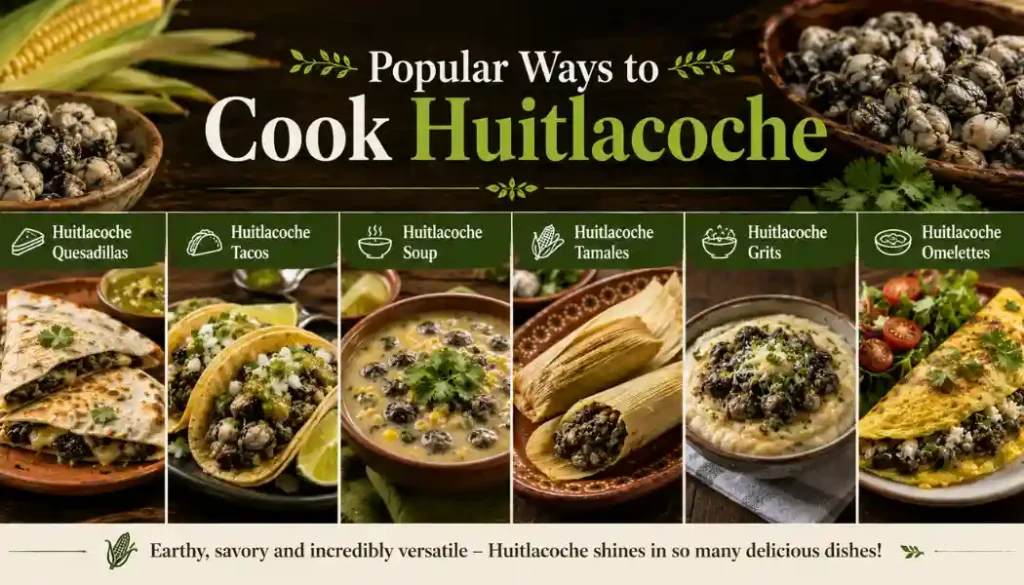
One reason huitlacoche remains popular is its versatility. It works well in many recipes and can easily replace mushrooms in certain dishes.
Huitlacoche Quesadillas
Huitlacoche quesadillas are among the most traditional preparations.
The sautéed filling is combined with cheese and folded into warm tortillas. The result is a rich, savory meal with plenty of earthy flavor and melted cheese goodness.
Huitlacoche Tacos
Huitlacoche tacos are simple, flavorful, and easy to customize.
Fill warm tortillas with cooked corn smut, then top with:
- Cilantro
- Lime
- Onion
- Salsa
This preparation allows the flavor of the edible fungus on corn to shine.
Huitlacoche Soup
Adding huitlacoche to soups creates a rich and comforting dish.
Its deep umami-rich flavor blends beautifully with:
- Corn
- Potatoes
- Cream
- Roasted vegetables
The result is a hearty soup perfect for cooler weather.
Huitlacoche Tamales
Huitlacoche tamales combine traditional masa dough with a flavorful filling made from cooked corn fungus.
The filling provides a savory contrast to the soft corn-based dough and creates an authentic Mexican dish.
Huitlacoche Grits
Inspired by Southern comfort food, huitlacoche grits pair creamy grits with sautéed fresh huitlacoche.
The combination of smooth texture and earthy flavor creates a unique and satisfying meal.
Huitlacoche Omelets
A huitlacoche omelet is a simple breakfast option.
Combine sautéed huitlacoche with eggs, cheese, and herbs for a protein-rich dish packed with flavor. The fungus adds depth that ordinary vegetables often cannot match.
What to Serve With Corn Smut
While huitlacoche is delicious on its own, pairing it with the right foods can create a more complete and balanced meal.
Side Dishes
Some of the best side dishes include:
- Mexican rice
- Refried beans
- Roasted vegetables
- Grilled corn
- Fresh salads
- Black beans
These options complement the rich flavor of corn smut without competing with it.
Toppings and Garnishes
Fresh toppings help brighten the dish and add texture.
Popular garnishes include:
- Cotija cheese
- Queso fresco
- Chopped cilantro
- Diced onions
- Lime wedges
- Avocado slices
- Pickled jalapeños
These additions bring freshness and balance to any huitlacoche recipe.
Drinks That Pair Well
Because huitlacoche has an earthy and slightly smoky flavor, it pairs well with refreshing beverages.
Good choices include:
- Fresh lime agua fresca
- Horchata
- Sparkling water with citrus
- Light Mexican beer
- Unsweetened iced tea
These drinks help cleanse the palate and complement the bold flavors of this unique edible corn fungus.
Nutrition Facts and Health Benefits
Beyond its unique flavor, huitlacoche is also valued for its nutritional profile. While most people search for a corn smut recipe because of curiosity or taste, many are surprised to learn that this edible corn fungus contains important nutrients that can support a balanced diet.
Like many edible fungi, huitlacoche offers a combination of protein, fiber, vitamins, and minerals while remaining relatively low in calories.
Protein Content
Compared to regular corn, huitlacoche contains more protein and certain essential amino acids. This makes it a useful ingredient for people looking to add more plant-based protein sources to their meals.
While it should not be considered a primary protein source, it can contribute to your daily intake when combined with foods such as beans, eggs, cheese, or whole grains. This is one reason why huitlacoche tacos, quesadillas, and omelets are both flavorful and satisfying.
Vitamins and Minerals
Fresh huitlacoche contains a variety of nutrients that may support overall health.
These include:
- Dietary fiber
- Potassium
- Magnesium
- Phosphorus
- B vitamins
- Antioxidant compounds
The exact nutritional content can vary depending on growing conditions and maturity, but it is generally considered a nutrient-rich ingredient compared to ordinary corn.
Potential Health Benefits
Research on Ustilago maydis is still ongoing, but huitlacoche may offer several potential benefits as part of a healthy diet.
Possible benefits include:
- Providing antioxidants that help fight oxidative stress
- Supporting digestive health through fiber
- Contributing beneficial amino acids
- Adding nutrient diversity to meals
- Offering a low-calorie, flavorful ingredient option
While huitlacoche nutrition should not be viewed as a cure for any condition, it can be a nutritious addition to a well-balanced eating plan.
How to Store Huitlacoche
Proper storage helps preserve the flavor and quality of fresh huitlacoche. Because it is highly perishable, it should be used as soon as possible after harvesting or purchasing.
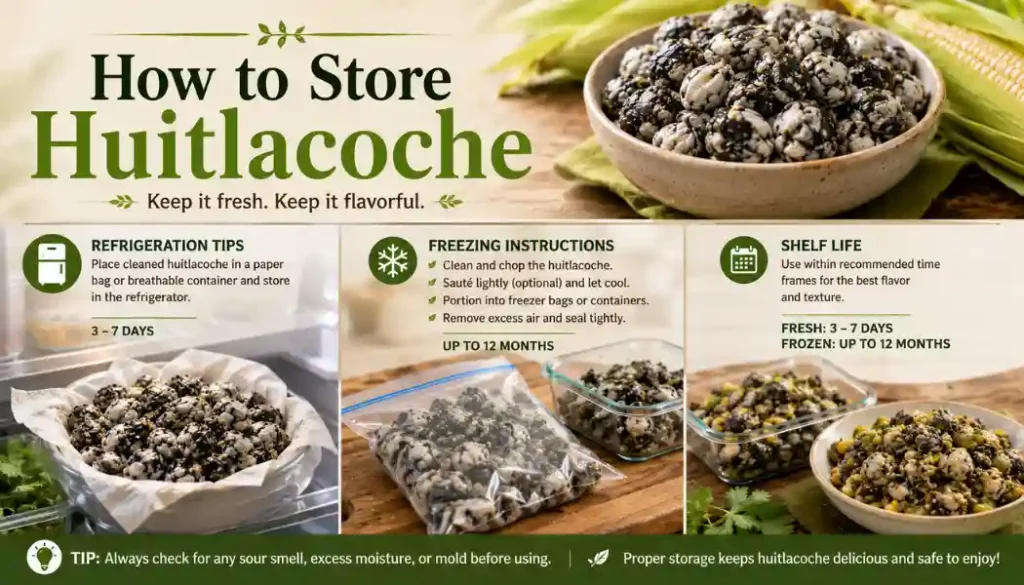
Refrigeration Tips
For short-term storage:
- Place the huitlacoche in a paper bag or loosely sealed container.
- Store it in the refrigerator.
- Keep excess moisture to a minimum.
Avoid sealing it in airtight plastic bags because trapped moisture can speed up spoilage.
Freezing Instructions
If you are not planning to cook your corn smut recipe right away, freezing is an excellent option.
To freeze:
- Clean the huitlacoche thoroughly.
- Chop it into portions.
- Place it in freezer-safe bags or containers.
- Remove excess air before sealing.
Many cooks lightly sauté the fungus before freezing to help preserve flavor and texture.
Shelf Life
Typical storage times include:
- Fresh in the refrigerator: 3 to 7 days
- Frozen: up to 12 months
Always inspect stored huitlacoche before cooking. If it develops a sour odor, slimy texture, or visible spoilage, it should be discarded.
Fresh vs Canned Huitlacoche
Many people wonder whether they should use fresh huitlacoche or buy canned versions. Both options can work well, but there are noticeable differences.
Flavor Differences
Fresh huitlacoche generally provides the best flavor.
It offers:
- Stronger earthy notes
- Richer umami flavor
- More complex taste
- Better aroma
Canned products are convenient but may have a slightly milder flavor because of processing and preservation methods.
Texture Differences
Texture is one of the biggest differences between the two.
Fresh corn smut tends to be:
- Softer
- More tender
- Slightly creamy when cooked
Canned huitlacoche can sometimes be softer or more uniform in texture due to processing.
Which One Is Better?
For the most authentic Mexican huitlacoche recipe, fresh is usually preferred.
However, canned huitlacoche can be an excellent alternative when fresh specimens are unavailable. It provides convenience, longer shelf life, and year-round access to this unique ingredient.
If your goal is the best flavor and texture, choose fresh. If convenience is more important, canned options still work well in tacos, quesadillas, soups, and other dishes.
Common Mistakes to Avoid When Cooking Corn Smut
Learning how to cook corn smut is fairly simple, but a few common mistakes can affect the final result.
Using Old Huitlacoche
Freshness matters.
Older huitlacoche may:
- Lose flavor
- Develop unpleasant aromas
- Become dry or overly spore-filled
For the best results, use freshly harvested or properly stored corn fungus.
Overwashing
While cleaning is important, excessive washing can cause the fungus to absorb too much water.
This can:
- Dilute flavor
- Affect texture
- Make sautéing less effective
A quick rinse followed by gentle drying is usually all that’s needed.
Overcooking
Overcooking is one of the most common mistakes in huitlacoche recipes.
Cooking it for too long may:
- Reduce its earthy flavor
- Make it mushy
- Diminish its natural texture
Cook only until tender and fully heated through to preserve its best qualities.
Frequently Asked Questions
Can You Eat Corn Smut Raw?
Technically, corn smut is edible, but most people prefer to cook it before eating. Cooking improves both flavor and texture while helping create the rich, savory qualities that make huitlacoche so popular.
Is Corn Smut a Mushroom?
No. Although many people compare it to mushrooms because of its flavor, corn smut is actually a fungus that grows specifically on corn plants. It belongs to the species Ustilago maydis and is different from traditional mushrooms.
Why Is Huitlacoche Expensive?
Huitlacoche can be expensive because it is seasonal, highly perishable, and not widely available in many regions. Its reputation as a gourmet ingredient and Mexican truffle also increases demand among chefs and food enthusiasts.
Can You Freeze Huitlacoche?
Yes. Fresh huitlacoche freezes very well when properly cleaned and stored in airtight freezer-safe containers. Freezing is one of the best ways to preserve it for future recipes.
What Does Corn Smut Taste Like?
The flavor of huitlacoche is often described as:
- Earthy
- Smoky
- Mushroom-like
- Nutty
- Umami-rich
Many people compare it to wild mushrooms or truffles, which explains why it is often called the Mexican truffle.
Final Thoughts
At first glance, corn smut may seem like an unusual ingredient, but it has earned its place as one of the most respected foods in Mexican cuisine. Known as huitlacoche, this remarkable edible corn fungus offers a rich umami flavor, tender texture, and countless culinary possibilities.
Whether you’re learning what is huitlacoche, exploring how to cook corn smut, or searching for an authentic huitlacoche recipe, this ingredient is worth trying at least once. From tacos and quesadillas to soups, tamales, grits, and omelets, its versatility makes it easy to incorporate into a variety of meals.
With proper harvesting, storage, and preparation, fresh huitlacoche can transform simple dishes into something truly memorable. Its unique flavor, cultural history, and growing popularity continue to make it one of the most fascinating ingredients in the world of food.