
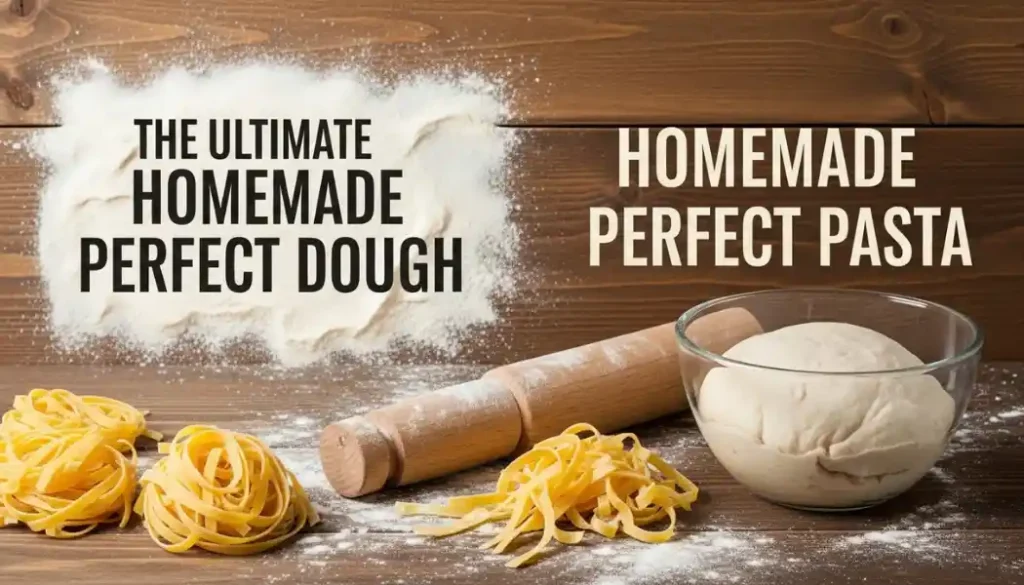
Making homemade pasta dough is one of the simplest ways to bring real Italian flavor into your kitchen. With just a few basic ingredients like flour and eggs, you can create fresh pasta that tastes far better than anything store-bought. The best part is that you don’t need fancy tools—just your hands, a clean surface, and a little patience.
This guide will show you how to make fresh pasta dough from scratch, step by step, in a way that is easy for beginners to follow. You’ll also learn how to get the perfect texture, how long to knead the dough, and why resting is so important for soft and elastic pasta.
By the end, you’ll understand the full process of easy homemade pasta dough recipe and feel confident making it anytime at home.
Pasta Dough Science (Why It Works)
Understanding the science behind homemade pasta dough helps you make better pasta every time. It’s not just mixing flour and eggs — it’s about how the ingredients react and change.
Role of Gluten Development
When you mix and knead the dough, the proteins in flour form gluten. This gives the dough strength and stretch. Good gluten development is what makes pasta chewy, smooth, and easy to roll without breaking.
Why Hydration Matters
Water (from eggs or added liquid) controls how soft or firm your dough becomes. Too little water makes the dough dry and crumbly, while too much makes it sticky. The right balance creates a soft but workable pasta dough texture.
Why Resting Improves Elasticity
Resting allows the gluten to relax. This makes the dough easier to roll and prevents it from shrinking back. That’s why every fresh pasta dough recipe includes a resting step.
How Texture Changes During Kneading
At first, the dough feels rough and uneven. As you knead, it slowly becomes smooth, soft, and elastic. This change is a key sign that your pasta dough kneading technique is working correctly.
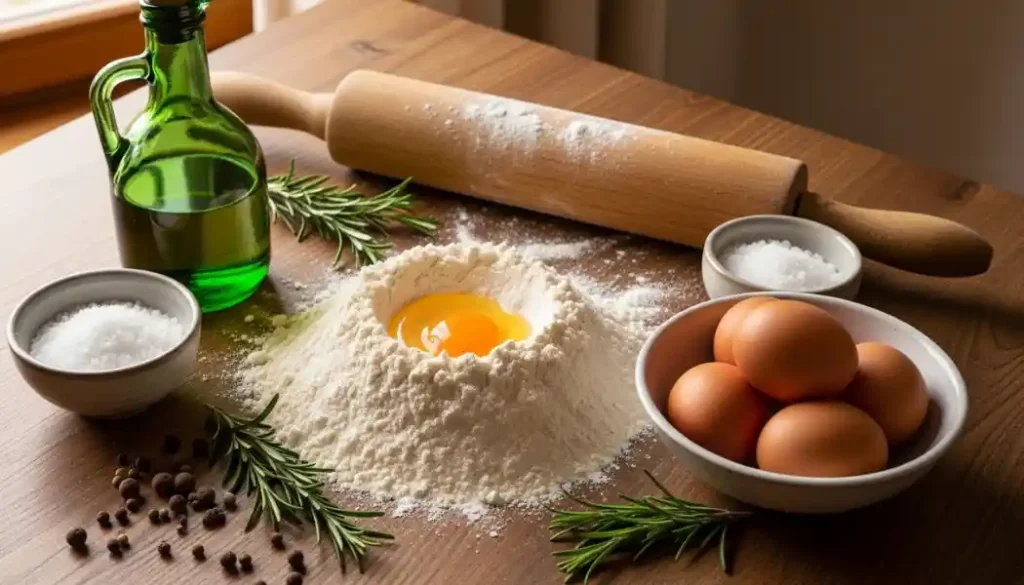
Ingredients for Homemade Pasta Dough
Making perfect homemade pasta dough starts with choosing the right ingredients. Simple ingredients can create amazing results when the balance is correct.
You might also like: How to Make the Easy Vegan Pasta Brands Recipe
Basic Traditional Ingredients
00 flour / all-purpose flour
Flour is the base of every fresh pasta dough recipe. 00 flour is the traditional Italian choice because it creates a soft, silky texture. All-purpose flour also works well for easy homemade pasta dough at home.
Eggs
Eggs add moisture, richness, and structure. They help bind the dough and create that classic smooth texture found in traditional egg pasta dough.
Salt
A small amount of salt enhances flavor and improves the overall taste of the pasta dough without affecting its structure.
Optional Ingredients
Olive oil (softness + elasticity)
A little olive oil can make the dough softer and slightly more elastic, especially useful in beginner pasta dough recipes.
Water adjustment
Sometimes a few drops of water are needed to fix dryness. This helps achieve the perfect balance for a smooth and workable homemade pasta dough texture.
Best Flour for Pasta Dough
Choosing the right flour is one of the most important steps in making perfect homemade pasta dough. Different flours change the texture, taste, and structure of your pasta.
00 flour (authentic Italian standard)
00 flour is the traditional choice for fresh pasta dough in Italy. It is very finely milled and creates a smooth, silky texture. It is ideal for soft and elegant pasta like tagliatelle and ravioli.
Semolina flour (texture + bite)
Semolina flour is slightly coarse and gives pasta a firm bite. It is often used in combination with other flours to improve structure and add a slightly chewy texture to pasta dough recipes.
All-purpose flour (home substitute)
All-purpose flour is the easiest option for beginners. It works well for easy homemade pasta dough recipe when 00 flour is not available.
Protein content comparison
Flour protein level affects gluten formation. Higher protein means stronger dough, which is helpful for shaping and rolling without tearing.
Step-by-Step Homemade Pasta Dough Recipe
Step 1 – Mixing Ingredients Properly
Start by combining flour and eggs on a clean surface or in a bowl. Slowly bring the mixture together until it forms a rough dough. This is the foundation of your homemade pasta dough recipe.
Step 2 – Kneading Technique (Hand vs Machine)
Kneading develops gluten and gives the dough strength. You can knead by hand or use a machine, but hand-kneading gives better control over texture.
How long to knead
Knead for about 8–12 minutes until the dough becomes smooth and elastic.
Texture checkpoints
The dough should feel soft, not sticky, and should spring back slightly when pressed.
Step 3 – Resting the Dough (Critical Step)
Resting is essential in every fresh homemade pasta dough process.
Why resting is essential
It allows gluten to relax, making the dough easier to roll and shape.
Ideal resting time
Let the dough rest for 30–60 minutes covered to prevent drying.
Step 4 – Rolling the Dough
Once rested, roll the dough into thin sheets.
Rolling pin vs pasta machine
A rolling pin works for beginners, while a pasta machine gives more even thickness.
Thickness guide
Roll until the dough is thin but not fragile, perfect for cutting and shaping.
Step 5 – Cutting & Shaping Pasta
Now shape your dough into your preferred pasta style.
- Fettuccine: Thin flat ribbons
- Tagliatelle: Slightly wider strips
- Lasagna sheets: Flat layered sheets
- Ravioli: Filled pasta pockets
This step brings your homemade pasta dough from scratch to life.
How to Know If Your Pasta Dough Is Perfect
Getting the right homemade pasta dough texture is what separates average pasta from perfect pasta. Here are simple ways to check your dough quality.
Smooth texture test
Your dough should feel completely smooth on the outside with no cracks. A rough surface usually means it needs more kneading or hydration.
Elasticity test
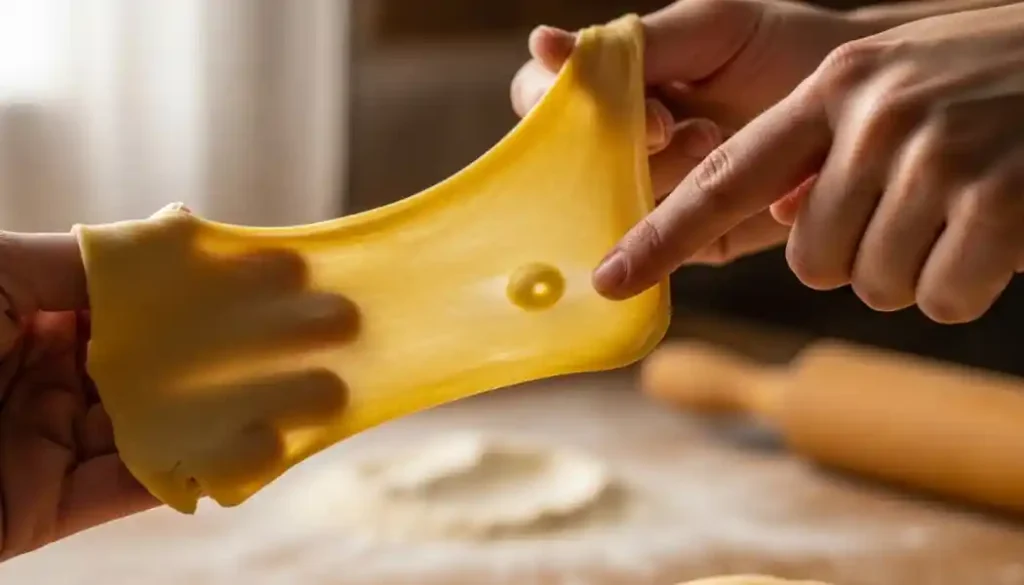
Stretch a small piece gently. If it stretches without breaking and slowly springs back, your fresh pasta dough is well developed.
Windowpane test
Take a small piece and stretch it thin. If you can see light through it without tearing, your gluten is properly developed.
Finger press test
Press your finger into the dough. It should slowly bounce back instead of staying indented or collapsing.
Common Pasta Dough Mistakes
Even a simple homemade pasta dough recipe can fail if small mistakes are made.
Dough too sticky
Usually caused by too much liquid or under-kneading.
Dough too dry
Happens when there is not enough moisture or too much flour.
Over-kneading
Can make the dough too tough and hard to roll.
Skipping resting time
Leads to tight, elastic dough that keeps shrinking back.
Wrong flour choice
Using the wrong flour can affect texture, elasticity, and final taste.
How to Fix Pasta Dough Problems
If your pasta dough recipe doesn’t turn out right, don’t worry—most issues are easy to fix.
Fix sticky dough
Add a small amount of flour gradually and knead again until smooth.
Fix dry or crumbly dough
Add a few drops of water or a little beaten egg to restore moisture.
Adjusting flour vs egg ratio
Balance is key in egg pasta dough—too much flour makes it dry, too much egg makes it sticky.
Fixing elastic failure
If the dough keeps shrinking, let it rest longer to relax the gluten.
Types of Homemade Pasta Dough
Different types of homemade pasta dough allow you to match recipes with dietary needs and texture preferences.
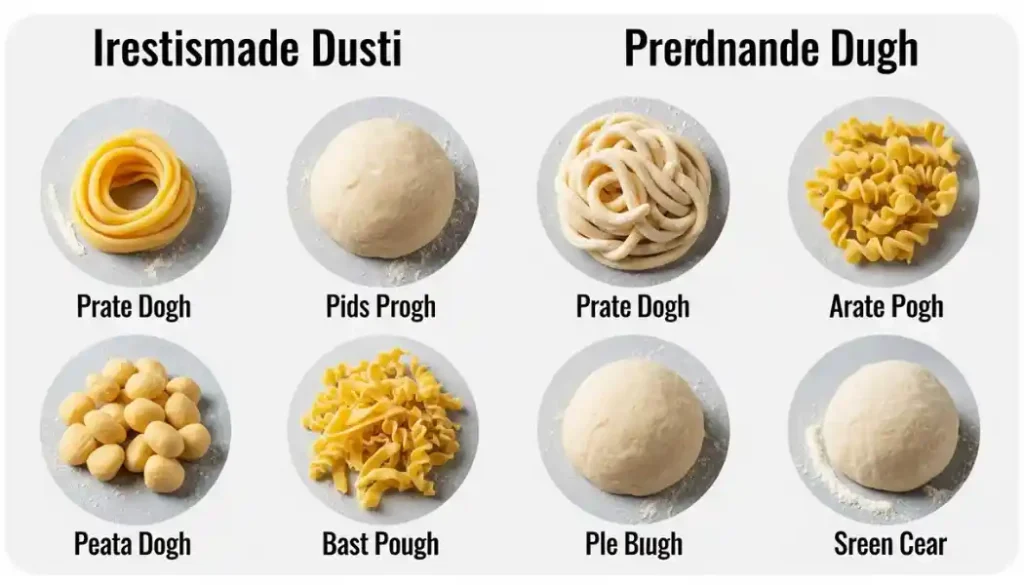
Classic Egg Pasta Dough
The traditional version used in most Italian fresh pasta dough recipes, rich and smooth in texture.
Eggless Pasta Dough
Made without eggs, using only flour and water. Lighter and often used for simple pasta dishes.
Vegan Pasta Dough
A fully plant-based version of pasta dough from scratch, replacing eggs with water or plant-based alternatives.
Whole Wheat Pasta Dough
Healthier option with a nuttier flavor and denser texture.
Gluten-Free Pasta Dough
Made with gluten-free flour blends for those with dietary restrictions, requiring careful hydration balance.
Pasta Dough for Different Shapes
Not all homemade pasta dough works the same way for every shape. The texture and thickness you choose can completely change the final result.
Best dough for ravioli
Ravioli needs a soft, elastic fresh pasta dough that is thin but strong enough to hold fillings without breaking.
Best dough for fettuccine
Fettuccine works best with a slightly firmer dough that can be rolled thin and cut into long, even strips.
Best dough for lasagna sheets
Lasagna requires a balanced dough that is strong enough to hold layers but still tender after baking.
Stuffed vs flat pasta differences
Stuffed pasta needs more elasticity to seal edges properly, while flat pasta focuses more on smooth rolling and consistent thickness.
Equipment Guide
Different tools can change how your pasta dough recipe turns out, especially for beginners.
Hand kneading method
The most traditional method. It gives full control over texture and helps you feel when the dough is ready.
Stand mixer method
A faster option that saves effort. It is useful for mixing and partial kneading before finishing by hand.
Pasta machine usage
Helps create even sheets of dough, especially useful for fresh homemade pasta dough like ravioli and lasagna.
Rolling pin technique
A simple method for beginners. It requires patience but works well for easy homemade pasta dough at home.
How to Cook Fresh Pasta Properly
Cooking homemade pasta dough correctly is just as important as making it.
Boiling time differences
Fresh pasta cooks much faster than dried pasta, usually in just a few minutes.
Salted water importance
Salted water enhances flavor and brings out the natural taste of fresh pasta dough.
Avoiding overcooking
Fresh pasta becomes soft quickly, so it should be removed as soon as it floats and turns tender.
Storage, Freezing & Drying Tips
Proper storage helps you enjoy homemade pasta dough from scratch anytime.
How to store fresh dough
Wrap the dough tightly in plastic wrap and refrigerate to prevent drying.
Freezing raw dough
You can freeze dough before rolling. Just thaw it in the fridge before use.
Freezing shaped pasta
Cut pasta can be frozen in portions for quick cooking later.
Air drying vs freezing comparison
Air drying is best for longer storage, while freezing preserves freshness and texture better for fresh pasta dough recipes.
Chef-Level Tips for Perfect Pasta Dough
These expert tips can take your homemade pasta dough from good to restaurant-quality. Small details make a big difference in texture and taste.
Resting overnight benefits
Letting your fresh pasta dough rest overnight improves gluten relaxation, making it easier to roll and giving a smoother texture.
Double kneading technique
Some chefs knead once, rest the dough, then knead again lightly. This improves elasticity and creates a stronger structure.
Egg temperature impact
Room-temperature eggs mix more evenly into the flour, helping create a balanced and consistent pasta dough recipe.
Professional Italian kitchen secrets
Italian chefs focus on balance, not force. They adjust hydration slowly and always let the dough guide the process instead of rushing it.
Homemade Pasta vs Store-Bought
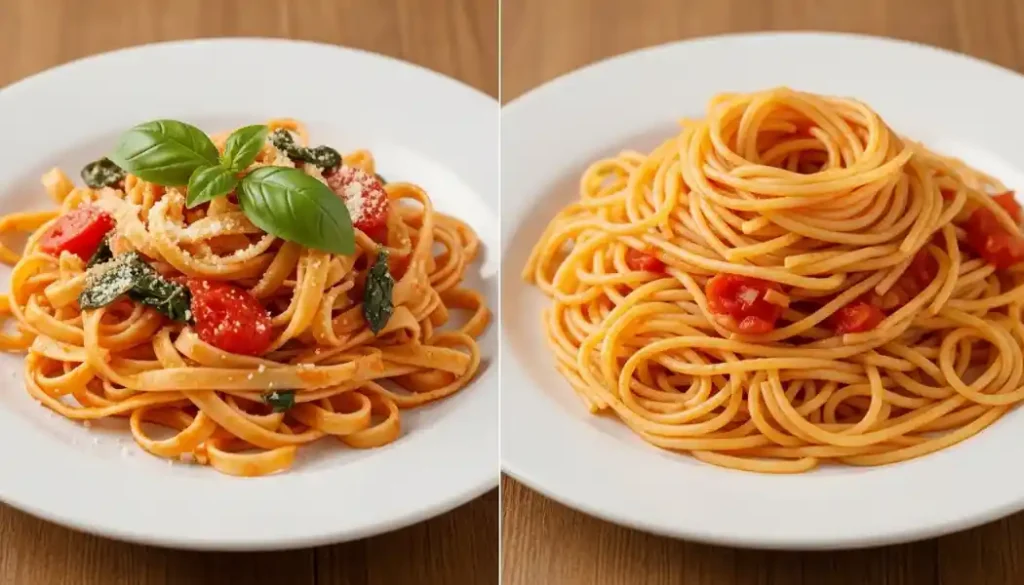
Understanding the difference helps you appreciate why homemade pasta dough from scratch is worth the effort.
Nutrition comparison
Homemade pasta has fewer preservatives and allows control over ingredients, making it a cleaner option.
Texture differences
Fresh pasta is softer, more tender, and has a richer bite compared to dry store-bought pasta.
Cost comparison
Homemade pasta is often cheaper per serving, especially when made in batches.
Flavor difference
Fresh homemade pasta dough recipe delivers a richer, egg-forward flavor that store-bought pasta cannot match.
Frequently Asked Questions
Why is my pasta dough sticky?
It usually means there is too much liquid or not enough kneading. Add a little flour gradually.
Why is my dough too dry?
This happens when there is too much flour or not enough moisture from eggs or water.
How long should pasta dough rest?
Typically 30–60 minutes, but longer resting improves elasticity.
Can I freeze homemade pasta dough?
Yes, both raw dough and shaped pasta can be frozen for later use.
Do I need eggs for pasta dough?
No, eggless versions exist, but eggs give richer texture and better structure in traditional recipes.
Why does pasta dough shrink back when rolling?
This happens when gluten is too tight. Let the dough rest longer before rolling.
Final Tips for Perfect Homemade Pasta Every Time
Mastering homemade pasta dough comes down to a few key principles. Always focus on balance between flour and moisture, and never rush the process.
Summary of key success factors
Good flour choice, proper kneading, correct hydration, and enough resting time are essential for success.
Beginner mistakes to avoid
Avoid over-flouring, skipping rest time, and rushing the kneading process.
Pro-level improvement tips
For better results, practice consistency, adjust texture slowly, and observe how your fresh pasta dough changes as you work with it. With practice, your pasta dough recipe will become smoother, more elastic, and closer to authentic Italian quality every time.