
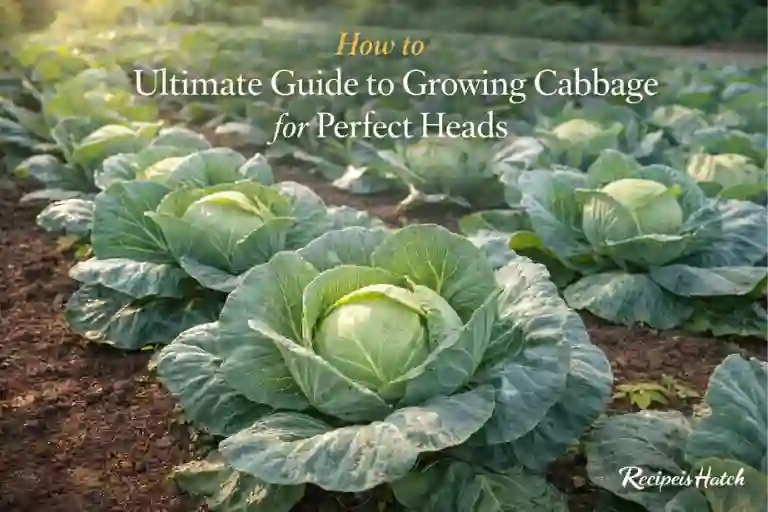
Cabbage is often seen as a difficult vegetable, but the truth is much simpler. With the right timing, soil, and care, this cool-season vegetable can thrive in home gardens, raised beds, and even containers. Many gardeners struggle not because cabbage is hard to grow, but because they miss a few basic fundamentals early on.
This guide is designed to walk you through how to growing cabbage successfully, from planting and care to harvesting firm, healthy heads. You’ll learn what cabbage plants need at each growth stage, how to avoid common mistakes like bolting or loose heads, and how to handle pests naturally. Whether you’re planting in spring or planning a fall crop, these practical tips will help you build confidence and improve your results. With a little planning and consistent care, cabbage can become one of the most reliable crops in your garden.
Understanding Cabbage as a Crop
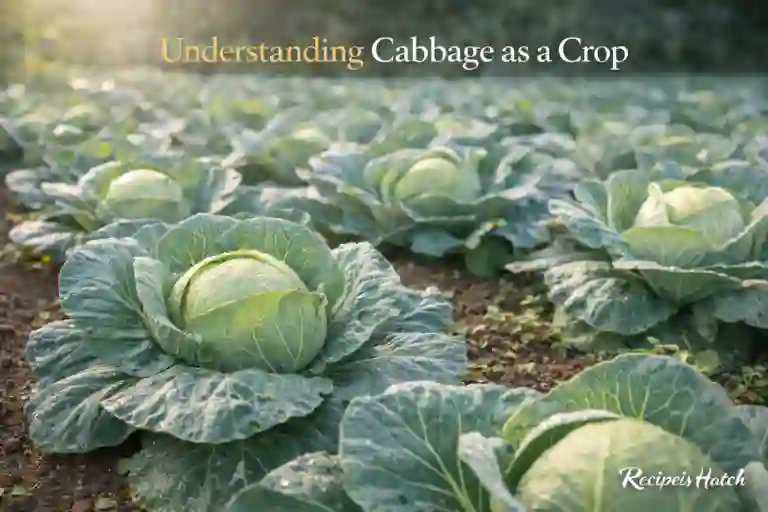
Cabbage belongs to the family of cool-season vegetables, which means it grows best when temperatures are mild rather than hot. Unlike summer crops, cabbage prefers steady, cool weather that allows the plant to focus on leaf and head development instead of rushing to flower. When conditions are right, the plant forms tight, firm heads with better texture and flavor.
You might also Like: Growing Broccoli Secrets Every Home Gardener Must Know
Temperature & Climate Needs
Cabbage performs best in cool to moderate temperatures. Extremely hot weather can stress the plant and cause bolting, where it grows a flower stalk instead of a head. This is why spring and fall planting works so well in most regions. Cooler nights help improve overall growth and head quality.
Sunlight Requirements
For strong growth, cabbage plants need full sun, meaning at least 6 hours of direct sunlight daily. In warmer climates, partial shade during the hottest part of the day can help reduce stress and prevent leaf damage. Proper light ensures healthy leaves and steady head formation.
Cabbage Lifecycle & Growth Stages
Understanding the cabbage lifecycle helps you know what the plant needs at each stage and when to step in with water, nutrients, or protection. From seed to harvest, cabbage follows a clear growth pattern.
Germination Stage
Cabbage seeds usually sprout within 5–10 days under cool, moist conditions. During this stage, keep the soil evenly damp but not waterlogged. Consistent moisture helps young seedlings establish strong roots.
Leaf Development
Once seedlings are established, the plant focuses on leaf growth. Healthy leaves are wide, firm, and deep green. This stage is critical because strong outer leaves later support proper head formation. Adequate sunlight and steady watering are essential here.
Head Formation
As the plant matures, the inner leaves begin to curl inward, forming the cabbage head. Cool temperatures and balanced nutrients help create tight, compact heads.
Maturity Signs
Cabbage is ready to harvest when the head feels firm and solid when gently squeezed. Loose or soft heads usually mean the plant needs more time.
Choosing the Right Cabbage Variety for Your Goals
Selecting the right cabbage variety is key to a successful harvest. Different types perform best in different seasons, climates, and garden setups, so choosing wisely can save time and improve yield.
Spring, Summer, Fall & Winter Types
- Spring cabbage grows quickly and is ready to harvest before the heat of summer.
- Summer cabbage tolerates warmer temperatures but may require extra watering.
- Fall and winter cabbage varieties are slow-growing and ideal for cooler months, often producing firmer heads that store well.
Green, Red & Savoy Cabbage
- Green cabbage is the most common and versatile, great for fresh eating or cooking.
- Red cabbage adds color to salads and retains nutrients well.
- Savoy cabbage has crinkled leaves, tender texture, and is excellent for steaming or stir-fry dishes.
Selecting Varieties Based on Space, Storage & Yield
- For limited garden space, choose compact or container-friendly varieties.
- If you want long storage, pick firm-headed types like Danish Ball or Storage Red.
- For maximum yield, select varieties known for consistent growth and tight heads.
Best Time to Plant Cabbage (By Season & Climate)
Timing is crucial when it comes to successful cabbage growth. Planting at the right season ensures strong heads, reduces stress, and minimizes problems like bolting.
Spring vs Fall Planting
- Spring planting is ideal for cool, early-season growth. Seedlings are usually started indoors 6–8 weeks before the last frost and then transplanted outdoors.
- Fall planting works well in areas with mild autumns. These plants develop slowly in cooler temperatures, producing firm heads and often storing longer.
Climate Zones Explained Simply
Different regions have different frost dates and temperature ranges. In cooler climates, spring planting is safest, while warmer regions may favor fall or even winter crops. Knowing your local frost dates and average temperatures helps prevent heat stress or slow growth.
How Temperature Mistakes Cause Bolting
Cabbage is sensitive to temperature fluctuations. If plants experience unexpected heat, they may bolt, sending up a flower stalk instead of forming a tight head. Maintaining consistent cool conditions during early growth is essential to avoid this common mistake.
Seeds vs Transplants: What Works Best & Why
Choosing whether to start cabbage from seeds or transplants can make a big difference in your harvest. Both methods work well, but understanding the timing and care for each helps you grow healthy, firm heads.
When to Start from Seed
Starting seeds indoors is ideal if you want an early spring crop or need to extend your growing season. Sow seeds in a light, well-draining seed mix about 6–8 weeks before the last frost. Keep them warm and moist until seedlings develop two to three true leaves, then harden them off before planting outdoors.
When Transplants Are Better
Using young transplants saves time and is perfect if you missed the early sowing window. Transplants are already established, which allows for quicker growth and reduces the risk of poor germination in cool soil.
Preventing Transplant Shock
To avoid stress, acclimate seedlings gradually to outdoor conditions for 5–7 days, exposing them to sun, wind, and cooler temperatures a little each day. Water carefully, and avoid disturbing the roots during planting to ensure smooth establishment.
Soil Preparation & Nutrient Foundations
Healthy cabbage starts with healthy soil. Preparing the ground properly ensures strong growth, firm heads, and reduces common problems like loose or split heads.
Ideal Soil Type & pH Range
Cabbage prefers well-draining, fertile soil that retains moisture without becoming waterlogged. The ideal soil pH is slightly acidic to neutral, between 6.0 and 7.0. Testing your soil and adjusting with lime or sulfur can help achieve the perfect balance for nutrient uptake.
Compost & Organic Matter
Incorporating compost or well-rotted organic matter improves soil structure, increases fertility, and encourages beneficial microorganisms. These nutrients support steady leaf and head formation, reducing stress on the plant.
Why Poor Soil Causes Loose or Split Heads
Cabbage heads rely on consistent nutrients and moisture. Nutrient-deficient or uneven soil can result in heads that are soft, loose, or prone to splitting. Heavy, clay-like soil can also restrict root growth, while sandy soil may dry too quickly. Proper preparation ensures the plant has the foundation to produce firm, tightly packed heads.
Proper Planting & Spacing Techniques
Giving cabbage enough space is essential for healthy growth. Proper spacing allows roots to develop, leaves to expand, and heads to form tightly while reducing the risk of disease.
In-Ground Spacing
For traditional garden beds, plant cabbage 12–18 inches apart, with rows about 24–30 inches apart. This gives each plant enough room to grow without crowding, ensuring sunlight reaches all leaves and reducing competition for nutrients.
Raised Bed Spacing
Raised beds improve drainage and soil warmth. Maintain the same 12–18 inch spacing, but consider slightly narrower rows if your bed has limited width. Raised beds also make watering and harvesting easier.
Container Spacing
If growing in pots or containers, choose large containers (at least 12 inches deep and wide). Plant only one cabbage per container to avoid overcrowding, ensuring roots have space to grow and water drains properly.
Airflow Importance for Disease Prevention
Good airflow around cabbage reduces fungal diseases, such as powdery mildew and clubroot. Avoid tightly packed plants and prune damaged outer leaves if needed. Proper spacing not only supports healthy heads but also minimizes pest infestations and keeps leaves dry.
Watering & Fertilizing the Right Way
Proper watering and nutrition are essential for producing healthy cabbage heads. Both too little and too much water or nutrients can stress the plant and affect growth.
Deep Watering Strategy
Cabbage prefers deep, consistent watering rather than frequent shallow watering. Aim for about 1–1.5 inches of water per week, keeping the soil evenly moist. Deep watering encourages strong root development and helps the plant withstand warmer or drier periods.
Nitrogen & Nutrient Timing
Cabbage requires balanced nutrients, especially nitrogen, for leaf and head development. Apply fertilizer at key growth stages: when seedlings establish, during leaf growth, and as heads start forming. Over-application can harm plants, while under-application can result in small, loose heads.
Signs of Over-Watering vs Under-Watering
- Over-watering: Yellowing leaves, soft stems, waterlogged soil
- Under-watering: Wilting, slow growth, dry, cracked leaves
Leaf Curl & Color as Nutrient Signals
Monitor your cabbage leaves for signs of deficiencies:
- Yellow leaves → Nitrogen deficiency
- Purple-tinged leaves → Phosphorus deficiency
- Curling or distorted leaves → Inconsistent watering or micronutrient issues
By adjusting water and fertilizer according to these signals, you can maintain steady growth and firm heads throughout the season.
Mulching, Temperature Control & Stress Prevention
Cabbage thrives when environmental stress is minimized. Using simple techniques like mulching and temperature management can make a big difference in plant health and head quality.
Benefits of Mulching
Applying a layer of organic mulch such as straw, grass clippings, or compost around cabbage plants helps:
- Retain soil moisture
- Regulate soil temperature
- Suppress weeds
- Prevent soil-borne diseases from splashing onto leaves
Mulching ensures that roots stay cool and consistently moist, which promotes firm, healthy heads.
Heat Stress Management
Cabbage is sensitive to high temperatures. During hot spells, provide partial shade with row covers or shade cloth. Heat stress can cause bolting or loose heads, so maintaining moderate temperatures is essential for quality growth.
Frost Protection Methods
Although cabbage tolerates some cold, frost can damage young seedlings. Use cloches, row covers, or garden fabric to protect plants during unexpected frosts. Raised beds also help prevent frost from settling directly on the soil.
By combining mulching with proper heat and frost management, your cabbage plants stay healthy, stress-free, and ready to produce firm, tightly packed heads.
Pest Management: Prevention First, Treatment Second
Protecting your cabbage from pests is essential for healthy, firm heads. By focusing on prevention first and using gentle treatments, you can avoid damage without relying on harsh chemicals.
Cabbage Worms, Aphids, Flea Beetles
- Cabbage worms chew holes in leaves and can ruin heads if left unchecked.
- Aphids cluster on young leaves, sucking sap and stunting growth.
- Flea beetles leave tiny holes and can weaken seedlings.
Regularly inspect plants for these common pests to catch problems early.
Organic Control Methods
- Hand-picking worms and beetles is effective for small gardens.
- Use insecticidal soap or neem oil to control aphids and other soft-bodied pests.
- Companion planting, like onions or herbs nearby, can deter some pests naturally.
Garden Netting & Crop Rotation
- Row covers or garden netting act as a physical barrier to prevent pest access.
- Crop rotation prevents soil-borne pests from building up year after year. Avoid planting cabbage or other brassicas in the same spot consecutively.
With consistent monitoring, proper barriers, and organic solutions, your cabbage can grow strong, healthy, and pest-free.
Diseases, Disorders & Leaf Problems (Diagnose Early)
Early detection of diseases and disorders is key to maintaining healthy cabbage. Understanding the difference between nutrient deficiencies and true plant diseases allows you to act quickly and protect your harvest.
Yellow Leaves
Yellowing often indicates nitrogen deficiency or water stress. However, some fungal infections, like Fusarium wilt, can also cause yellowing. Check if the yellowing is uniform (nutrient issue) or patchy (disease).
Bolting
Bolting happens when cabbage flowers prematurely, often due to prolonged heat or inconsistent temperatures. Once bolting occurs, the head becomes loose and less flavorful. Maintaining consistent cool conditions prevents this problem.
Clubroot & Fungal Diseases
- Clubroot: Soil-borne disease causing swollen roots, stunted growth, and wilting.
- Fungal diseases: Powdery mildew and black rot damage leaves, reduce photosynthesis, and weaken heads.
Nutrient Deficiency vs Disease Symptoms
- Deficiency: Leaves show consistent discoloration or curling without spots or lesions.
- Disease: Look for patchy spots, lesions, mold, or unusual growth patterns.
By regularly inspecting leaves and roots, you can distinguish nutrient issues from diseases, allowing timely interventions to keep cabbage healthy and productive.
Monitoring Growth & Fixing Problems Early
Keeping a close eye on your cabbage plants throughout the season is essential for a healthy, productive harvest. Early detection of stress allows you to correct problems before they affect head formation.
Growth Slowdown Causes
Slow growth can be caused by:
- Nutrient deficiencies, especially nitrogen or potassium
- Inconsistent watering (too much or too little)
- Poor soil drainage or compacted soil
- Pest or disease pressure affecting leaves or roots
Visual Stress Indicators
Check your plants regularly for signs like:
- Discolored leaves (yellowing, purpling)
- Curling or distorted leaves
- Wilting or stunted growth
- Holes in leaves or chewed edges
When to Intervene vs Wait
- Intervene immediately if leaves show pests, disease symptoms, or severe nutrient deficiencies.
- Wait and observe if slight changes appear due to temporary environmental stress, such as brief heat, as plants may recover naturally.
Regular monitoring helps you maintain firm, healthy heads, ensuring cabbage grows optimally from seedling to harvest.
Harvest Timing for Best Quality & Flavor
Knowing when to harvest cabbage is essential for getting firm, flavorful heads. Harvest too early, and the head may be small and loose; wait too long, and it can split or become bitter.
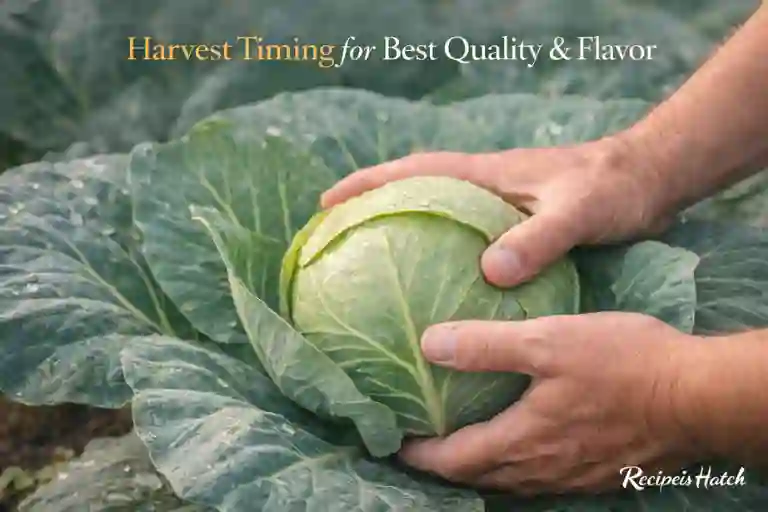
Head Firmness Test
Gently squeeze the cabbage head. A firm, dense head indicates it is ready for harvest. Loose or soft heads may need more time, while extremely hard heads may have been left too long.
Ideal Harvest Window
Most cabbage varieties are ready 70–120 days after planting, depending on type and climate. Check your specific variety for its approximate maturity period. Early morning harvesting is ideal because the leaves are crisp and hydrated.
How Harvest Timing Affects Taste & Texture
- Early harvest: Mild flavor, tender texture, smaller heads
- On-time harvest: Balanced flavor, firm texture, ideal for cooking or raw salads
- Late harvest: Risk of splitting, tougher leaves, slightly bitter taste
Harvesting at the right time ensures your cabbage has the best texture, flavor, and storage potential.
Post-Harvest Handling & Storage
Proper handling after harvest is just as important as growing healthy cabbage. The right techniques preserve flavor, texture, and nutritional value, while avoiding common mistakes that can ruin your crop.
Short-Term Refrigeration
For immediate use, store cabbage in a plastic bag in the refrigerator crisper. It can last 1–2 weeks when kept cold and dry. Remove any damaged outer leaves before storage to prevent decay.
Long-Term Storage
For longer-term storage, firm-headed varieties like Storage Red or Danish Ball perform best. Keep them in a cool, humid place such as a root cellar or garage at 32–40°F (0–4°C). Avoid freezing temperatures, which can damage leaves.
Common Storage Mistakes That Ruin Cabbage
- Storing wet cabbage, which encourages mold or rot
- Keeping heads in airtight containers without airflow
- Mixing damaged or soft heads with healthy ones, spreading decay
By following these practices, your cabbage will stay fresh, firm, and flavorful for days or even months after harvest.
Growing Cabbage Organically vs Conventionally
Choosing between organic and conventional cabbage growing affects soil health, pest management, and overall yield. Understanding the differences helps you pick the method that fits your goals and gardening style.
Fertilizer Differences
- Organic: Uses compost, manure, or natural amendments to supply nutrients slowly. Encourages soil life and long-term fertility but may require more careful planning for timing and nutrient balance.
- Conventional: Uses synthetic fertilizers that provide nutrients quickly and precisely. Can lead to faster growth and larger heads but may affect soil health over time.
Pest Control Approaches
- Organic: Relies on beneficial insects, hand-picking pests, neem oil, and row covers. Focuses on prevention and ecosystem balance.
- Conventional: May use approved chemical insecticides or fungicides for quicker results, but careful application is needed to avoid resistance or residue.
Yield Expectations & Trade-Offs
- Organic cabbage may have slightly smaller heads but higher nutrient density and longer-term soil benefits.
- Conventional cabbage often produces larger, uniform heads but may require more inputs and monitoring.
By choosing the right method, you can balance yield, flavor, and sustainability for your cabbage crop.
Common Growing Mistakes (Most Gardeners Make These)
Even experienced gardeners can run into issues with cabbage if they overlook a few key principles. Avoiding these common mistakes ensures your plants stay healthy and produce firm, flavorful heads.
Overcrowding
Planting cabbage too close together reduces airflow, increases pest and disease pressure, and can result in small, loose heads. Maintain proper spacing according to the variety you’re growing to allow leaves to expand and heads to form properly.
Late Planting
Cabbage is a cool-season crop. Planting too late in spring or too early in fall can expose seedlings to heat stress or frost, leading to bolting, slow growth, or weak heads. Always check your local frost dates and plan accordingly.
Inconsistent Watering
Cabbage needs steady, even moisture. Overwatering can lead to root rot and soft heads, while underwatering causes wilting and poor head formation. Deep, consistent watering helps roots develop and supports steady growth.
Skipping Crop Rotation
Planting cabbage or other brassicas in the same spot year after year increases the risk of soil-borne diseases and pests, like clubroot. Rotate crops and avoid planting brassicas in the same area consecutively to maintain healthy soil and reduce infestations.
By addressing these common mistakes, gardeners can achieve strong, productive cabbage crops season after season.
Succession Planting & Year-Round Harvest Strategy
To enjoy fresh cabbage throughout the season, succession planting is key. By staggering planting times and planning carefully, you can ensure a continuous harvest rather than one large, short-lived crop.
Staggered Planting Explained
Instead of planting all seeds or transplants at once, divide them into batches spaced 2–3 weeks apart. This approach ensures that as one batch reaches maturity, the next is ready to take its place, keeping your garden productive over several months.
Planning Continuous Harvests
Use a simple schedule based on your climate zone and cabbage variety. Early-season varieties can be followed by mid-season types, then late-season or overwintering cabbages. This strategy balances growth periods and reduces the risk of losing an entire crop to pests, disease, or weather fluctuations.
Simple Calendar-Based Planting Approach
Create a visual planting calendar to track seed starting, transplanting, and harvest windows. Mark each batch with expected maturity dates to ensure steady harvests. This method prevents overcrowding and helps plan nutrient and watering schedules efficiently.
By implementing succession planting and a calendar-based approach, you can enjoy healthy cabbage from early spring through late fall.
Quick Troubleshooting Guide
Even with careful care, cabbage can sometimes develop issues. This easy-to-follow guide helps you identify and fix common problems before they affect your harvest.
Heads Not Forming
- Cause: Overcrowding, insufficient nutrients, or extreme heat
- Solution: Thin plants to proper spacing, provide balanced fertilizer, and ensure consistent moisture
Loose Leaves
- Cause: Nitrogen imbalance, inconsistent watering, or late planting
- Solution: Adjust fertilization, maintain even watering, and plant at the right season
Bitter Flavor
- Cause: Stress from high temperatures, inconsistent watering, or prolonged storage
- Solution: Harvest at the recommended time, water consistently, and store in cool, humid conditions
Splitting Heads
- Cause: Rapid growth from heavy rainfall or over-fertilization
- Solution: Monitor watering and nutrient application, harvest heads promptly when firm
This guide is highly shareable and easy to reference, helping gardeners quickly solve issues and enjoy healthy, firm, and flavorful cabbage.
FAQs About Growing Cabbage
Answering common questions helps gardeners and boosts your chances of featured snippets on Google.
How Long Does Cabbage Take to Grow?
Most cabbage varieties take 70–120 days from planting to harvest, depending on the type, climate, and growing conditions. Early-season varieties mature faster, while overwintering types take longer.
Can Cabbage Regrow After Harvest?
Some cabbage varieties can produce smaller secondary heads if the outer leaves are harvested carefully, but most heads will not regrow fully once cut. For continuous harvest, use succession planting instead.
Can Cabbage Survive Frost?
Cabbage is a cool-season crop and tolerates light frost. However, young seedlings may need protection with row covers or cloches, while mature heads generally withstand moderate cold without damage.
How Many Heads Per Plant?
Typically, each cabbage plant produces one main head. Some varieties may develop secondary, smaller heads from side shoots, but spacing and care largely determine success.
Final Thoughts
Growing cabbage may seem challenging at first, but with the right planning, care, and attention to detail, it can be one of the most rewarding crops in your garden. From selecting the right variety and timing your planting, to managing pests, watering consistently, and harvesting at peak firmness, every step matters.
Remember, healthy soil, proper spacing, and regular monitoring are the keys to firm, flavorful heads. Using succession planting and thoughtful storage practices can extend your harvest and reduce waste. Whether you choose organic methods or conventional approaches, the principles remain the same: observe, adjust, and care for your plants consistently. By following these tips, you can confidently enjoy fresh, homegrown cabbage from spring through fall—and maybe even year-round. Happy gardening!