
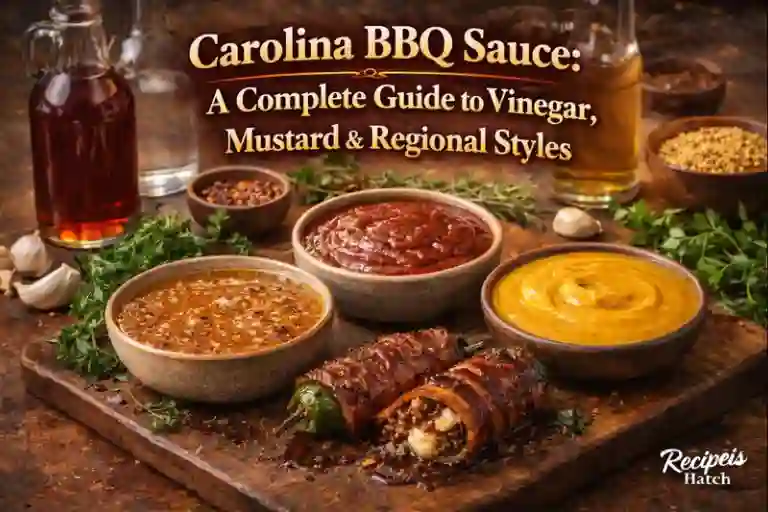
Carolina BBQ sauce is one of the most unique and misunderstood sauces in American barbecue. Unlike thick, sweet sauces from other regions, this style is known for its bold vinegar base, balanced heat, and deep regional roots. If you have ever searched for a true Carolina BBQ sauce recipe, you may have noticed there is more than one version. From the tangy Eastern North Carolina vinegar BBQ sauce to the golden South Carolina mustard BBQ sauce, each region has its own identity and flavor story.
This guide will walk you through everything — the history, the differences between North vs South Carolina BBQ sauce, and how to make an authentic homemade version step by step. Whether you want the best Carolina BBQ sauce for pulled pork or a spicy Carolina gold sauce, you are in the right place.
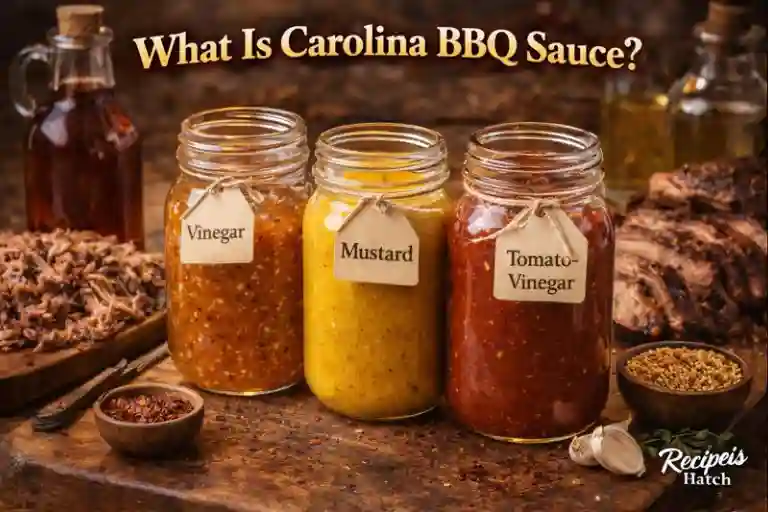
What Is Carolina BBQ Sauce?
Carolina BBQ sauce is a traditional Southern sauce known for its vinegar-forward flavor, thin texture, and bold tang. Unlike thick and sticky sauces, this style is designed to soak into meat rather than sit heavily on top. A classic Carolina BBQ sauce recipe often includes apple cider vinegar, red pepper flakes, black pepper, salt, and a small amount of sugar. Some variations may include ketchup, while others contain none at all.
You might also like: Perfect Baked Tortilla Wraps Nachos
Why It’s Thinner Than Most BBQ Sauces
One thing that surprises many people is how thin a true vinegar based BBQ sauce is. That thin texture is intentional. Carolina sauce works as a mop sauce, meaning it is brushed onto meat during cooking. The high vinegar content helps cut through fat, especially in pulled pork and pork shoulder. Unlike thick sauces that coat meat, this one soaks in and enhances flavor from the inside.
How It Differs From Texas & Kansas City Styles
If you compare Carolina BBQ sauce vs Texas BBQ sauce, the difference is clear. Texas sauce focuses more on tomato and spice, often with a smoky and slightly sweet base. Kansas City style is thick, dark, and very sweet, usually made with heavy tomato and molasses.
Carolina sauce, on the other hand, is lighter, sharper, and less sugary. The goal is balance, not sweetness.
Core Flavor Identity (Acid-Forward Profile)
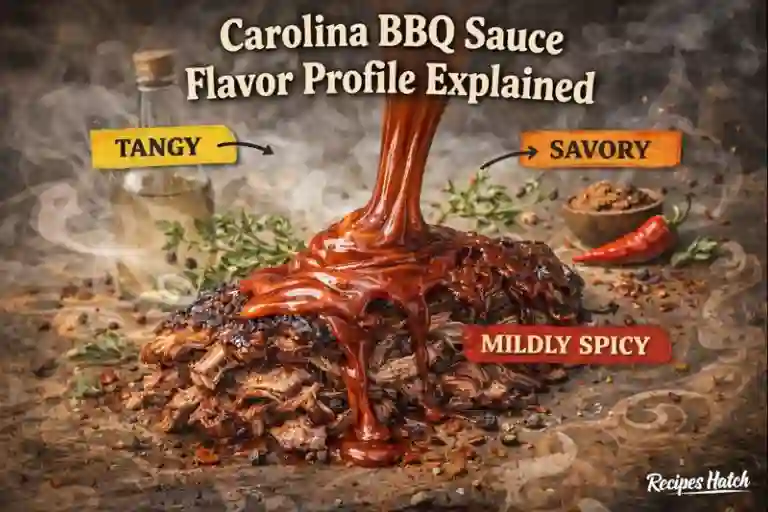
The defining feature of authentic North Carolina BBQ sauce is its acid-forward profile. Vinegar leads the flavor, followed by mild heat and subtle sweetness. In South Carolina mustard BBQ sauce, mustard adds tang and richness, creating what many call Carolina gold BBQ sauce. Both styles focus on brightness rather than thickness, which makes them perfect for pork.
The History of Carolina BBQ Sauce
Understanding the history of Carolina BBQ sauce helps explain why it tastes so different from other regional styles.
Colonial Vinegar Preservation Roots
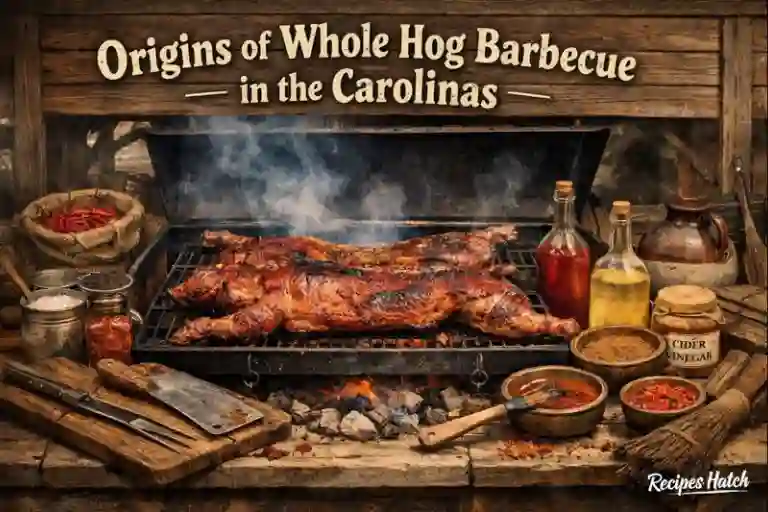
In early colonial times, vinegar was widely used to preserve food. When settlers began cooking whole hogs over open pits, they used vinegar to season and preserve the meat. This simple mixture of vinegar, salt, and pepper became the foundation of Eastern North Carolina vinegar BBQ sauce.
German Mustard Influence (South Carolina)
In South Carolina, German immigrants brought their love of mustard. Over time, mustard was added to the traditional vinegar base, creating the now-famous mustard based BBQ sauce. This golden variation is often called Carolina gold sauce and remains a key part of South Carolina’s BBQ identity.
Evolution of Eastern vs Western Styles
As barbecue culture spread, different regions developed their own twist. Eastern North Carolina BBQ sauce stayed simple and vinegar-heavy. Western North Carolina, also known as Lexington style, added a small amount of ketchup, creating a slightly sweeter and redder sauce. This subtle shift led to the well-known Eastern vs Western Carolina BBQ sauce debate.
Why Pork Became Central to Carolina BBQ
Pork became central because hog farming was common in the Carolinas. Whole hog cooking was practical and affordable. The sharpness of vinegar BBQ sauce for pulled pork helped balance the rich, fatty meat. Over time, pork and Carolina BBQ sauce became inseparable, shaping one of America’s most distinct barbecue traditions.
The Flavor Blueprint of Carolina BBQ Sauce
To truly understand Carolina BBQ sauce, you need to learn how to taste it properly. Instead of thinking about thickness or color, focus on balance. Every authentic Carolina BBQ sauce recipe follows a simple flavor structure.
Acid (Vinegar Dominance)
The heart of a traditional vinegar based BBQ sauce is acid. Apple cider vinegar leads the flavor. It gives that sharp, clean bite you notice right away. This acidity cuts through rich meats like pulled pork and pork shoulder. When tasting, the first sensation should be bright and tangy.
Heat (Black Pepper, Cayenne, Red Flakes)
After the vinegar hits, the heat follows. Most North Carolina BBQ sauce recipes rely on coarse black pepper and red pepper flakes. Some versions add cayenne for extra spice. The heat should warm the tongue, not overpower it.
Sweetness (Minimal vs Moderate)
Unlike Kansas City style, sweetness in Carolina BBQ sauce is controlled. In Eastern North Carolina vinegar BBQ sauce, sugar is very light or barely noticeable. In Western North Carolina BBQ sauce, ketchup adds mild sweetness. South Carolina mustard BBQ sauce tends to be slightly sweeter due to mustard and brown sugar.
Salt Balance
Salt supports the vinegar and heat. It should enhance flavor without making the sauce harsh. A balanced sauce tastes sharp but smooth, not aggressive.
Smoke Compatibility
One reason Carolina BBQ sauce works so well is its compatibility with smoke. The acidity blends beautifully with smoked pork. When combined with slow-cooked meat, the sauce becomes deeper and more rounded.
When tasting, ask yourself:
- Does the vinegar feel clean or too strong?
- Is the heat balanced?
- Is sweetness subtle or dominant?
- Does it enhance the meat instead of covering it?
This simple tasting approach helps you understand the sauce on a deeper level.
Eastern North Carolina Vinegar Sauce (Classic Pulled Pork Mop)
This is the most traditional form of North Carolina BBQ sauce. It is thin, sharp, and designed for pork.
Authentic Ingredient List
A classic Eastern North Carolina vinegar BBQ sauce recipe includes:
- Apple cider vinegar
- Red pepper flakes
- Black pepper
- Salt
- A small amount of sugar (optional)
Notice there is little or no ketchup. This keeps the sauce clear and tangy.
Why There’s Little or No Ketchup
Adding ketchup would thicken the sauce and increase sweetness. Traditionalists believe this changes the identity of true Eastern Carolina BBQ sauce. The goal is brightness, not thickness.
Mop Sauce Explanation
This style is often called a Carolina mop sauce. During smoking, pitmasters brush the sauce over pork while it cooks. The thin consistency allows it to soak into the meat, building layers of flavor.
Step-by-Step Method
- Combine vinegar, spices, and salt in a bowl.
- Stir until fully blended.
- Let it rest for at least one hour.
- Use it during smoking or mix it into shredded pork.
No cooking is required in most traditional versions.
Flavor Profile
- Very tangy
- Pepper-forward
- Light sweetness
- Clean finish
This is considered by many the best Carolina BBQ sauce for pulled pork.
Best Meats
- Pulled pork
- Whole hog
- Pork shoulder
- Smoked chicken
Western North Carolina (Lexington Style)
Western North Carolina BBQ sauce, also known as Lexington style, is a middle ground between Eastern vinegar sauce and sweeter styles.
Vinegar + Ketchup Blend
This version combines vinegar with a small amount of ketchup. The ketchup adds color and mild body while keeping the sauce thinner than most commercial BBQ sauces.
Slight Sweetness
Because of the ketchup and sometimes brown sugar, this style has more sweetness than pure vinegar based BBQ sauce, but it is still not heavy like Kansas City sauce.
Regional Distinction
The Eastern vs Western Carolina BBQ sauce debate often centers on this difference. Eastern stays pure vinegar. Western introduces tomato. Both are proud regional traditions.
Recipe Variation
A simple Lexington style Carolina BBQ sauce recipe includes:
- Apple cider vinegar
- Ketchup
- Brown sugar
- Red pepper flakes
- Black pepper
- Salt
Simmer lightly for 10–15 minutes to blend flavors.
South Carolina Mustard Sauce (Carolina Gold)
South Carolina mustard BBQ sauce, often called Carolina Gold BBQ sauce, is bold, tangy, and slightly sweet. Unlike the vinegar-heavy Eastern North Carolina BBQ sauce, this version uses mustard as the main base. The result is a rich golden color and a smoother mouthfeel while still keeping that classic Carolina sharpness.
German Heritage
The roots of mustard based BBQ sauce go back to German immigrants who settled in South Carolina in the 1700s. They brought their love for mustard sauces, which eventually blended with the region’s vinegar tradition. Over time, this fusion created what we now call authentic South Carolina BBQ sauce.
Mustard Type Comparison
Not all mustard tastes the same. The type you choose changes the final flavor.
- Yellow mustard – traditional, smooth, slightly mild
- Dijon mustard – sharper and more complex
- Brown mustard – deeper flavor, slight texture
Most traditional Carolina gold sauce recipes use plain yellow mustard to keep the balance classic and clean.
Sweet vs Spicy Balance
This style usually contains more sweetness than North Carolina BBQ sauce. Brown sugar or honey is often added to soften the vinegar and mustard bite. Heat comes from black pepper, cayenne, or red pepper flakes. The goal is balance — sweet, tangy, and mildly spicy without overpowering pork.
Authentic Ratio Breakdown
A classic South Carolina mustard BBQ sauce recipe follows this simple structure:
- 1 cup yellow mustard
- ½ cup apple cider vinegar
- ¼ cup brown sugar
- 1–2 teaspoons black pepper
- ½ teaspoon cayenne (optional)
- Salt to taste
This keeps the sauce smooth but still bright.
Step-by-Step Method
- Combine mustard and vinegar in a bowl.
- Add sugar and spices.
- Stir until fully blended.
- Simmer gently for 10 minutes to soften sharp flavors.
- Cool before serving.
This version is excellent as a finishing sauce for pulled pork, grilled chicken, or ribs.
Eastern vs Western vs South Carolina – Full Comparison Table
Below is a clear breakdown of the three major regional styles of Carolina BBQ sauce.
| Region | Base | Thickness | Sweetness | Heat | Best For |
|---|---|---|---|---|---|
| Eastern North Carolina | Vinegar | Very thin | Minimal | Medium (pepper-forward) | Whole hog, pulled pork |
| Western North Carolina (Lexington) | Vinegar + Ketchup | Thin | Light to moderate | Medium | Chopped pork, ribs |
| South Carolina (Carolina Gold) | Mustard + Vinegar | Slightly thicker | Moderate | Mild to medium | Pulled pork, chicken |
This comparison helps explain the difference between Eastern vs Western Carolina BBQ sauce and how South Carolina mustard BBQ sauce stands apart. Each style reflects its own regional identity and cooking tradition.
Why Carolina BBQ Sauce Is So Thin
Many people ask why Carolina BBQ sauce is so thin compared to other sauces. The answer lies in both tradition and food science.
Vinegar’s Fat-Cutting Ability
Pork, especially shoulder and whole hog, contains a lot of fat. The high acidity in vinegar based BBQ sauce cuts through that richness. It keeps the meat tasting fresh instead of heavy.
Acid Penetration Into Meat Fibers
Vinegar also penetrates meat fibers more easily than thick tomato sauces. This allows Carolina BBQ sauce for pulled pork to soak into shredded meat rather than just coat it.
Why It Works as a Mop Sauce
Because it is thin, it can be brushed onto meat during smoking. This technique, known as using a Carolina mop sauce, builds flavor in layers while keeping the surface moist.
Why Thickening It Ruins Authenticity
If you thicken the sauce too much, it stops behaving like a true North Carolina BBQ sauce. It will sit on top of the meat instead of blending in. Authentic Carolina barbecue sauce is meant to enhance the smoke and pork flavor — not hide it under sweetness or thickness.
When to Apply Carolina BBQ Sauce (Pitmaster Timing Guide)
Knowing when to apply Carolina BBQ sauce can completely change your results. Timing matters just as much as ingredients. Most recipes skip this step, but pitmasters understand that technique makes the difference.
During Smoking
For traditional Eastern North Carolina vinegar BBQ sauce, application often starts during smoking. Because it is thin, it works perfectly as a Carolina mop sauce. Lightly brush it onto pork every 45–60 minutes. This keeps the surface moist and builds layers of tangy flavor without creating a thick crust.
After Shredding Pork
This is the most common and safest method. Once the pork is shredded, mix in a few tablespoons of vinegar based BBQ sauce while the meat is still warm. The acid absorbs better at this stage, making it ideal for Carolina BBQ sauce for pulled pork.
As a Finishing Drizzle
For South Carolina mustard BBQ sauce or Carolina gold BBQ sauce, many pitmasters prefer using it as a finishing drizzle. This preserves the bright mustard flavor and keeps the sweetness balanced.
Avoiding Over-Saucing
Authentic Carolina BBQ sauce is meant to enhance, not overpower. If the meat tastes more like sauce than smoke, you have used too much. Start light — guests can always add more at the table.
Proper timing protects the sauce’s acid-forward identity and keeps it true to tradition.
Ingredient Deep Dive
Even simple ingredients can change the final taste of your Carolina BBQ sauce recipe. Small adjustments create noticeable differences.

Apple Cider Vinegar vs White Vinegar
- Apple cider vinegar adds mild fruitiness and depth.
- White vinegar is sharper and more aggressive.
Most authentic North Carolina BBQ sauce recipes prefer apple cider vinegar for balance.
Brown Sugar vs White Sugar
- Brown sugar gives light molasses notes and soft sweetness.
- White sugar keeps the sauce cleaner and sharper.
In Western North Carolina BBQ sauce, brown sugar works well. In pure Eastern Carolina BBQ sauce, sweetness should stay minimal.
Yellow Mustard vs Dijon
For South Carolina mustard BBQ sauce, classic yellow mustard keeps the flavor traditional. Dijon adds complexity but can slightly change the authentic profile of Carolina gold sauce.
Black Pepper Grind Size
Coarse black pepper gives bold texture and heat. Fine grind blends more smoothly. Traditional vinegar BBQ sauce often uses coarse pepper for a noticeable bite.
Worcestershire Addition (Optional or Not?)
Some modern versions add a small splash of Worcestershire sauce for depth. While not always traditional, it can add umami without changing the identity of Carolina barbecue sauce. Use sparingly to avoid overpowering the vinegar base.
Best Meats for Each Carolina BBQ Style
Different styles of Carolina BBQ sauce pair better with certain meats. Matching them correctly improves flavor and balance.
Pulled Pork (Primary Choice)
This is the classic match. Vinegar based BBQ sauce for pulled pork is considered the gold standard in North Carolina. The acidity cuts through the fat beautifully.
Pork Shoulder
Whole smoked pork shoulder works well with all three styles:
- Eastern vinegar for sharpness
- Western Lexington for balance
- South Carolina mustard for sweet tang
Chicken
Carolina gold BBQ sauce shines on grilled or smoked chicken. The mustard adds body without making the meat too sweet.
Ribs
Western North Carolina sauce, with its light tomato blend, pairs nicely with ribs. It adds subtle sweetness without masking smoke.
Brisket Comparison
Brisket is more common in Texas, but if used, keep the sauce light. A thin North Carolina BBQ sauce works better than sweet, heavy sauces because it does not compete with the beef flavor.
How to Adjust Carolina BBQ Sauce for Different Diets
One reason Carolina BBQ sauce is so popular is its flexibility. Because the base is simple, you can easily adjust it without losing its identity.
Low Sugar
Traditional Eastern North Carolina vinegar BBQ sauce already contains very little sugar. To make a fully low-sugar version, reduce or remove brown sugar completely. This keeps the sauce sharp and clean while still working perfectly as a vinegar based BBQ sauce for pulled pork.
Keto-Friendly
For a keto-friendly Carolina BBQ sauce recipe, replace sugar with a low-carb sweetener like monk fruit or erythritol. Keep sweetness subtle. The main flavor should still come from vinegar and spice.
Extra Spicy Version
To create a spicy North Carolina BBQ sauce, increase cayenne or red pepper flakes. You can also add a dash of hot sauce. The goal is controlled heat — not overwhelming burn.
Less Acidic Version
If vinegar feels too sharp, reduce it slightly and add a bit more water or mustard (for South Carolina mustard BBQ sauce). A small increase in sweetness can also soften the acidity.
Thickened Version (Non-Traditional)
Some people prefer a thicker sauce for ribs. To thicken your Carolina barbecue sauce, simmer it gently to reduce liquid. You may also add a little extra ketchup (Western style) or mustard (South Carolina style). Keep in mind this moves away from authentic texture.
These adjustments allow you to customize flavor while respecting the roots of Carolina BBQ sauce.
Batch Scaling for Parties & Catering
If you are cooking for a crowd, scaling your homemade Carolina BBQ sauce correctly is important.
Ratio Scaling Formula
The easiest way to scale is to keep the base ratio consistent:
- 2 parts vinegar
- 1 part sweetener (or less)
- Spices adjusted to taste
For example, if your original recipe uses 1 cup vinegar, multiply all ingredients equally. This keeps balance intact.
Storage Logistics
For large batches, store sauce in sealed containers in the refrigerator. Because vinegar based BBQ sauce contains high acidity, it naturally lasts longer than thick tomato sauces.
Cost Breakdown Per Batch
One advantage of Carolina BBQ sauce recipe scaling is affordability. Vinegar, mustard, and spices are inexpensive. Even large catering batches remain budget-friendly compared to store-bought options.
How Far Ahead You Can Prepare
You can prepare most versions 3–5 days in advance. In fact, resting improves flavor as spices blend into the vinegar base. This makes it ideal for events and BBQ competitions.
Few competitors discuss commercial preparation, making this a strong advantage for your content.
How to Store, Freeze & Bottle Carolina BBQ Sauce
Proper storage keeps your Carolina BBQ sauce fresh and flavorful.
Refrigeration Shelf Life
Store in an airtight container in the refrigerator. Most vinegar based BBQ sauces last up to 2–3 weeks due to their high acidity. Mustard-based versions last about the same.
Freezing Rules
You can freeze North Carolina BBQ sauce safely. Pour it into freezer-safe containers, leaving space for expansion. Thaw in the refrigerator before use. Shake or stir well after thawing.
Glass vs Plastic Storage
Glass containers are ideal because vinegar can react slightly with low-quality plastic over time. For longer storage, choose glass jars with tight lids.
Canning Safety Notes
While the high vinegar content makes the sauce more stable, safe home canning requires proper sterilization and tested acidity levels. If unsure, refrigeration is safer than shelf storage.
Is Carolina BBQ Sauce Healthy?
Many people are surprised to learn that Carolina BBQ sauce can be a lighter option compared to other regional sauces.
Lower Sugar vs Kansas City Style
Traditional vinegar based BBQ sauce contains far less sugar than thick Kansas City sauces, which often rely on molasses and heavy tomato paste. A classic North Carolina BBQ sauce uses minimal sweetness, making it a better choice if you want less added sugar.
Calorie Comparison
Because it is thin and low in sugar, Carolina BBQ sauce recipe versions usually contain fewer calories per serving than sweeter sauces. The vinegar base keeps the ingredient list simple and light.
Sodium Considerations
Salt is necessary for balance, but it should be moderate. When making homemade Carolina BBQ sauce, you control the sodium level. This makes it easier to adjust for dietary needs.
Vinegar Health Angle
Vinegar has been linked to potential digestive and blood sugar benefits when consumed in moderation. While vinegar BBQ sauce is not a health product, its simple ingredient list makes it a cleaner option compared to heavily processed commercial sauces.
Overall, authentic Carolina barbecue sauce is often lighter, sharper, and less sugary — which many people consider a healthier choice.
Vinegar vs Mustard BBQ Sauce – Which Should You Choose?
Choosing between vinegar based BBQ sauce and South Carolina mustard BBQ sauce depends on your preferences and cooking style.
✔ Flavor Preference
- If you enjoy bold tang and sharp heat, choose Eastern North Carolina vinegar BBQ sauce.
- If you prefer sweet and tangy balance, go with Carolina gold BBQ sauce.
✔ Cooking Method
- For smoking whole hog or pork shoulder, vinegar sauce works beautifully as a Carolina mop sauce.
- For grilling chicken or ribs, mustard-based sauce adds body and caramelization.
✔ Meat Type
- Pulled pork pairs best with vinegar sauce.
- Chicken and ribs work well with mustard sauce.
✔ Regional Authenticity
If you want strict authenticity, match the sauce to its region:
- Eastern NC → Vinegar
- Western NC → Vinegar + ketchup
- South Carolina → Mustard
✔ Guest Preference
When cooking for guests, offering both styles can satisfy everyone. Some prefer sharp tang, while others enjoy mild sweetness.
There is no wrong choice — each version of Carolina BBQ sauce has its own character.
Common Mistakes When Making Carolina BBQ Sauce
Even a simple Carolina BBQ sauce recipe can go wrong if you are not careful.
Over-Sweetening
Adding too much sugar turns authentic North Carolina BBQ sauce into something closer to Kansas City style. Sweetness should stay subtle.
Boiling Vinegar Too Long
Boiling vinegar aggressively can reduce its brightness and make the sauce taste flat. Gentle simmering is enough, especially for Western North Carolina BBQ sauce.
Making It Too Thick
Authentic vinegar based BBQ sauce is meant to be thin. Thickening it too much changes the texture and tradition.
Using the Wrong Mustard
For South Carolina mustard BBQ sauce, plain yellow mustard keeps the classic flavor. Strong Dijon can overpower the balance if used heavily.
Overpowering Heat
Too much cayenne or red pepper flakes can hide the vinegar and mustard flavors. Heat should support, not dominate.
Troubleshooting Guide
If your homemade Carolina BBQ sauce does not taste right, small adjustments can fix it.
Too Sour?
Add a small amount of brown sugar or honey. Stir well and taste again.
Too Thin?
Simmer gently for a few minutes to reduce slightly. Remember, it should still stay thin compared to thick sauces.
Too Sharp?
Let the sauce rest for a few hours. Flavors soften over time, especially in vinegar based BBQ sauce.
Too Bitter?
Bitterness often comes from too much black pepper or mustard. Add a little sweetness to rebalance.
Too Spicy?
Dilute with extra vinegar or mustard (depending on the style). Avoid adding water, which can weaken overall flavor. With careful balance, your Carolina BBQ sauce will remain authentic, flavorful, and perfectly suited for pork, chicken, or ribs.
FAQ About Carolina BBQ sauce
Is Carolina BBQ sauce spicy?
Carolina BBQ sauce is usually mildly spicy, not extremely hot. Traditional North Carolina BBQ sauce gets heat from black pepper and red pepper flakes. Some versions add cayenne for extra kick. The spice level can easily be adjusted in a homemade Carolina BBQ sauce recipe to match your preference.
Does Carolina BBQ sauce have ketchup?
It depends on the region. Eastern North Carolina vinegar BBQ sauce typically contains little or no ketchup. Western North Carolina (Lexington style) includes a small amount for color and mild sweetness. South Carolina mustard BBQ sauce uses mustard instead of ketchup as the base.
Why is it vinegar-based?
Carolina sauce is vinegar-based because early settlers used vinegar to season and preserve meat. The acidity cuts through rich pork fat and enhances smoke flavor. This sharp, tangy profile became the signature of authentic Carolina barbecue sauce, especially for pulled pork.
Can I use it on ribs?
Yes, you can use Carolina BBQ sauce on ribs, especially the Western North Carolina or mustard-based versions. Because it is thinner than Kansas City sauce, it won’t create a heavy glaze. It adds tangy balance while allowing the smoky rib flavor to shine.
What makes Carolina BBQ sauce different?
The biggest difference is its thin texture and acid-forward flavor. Unlike thick, sweet tomato-based sauces, authentic vinegar based BBQ sauce focuses on sharpness and balance. Regional variations — vinegar, tomato-blend, and mustard — also make Carolina style uniquely diverse.
Can you buy authentic Carolina BBQ sauce?
Yes, you can find bottled versions of Carolina BBQ sauce in stores and online. However, many commercial brands add extra sugar or thickeners. Making your own homemade Carolina BBQ sauce ensures better control over flavor and authenticity.
Can you use it as a marinade?
Yes, especially the vinegar based BBQ sauce. Its acidity helps tenderize pork and chicken before cooking. However, because it is thin, it works best as a mop or finishing sauce rather than a long overnight marinade.
Final Verdict – Why Carolina BBQ Sauce Is America’s Most Distinct BBQ Style
Carolina BBQ sauce stands apart because it refuses to follow the sweet, thick pattern of other regional sauces. Its vinegar bite, balanced heat, and deep history create a bold yet simple flavor that enhances smoked meat instead of covering it. From the sharp tang of Eastern North Carolina vinegar BBQ sauce to the golden richness of South Carolina mustard BBQ sauce, each version tells a story.
In the end, there is no single winner — only preference. Are you Team Vinegar or Team Mustard? Let us know which style you prefer and how you use your favorite Carolina BBQ sauce recipe at home.